Antarctic Penguin Die-Off Blamed on Bird Flu Was Really Avian Cholera, Study Finds
Researchers counted more than 537 Adélie penguin carcasses on a single landing ramp in the Danger Islands and found only low levels of H5N1.
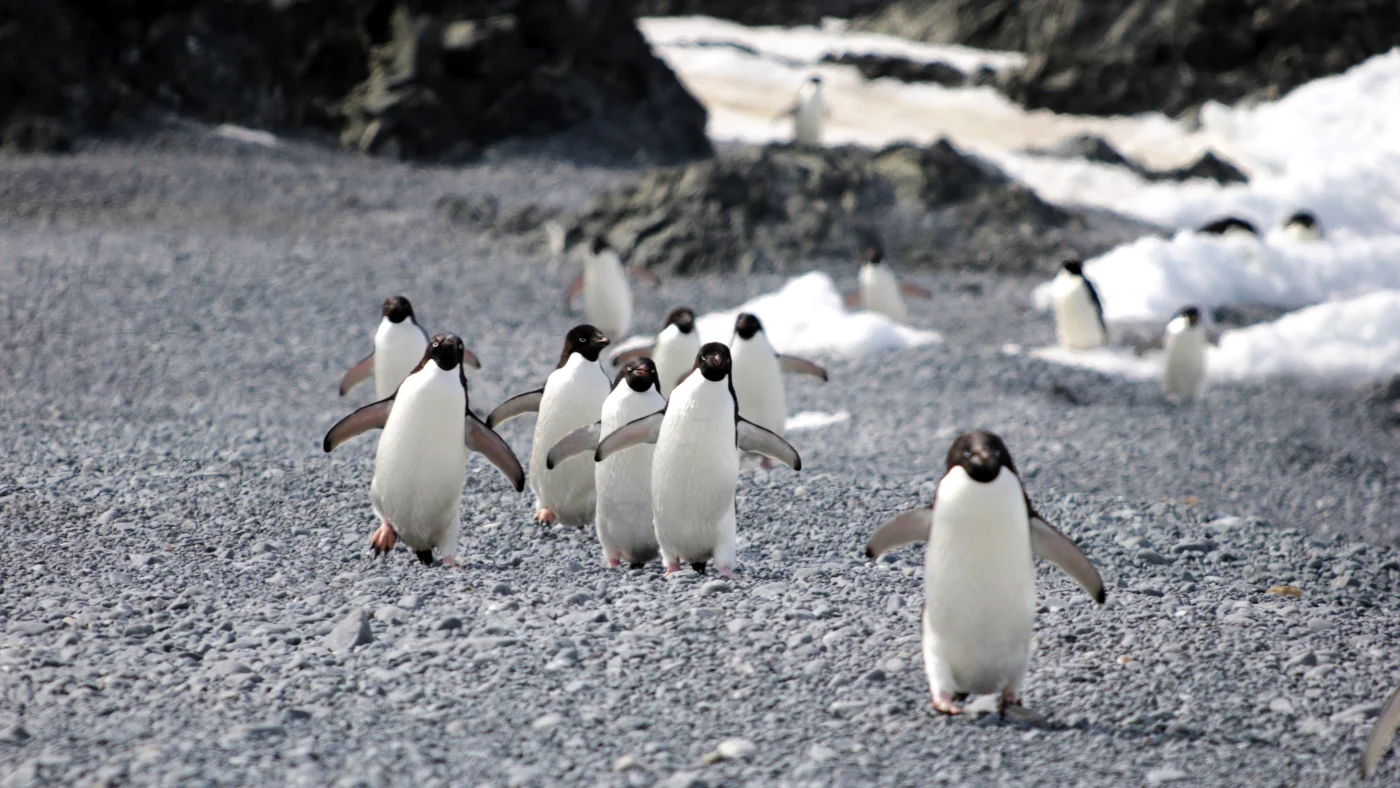
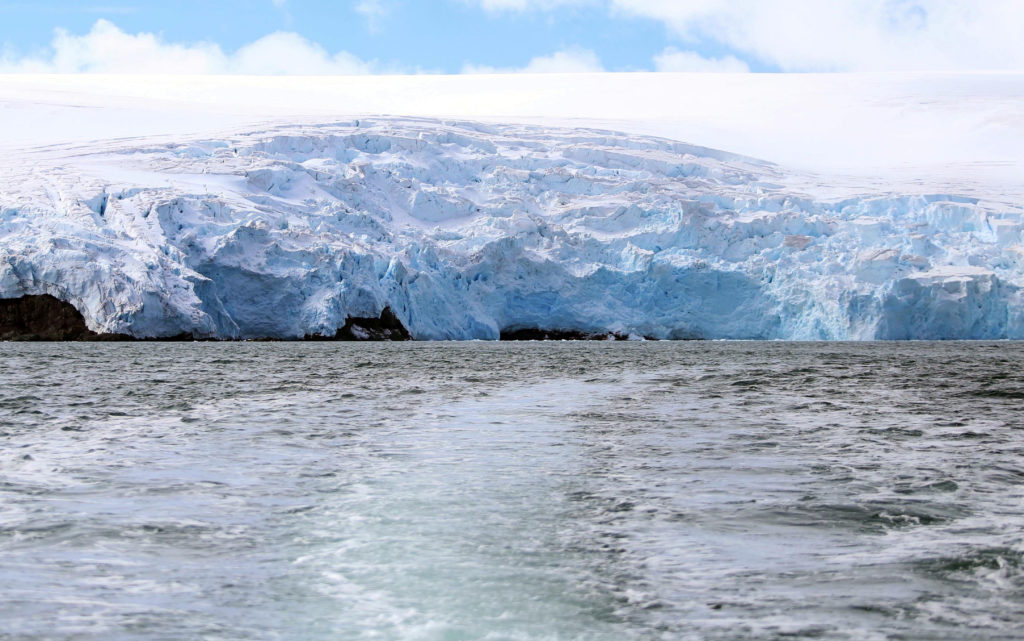
When wildlife veterinarian Ralph Vanstreels sailed toward the Danger Islands off the Antarctic Peninsula in March 2024, he expected to find a lot of dead Adélie penguins and, he assumed, the virus responsible. He found the dead penguins. He had the culprit wrong.
Bird flu had arrived in Antarctica in late 2023 and early 2024, and Vanstreels, who is based in Argentina and works with the University of California, Davis, and colleagues quickly arranged the trip. "The expedition was initially fully set up to look for bird flu because that was the panic," he said. As the vessel reached a landing ramp, the team noticed bumps in the snow. "Was each bump a rock or was it a carcass? We had to do quite a bit of intensive searching," he said.
They counted more than 537 penguin carcasses on that ramp alone, which Vanstreels estimates was about the size of an airport runway. There were many more elsewhere on the islands, which hold two mega colonies, and the researchers estimate thousands of Adélies and other birds died. The team could not do a full count. "You cannot stay there very long because you might be locked down with an iceberg blocking your way out," he said.
In a mini-lab on their boat, the researchers ran early tests that evening and did not get the answer they expected. "There is bird flu here, but the virus loads are low," Vanstreels recalled. The carcasses were fairly fresh, so if influenza had killed the birds he would have expected far more virus. Months later in the Netherlands, colleagues looked at the tissue. "Under the microscope, you can see that there's bacteria in the tissues," he said. The disease was avian cholera, caused by bacteria and distinct from the human illness of the same name. The findings were published this month in the Proceedings of the Royal Society B.
Avian cholera is not considered a major threat to people, since the strain that infects birds differs from the one that affects mammals. It does kill birds worldwide, especially in cold environments where the bacteria thrive. Scientists last looked for it on the Antarctic Peninsula 25 years ago. Vanstreels cautioned against assuming the last outbreak, in 2001, was a one-off. "One could be misled to think that: Well, that was a unique thing that happened back in 2001, and nothing's happened ever since," he said. Die-offs could be happening regularly with nobody checking.
How the bacteria got there is unresolved. One theory is that researchers brought poultry from the United States decades ago. Amandine Gamble, an assistant professor at Cornell University, said the Antarctic strain is "very close" to one found 5,000 miles away on Île Amsterdam in the Southern Indian Ocean. "Antarctica is way more connected to the rest of the world than we think it is," she said.
The lesson reaches beyond penguins. H5N1 has killed nearly 300 million poultry since late 2021, through disease or culling, and millions of wild animals. It reached mainland Australia in June, likely carried by migrating birds from Antarctica, ending that continent's run as the only one to escape the virus. Vanstreels says the fear of a continuing animal pandemic is justified, but that surveillance has to stay broad. "We still want to keep checking for the other diseases because they might be mixing up in the middle," he said. Gamble called for international cooperation: "We really need international collaboration."