Scientists Reveal Aerobic Exercise Most Effective Treatment for Knee Arthritis Pain
Comprehensive review of 217 trials shows walking, cycling and swimming outperform other exercise types in reducing pain and improving function.
A comprehensive analysis of 217 clinical trials involving over 15,000 participants has definitively established aerobic exercise as the most effective form of physical activity for managing knee osteoarthritis. The study, published in The BMJ, found that activities such as walking, cycling, and swimming consistently outperformed other exercise types in reducing pain, improving physical function, enhancing walking ability, and boosting overall quality of life. The research provides the clearest guidance to date for healthcare providers and patients seeking evidence-based approaches to managing this common and often debilitating condition.
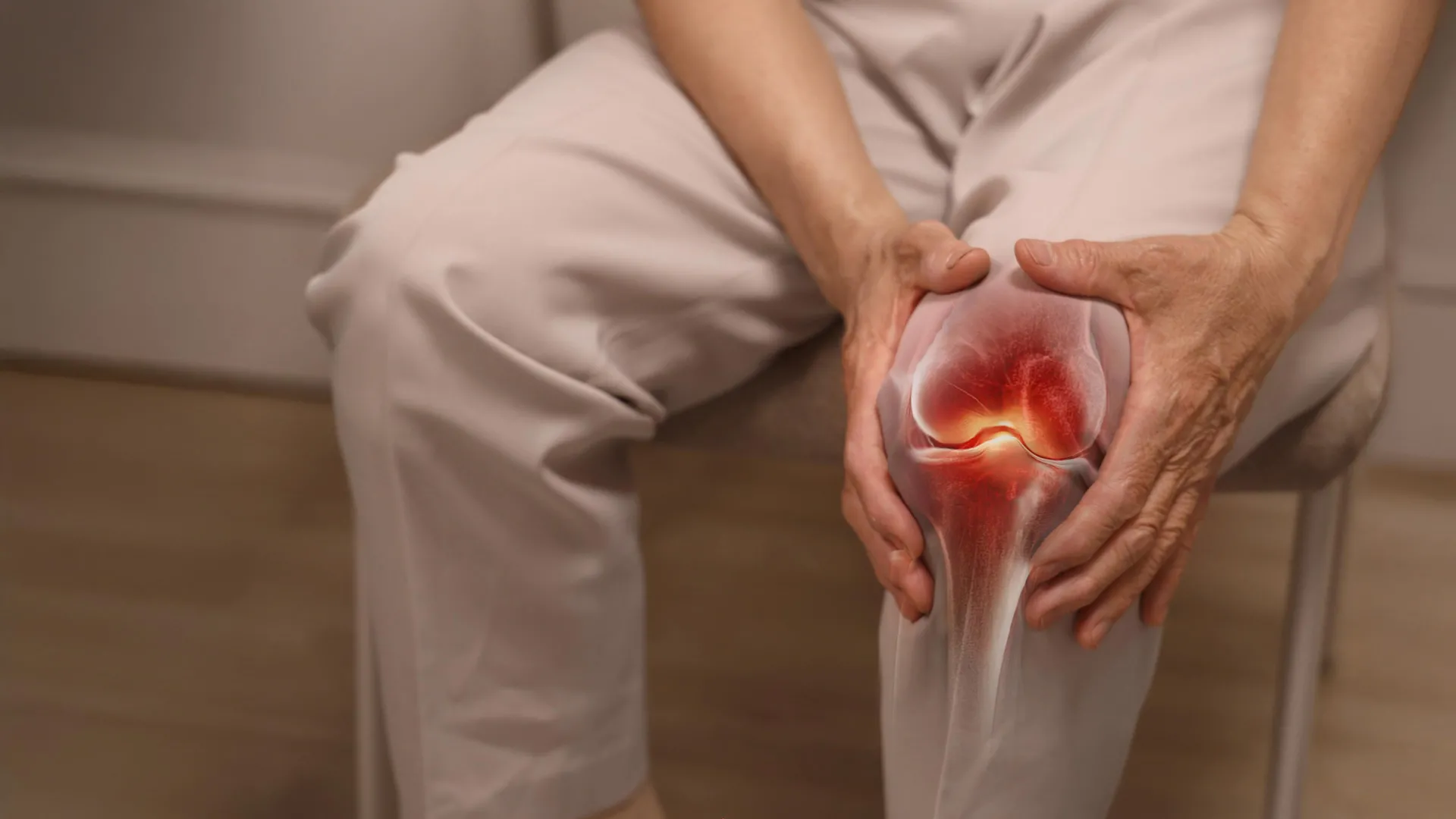
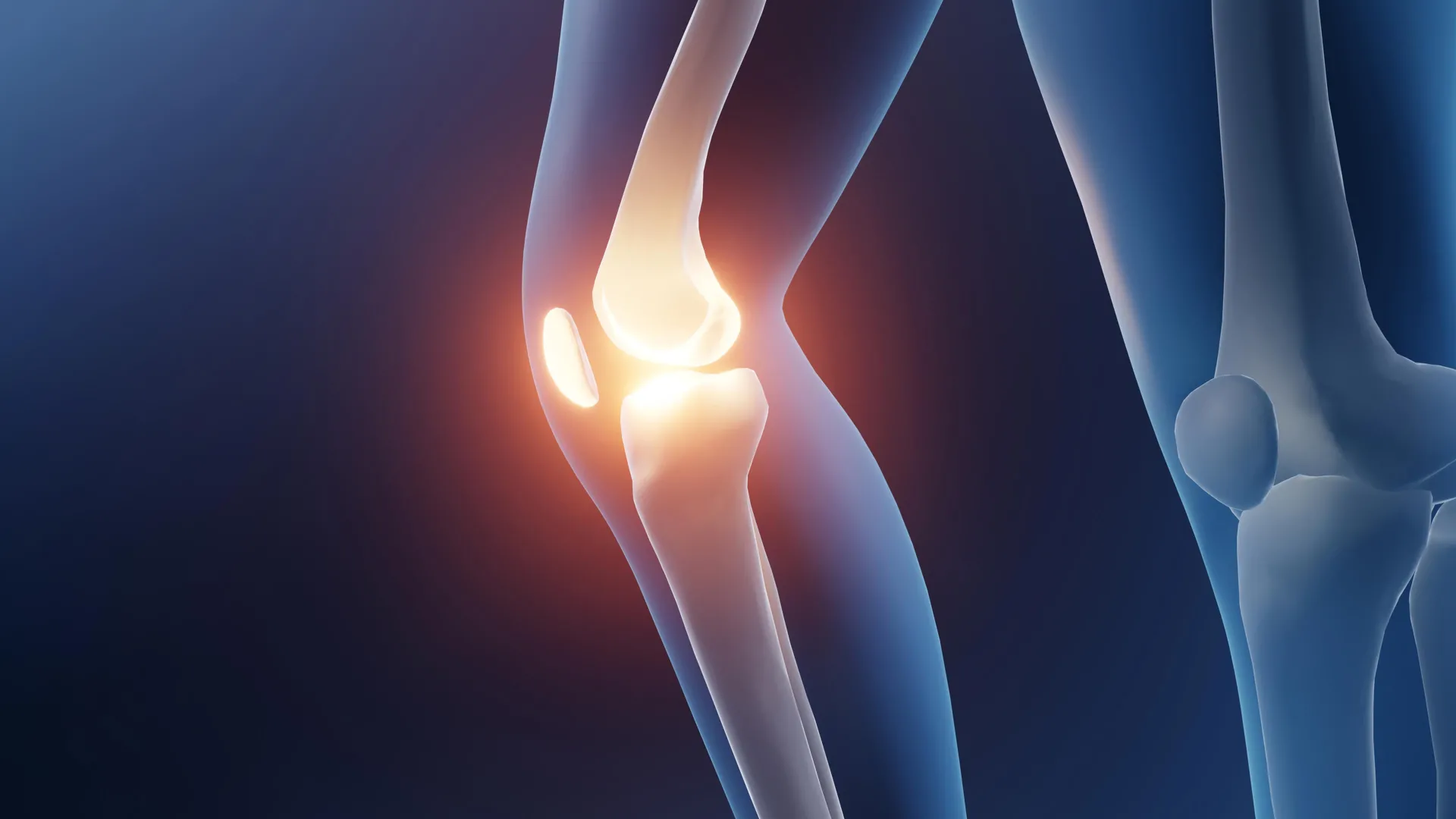
Knee osteoarthritis affects nearly 30% of adults over 45, with approximately half of those individuals experiencing severe symptoms that significantly impact their daily lives. The condition develops when cartilage that cushions the joints gradually breaks down, leading to pain, swelling, and reduced mobility. While exercise has long been recommended as a cornerstone of treatment, previous guidelines have often lacked specific guidance about which types of physical activity provide the greatest benefits for patients with knee osteoarthritis.
The research team analyzed studies conducted between 1990 and 2024, comparing aerobic exercise with flexibility training, strength building, mind-body approaches, neuromotor training, and mixed exercise programs. Using the recognized GRADE system to evaluate evidence quality, researchers examined outcomes at short-term (four weeks), mid-term (12 weeks), and long-term (24 weeks) follow-up periods. The analysis focused on key measures that matter most to patients, including pain levels, physical function, walking performance, and quality of life.
Aerobic exercise demonstrated moderate-certainty evidence for reducing pain in both short and mid-term timeframes while improving physical function across all time periods studied. The activities also enhanced walking ability and quality of life in the short and mid-term. While other exercise forms showed benefits, they were generally less consistent and comprehensive than aerobic activities. Mind-body approaches improved short-term function, neuromotor training boosted short-term walking performance, and strength training appeared to help with mid-term function.
Importantly, the study found that none of the exercise types increased the risk of adverse events compared to control groups, reinforcing the safety profile of physical activity for knee osteoarthritis management. Researchers noted that while other forms of exercise can provide meaningful benefits, they work best when used alongside aerobic activity rather than as replacements. The findings support a treatment approach that prioritizes aerobic exercise while incorporating other activities as complementary therapies to address specific patient needs and preferences.