Scientists Discover Rare Flavoalkaloids in Cannabis Leaves, Opening New Medical Frontiers
First evidence of these prized compounds found in just one of three strains studied, revealing unexpected chemical diversity in cannabis plants.
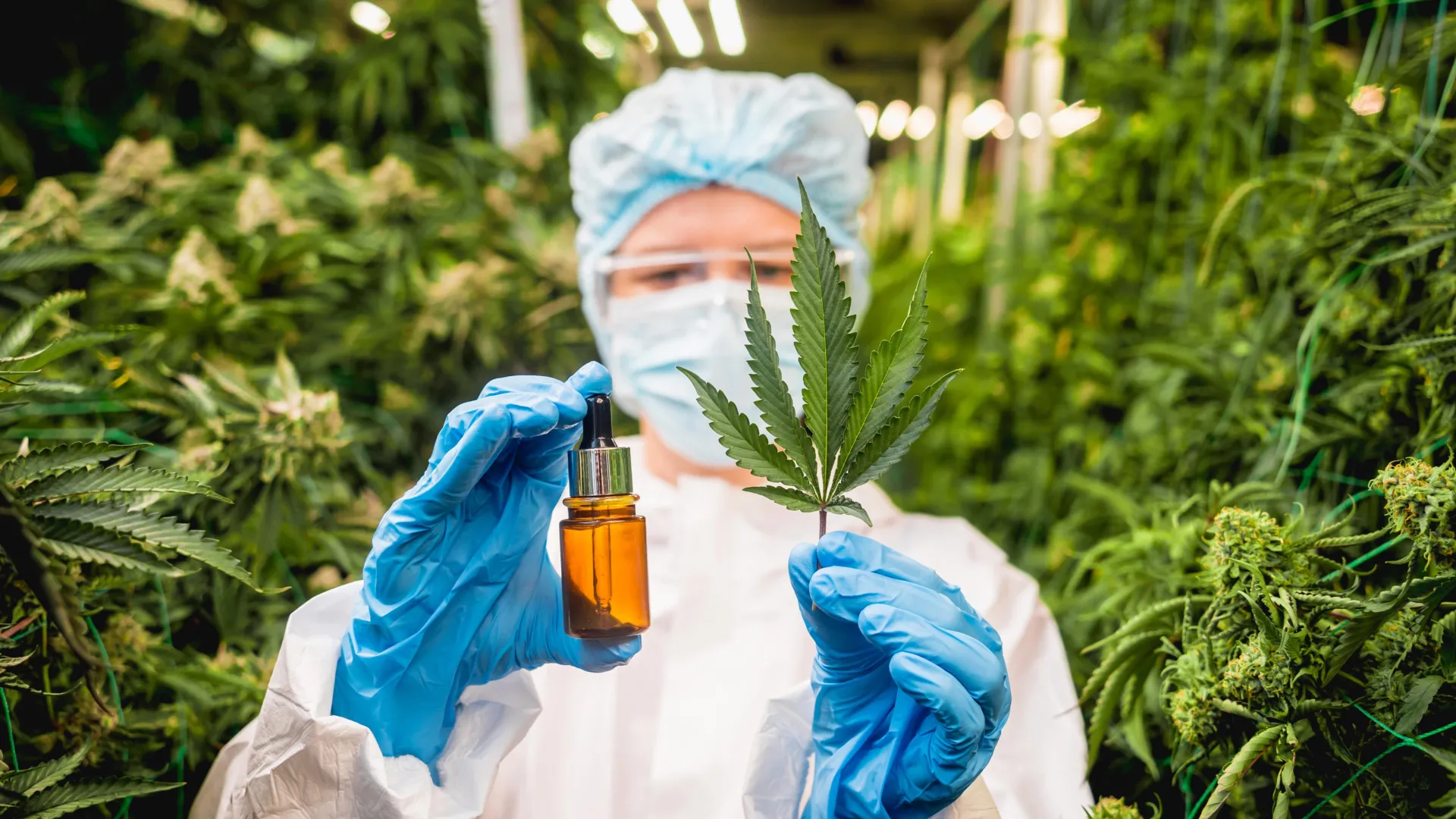
Scientists at Stellenbosch University have made a groundbreaking discovery in cannabis research, identifying the first evidence of rare phenolic compounds called flavoalkaloids in cannabis leaves. These compounds, which are highly valued in medicine for their potential health benefits, were previously unknown to exist in cannabis plants. The finding adds a surprising new dimension to the already complex chemistry of cannabis and suggests the plant may contain even more biologically important compounds than researchers previously recognized.
Dr. Magriet Muller, an analytical chemist in the LC-MS laboratory of the Central Analytical Facility at Stellenbosch University, led research that analyzed three commercially grown cannabis strains from South Africa. The team identified 79 phenolic compounds total, with 25 never before reported in cannabis. Among these newly discovered compounds, 16 were tentatively classified as flavoalkaloids, a group that is exceptionally rare in nature. The compounds were concentrated mainly in the leaves of just one strain, highlighting dramatic chemical variation between different types of cannabis.
Flavoalkaloids are particularly significant because they combine the beneficial properties of both flavonoids and alkaloids. Flavonoids are already highly valued in medicine for their antioxidant, anti-inflammatory, and anti-carcinogenic effects. The discovery that cannabis can produce flavoalkaloids opens new possibilities for understanding the plant's therapeutic potential and could lead to the development of new medical treatments. The research was recently published in the Journal of Chromatography A.
The discovery was made possible through advanced analytical methods that combine comprehensive two-dimensional liquid chromatography with high-resolution mass spectrometry. These sophisticated tools allow scientists to separate and identify compounds with extraordinary precision, revealing chemical complexity that would be impossible to detect with conventional techniques. Professor André de Villiers, who led the study, noted that the excellent performance of the two-dimensional chromatography was crucial for separating flavoalkaloids from more abundant flavonoids.
The unexpected finding that these rare compounds appeared in only one of the three strains studied underscores just how much chemical diversity exists within cannabis species. With more than 750 known metabolites, cannabis is among the most chemically complex plants on Earth. This research suggests that different strains may contain unique combinations of bioactive compounds, potentially explaining why different cannabis varieties have varying effects and therapeutic properties. The discovery could lead to targeted breeding programs aimed at developing strains with enhanced medicinal value.