Trump Administration Reclassifies Marijuana as Schedule III Drug
The Justice Department's historic decision moves cannabis to the same classification as common prescription painkillers but maintains recreational use prohibitions.
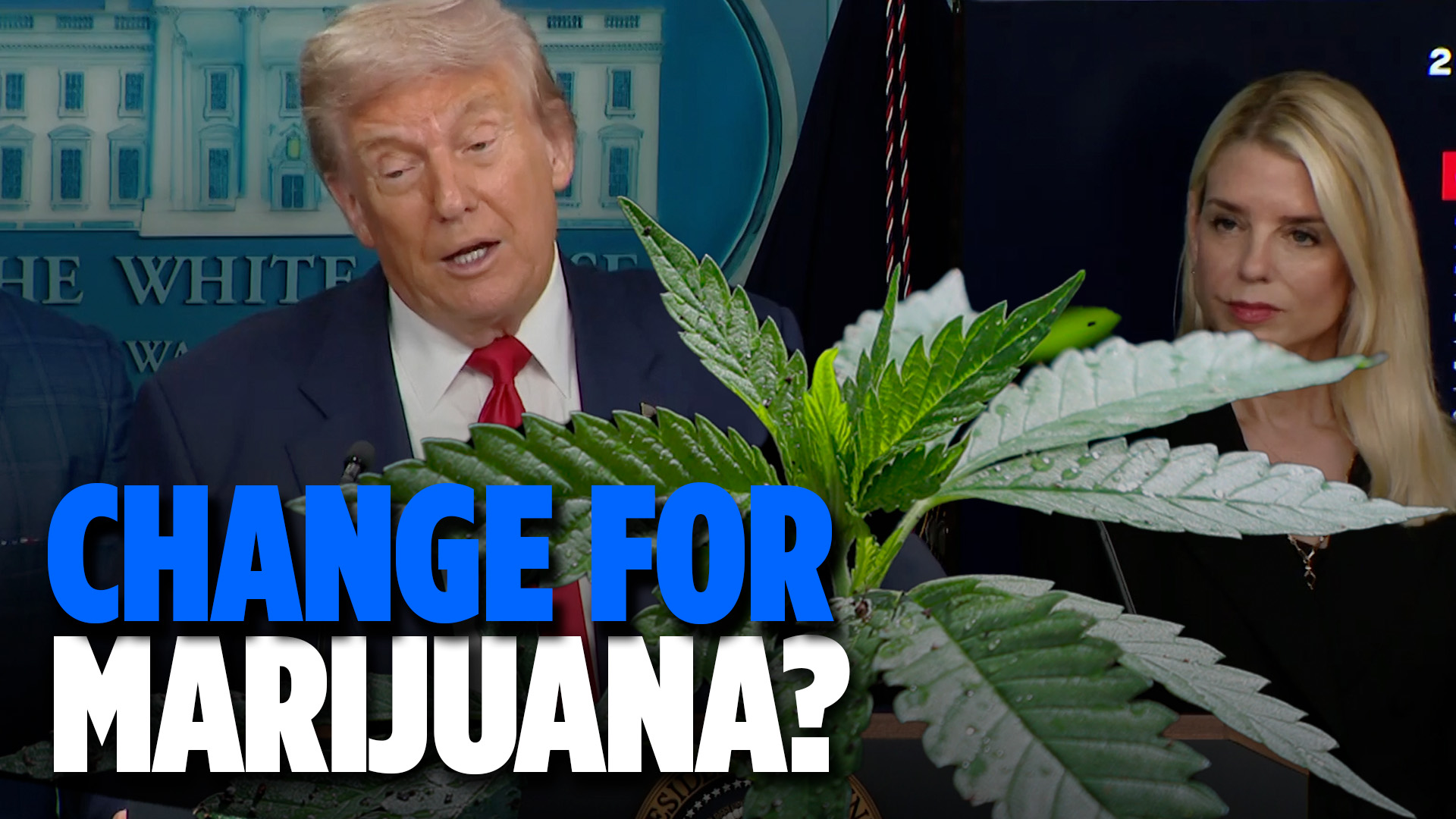
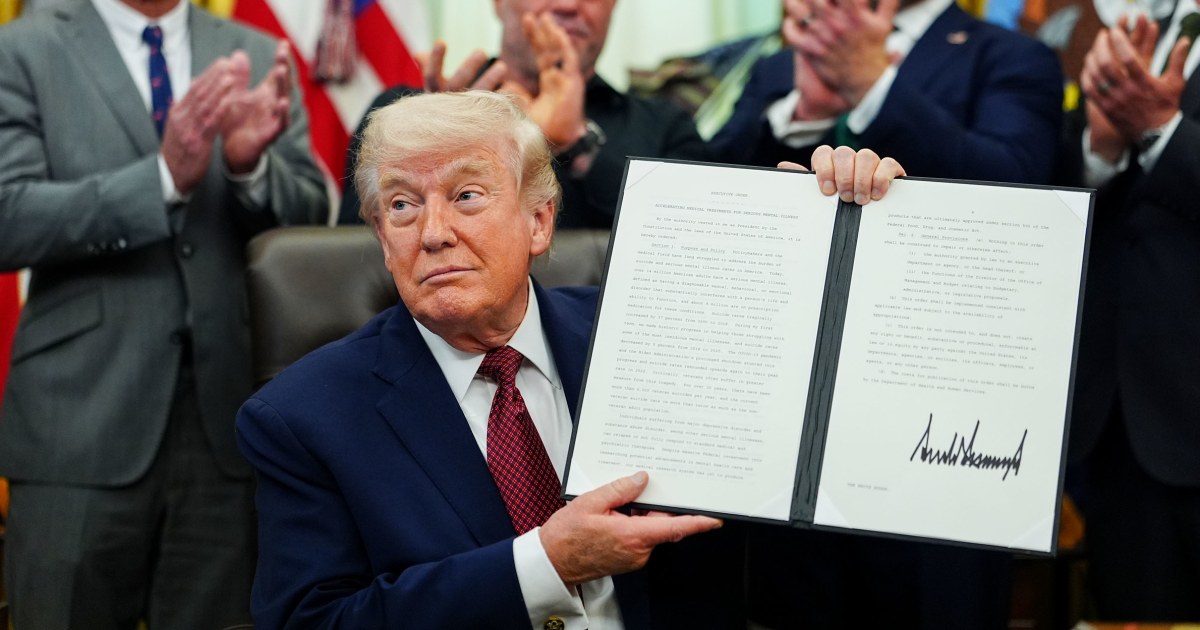
The Trump administration has taken a significant step toward marijuana reform by directing the Justice Department to reclassify cannabis from Schedule I to Schedule III under the Controlled Substances Act, placing it in the same category as prescription medications like ketamine and anabolic steroids. This landmark decision represents the most substantial federal policy change regarding marijuana in decades, though it stops short of full legalization for recreational use. The rescheduling acknowledges marijuana's accepted medical applications while maintaining federal restrictions on non-medical consumption and distribution.
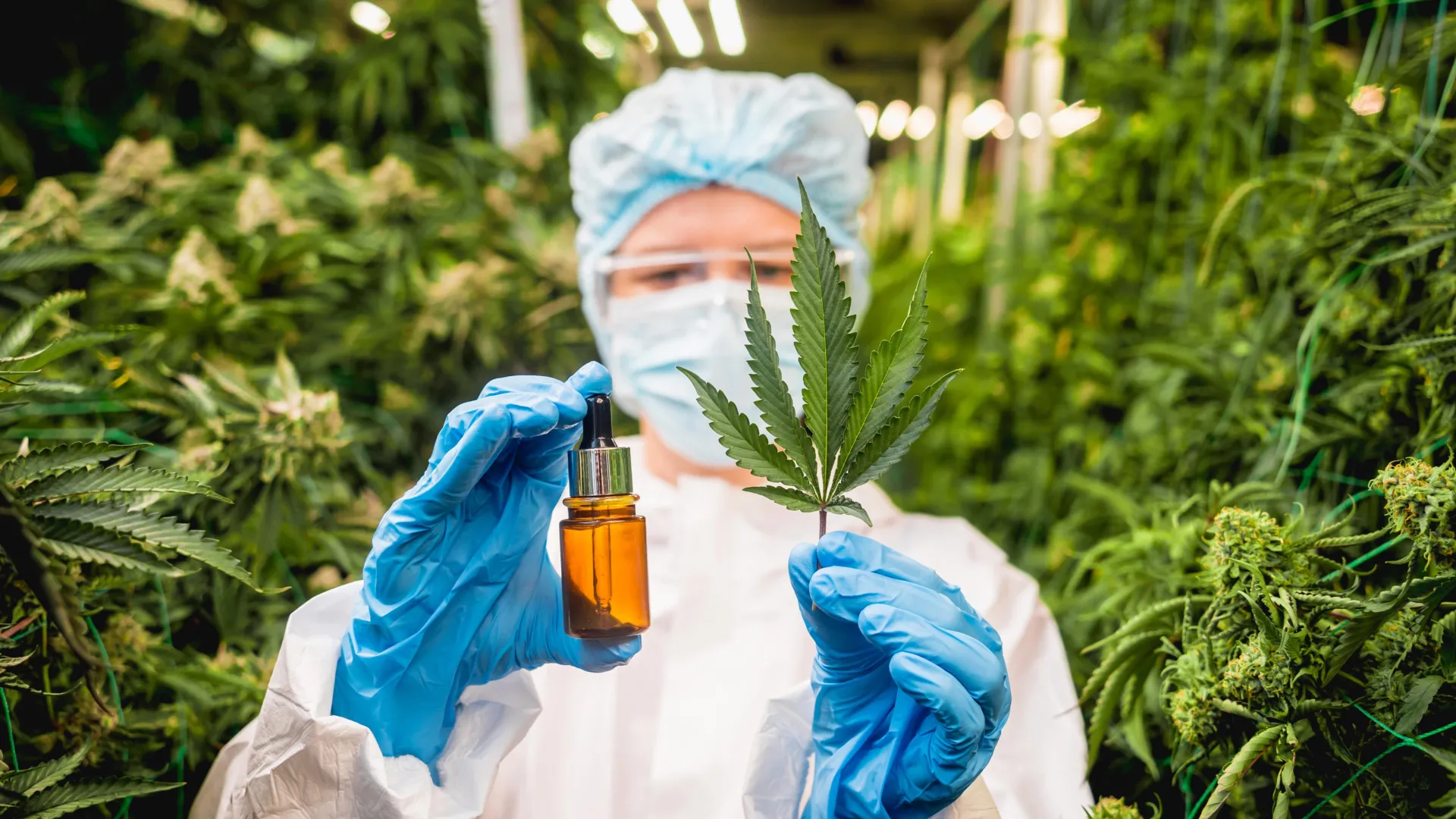
The reclassification has immediate implications for medical marijuana research and treatment, as Schedule III substances are recognized as having accepted medical uses with moderate to low potential for physical and psychological dependence. This change will likely facilitate expanded clinical research into cannabis-based therapies and may provide legal protections for patients using medical marijuana in states where it has been legalized. Healthcare providers will gain clearer guidelines for prescribing marijuana-based treatments, potentially improving access for patients with qualifying conditions.
Despite this progress, the order explicitly maintains federal prohibitions on recreational marijuana use, leaving intact criminal penalties for non-medical possession and distribution. This creates a complex legal landscape where medical use gains federal recognition while recreational use remains federally prohibited, even in states that have legalized adult-use cannabis. Legal experts predict this partial approach may lead to continued conflicts between state and federal enforcement priorities in the coming years.
The decision reflects evolving public opinion and growing acceptance of marijuana's medical benefits across the political spectrum. Recent polling shows majority support for marijuana legalization among Americans, with even stronger support for medical use specifically. The Trump administration's move appears calculated to address medical marijuana concerns while avoiding the more controversial step of full recreational legalization, potentially appealing to moderate voters who support medical access but remain hesitant about broader legalization.
This rescheduling decision will likely have significant economic and regulatory impacts on the emerging cannabis industry, particularly companies operating in the medical marijuana sector. The change may reduce some banking and financial service restrictions that have complicated legal cannabis businesses, while providing greater regulatory clarity for companies developing marijuana-based pharmaceuticals. However, the continued prohibition on recreational use means that significant portions of the cannabis industry will continue operating under the current complex patchwork of state and federal laws.