Hidden Driving Danger When Edible Cannabis and Alcohol Mix
Johns Hopkins research reveals that combining cannabis edibles with alcohol may impair drivers far more than either substance alone, while standard field sobriety tests often fail to detect the impairment.
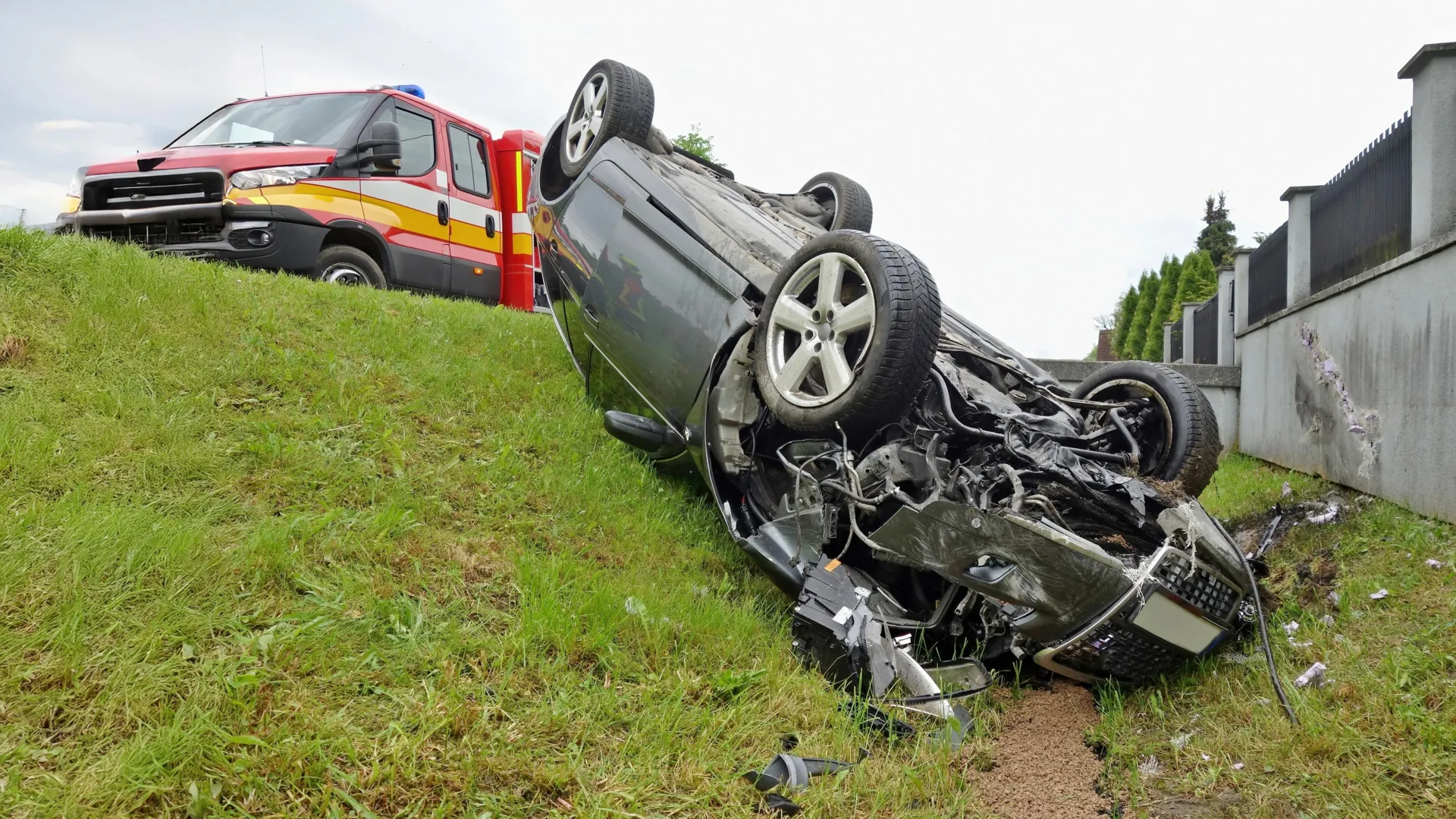
New research from Johns Hopkins Medicine suggests that combining cannabis edibles with alcohol can impair driving more than using either substance alone, while standard field sobriety tests often fail to detect cannabis-related impairment. The study, published in JAMA Network, found that the interaction between cannabis edibles and alcohol may be synergistic rather than merely additive, creating significantly greater driving impairment and raising concerns about current legal standards and roadside testing methods.
The findings underscore growing concerns about the risks of mixing cannabis and alcohol, particularly as cannabis legalization has expanded across many states. Lead author Austin Zamarripa, assistant professor of psychiatry and behavioral sciences at Johns Hopkins University School of Medicine, noted that "co-use of cannabis and alcohol produces significantly greater driving impairment and subjective intoxication than either substance alone." The research suggests that the legal alcohol intoxication threshold of 0.08% breath alcohol level may not adequately reflect driving impairment when alcohol is combined with cannabis.
To investigate how cannabis edibles and alcohol affect driving, researchers designed a tightly controlled study involving 30 healthy adults between ages 21 and 55. Participants attended multiple outpatient sessions where they received either cannabis brownies containing THC (10 or 25mg) or placebo brownies, along with either alcoholic beverages or placebo drinks. Alcohol doses were individually adjusted to produce breath alcohol concentrations of either 0.05% or 0.08%. The study required participants to have previously used both substances together within the past year.
Participants completed seven experimental sessions using driving simulators and performance assessments to measure impairment levels. The research revealed that combining cannabis edibles with alcohol created measurably greater driving impairment than either substance used independently. Particularly concerning was the finding that standard field sobriety tests frequently failed to detect cannabis-related impairment, whether cannabis was used alone or in combination with alcohol.
The study's implications extend beyond individual safety to broader questions about law enforcement capabilities and legal frameworks. The research suggests that current roadside testing methods may be inadequate for identifying impaired drivers who have used cannabis, particularly in combination with alcohol. This gap in detection capability could represent a significant public safety concern as cannabis use becomes more widespread and socially accepted, highlighting the need for improved testing methods and potentially revised legal standards for impairment assessment.