National Guard Has Done Little to Cut D.C. Violent Crime Despite $1.5 Million-a-Day Cost, Study Finds
A Niskanen Center analysis concludes Trump's troop deployment trimmed petty property crime but left violent crime essentially unchanged — an expensive tool aimed at the wrong problem.

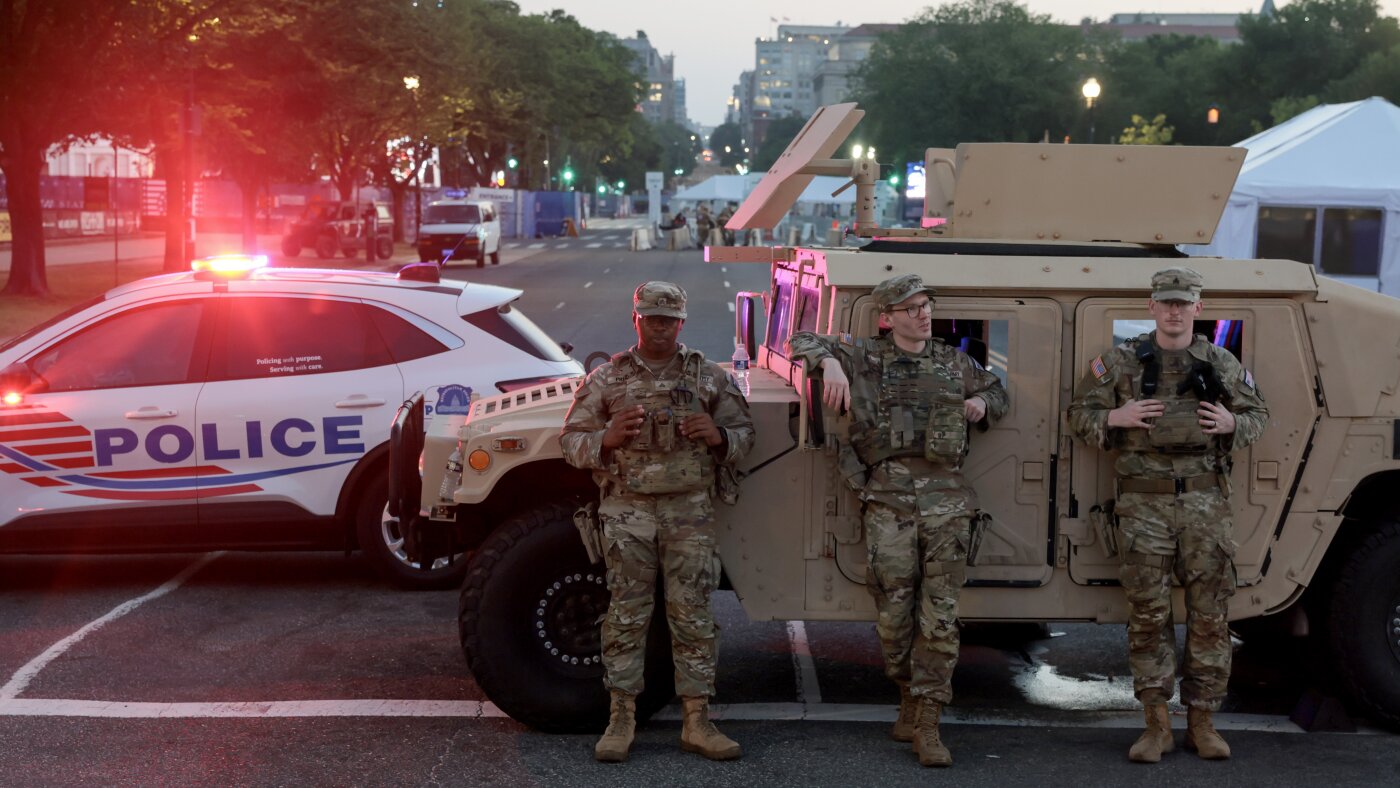
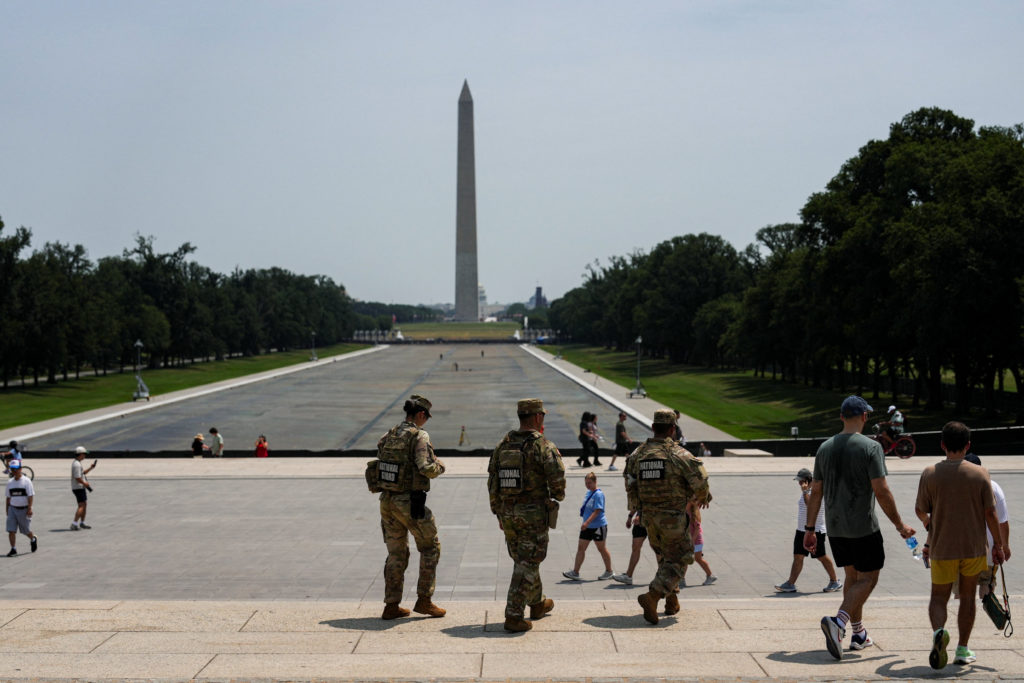
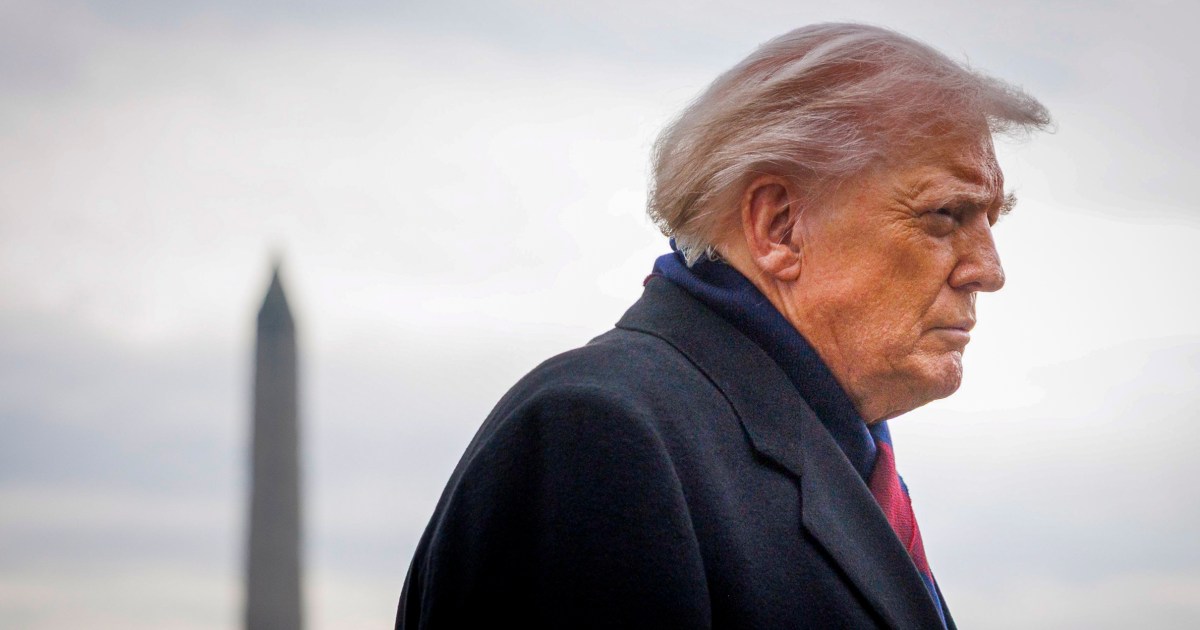
President Trump's deployment of the National Guard to Washington, D.C., has had little to no measurable effect on violent crime, even as it costs taxpayers roughly $1.5 million a day, according to a new analysis from the nonpartisan Niskanen Center.
The troops have been stationed in the capital since last August as part of a federal task force the president created to combat what he described as a crime emergency in Washington. The Niskanen researchers found that the deployment coincided with a 24% decline in "opportunistic" property crimes — offenses such as car break-ins and thefts that can be deterred by a visible uniformed presence. But on violent crime, the metric the administration most often cites to justify the operation, the study found essentially no impact.
The report casts the deployment as a costly mismatch between tool and problem. Researchers described the Guard as "an expensive tool" used "in the wrong places for the wrong types of crime." They noted that the federal government pays about $607 a day for each Guard member deployed in the District, compared with roughly $384 in daily pay for an officer of the Metropolitan Police Department — meaning the federal force costs substantially more per person than the city's own police while delivering less on the violent-crime measures that matter most.
A separate assessment by the nonpartisan Congressional Budget Office put the overall price tag at about $1.5 million per day for the current number of troops. Over the months the operation has run, that adds up to hundreds of millions of dollars, a figure critics say could have funded far more police officers, violence-interruption programs or social services targeted at the neighborhoods where shootings and homicides are concentrated.
The findings are likely to sharpen an already bitter political fight over the deployment. Trump and his allies have pointed to the drop in property crime and a visible sense of order in tourist-heavy parts of downtown as evidence the operation is working. District officials and many residents have bristled at the presence of armed soldiers on city streets, calling it federal overreach into the affairs of a city that has long sought greater self-governance.
The study lands amid a broader debate about the president's willingness to deploy the military domestically. Supporters argue a show of force restores order; opponents warn it sets a precedent for using soldiers as a substitute for local policing. The Niskanen analysis does not settle that argument, but it adds hard numbers to a question that has so far been dominated by rhetoric: for all its cost and visibility, the data suggest the Guard has done little to make Washington meaningfully safer from its most serious crimes.