Tufts AI System Matches Human Reasoning While Using 99% Less Energy Than Conventional Deep Learning
A neuro-symbolic architecture achieved 95% success on Tower of Hanoi vs. 34% for standard models, while training in 34 minutes instead of 36 hours.
Researchers at Tufts University announced in April a new artificial intelligence architecture that outperforms conventional systems on logical reasoning tasks while consuming just one percent of the energy during training and five percent during operation — a result the team says could fundamentally reshape how AI is deployed in robotics and resource-constrained environments as global concerns about AI energy consumption intensify.
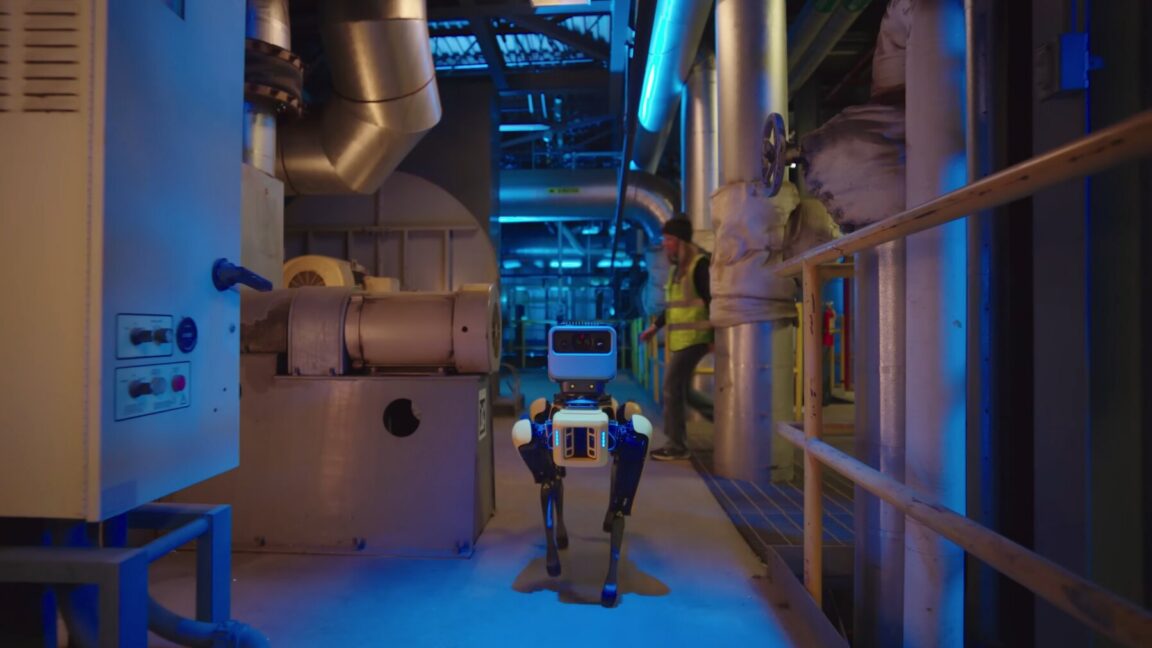
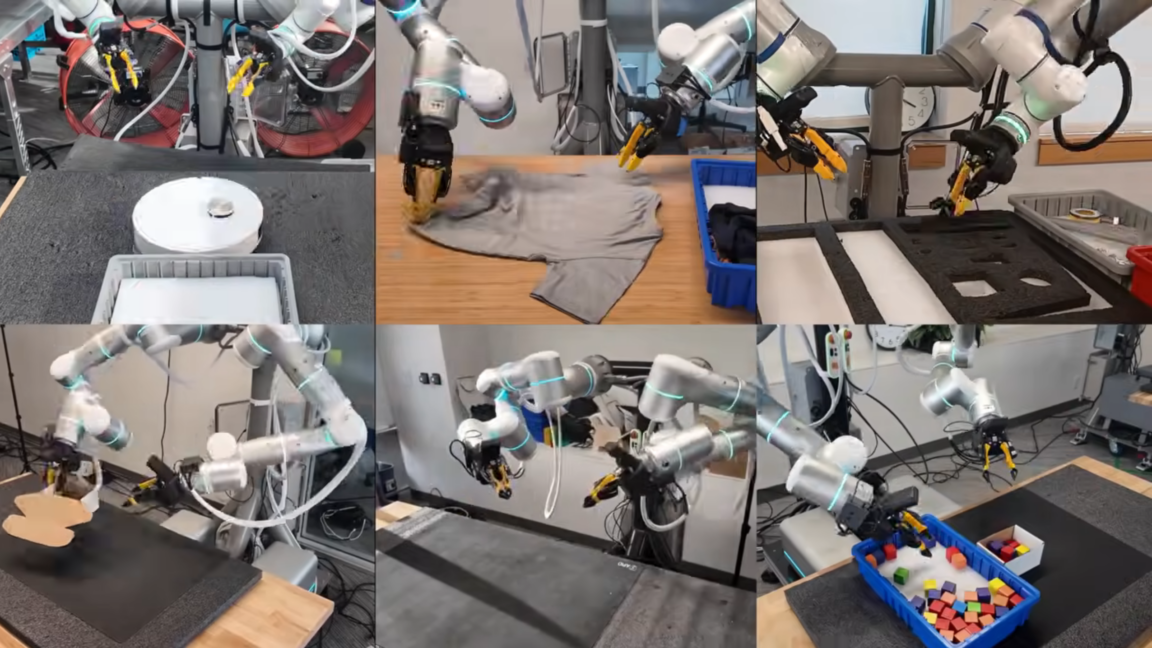
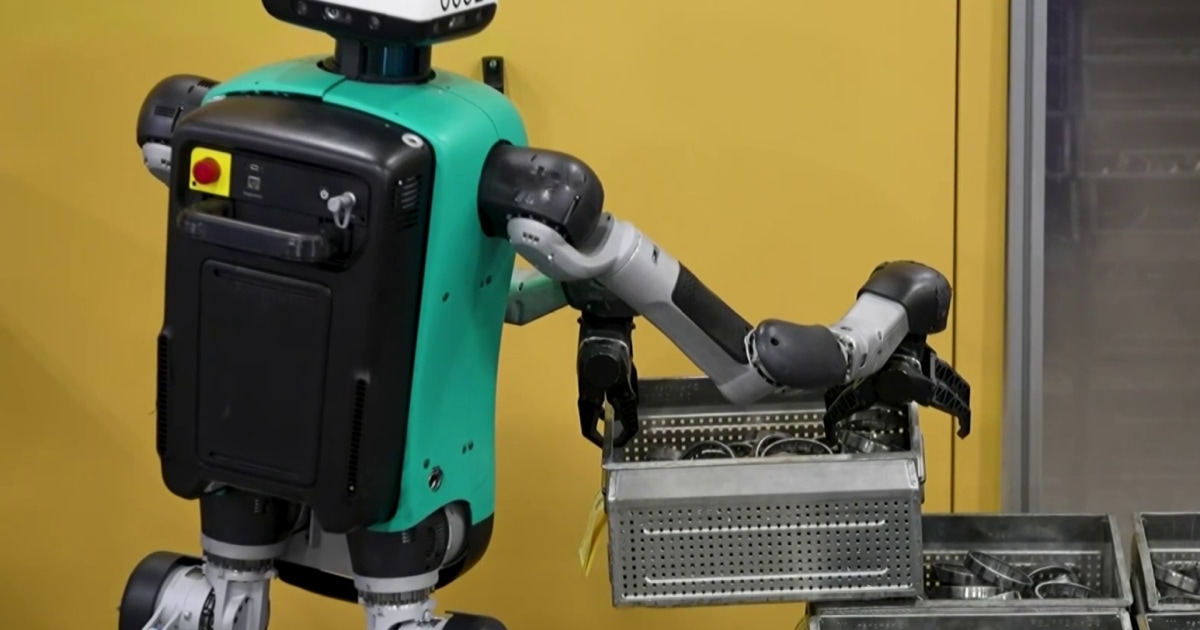
The system, developed by Matthias Scheutz, the Karol Family Applied Technology Professor at Tufts, and his colleagues, combines neural networks — the pattern-recognition backbone of systems like large language models — with symbolic reasoning engines that apply explicit logical rules to solve problems step by step. This neuro-symbolic hybrid approach, to be presented at the International Conference of Robotics and Automation in Vienna in May 2026, was applied to visual-language-action models that guide physical robots through complex tasks in unstructured environments.
The performance gap between the new approach and conventional deep learning systems was stark. On the Tower of Hanoi puzzle — a classic test of sequential logical reasoning that requires planning multiple moves ahead — the neuro-symbolic system achieved a 95 percent success rate, compared to 34 percent for a standard AI system trained on the same task with conventional methods. On entirely novel puzzle tasks the system had never encountered during training, it succeeded 78 percent of the time; conventional models succeeded zero percent of the time, unable to generalize beyond the specific examples in their training data. The neuro-symbolic system completed training in 34 minutes; its conventional counterpart required more than 36 hours to reach a lower level of performance.
The energy numbers were equally striking. AI and data center electricity consumption reached 415 terawatt-hours in 2024 — more than 10 percent of all U.S. electricity use — and demand is projected to double by 2030, straining power grids and complicating efforts to meet climate targets. The Tufts system consumed just one percent of the energy of a conventional AI system during the training phase and five percent during ongoing operation, without sacrificing — and in most cases dramatically improving — task performance.
Scheutz attributed the efficiency gains to the fundamental difference between rule-based reasoning and trial-and-error optimization. "A neuro-symbolic VLA can apply rules that limit trial and error during learning and reach solutions faster," he said. Traditional deep learning systems must run thousands or millions of randomized trial episodes to learn that a stack of blocks must be moved in a particular order; a symbolic reasoner recognizes the logical constraint immediately and plans accordingly. The result is a system that solves harder problems faster, uses far less energy, and generalizes to new tasks without retraining — addressing the three most significant limitations of current AI simultaneously.
The work has broader implications beyond robotics. As AI models become embedded in industrial control systems, medical devices, and consumer electronics, energy consumption and the ability to reason about novel situations in real time become critical constraints. The neuro-symbolic architecture addresses both simultaneously, suggesting a path toward AI systems that are both more capable and more sustainable than the dominant transformer-based paradigm that currently drives most commercial AI applications.