Scientists Finally Solve Mystery of Deep-Sea 'Golden Orb'
After more than two years of investigation, researchers identify the strange object found 2 miles deep as remains from a giant sea anemone.
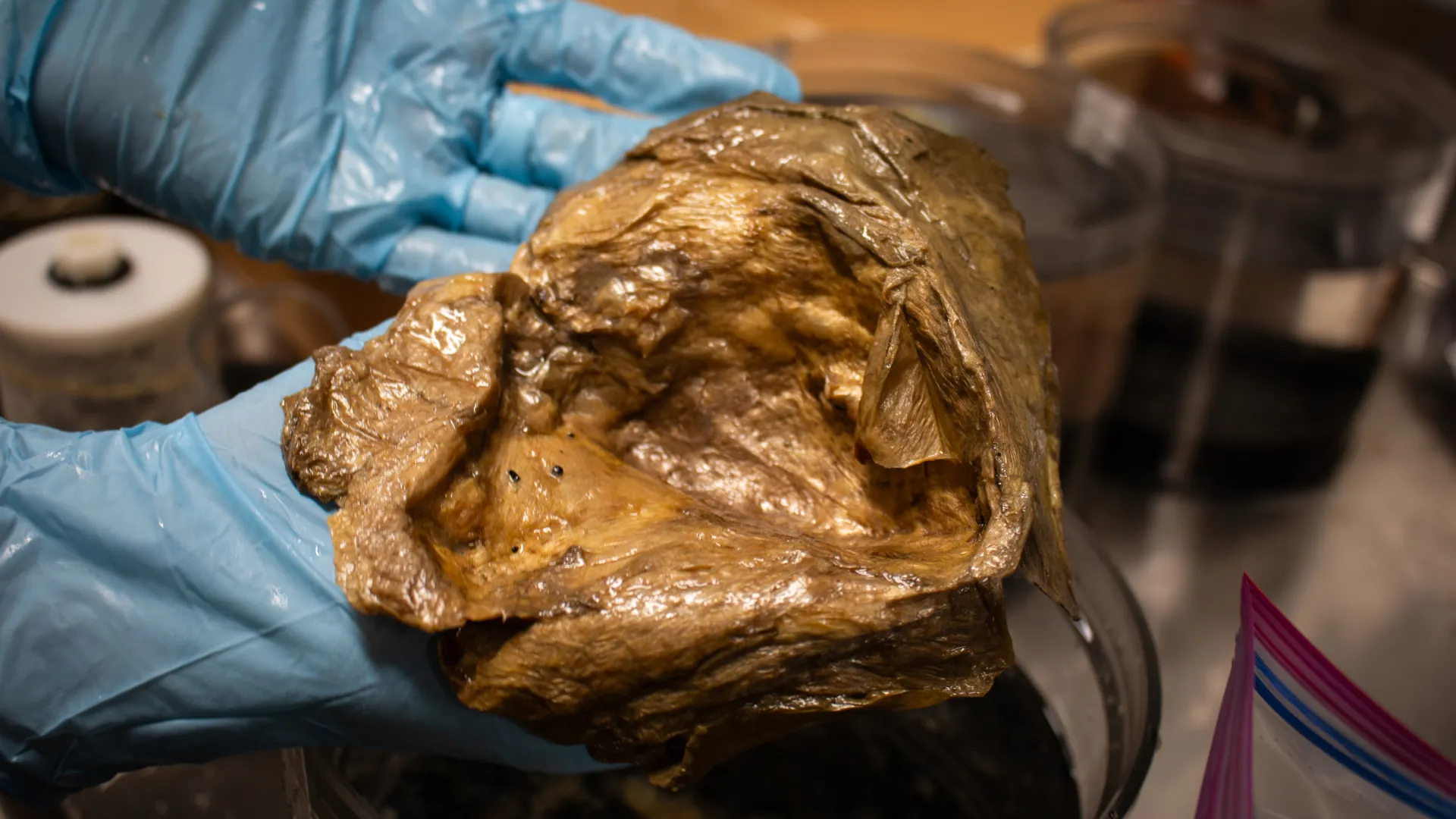
A mysterious "golden orb" that puzzled scientists for over two years after being discovered on the deep ocean floor has finally been identified as the remains of a giant deep-sea anemone. The strange, golden-colored object was found at a depth of 3,250 meters in the Gulf of Alaska during a 2023 NOAA expedition, sparking widespread curiosity and speculation about its origins.
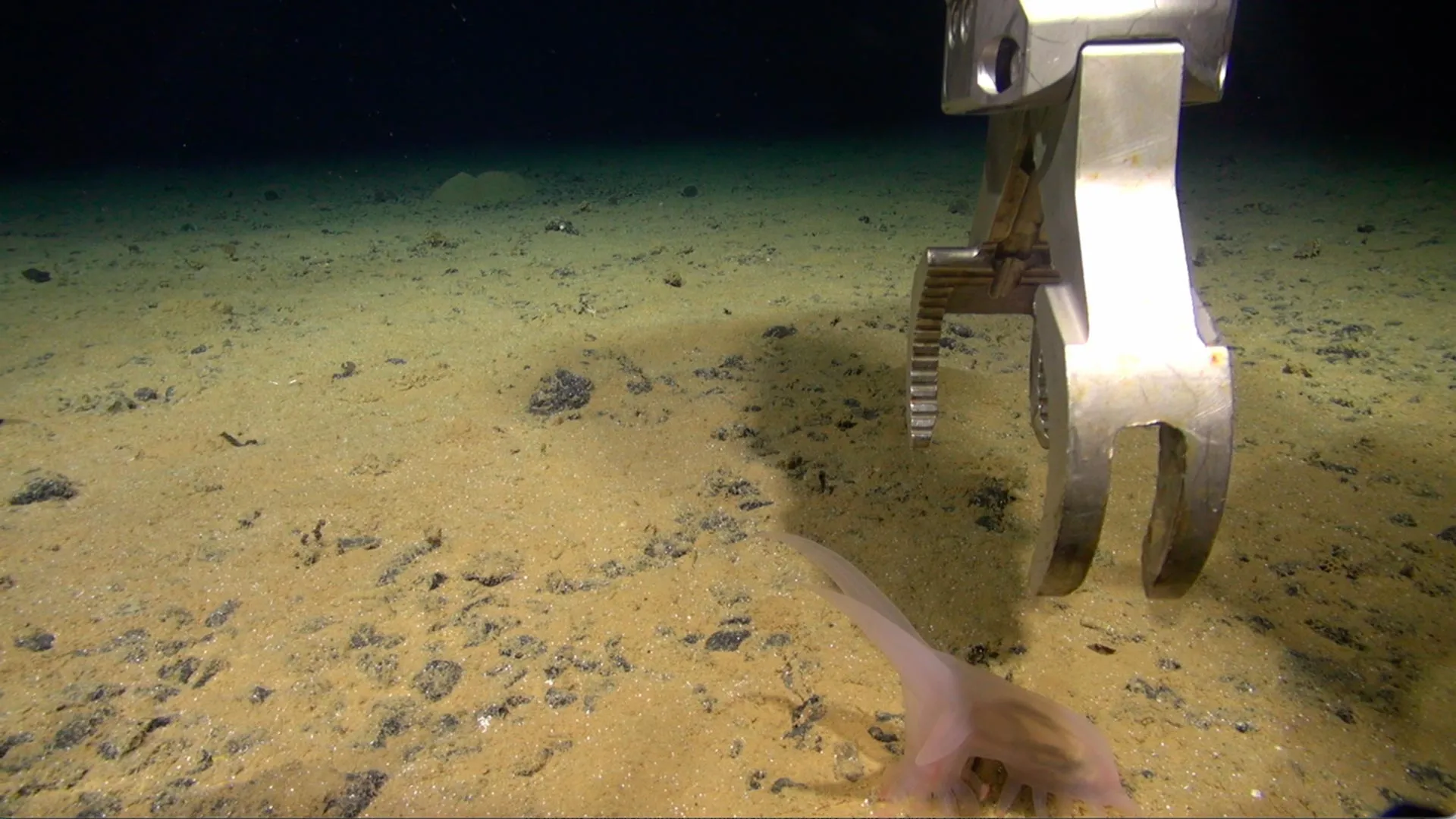
The unusual mass was collected by the remotely operated vehicle Deep Discoverer during exploration missions aboard NOAA Ship Okeanos Explorer. Initially, scientists were baffled by the object's appearance and composition, with early theories ranging from an egg case to a sponge or even something entirely unknown to science. The discovery captured public attention as researchers struggled to identify what appeared to be unlike anything previously documented.
After extensive analysis combining multiple scientific approaches, researchers from NOAA Fisheries and the Smithsonian National Museum of Natural History determined that the object was actually part of the base tissue from Relicanthus daphneae, a giant deep-sea anemone. The identification required sophisticated techniques including DNA sequencing, microscopic analysis, and specialized expertise in deep-sea biology and bioinformatics.
Allen Collins, a zoologist and director of NOAA Fisheries' National Systematics Laboratory, explained the complexity of the identification process: "We work on hundreds of different samples and I suspected that our routine processes would clarify the mystery, but this turned into a special case that required focused efforts and expertise of several different individuals."
The breakthrough came when researchers identified the presence of spirocysts, specialized stinging cells unique to hexacorals, the group that includes anemones. Further analysis confirmed that the golden orb consisted of fibrous layers packed with cnidocytes, the characteristic stinging cells found in cnidarians. The object represented the anchor-like base that these deep-sea anemones use to attach themselves to rocky surfaces on the seafloor, providing crucial insights into the biology and behavior of these rarely observed deep-ocean creatures.