800 Species Documented in Deep Pacific Survey as Carnivorous 'Death-Ball Sponge' Makes Headlines
A five-year, 160-day-at-sea expedition catalogued 788 species in the abyssal Pacific, while separate Southern Ocean and Argentine Basin surveys added dozens more potential new species.
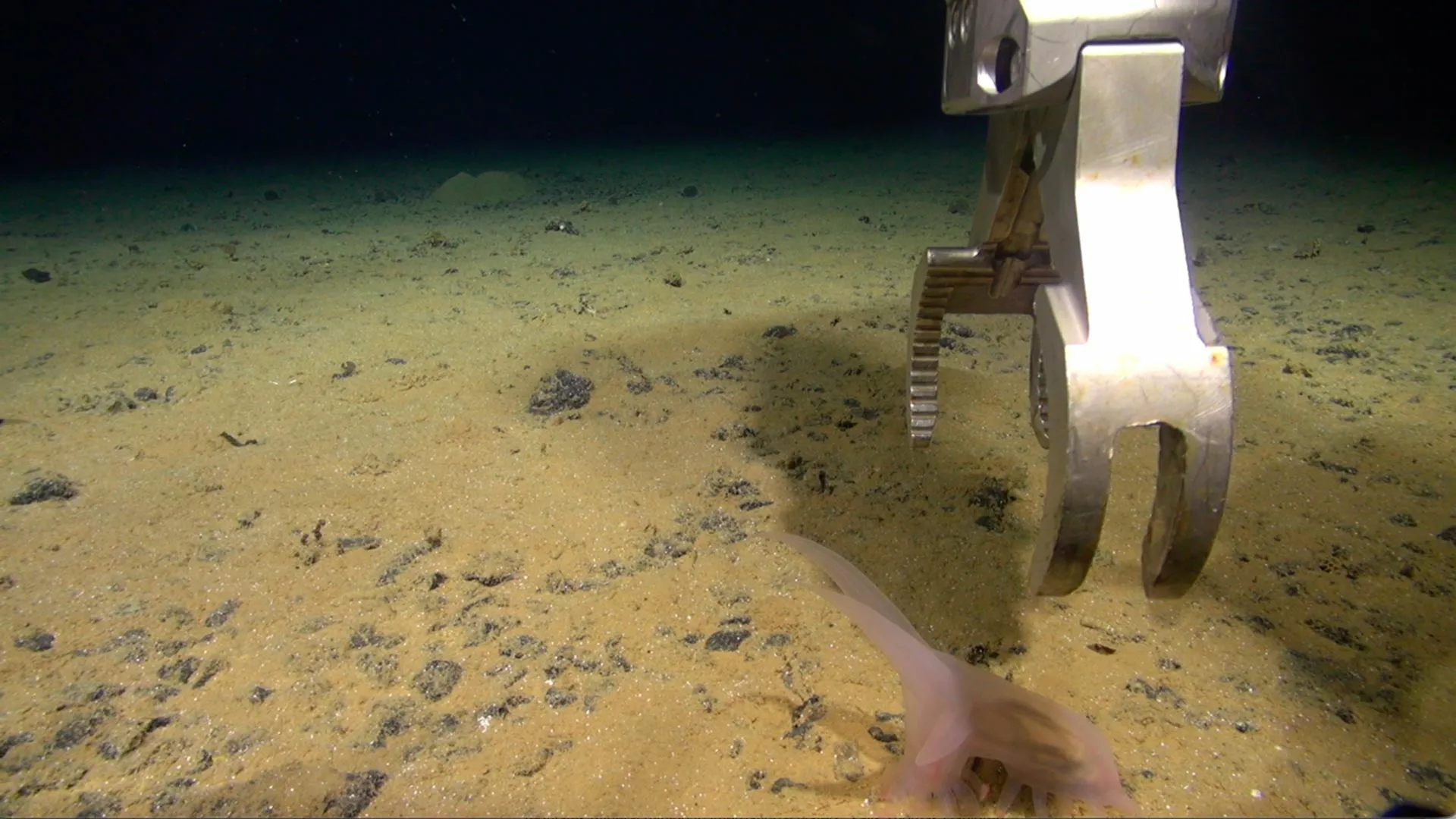
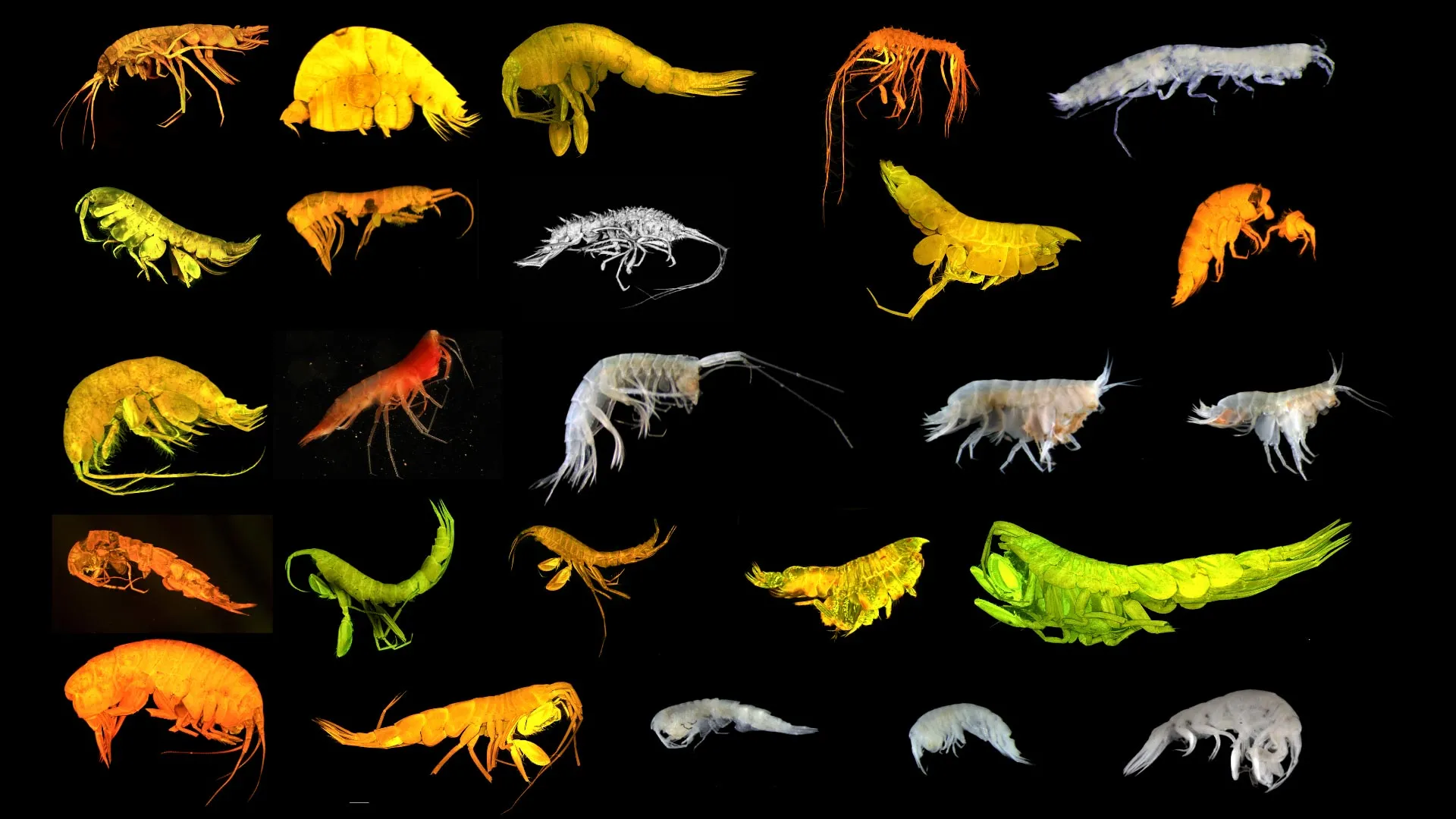
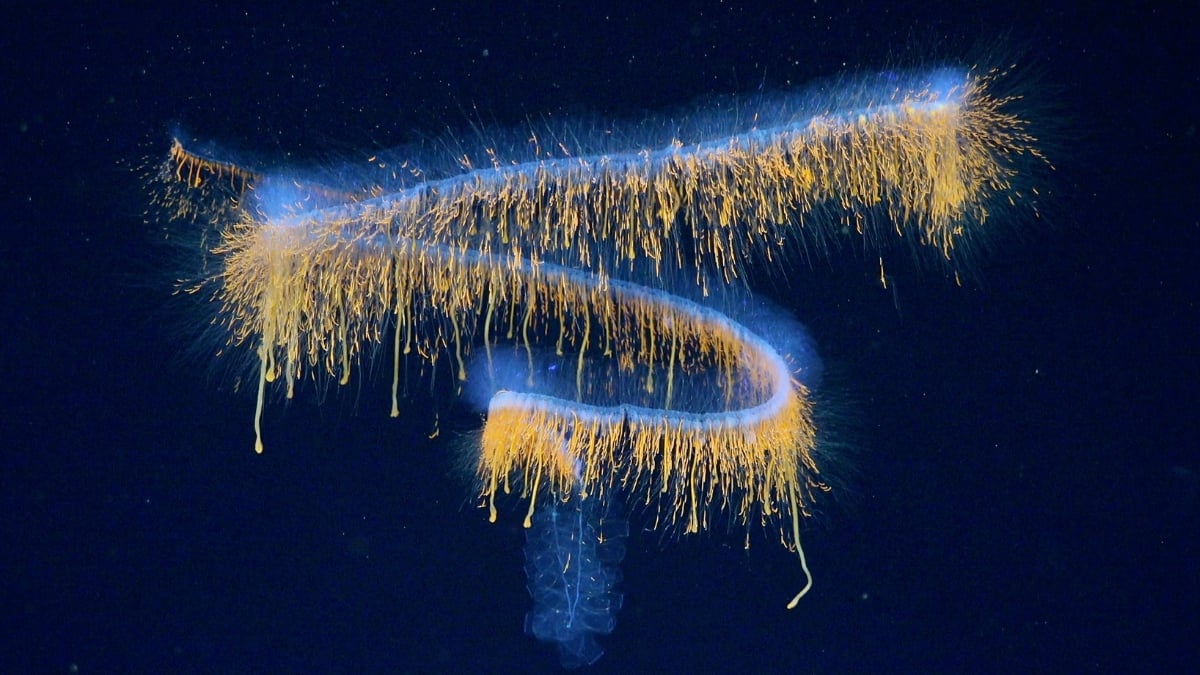
A sweeping five-year expedition to the deep Pacific seabed has documented nearly 800 species living in one of Earth's most extreme environments, with scientists describing the findings as one of the most comprehensive surveys of deep-ocean biodiversity ever conducted. The 160-day-at-sea mission catalogued 788 species from the abyssal and hadal zones of the Pacific, including large numbers of marine bristle worms, crustaceans, and mollusks that are either entirely unknown to science or represent the first recorded observations of known species in that particular region. Scientists from multiple international institutions collaborated on the research, which is reshaping understanding of how life thrives in conditions once thought too hostile to support it.
Separately, researchers working in the Argentine Basin in the South Atlantic identified 28 additional possible new species — including sea snails, urchins, anemones, and worms — living within the largest known colony of Bathelia candida coral, a reef structure spanning an area nearly the size of Vatican City. The deep-sea coral provides a three-dimensional habitat that supports a community of organisms far more diverse than the surrounding seafloor, raising important questions about the role of reef structures as biodiversity hotspots in an otherwise sparse deep-ocean environment.
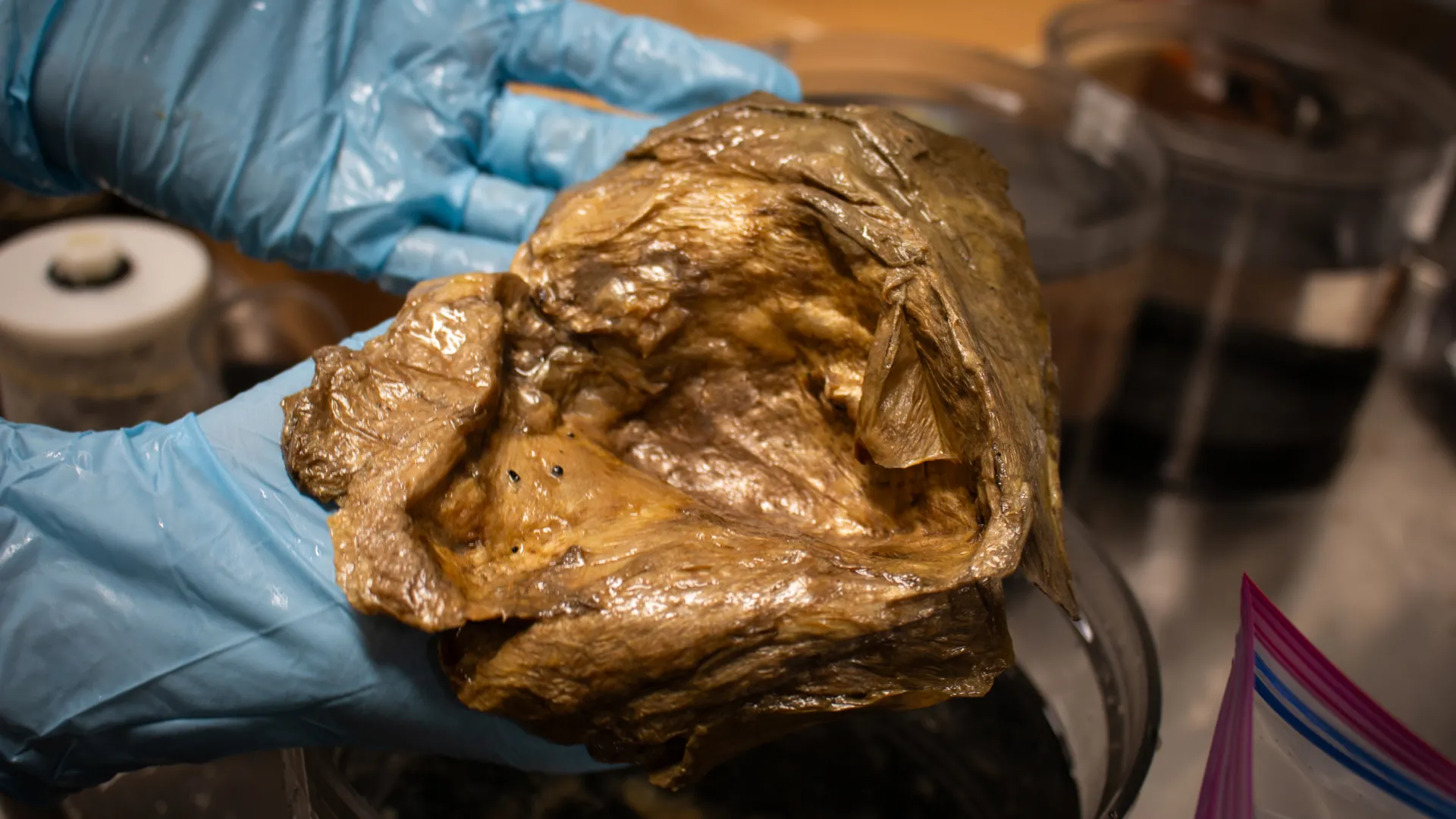
In the Southern Ocean, the Ocean Census project — a multinational initiative to document the full scope of marine biodiversity — added 30 new deep-sea species to the scientific record in a single expedition. Among the most striking finds was a carnivorous sponge that researchers informally dubbed the 'death-ball sponge' for its spherical shape and predatory feeding behavior. Unlike the filter-feeding sponges familiar from shallow-water marine environments, the new species uses specialized filaments to trap small crustaceans and other invertebrates that wander too close. Deep-sea carnivorous sponges are known from other ocean basins but are rarely described in the Southern Ocean, making the find scientifically valuable for understanding how different ocean environments have shaped the evolution of these ancient animals.
One deep-sea discovery this year generated unusual public attention. A rare chiton — a primitive armored mollusk — found nearly three miles beneath the ocean surface was submitted for public naming through an online campaign that drew more than 8,000 suggestions. Scientists at the Natural History Museum of Los Angeles County and collaborating institutions reviewed the submissions and selected Ferreiraella populi, meaning 'of the people,' as the official scientific name, honoring both the Brazilian researcher who described the species and the broader community that participated in the naming effort. The species lives in the Clarion-Clipperton Zone, a region of the Pacific seafloor that is the subject of intense interest from deep-sea mining companies, adding a conservation dimension to its scientific significance.
The cumulative scale of these discoveries has prompted renewed calls from marine biologists for accelerated baseline surveys of the deep ocean before industrial seabed mining begins in earnest. The International Seabed Authority is expected to finalize regulations for commercial mining operations in international waters within the next few years, and scientists argue that the pace of species discovery — hundreds of new organisms being found every year — demonstrates that the ecological risks of disturbing these environments are not yet adequately understood. 'We are still in the earliest stages of learning what lives down there,' said one researcher involved in the Pacific survey. 'Every new expedition changes what we thought we knew about the limits of life.'