Science
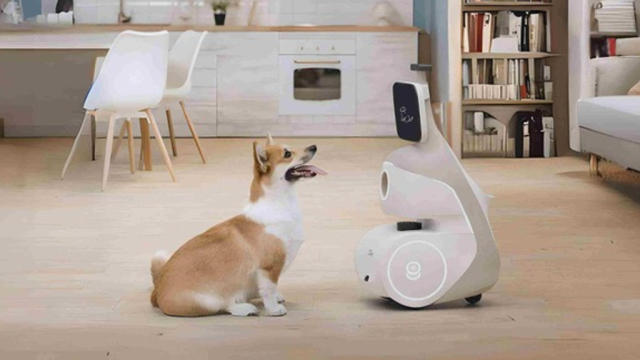
AI Technology Emerges as Game-Changer for Finding Lost Pets, Helping Families Reunite
Pet recovery success stories highlight artificial intelligence as a breakthrough tool in animal welfare, with advocates calling it "a real win."
Section
Science news: space, biology, climate, medicine and the research changing how we live.
Pet recovery success stories highlight artificial intelligence as a breakthrough tool in animal welfare, with advocates calling it "a real win."
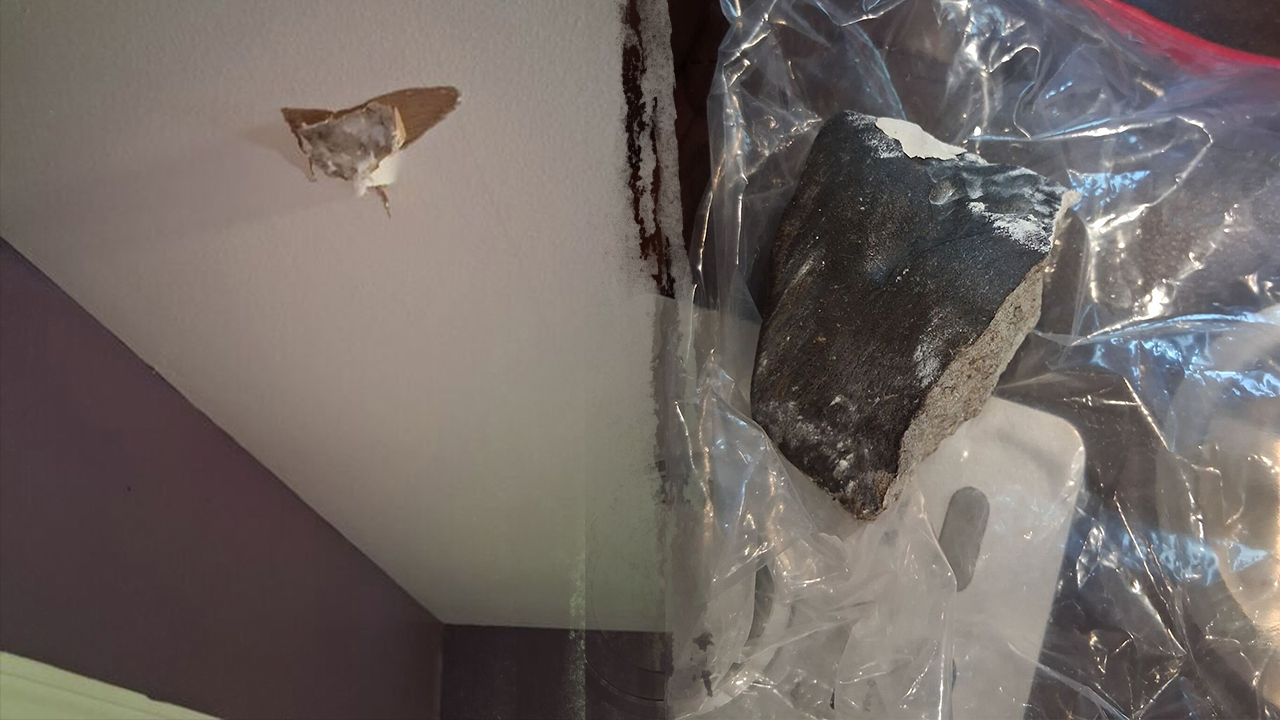
A suspected meteorite left a football-sized hole after a loud blast rattled residents across the Houston region, highlighting the ongoing mystery of space debris impacts.

MangroveGS, developed at the University of Geneva, analyzes hundreds of gene expression signatures to predict metastatic risk in colon, stomach, lung, and breast cancers with roughly 80 percent accuracy, revealing that cancer spread follows conserved biological programs rather than random mutations.
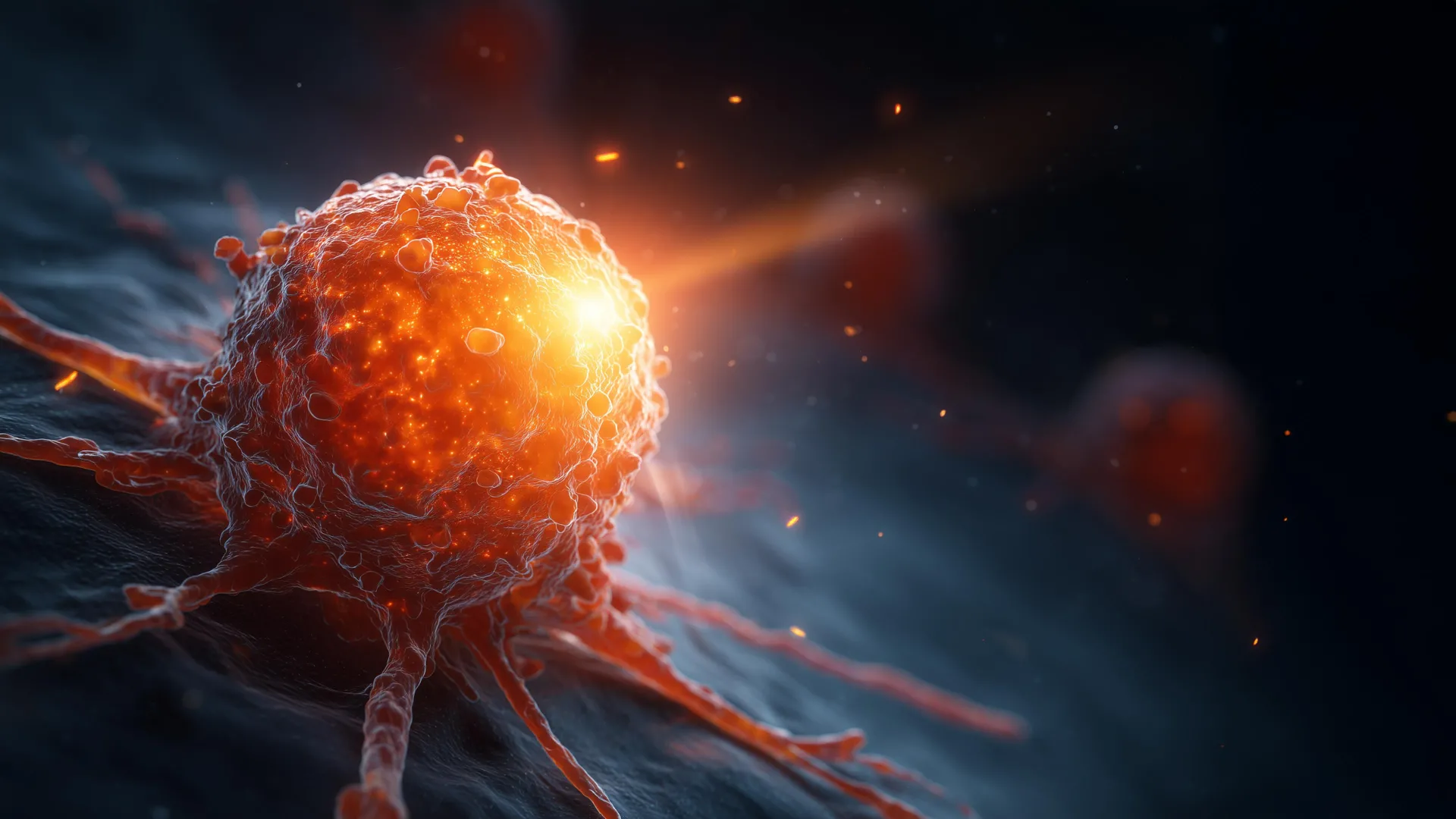
A team at Shandong University modified the probiotic bacterium E. coli Nissle 1917 to seek out breast cancer tumors in mice, colonize them, and produce the FDA-approved drug Romidepsin directly at the tumor site — opening a potential new path for targeted chemotherapy with fewer systemic side effects.

Researchers using the James Webb Space Telescope identified L 98-59 d, 35 light-years away, as the first confirmed member of a new planetary class — a 'magma world' with a sulfur-rich atmosphere and a globe-spanning molten rock interior that has never stopped burning.
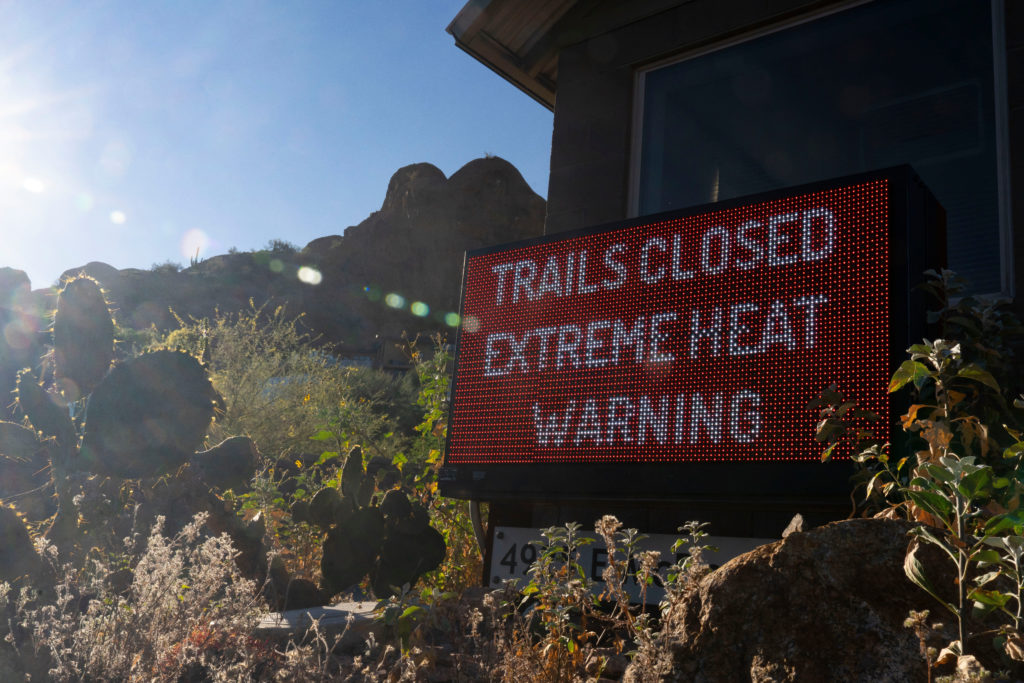
An extreme high-pressure system locked over the Southwest shattered all-time March temperature records and killed at least four people; a rapid attribution study found climate change added up to 7.2°F to the event.

Using silver nanocubes arranged just 10 nanometers above a gold surface to concentrate light through plasmonics, a Duke University team created a room-temperature photodetector operating at 2.8 gigahertz — hundreds to thousands of times faster than any previous thermal sensor — with transformative potential for medical imaging, precision agriculture, and space exploration.
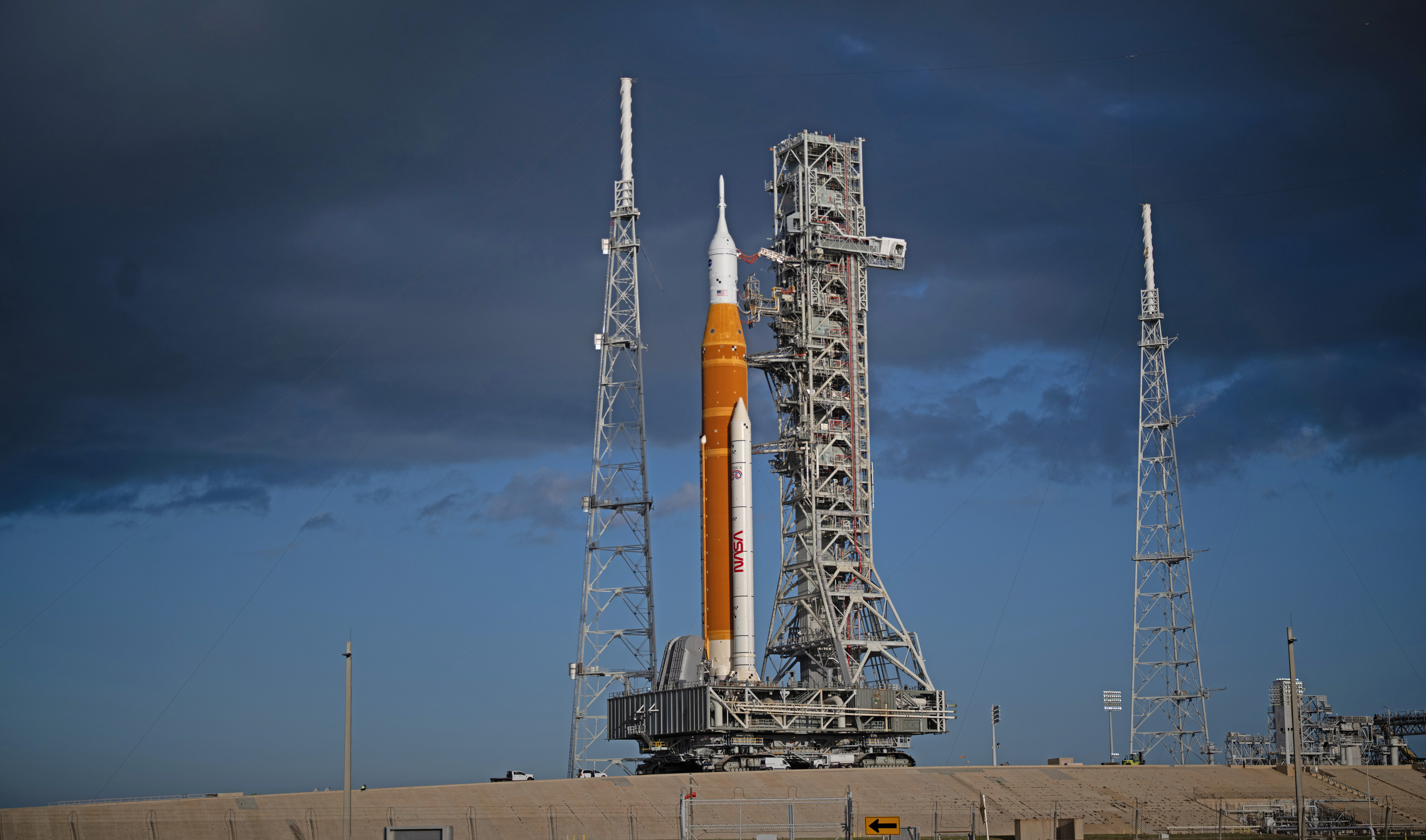
After an 11-hour crawl from the Vehicle Assembly Building, the Space Launch System rocket and Orion capsule arrived at Pad 39B Friday with four astronauts in quarantine — on track for a launch that will send humans farther from Earth than any mission in more than 50 years.
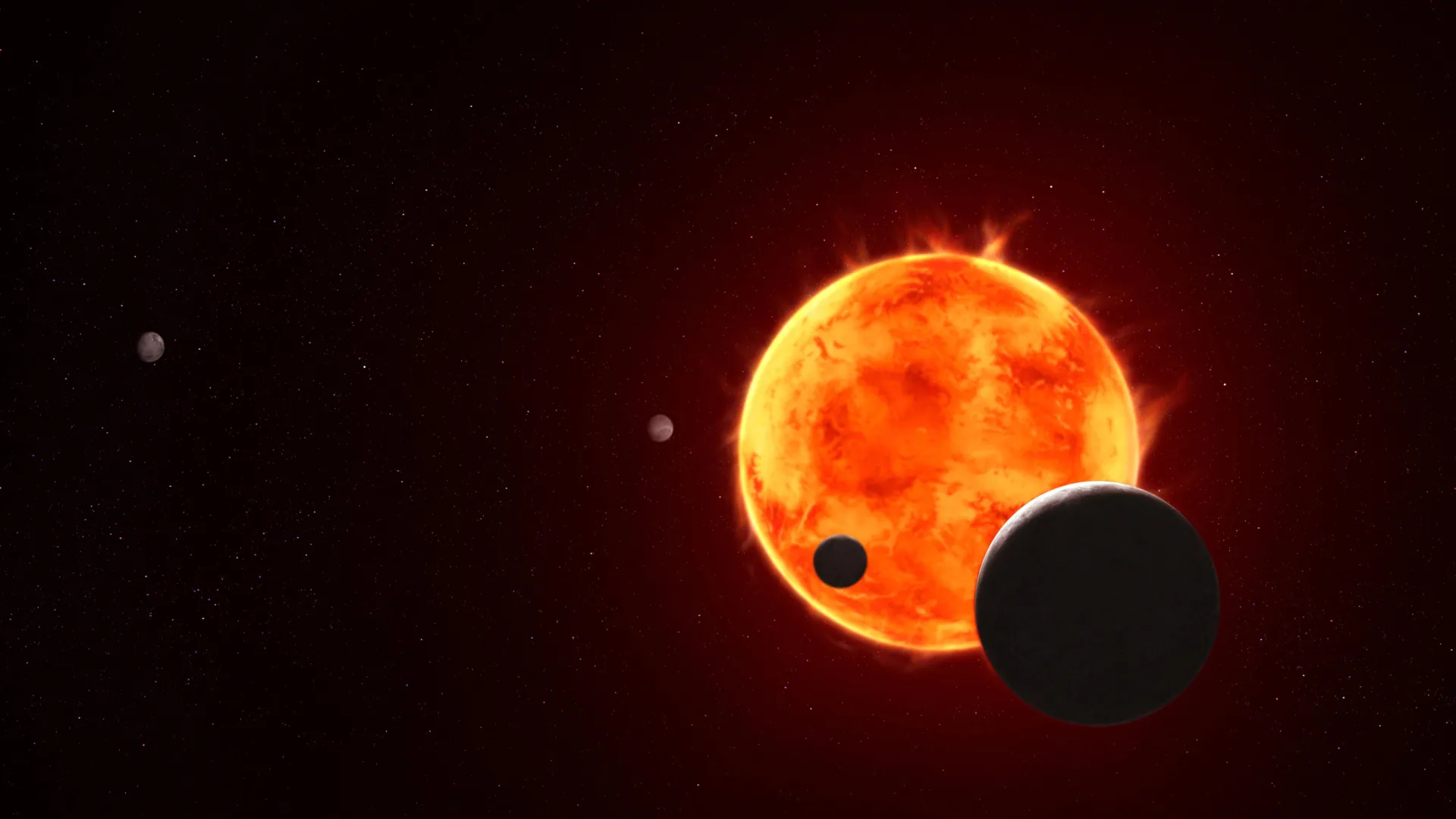
A University of Arizona team led by Sukrit Ranjan observed faint methane signatures across four transits of TRAPPIST-1e using Webb's Near-Infrared Spectrograph — results that, if confirmed, would mark the first-ever detection of an atmosphere on a potentially habitable world beyond our solar system.

SuperCDMS SNOLAB, the world's most sensitive light dark matter detector, has completed cooldown 2,070 meters underground in Canada and will begin collecting scientific data in mid-2026, joining the global effort to finally identify what most of the universe is made of.

Rockefeller University's redesigned CD40 therapy achieved complete remission in two of 12 patients with metastatic cancer

NASA's JWST captures the Exposed Cranium Nebula 5,000 light-years away.