Artemis II Crew Returns After Setting Record as Farthest-Traveled Humans in History
The four-person NASA crew traveled 252,756 miles from Earth — 4,111 miles beyond the Apollo 13 record — and photographed the lunar far side that no human eyes had ever directly seen.
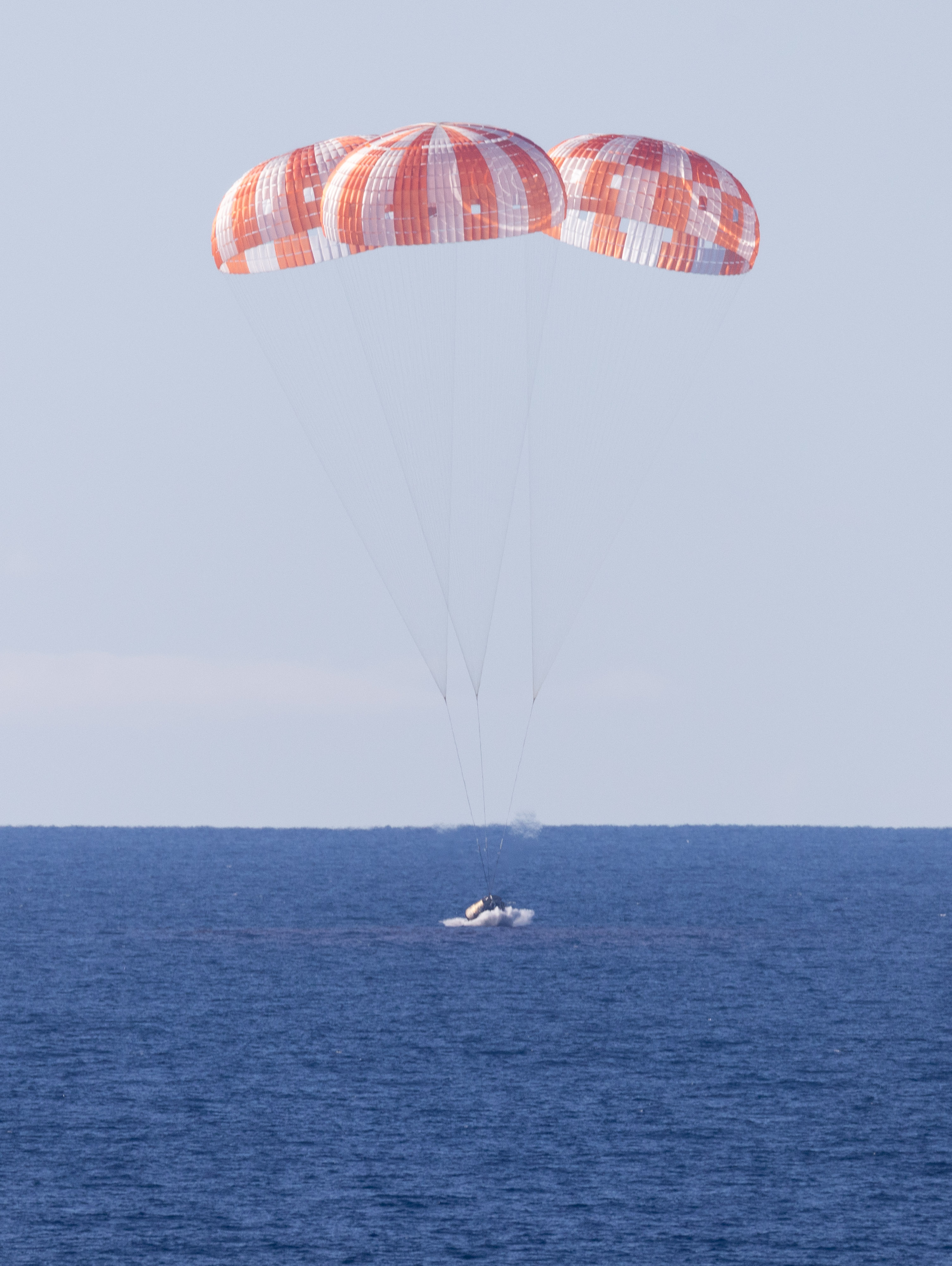
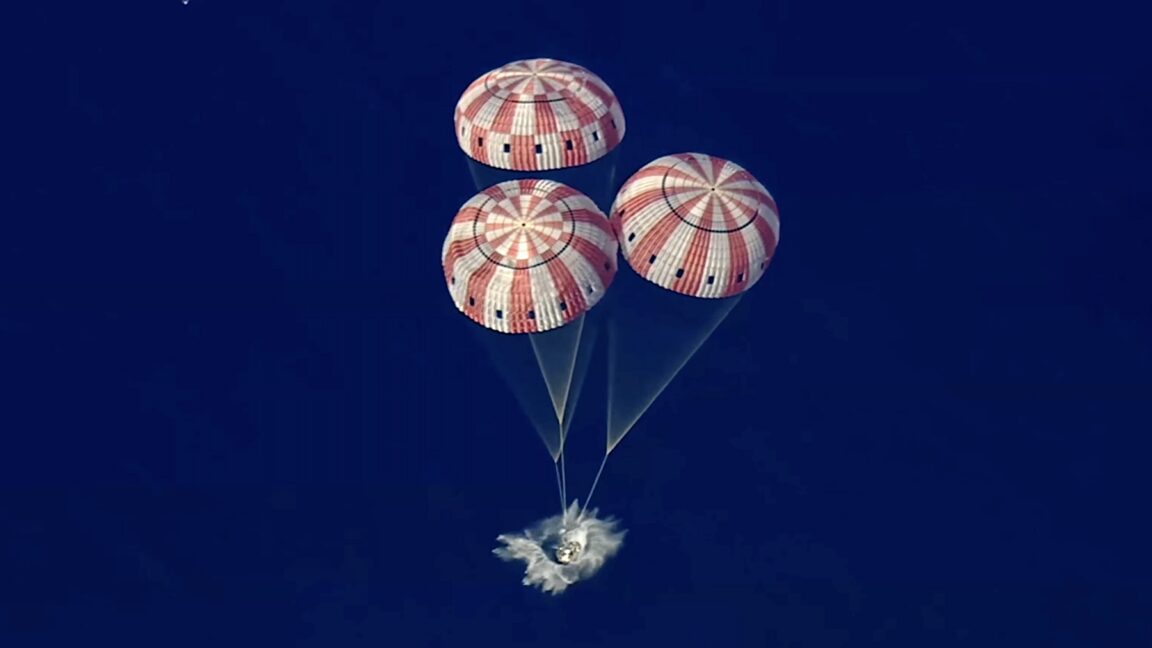
Four astronauts returned to Earth this week after completing the most distant human journey in history, splashing down safely in the Pacific Ocean off San Diego on April 10 following a nine-day voyage that carried them farther from our planet than any humans have ever traveled. The Artemis II mission, NASA's first crewed flight beyond low Earth orbit in more than fifty years, set records on multiple fronts and provided the clearest proof yet that humanity is on a credible path back to the Moon — and beyond.
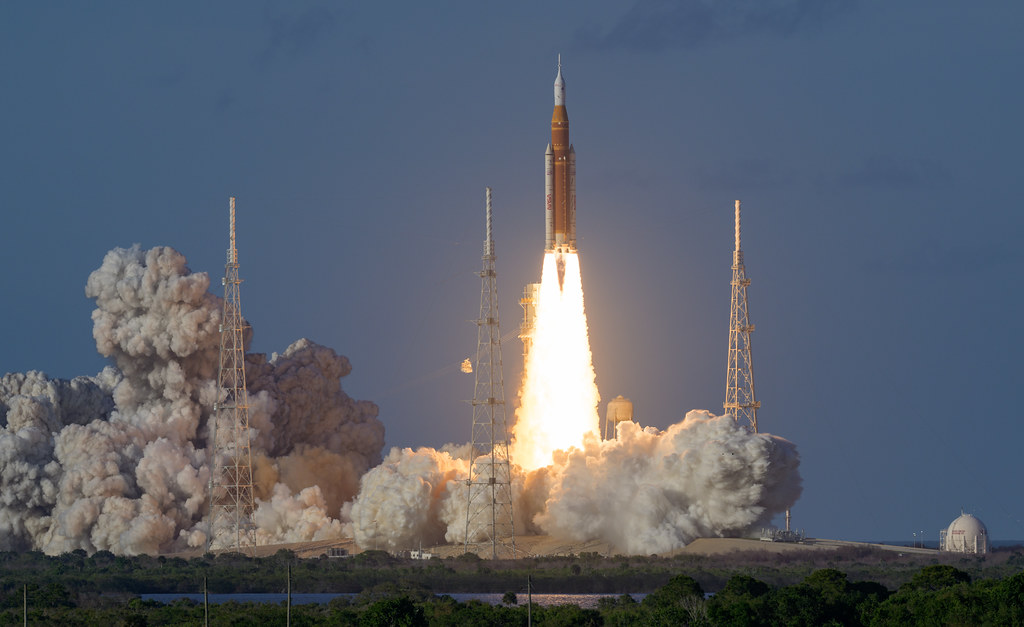
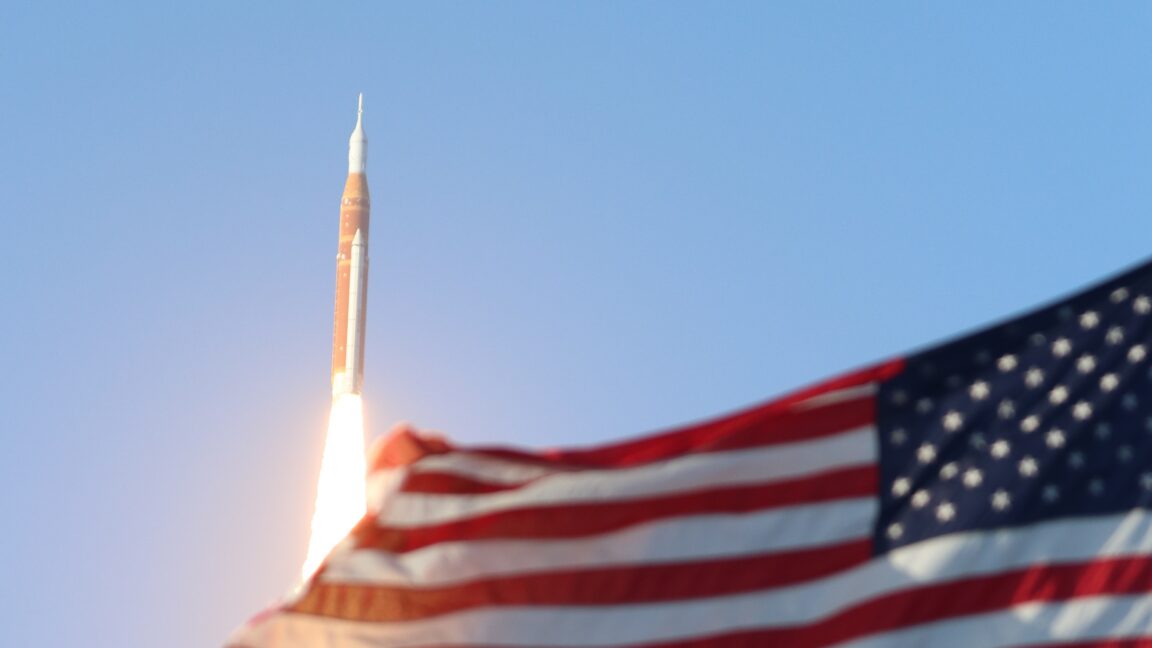
The crew — Commander Reid Wiseman, Pilot Victor Glover, Mission Specialist Christina Koch, and Canadian Space Agency astronaut Jeremy Hansen — launched April 1 from Kennedy Space Center's Launch Pad 39B atop the Space Launch System rocket, which generated 8.8 million pounds of thrust at liftoff. Five days into the mission, on April 6, the Orion capsule reached a maximum distance of 252,756 miles from Earth — surpassing the previous record set by the Apollo 13 crew in 1970 by 4,111 miles. At that moment, Wiseman, Glover, Koch, and Hansen became the farthest-traveled humans in the history of the species.
The mission's closest lunar approach brought the crew to 4,067 miles above the Moon's surface — close enough for detailed visual observation but not a landing, which is planned for the subsequent Artemis III mission. During the lunar flyby, the crew observed and photographed earthrise and earthset from the perspective of cislunar space, documented meteoroid impact flashes lighting up the Moon's night side, captured a solar eclipse from space, and photographed the lunar far side in detail — terrain that no human eyes had ever seen directly before, only in photographs taken by robotic probes. Over the course of the mission, the crew captured more than 7,000 photographs.
NASA Administrator Jared Isaacman greeted the crew at their recovery: "Reid, Victor, Christina, and Jeremy, welcome home, and congratulations on a truly historic achievement." NASA Associate Administrator Amit Kshatriya offered a statement with an eye toward the future: "Fifty-three years ago, humanity left the Moon. This time, we returned to stay." The splashdown at 5:07 p.m. PDT was watched live by hundreds of thousands of viewers on NASA's streaming channels, and the Orion capsule's heat shield — the largest ever flown — performed flawlessly on reentry.
The Artemis program has faced significant delays and cost overruns since its inception, drawing scrutiny from Congress and outside auditors. But the success of Artemis II has broadly reinvigorated support for the program and for NASA's long-term lunar ambitions, which include establishing a permanent lunar Gateway space station in lunar orbit. Artemis III, which will attempt the first crewed lunar landing since Apollo 17 in December 1972, is currently targeting a launch no earlier than 2027. The mission will use a modified SpaceX Starship as the human landing system — a vehicle that itself has yet to complete a fully successful uncrewed test flight to the lunar surface.
The crew's Canadian member, Jeremy Hansen, became the first Canadian to travel beyond low Earth orbit, a milestone that drew significant celebration from the Canadian Space Agency and from Prime Minister Mark Carney, who called it "a proud day for Canada and for all of humanity." Victor Glover, who served as pilot, became the first African American to fly beyond Earth orbit. The mission has been widely celebrated as a proof of concept that the constellation of new technologies enabling Artemis — from the SLS rocket to the Orion capsule to the advanced life support systems — are mission-ready for the Moon.