Scientists Discover Targeted Toothpaste That Fights Gum Disease Without Harming Good Bacteria
A new approach blocks only harmful microbes that cause periodontitis while allowing beneficial bacteria to thrive and restore natural balance.

Scientists at the Fraunhofer Institute have developed a revolutionary approach to fighting gum disease that specifically targets harmful bacteria while preserving the mouth's beneficial microbial community. This breakthrough represents a major shift from traditional treatments that indiscriminately kill both good and bad bacteria, potentially leading to better long-term oral health outcomes.
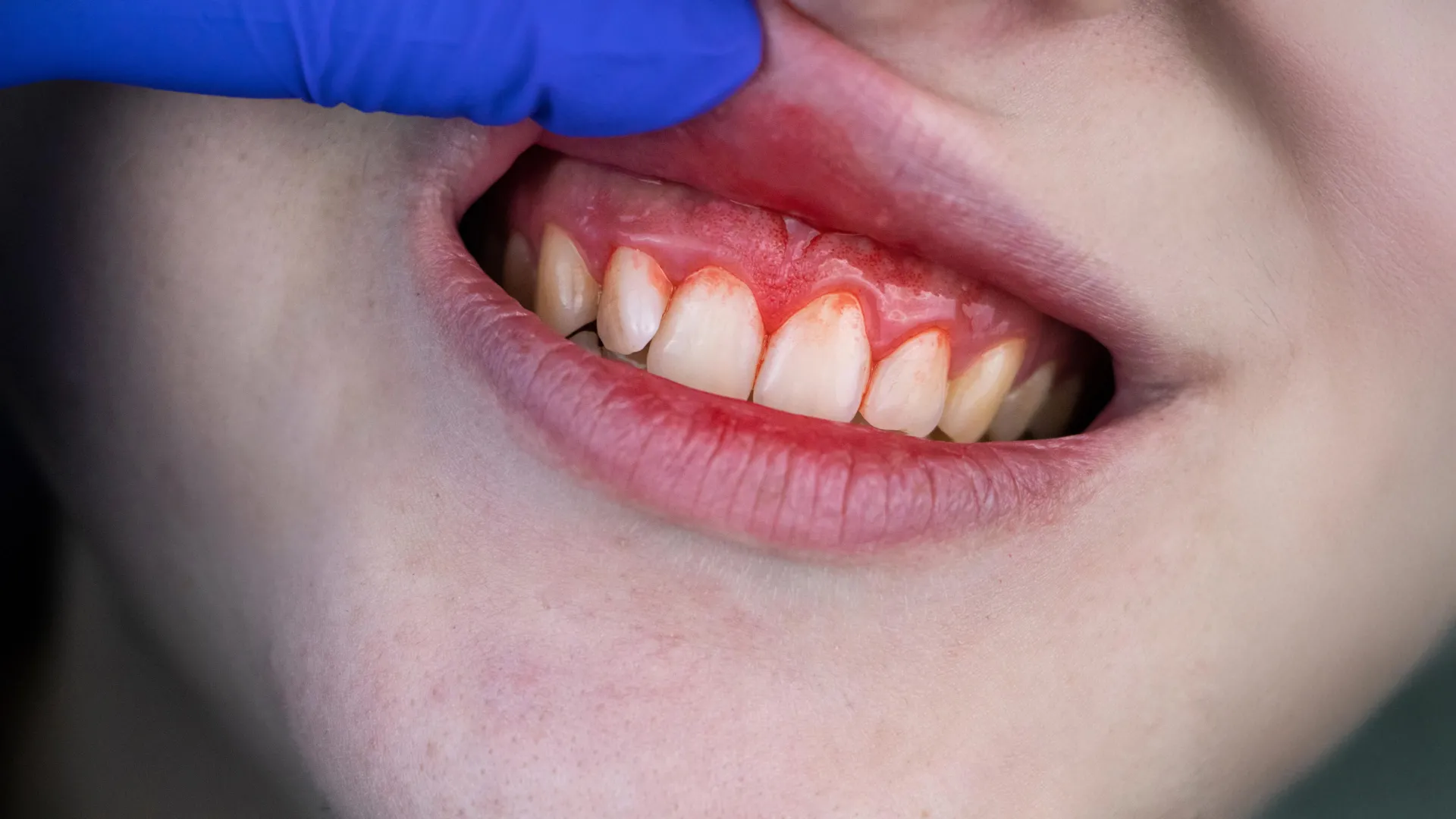
Periodontitis affects far more than just oral health, with implications extending throughout the body. While the human mouth contains more than 700 types of bacteria, only a small number are actually linked to periodontitis. These harmful microbes collect in dental plaque along the gum line, triggering inflammation that can progress to chronic periodontitis, leading to gum recession and tooth loss if left untreated.
The health risks extend well beyond the mouth. When disease-causing bacteria enter the bloodstream, they may contribute to serious conditions including diabetes, rheumatic disease, arthritis, cardiovascular disease, chronic inflammatory bowel disease, and even Alzheimer's disease. This systemic impact makes effective oral care crucial for overall health maintenance.
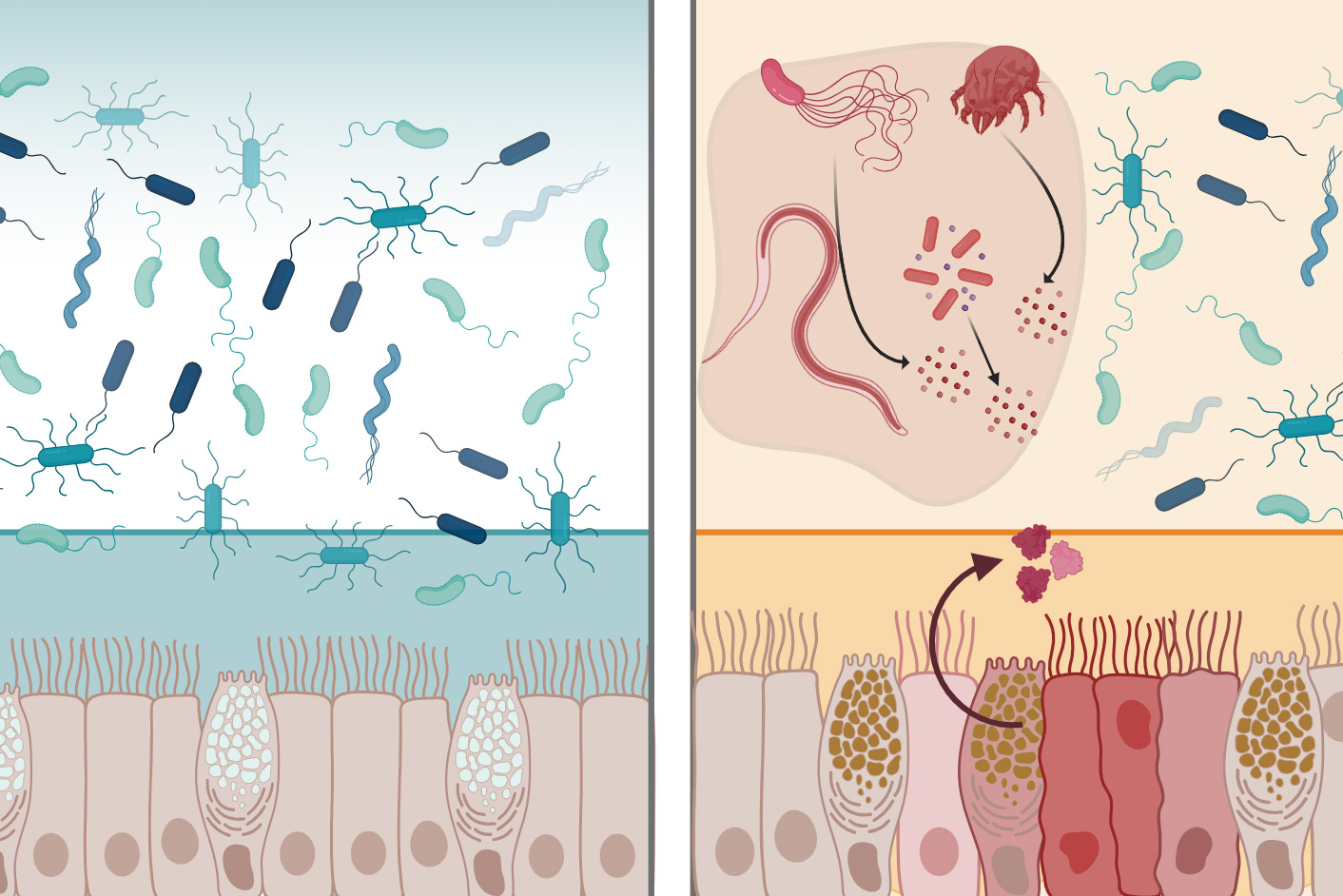
Traditional treatments like alcohol-based mouthwashes and chlorhexidine solutions kill harmful bacteria but also eliminate beneficial microbes. During the recovery process, harmful bacteria such as Porphyromonas gingivalis often regain dominance quickly because they thrive in inflamed gum tissue, while beneficial bacteria grow more slowly. This creates an imbalance called dysbiosis that allows disease to return.
The new compound, called guanidinoethylbenzylamino imidazopyridine acetate, works by preventing the growth of harmful pathogens rather than killing them outright. "Rather than simply killing gingivitis pathogens, it inhibits their growth," explains Stephan Schilling, Head of the Fraunhofer IZI branch Molecular Drug Biochemistry and Therapy Development. "They are unable to exert their toxic effects, so beneficial bacteria can occupy niches that would otherwise be inaccessible to them." This technology has been developed into practical oral care products by the spin-off company PerioTrap Pharmaceuticals, which was established in 2018 to commercialize the discovery.