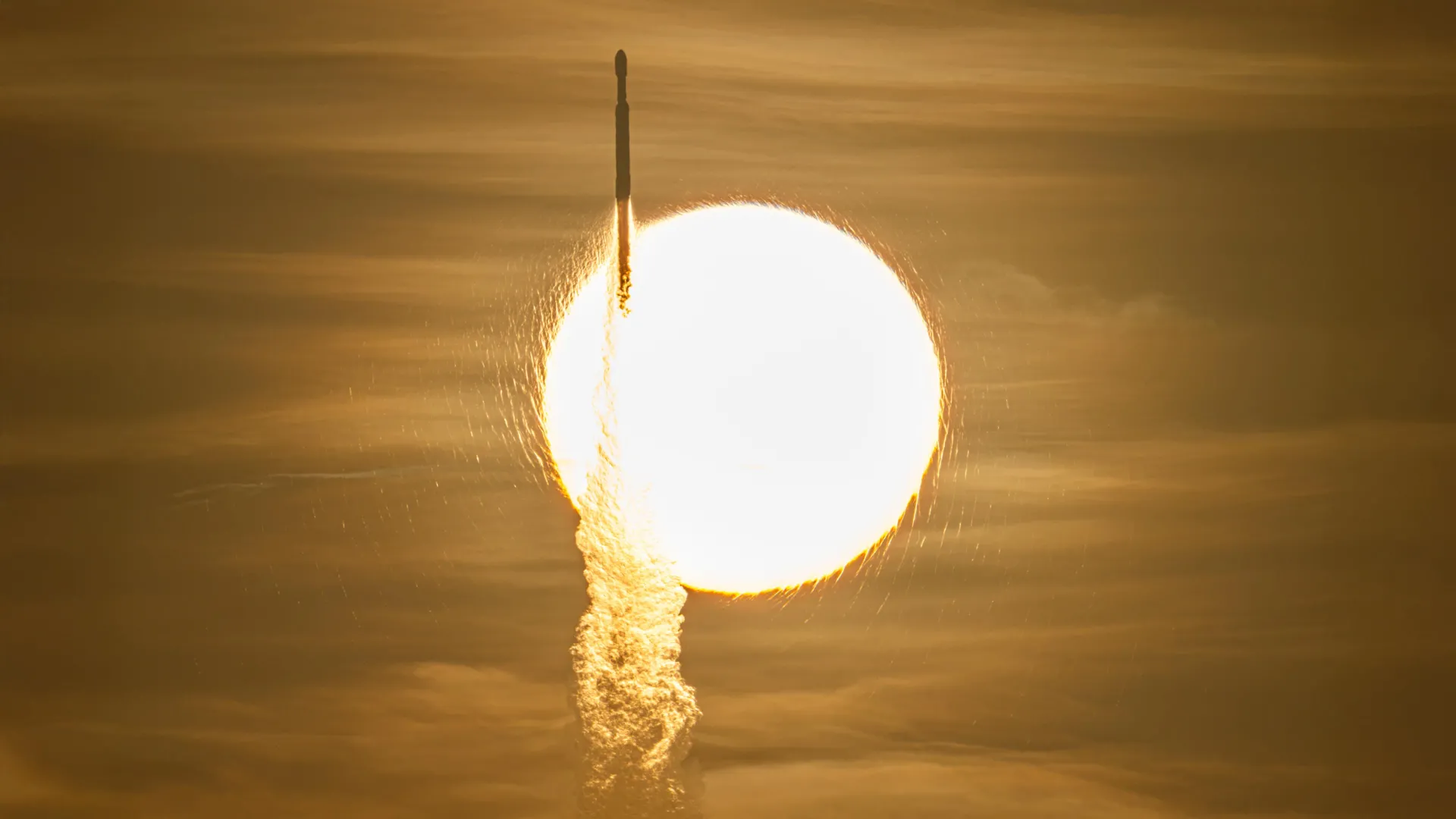
Northrop Grumman's Cygnus XL Launches 11,000 Pounds to the ISS One Day After Artemis II Splashdown
The CRS-24 resupply mission lifted off atop a SpaceX Falcon 9 from Cape Canaveral, carrying scientific experiments and crew supplies for Expedition 74.
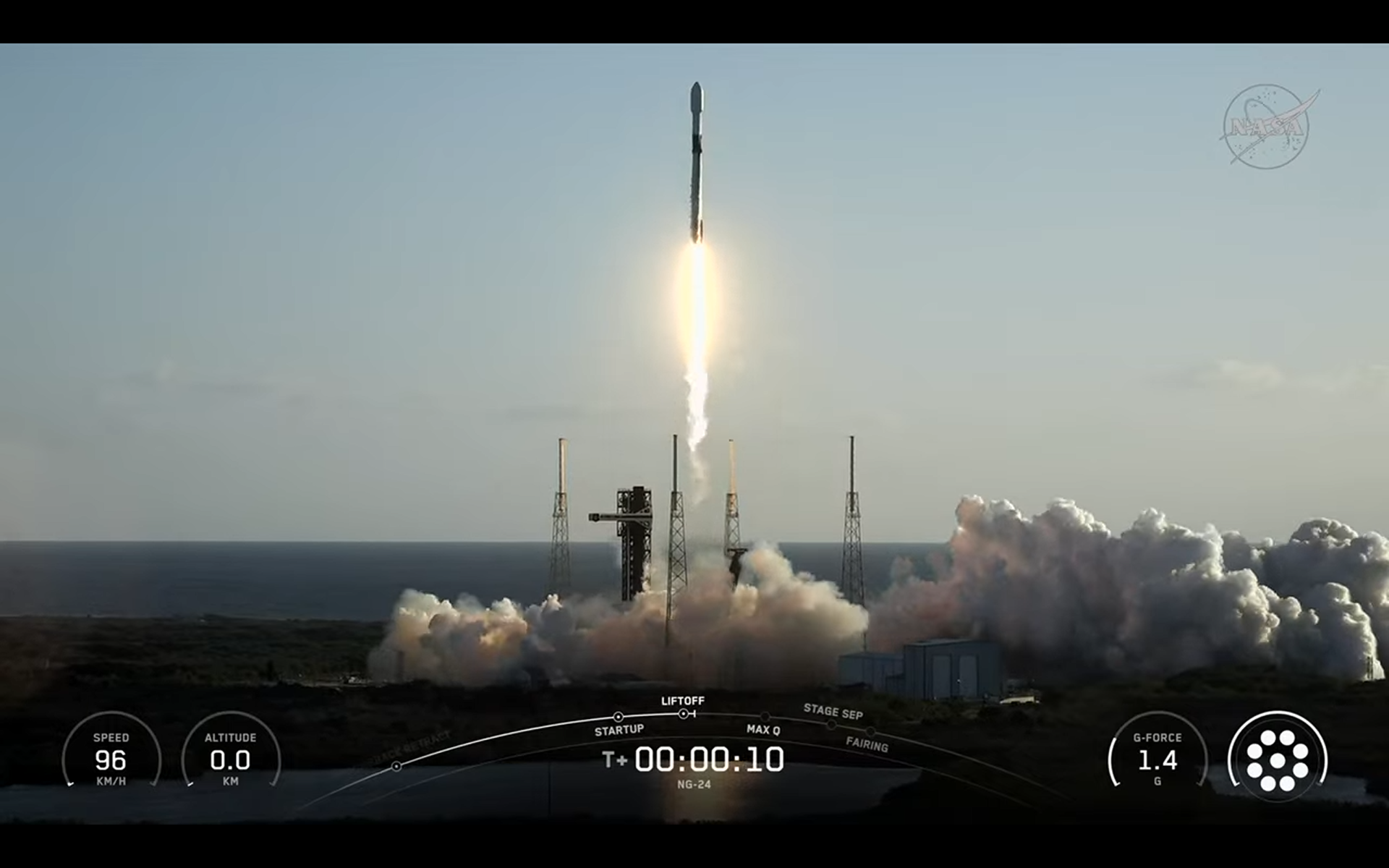
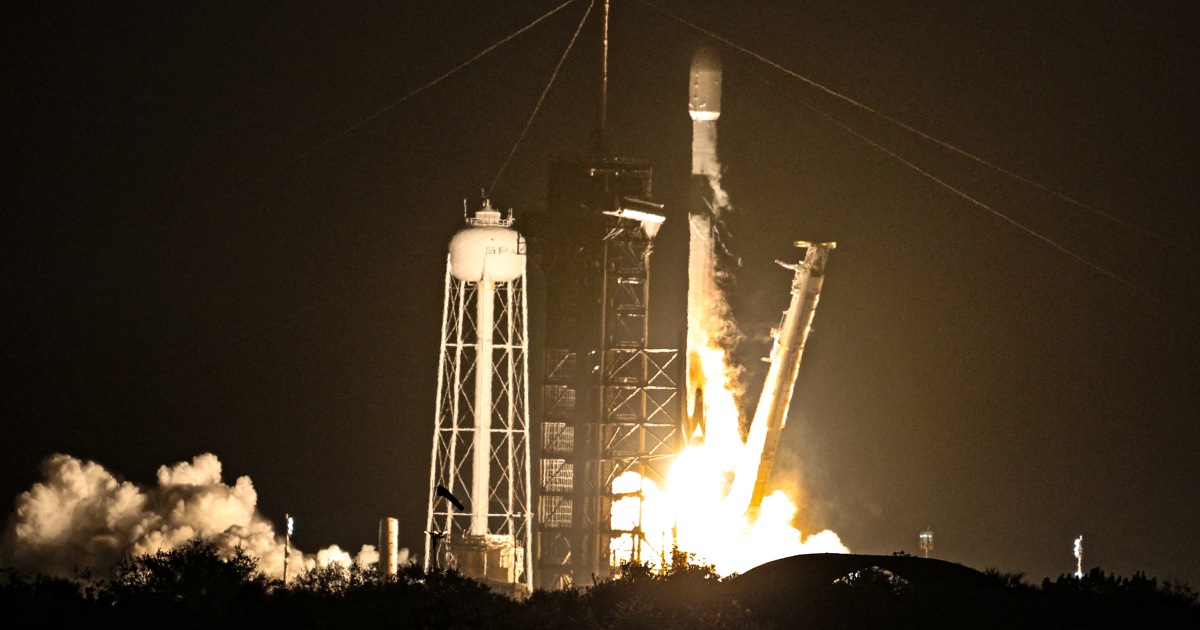
Northrop Grumman's Cygnus XL cargo spacecraft lifted off at 7:41 a.m. EDT on April 11, 2026, atop a SpaceX Falcon 9 rocket from Cape Canaveral Space Force Station's Space Launch Complex 40, carrying more than 11,000 pounds of scientific experiments, crew supplies, and hardware to the International Space Station. This is the CRS-24 mission — the 24th commercial resupply flight to the ISS under Northrop Grumman's contract with NASA — and only the second to use the enlarged Cygnus XL configuration, which features a pressurized cargo module 7.89 meters long with 36 cubic meters of usable volume, substantially larger than the standard Cygnus that has flown since 2013.
The SpaceX Falcon 9 first stage booster that carried the spacecraft completed a successful return-to-launch-site landing at Landing Zone 1 at Cape Canaveral approximately eight minutes after liftoff. The Cygnus spacecraft, named in honor of the late NASA astronaut Steven Nagel — who flew four Space Shuttle missions between 1985 and 1993 and served the agency until his retirement in 2011 — separated from the rocket's second stage approximately 16 minutes after launch and entered its cruise phase toward the ISS. The spacecraft is expected to arrive at the station on April 13, when NASA astronauts Jack Hathaway and Chris Williams will use the station's Canadarm2 robotic arm to capture Cygnus at approximately 12:50 p.m. EDT and berth it to the forward port of the Unity module.
The cargo manifest for CRS-24 is particularly rich in scientific hardware. Among the investigations traveling to the station are a new compact X-ray telescope platform for astrophysics observations, a series of plant growth biology experiments designed to test food production systems for long-duration deep-space missions, materials science samples for studying crystallization behavior in microgravity, and a commercial cell biology payload studying cancer cell behavior in the absence of gravity. The mission also delivers routine consumables including food, clothing, and spare parts for the Expedition 74 crew of seven.
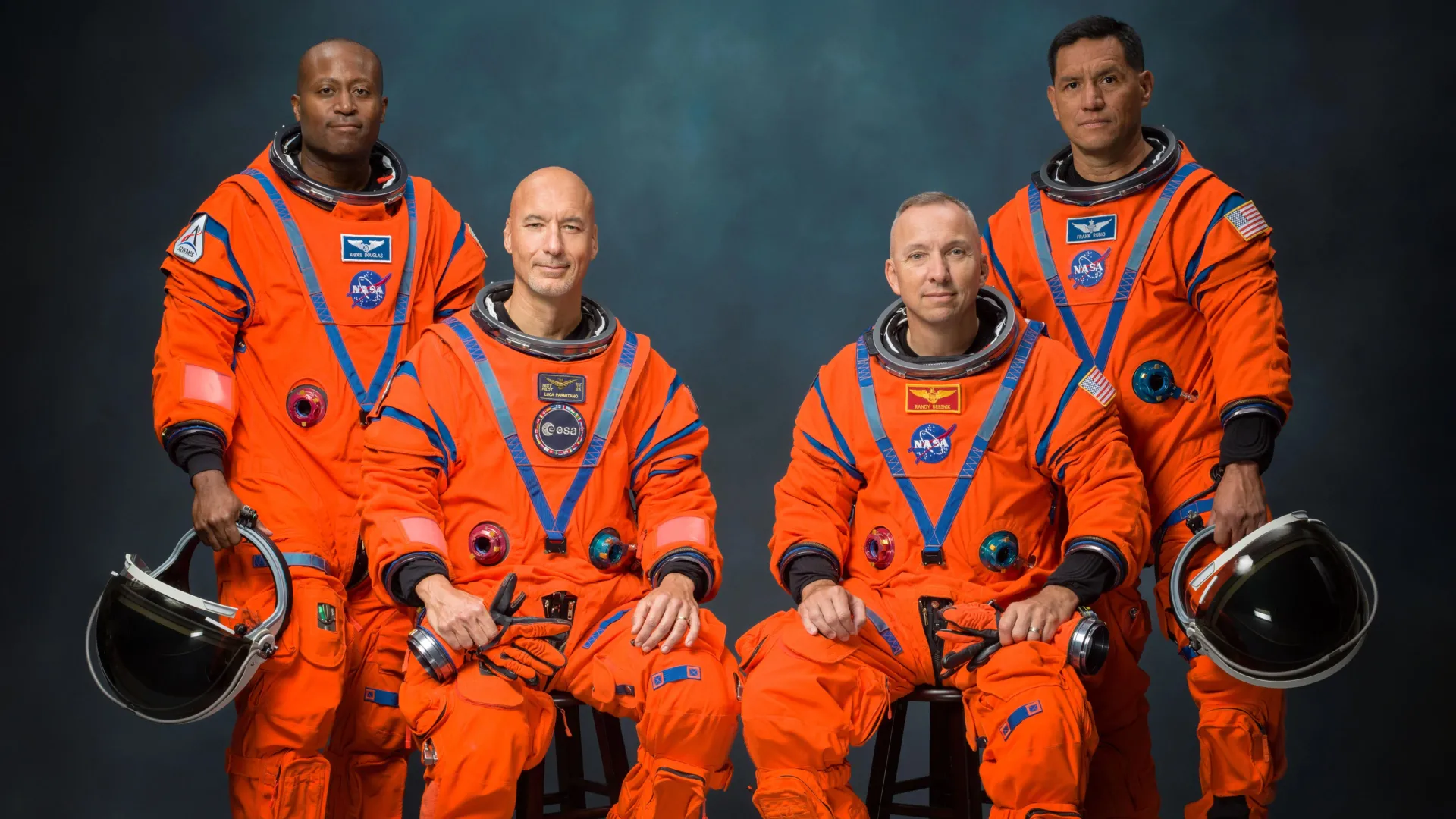
The launch comes just 24 hours after the splashdown of the Artemis II crew on April 10, making this an unusually active 48-hour period for American human spaceflight. NASA's two-track strategy — maintaining continuous crew presence on the ISS through the 2030s while simultaneously developing the Artemis architecture for lunar return — requires a steady cadence of cargo and crew flights that the commercial resupply program has delivered reliably since SpaceX's Dragon first berthed with the station in 2012.
After its primary cargo delivery mission is complete, the Cygnus XL will be loaded with trash and used for additional science. Unlike the SpaceX Dragon, which returns to Earth and is recovered, the Cygnus spacecraft is designed for destructive atmospheric reentry — the trash-loaded vehicle is released from the ISS and burns up over the Pacific Ocean after conducting any secondary experiments, a disposal method that significantly simplifies station waste management logistics. The CRS-24 mission is scheduled to remain berthed at the ISS for approximately 90 days.