Australian Scientists Build World's First Quantum Battery — It Charges Faster as It Gets Bigger
A prototype from CSIRO, RMIT, and the University of Melbourne harnesses quantum superposition to store energy, validating a stunning prediction that defies conventional battery physics.

Australian scientists have built what they describe as the world's first working proof-of-concept quantum battery — a device that stores and releases energy using the counterintuitive rules of quantum mechanics rather than conventional electrochemistry — and in doing so have confirmed one of the most striking predictions of quantum thermodynamics: that quantum batteries actually charge faster as they get larger, the direct opposite of how every conventional battery technology behaves. The research, a collaboration between CSIRO (Australia's national science agency), RMIT University, and the University of Melbourne, was published in the journal Light: Science and Applications in March 2026.
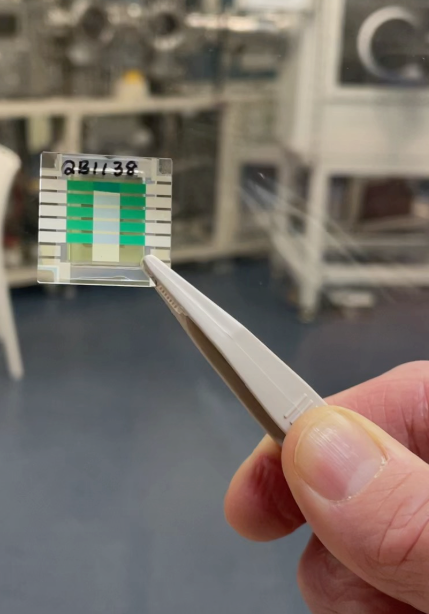
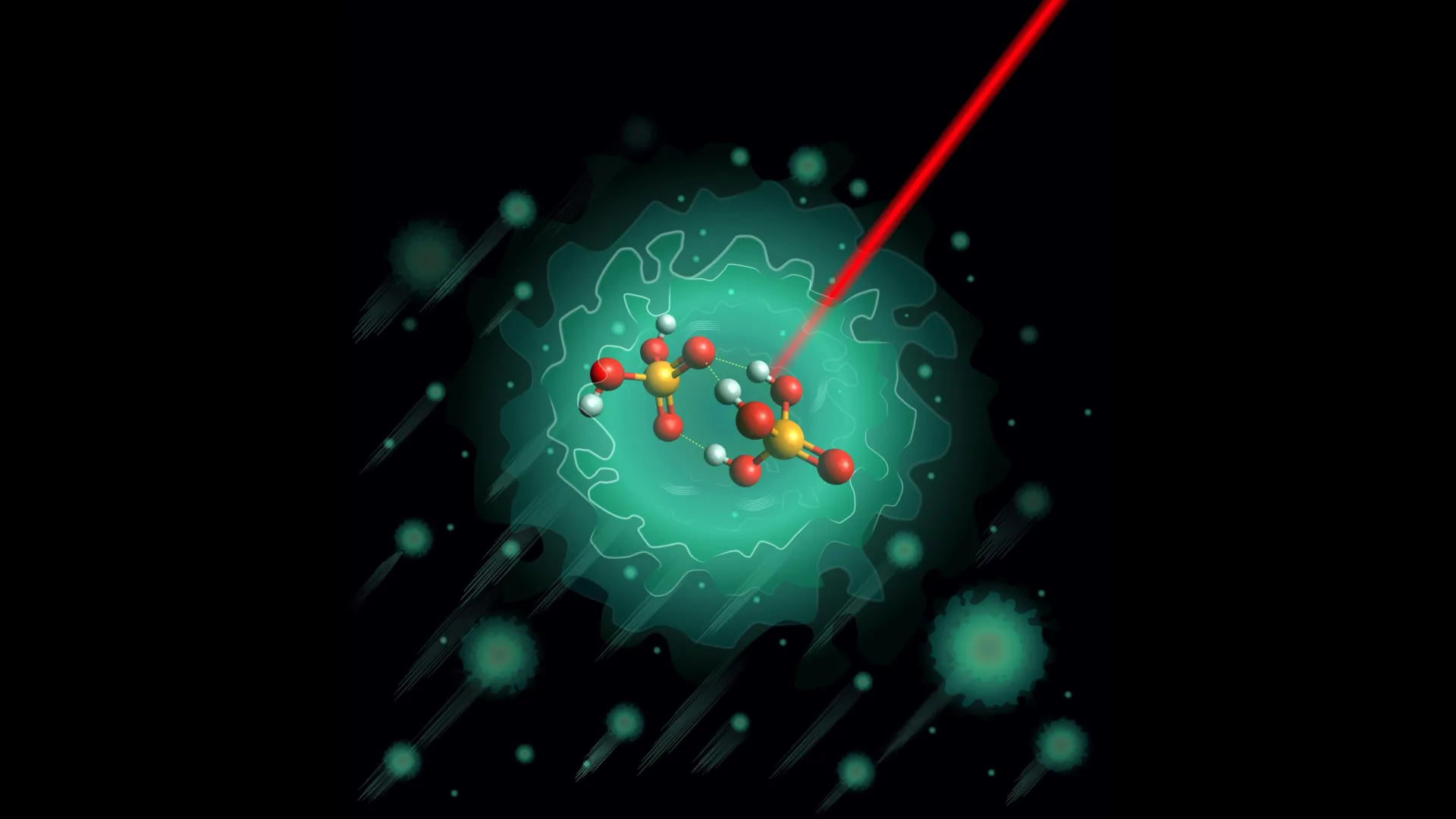
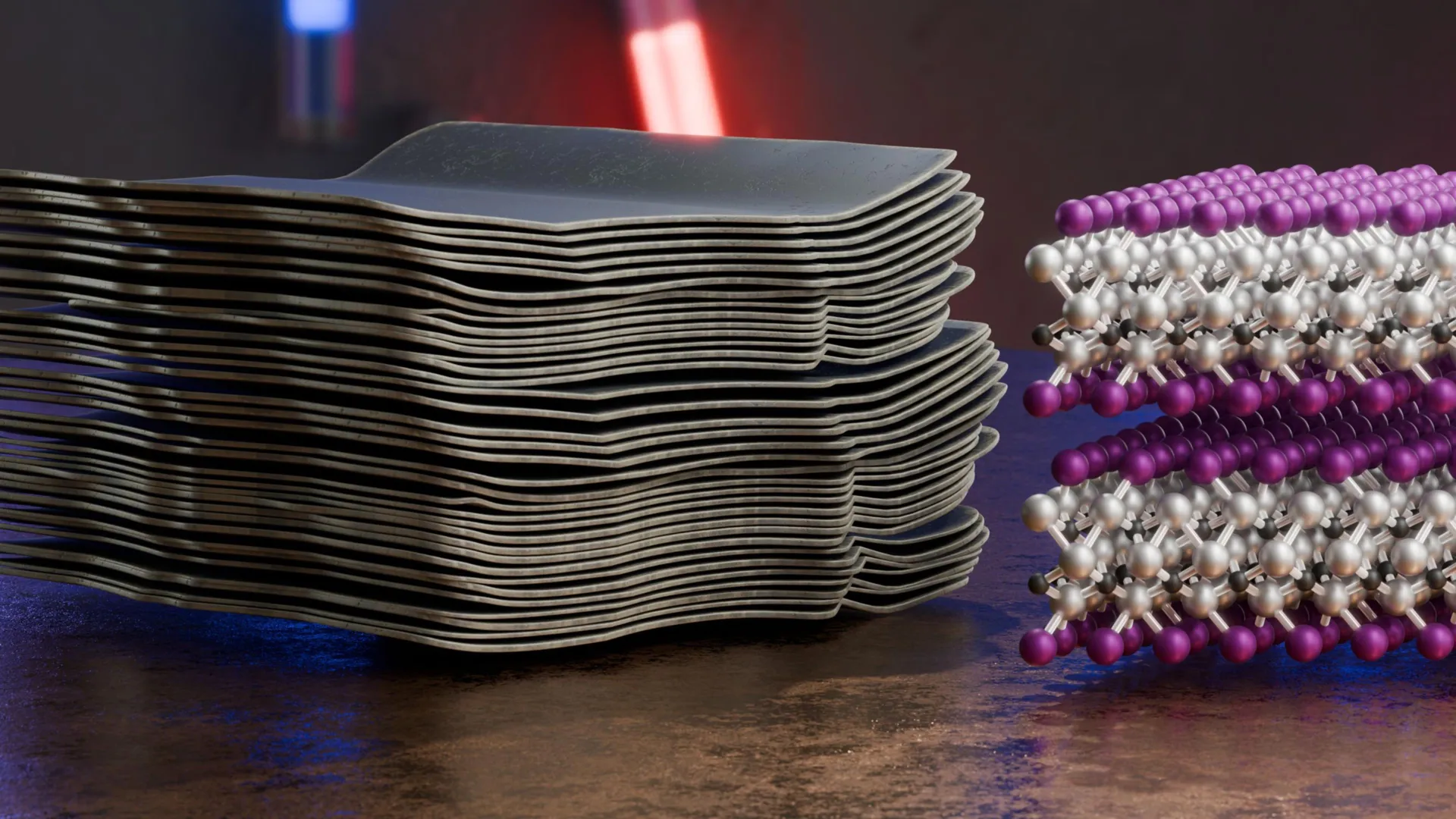
The prototype device, built by a team led by CSIRO science leader Dr. James Quach along with RMIT PhD candidate Daniel Tibben and Professor Daniel Gómez, uses a small multi-layered organic microcavity — a structure just millimeters in size — that is charged wirelessly using a laser at room temperature. Rather than storing energy in chemical bonds as conventional lithium-ion or alkaline batteries do, the quantum battery exploits the quantum mechanical phenomenon of superposition, where electrons in the organic material can simultaneously occupy multiple energy states, and uses light-matter interactions within the microcavity to charge and discharge the device with remarkable efficiency.
The most commercially significant finding from the prototype tests was the confirmation of quantum collective charging — the theoretical prediction that when multiple quantum systems are charged simultaneously and allowed to interact quantum mechanically, the charging rate scales super-linearly with the number of cells. "Quantum batteries charge faster as they get larger, which is not how today's batteries work," said Tibben, noting that conventional batteries face increasing internal resistance and thermal management challenges as they scale up. A quantum battery array, by contrast, would theoretically charge faster at larger sizes, potentially enabling applications like electric vehicle batteries that charge in the time it takes to fill a gas tank.
Dr. Quach envisions a broader range of future applications that exploit the quantum battery's unique properties. Beyond electric vehicles, quantum batteries could enable wireless long-distance energy transfer — essentially beaming power through space using quantum channels in a way that conventional batteries cannot support. They could also enable energy storage for portable devices that currently run on conventional batteries, potentially offering both faster charging and higher efficiency. The prototype successfully demonstrated all three fundamental operations required of any battery: charging, holding a charge, and discharging, making it a genuine proof-of-concept rather than merely a theoretical demonstration.
Significant obstacles remain before quantum batteries can compete with conventional energy storage in real-world applications. The most critical limitation of the current prototype is the timescale on which it holds its charge — the quantum states involved are extremely fragile and lose coherence within nanoseconds, meaning the device cannot currently function as a practical storage medium for anything beyond laboratory demonstrations. The team is working on materials and device architectures that can extend coherence times by orders of magnitude, which remains the central challenge of quantum information technology more broadly. The energy capacity of current prototypes is also measured in fractions of a joule, far too small for any practical application. Nevertheless, the confirmation that quantum batteries can be built and that they exhibit their predicted quantum advantages has energized the field and attracted substantial interest from energy technology investors who see long-term potential in the approach.