EPFL Smashes Solar Cell Efficiency Record With 30% Triple-Junction Perovskite Device
Swiss researchers stacked two perovskite layers on a silicon base to break the single-junction theoretical limit, potentially paving the way for space-grade solar efficiency at terrestrial prices.

Swiss researchers have broken the efficiency record for triple-junction solar cells, achieving an independently certified power conversion efficiency of 30.02% with a device that stacks two thin layers of perovskite material on top of a conventional silicon cell. The breakthrough, published in Nature in March 2026, was achieved by a team at EPFL's Photovoltaics and Thin-Film Electronics Laboratory in collaboration with CSEM, the Swiss Center for Electronics and Microtechnology. It surpasses the previous certified triple-junction record of 27.1% by nearly three full percentage points — a substantial leap in a field where fractions of a percent represent years of engineering effort.
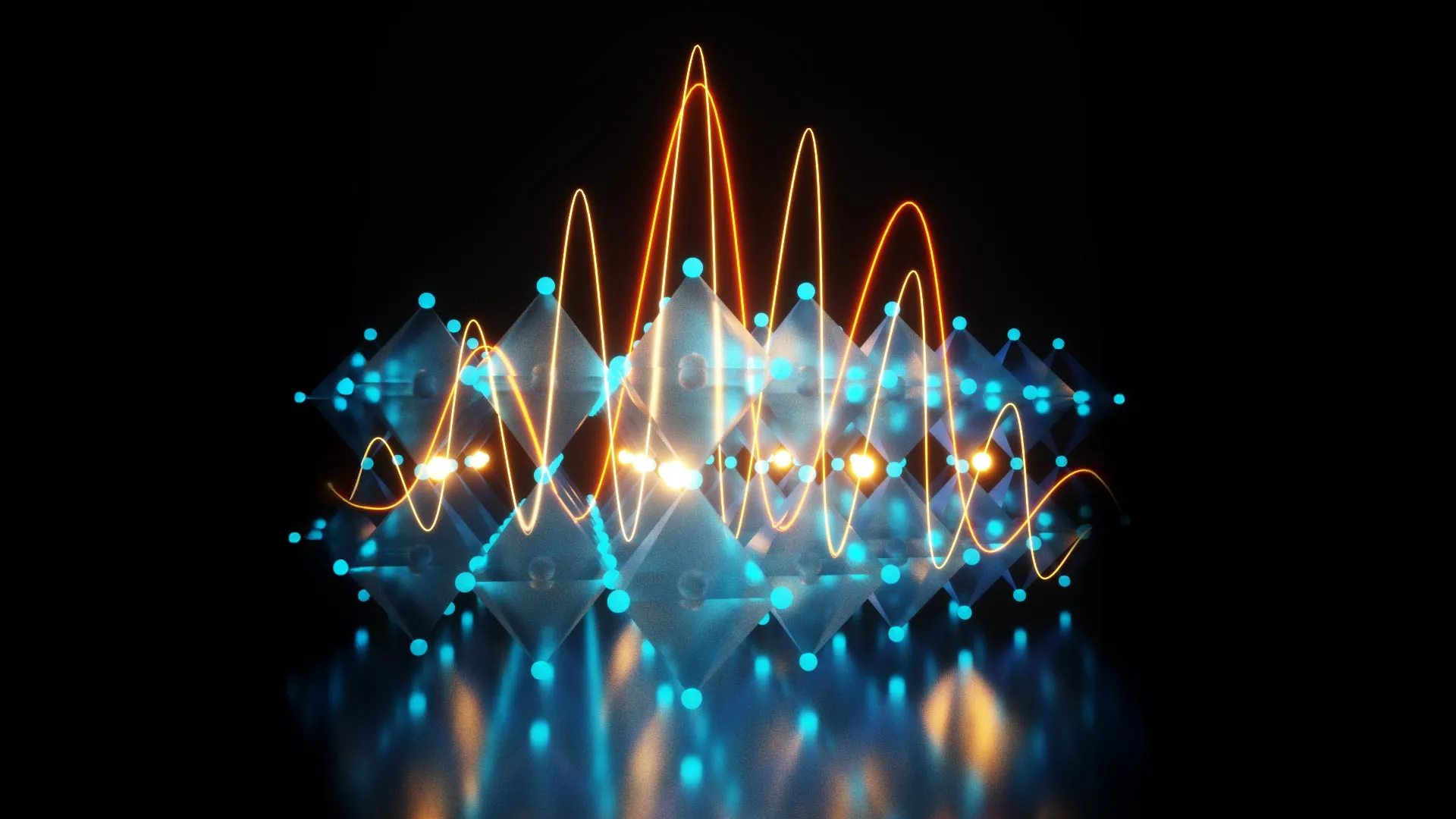
Lead researcher Kerem Artuk, an EPFL Ph.D. graduate now based at CSEM, said the team addressed three longstanding technical barriers simultaneously: improving the crystal quality of the perovskite layers, enhancing light absorption across a broader range of wavelengths, and managing the optical path using precisely sized nanoparticles that bounce light back through the cell multiple times before it escapes. "This opens the door to a new generation of industrially viable, high-efficiency multi-junction photovoltaics," Artuk said. The device's 30% efficiency rivals performance typically achieved by solar cells designed for satellites and spacecraft, which are manufactured under cleanroom conditions at costs that make them impractical for ground-based energy generation.
The significance of the 30% barrier is partly psychological and partly physical. Conventional single-junction silicon solar cells have a theoretical maximum efficiency of about 29% under the Shockley-Queisser limit — the fundamental quantum mechanical ceiling on how much energy a single semiconductor material can extract from sunlight. By stacking multiple layers tuned to absorb different parts of the solar spectrum, multi-junction designs can exceed that limit. Triple junctions using perovskite-silicon combinations are particularly attractive because silicon manufacturing is already highly refined, and perovskites can be deposited as thin films at relatively low temperatures, avoiding the extreme processing conditions that make gallium arsenide or indium phosphide multi-junction cells prohibitively expensive for most applications.
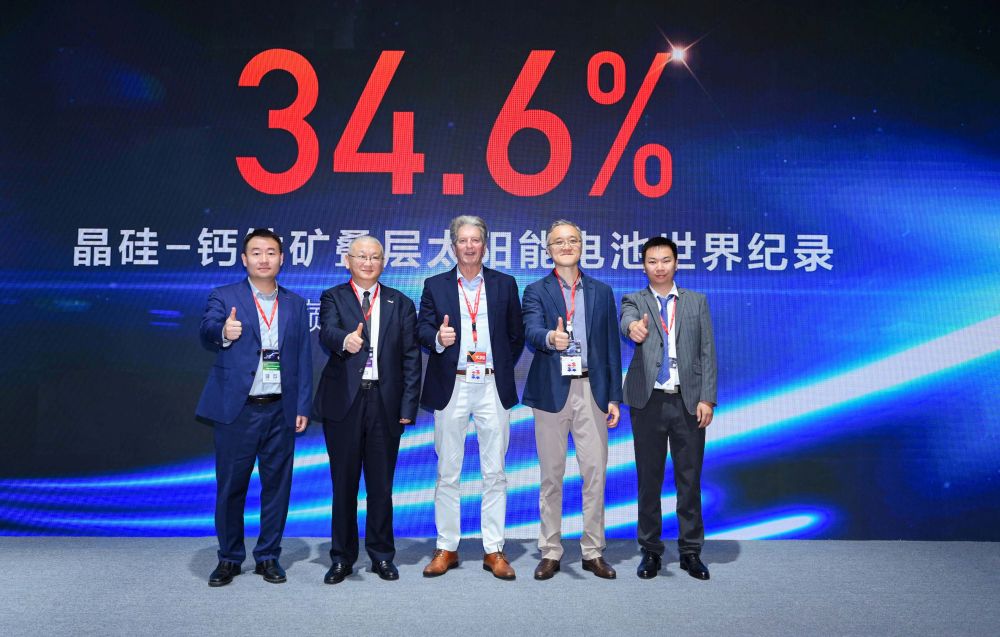
The new result comes amid a broader surge in perovskite solar cell research. China's BOE Technology recently announced a single-junction perovskite cell at 27.98% efficiency, and NREL's authoritative efficiency chart shows certified single-junction records closing in on 27.3%. Tandem perovskite-silicon two-layer combinations have crossed 35% efficiency in laboratory settings. The EPFL-CSEM triple junction device, which adds a third perovskite layer to further capture high-energy blue and ultraviolet photons, represents a forward step toward what researchers believe could eventually push combined efficiencies beyond 40% in optimized laboratory structures.
Durability remains the principal challenge separating perovskite-based solar cells from widespread commercial deployment. Conventional silicon panels are routinely guaranteed for 25 to 30 years of outdoor operation; perovskite devices have historically degraded more quickly when exposed to moisture, oxygen, and ultraviolet radiation. The EPFL team did not publish long-term stability data alongside the efficiency record, and industry analysts say that demonstrating multi-year outdoor stability comparable to silicon will be essential before triple-junction perovskite products can move from the laboratory to rooftops and solar farms at scale. Nevertheless, the 30% threshold crossed in this research is being widely hailed as a proof of concept that fundamentally changes the economics of high-efficiency photovoltaics.