James Webb Telescope Discovers Unexpected Ice Clouds on Distant Giant Planet
Water ice formations on Jupiter-like exoplanet Epsilon Indi Ab challenge atmospheric models and reveal new complexity in alien worlds.
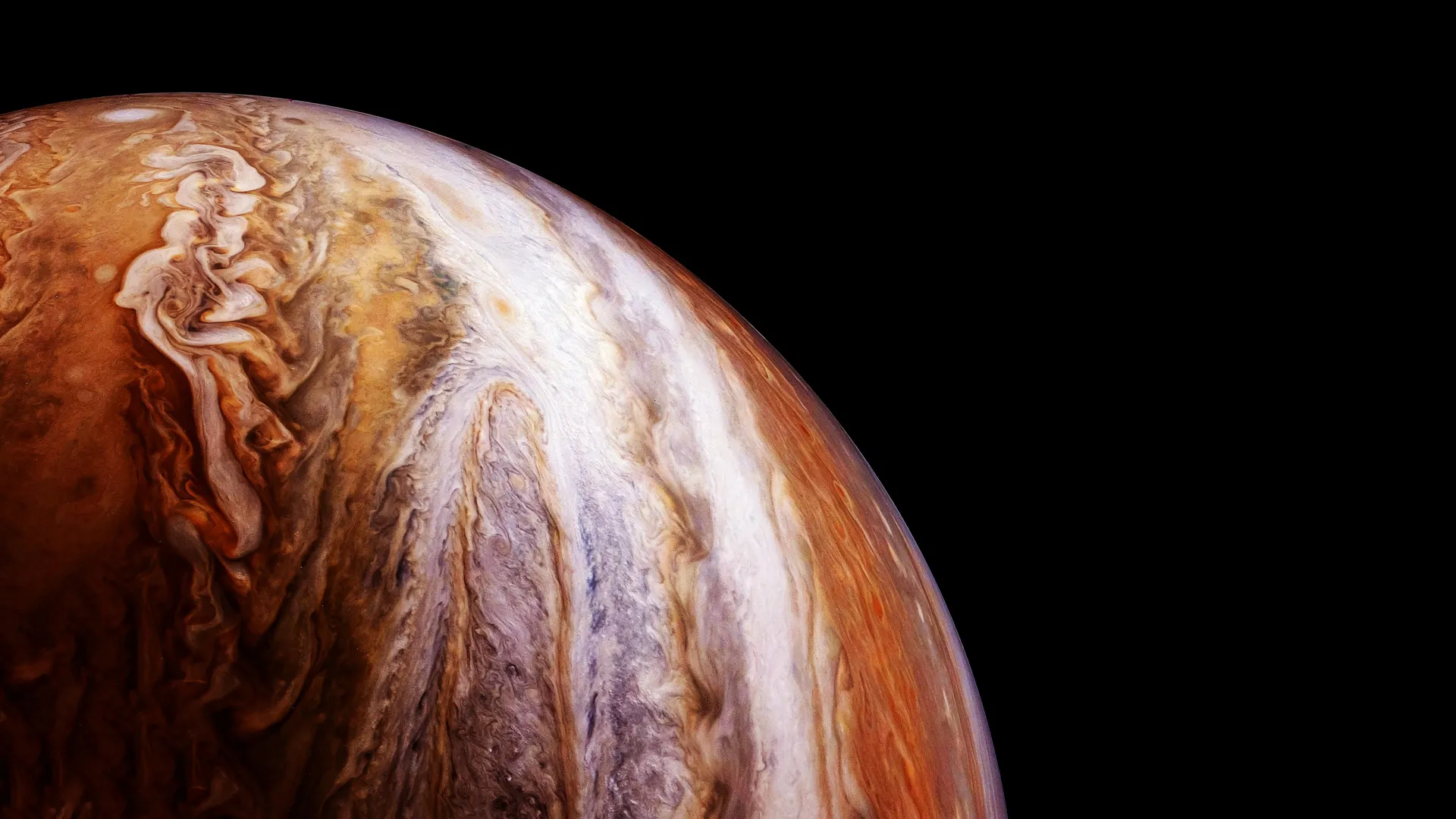
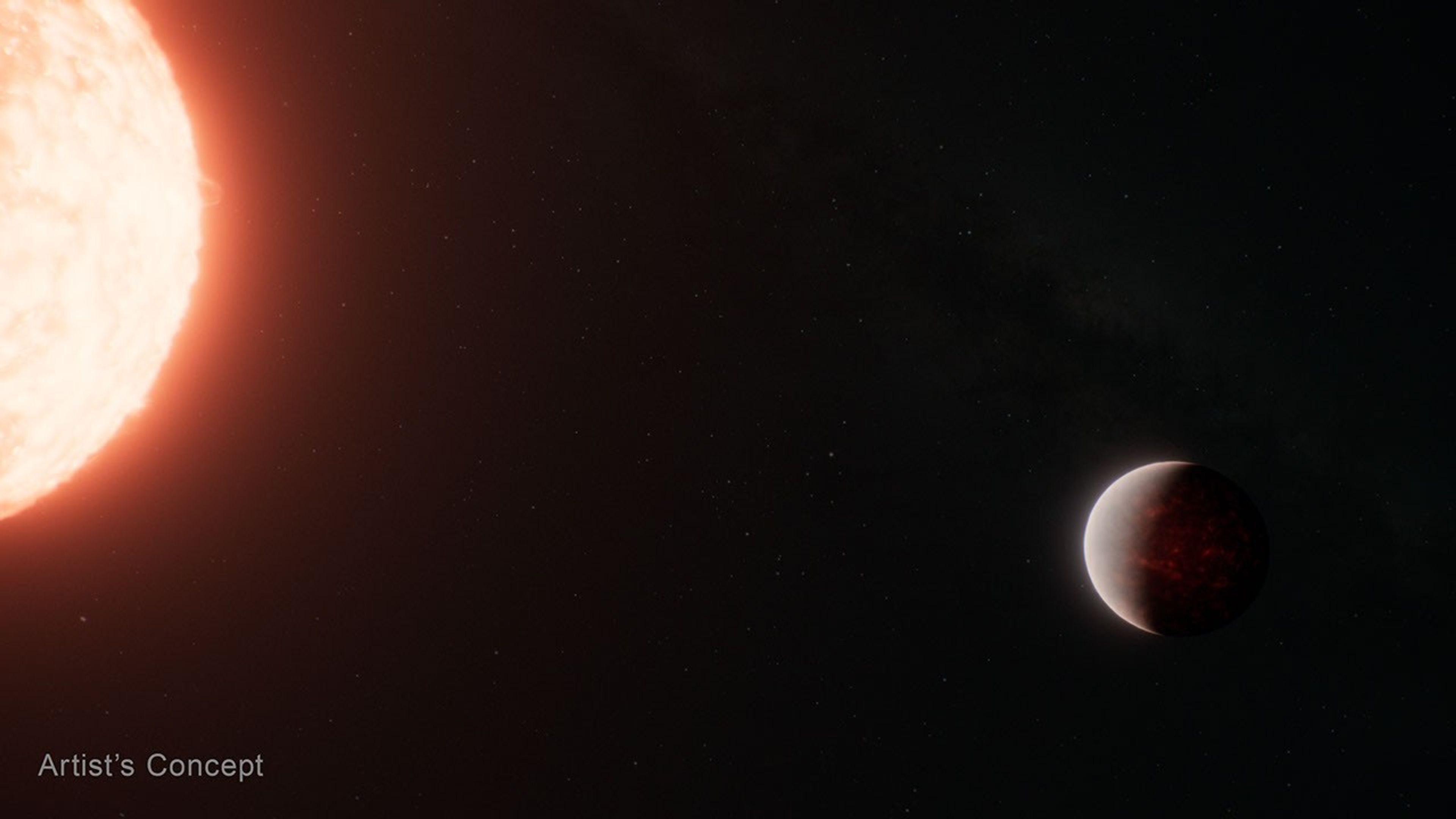
Astronomers using the James Webb Space Telescope have made a surprising discovery that challenges current understanding of exoplanet atmospheres: water ice clouds on a distant gas giant that resembles Jupiter. The finding on Epsilon Indi Ab, located in the constellation Indus, represents one of the most detailed studies of a true Jupiter analogue and reveals unexpected atmospheric complexity in planets beyond our solar system.
The discovery was made by a team led by Elisabeth Matthews at the Max Planck Institute for Astronomy, who used JWST's mid-infrared instrument MIRI to directly image the exoplanet. Unlike most exoplanets studied to date, which are typically much hotter than Jupiter due to their proximity to their stars, Epsilon Indi Ab orbits about four times farther from its star than Jupiter does from the Sun, making it a more accurate comparison to planets in our own solar system.
The research team found significantly less ammonia in the planet's atmosphere than expected, likely because thick, patchy water ice clouds are hiding the ammonia from detection. This discovery challenges existing atmospheric models that predicted different cloud compositions for planets at this distance from their host stars. The planet, with a mass of 7.6 times that of Jupiter but roughly the same diameter, demonstrates that even planets similar to those in our solar system can harbor surprising atmospheric features.
The ice clouds appear to be patchy rather than uniform, suggesting complex atmospheric dynamics that scientists are only beginning to understand. This finding has important implications for how astronomers interpret observations of other exoplanets, as cloud cover can significantly affect what gases and atmospheric features are detectable from Earth. The discovery also highlights the importance of direct imaging techniques, which provide more detailed atmospheric information than traditional transit observations.
This breakthrough represents a significant step toward the ultimate goal of finding and studying Earth-like planets. As Matthews noted, JWST is finally allowing scientists to study solar system analogue planets in detail, providing the kind of comprehensive atmospheric analysis that would be needed if alien astronomers were studying our own solar system from afar. While studying Earth-like planets will require even more advanced telescopes, the detailed characterization of Jupiter analogues like Epsilon Indi Ab provides crucial insights into planetary formation and atmospheric evolution that will inform future searches for potentially habitable worlds.