Science
Scientists Successfully Transfer Longevity Gene from Naked Mole Rats to Mice
Mice with transferred gene lived 4.4% longer and showed improved resistance to cancer, inflammation, and age-related diseases.
Section
Science news: space, biology, climate, medicine and the research changing how we live.
Mice with transferred gene lived 4.4% longer and showed improved resistance to cancer, inflammation, and age-related diseases.
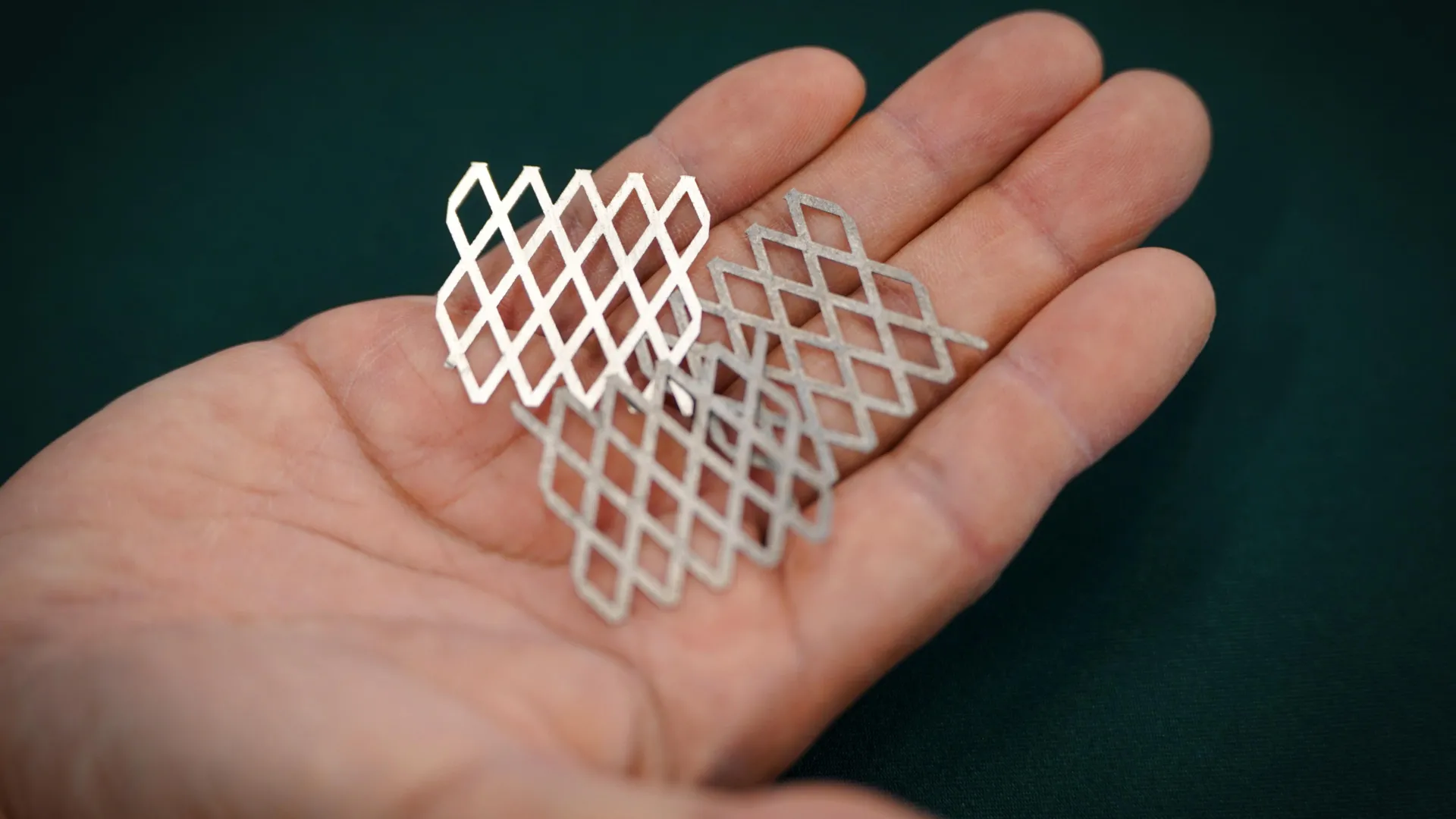
New ultra-stainless steel uses double-protection mechanism to resist harsh seawater electrolysis conditions while cutting structural costs by 40 times compared to titanium.
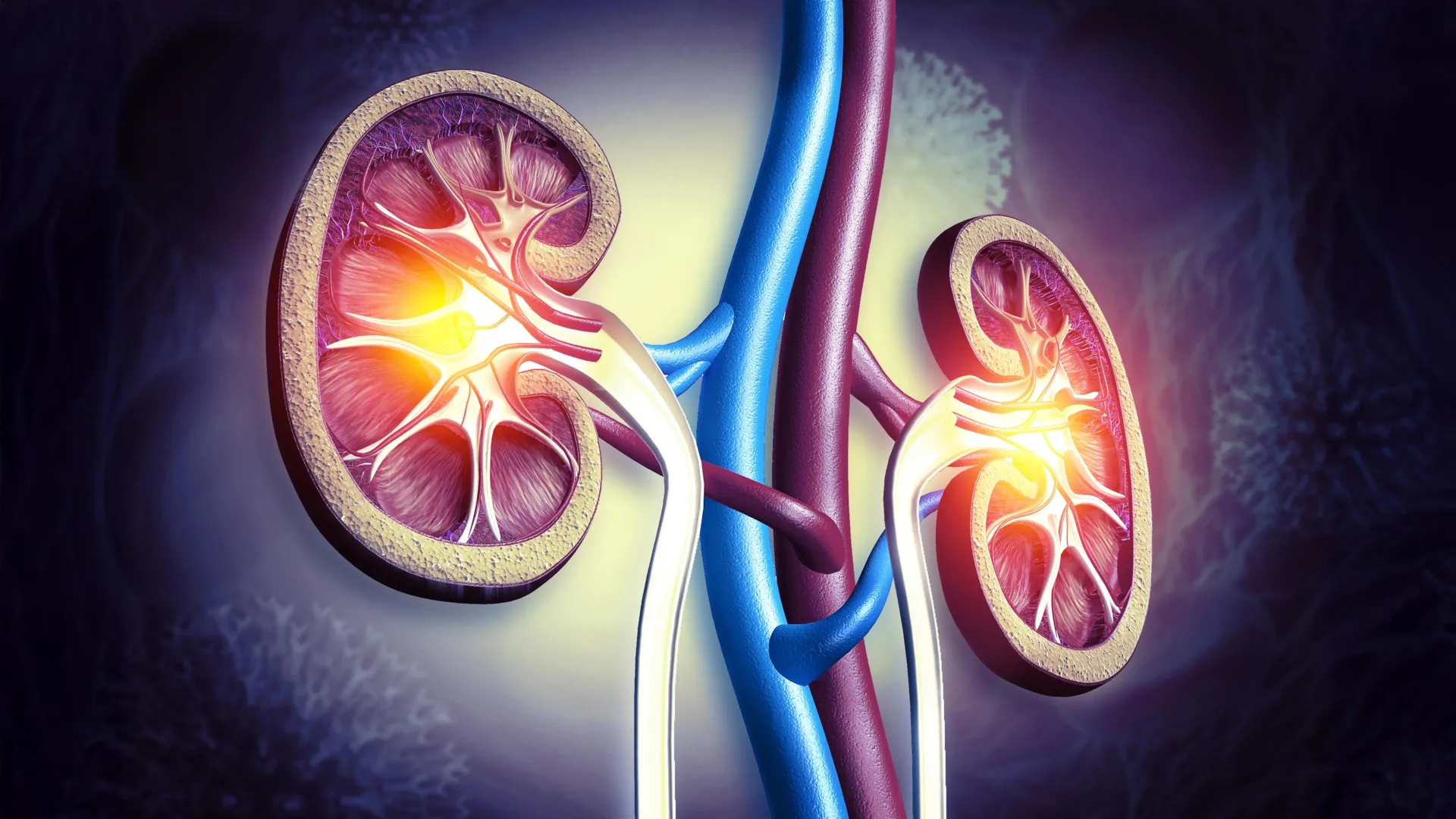
Lubiprostone appears to slow kidney function decline in patients with moderate chronic kidney disease by improving gut bacteria.
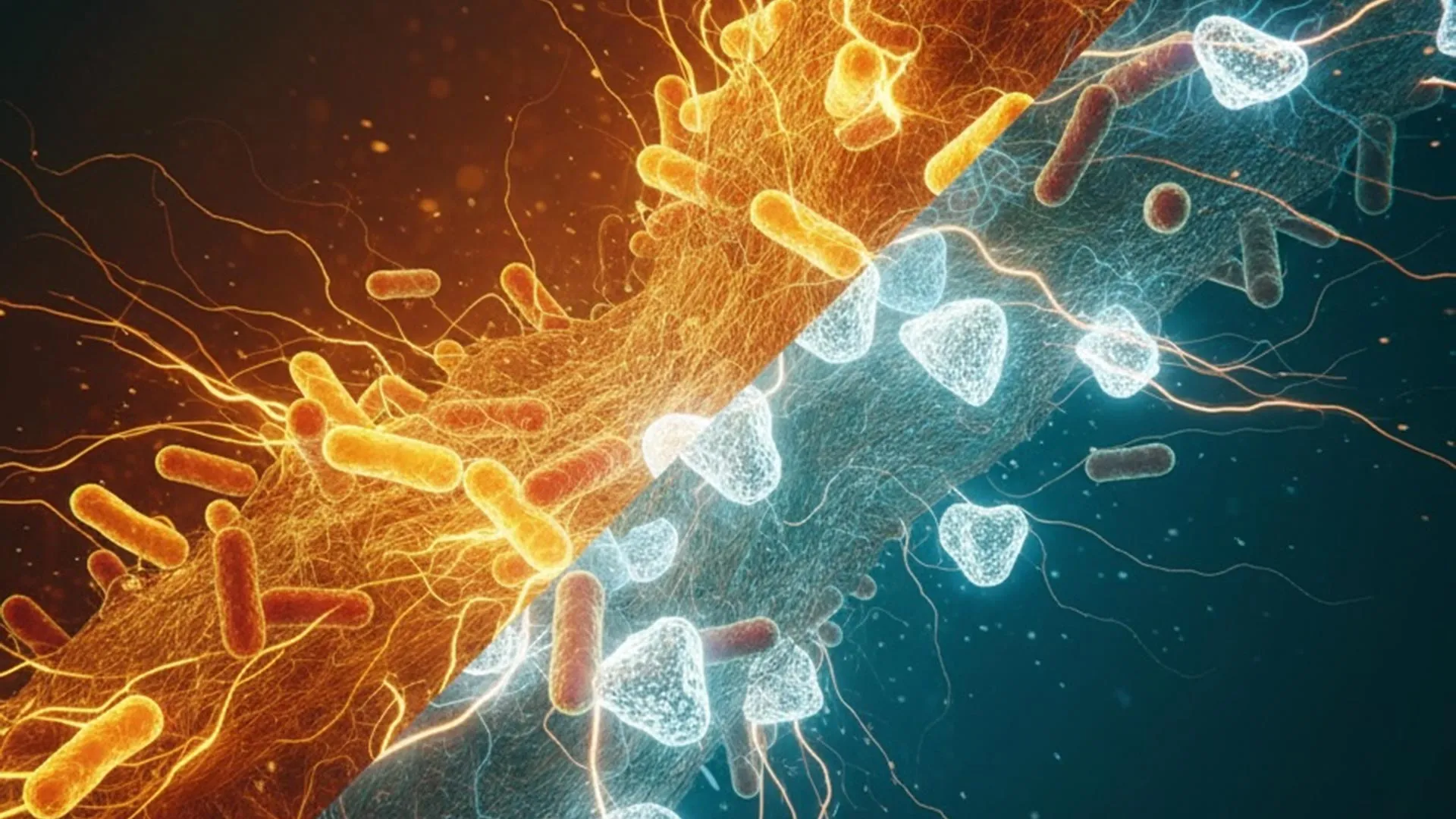
Researchers target chemical signals bacteria use to coordinate growth, promoting healthy microbes while reducing disease-causing species.
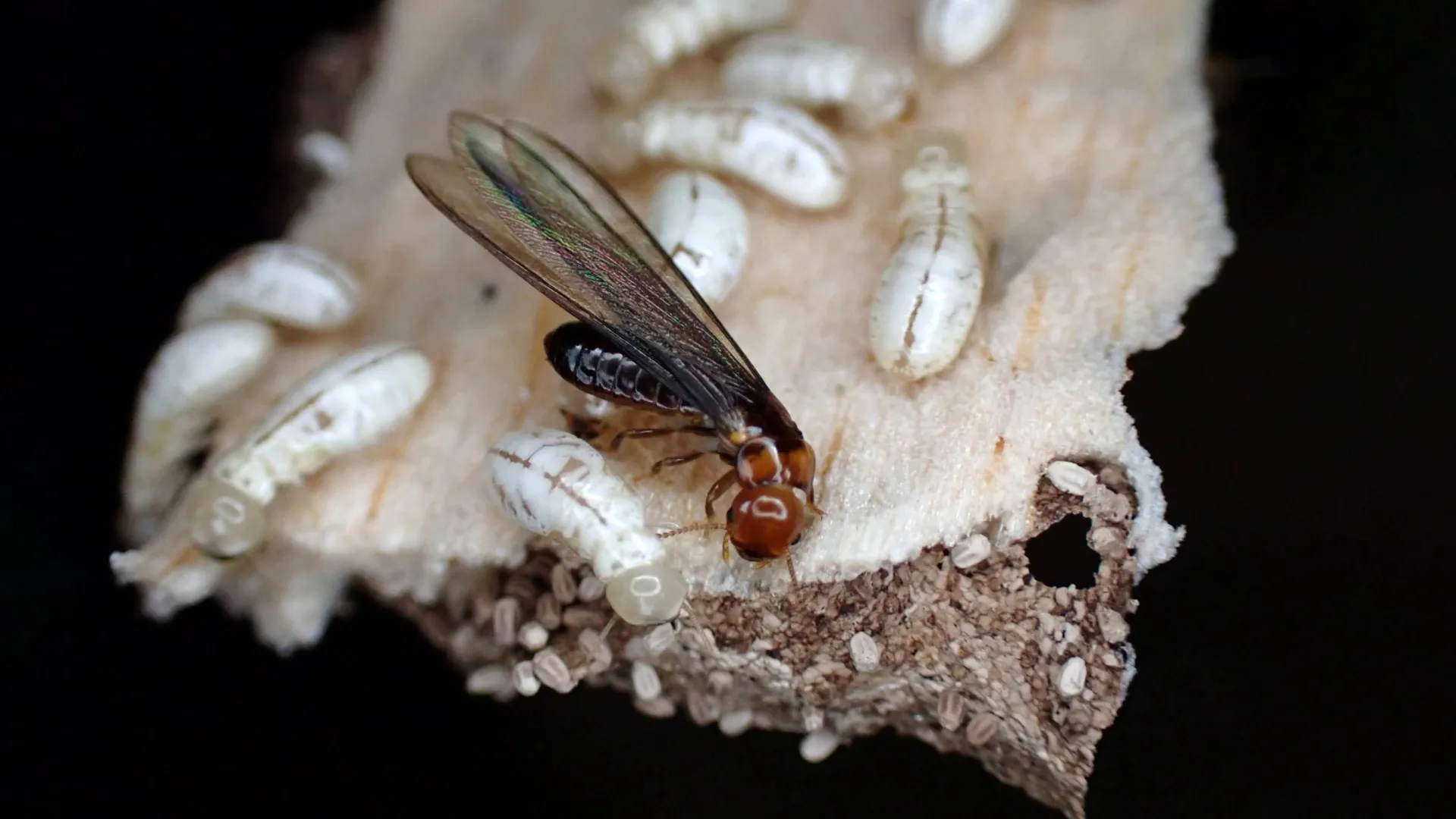
Bistrifluron prevents drywood termites from forming new exoskeletons during molting, offering safer alternative to toxic fumigation methods.
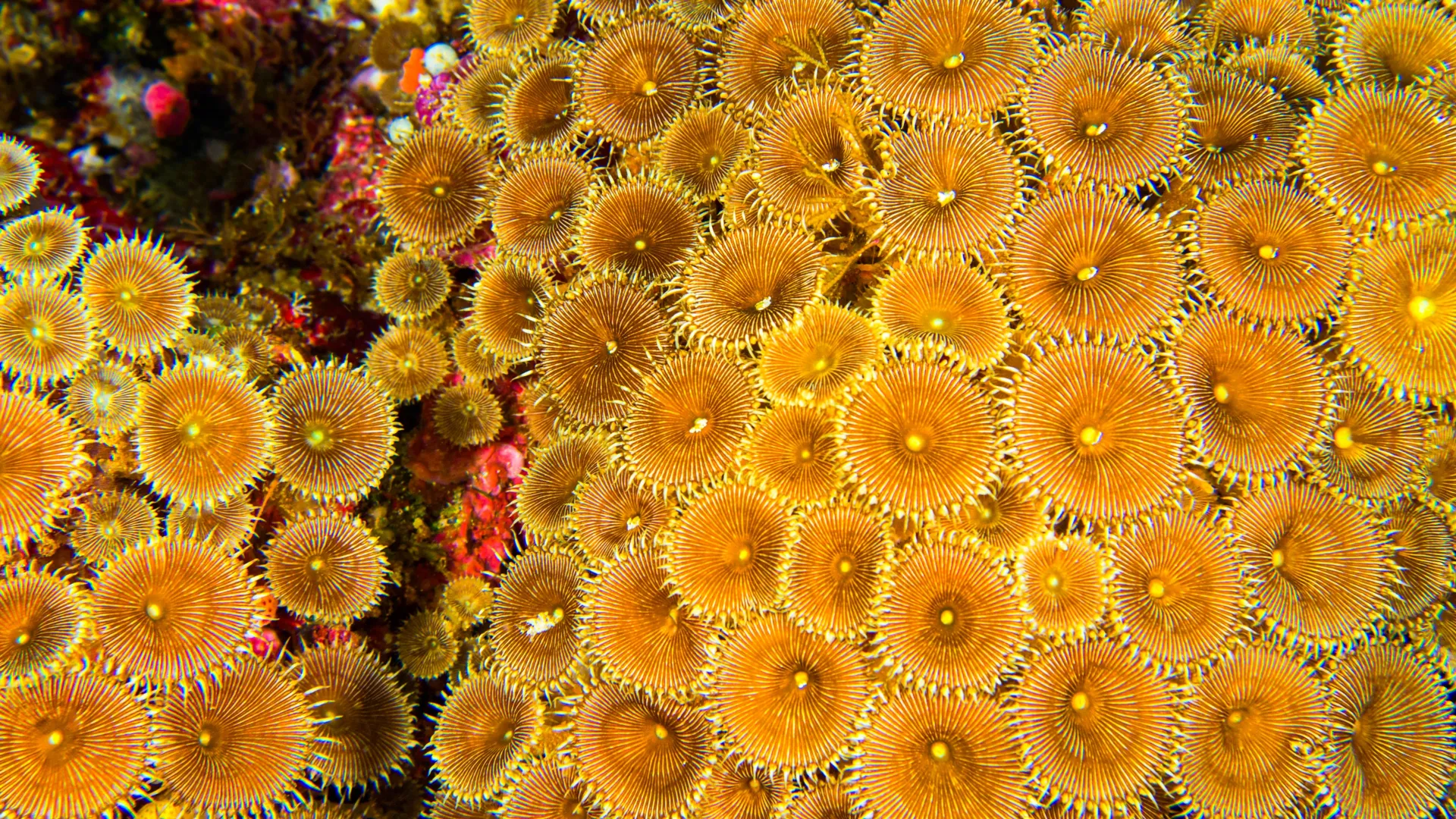
A Nature paper drawn from the Tara Pacific Expedition catalogs the largest unexplored chemical reservoir in the marine environment — and identifies a new bacterial peptide that inhibits human neutrophil elastase.
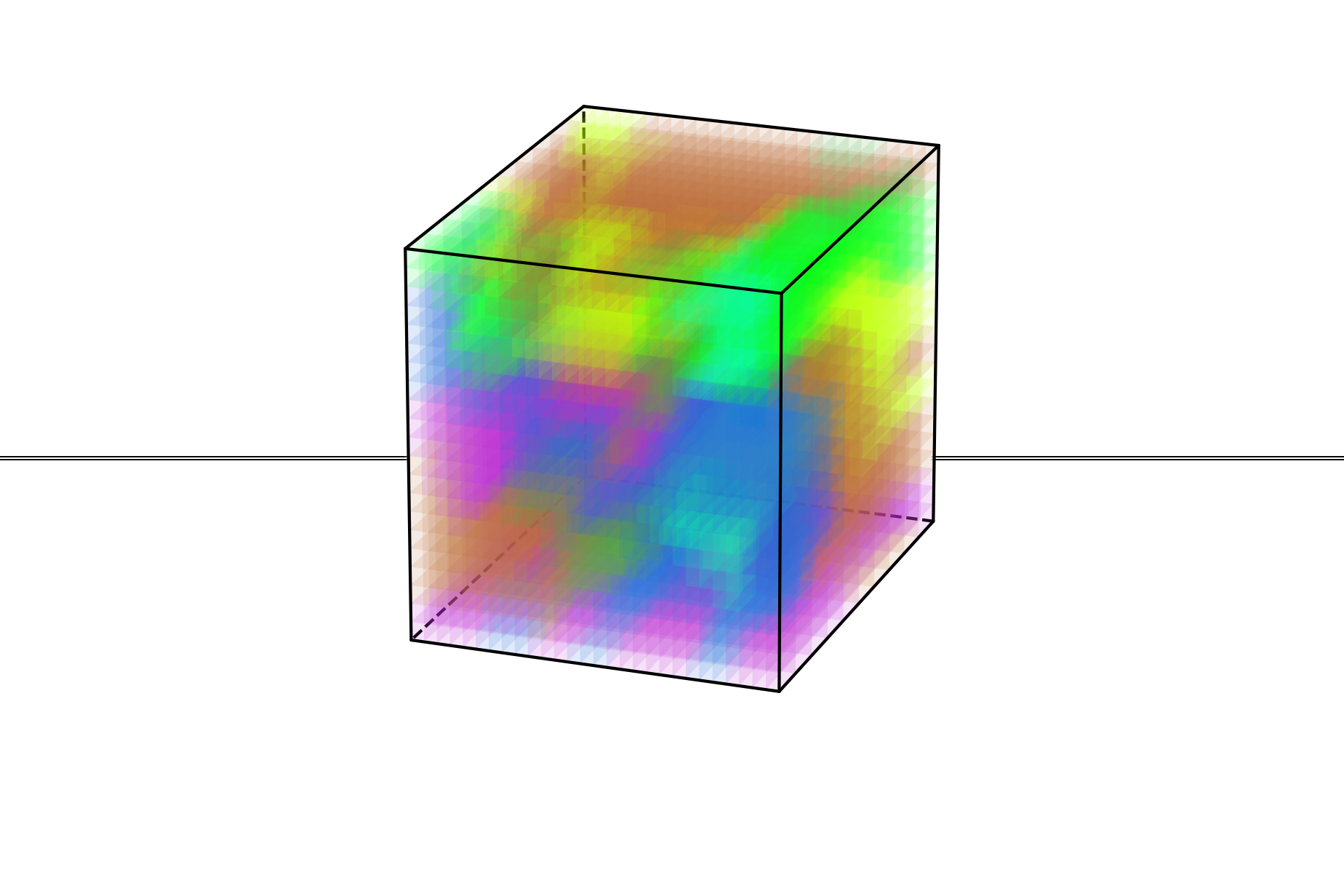
Multi-slice electron ptychography reveals the polar-domain structure inside lead magnesium niobate, the workhorse of medical ultrasound and sonar.
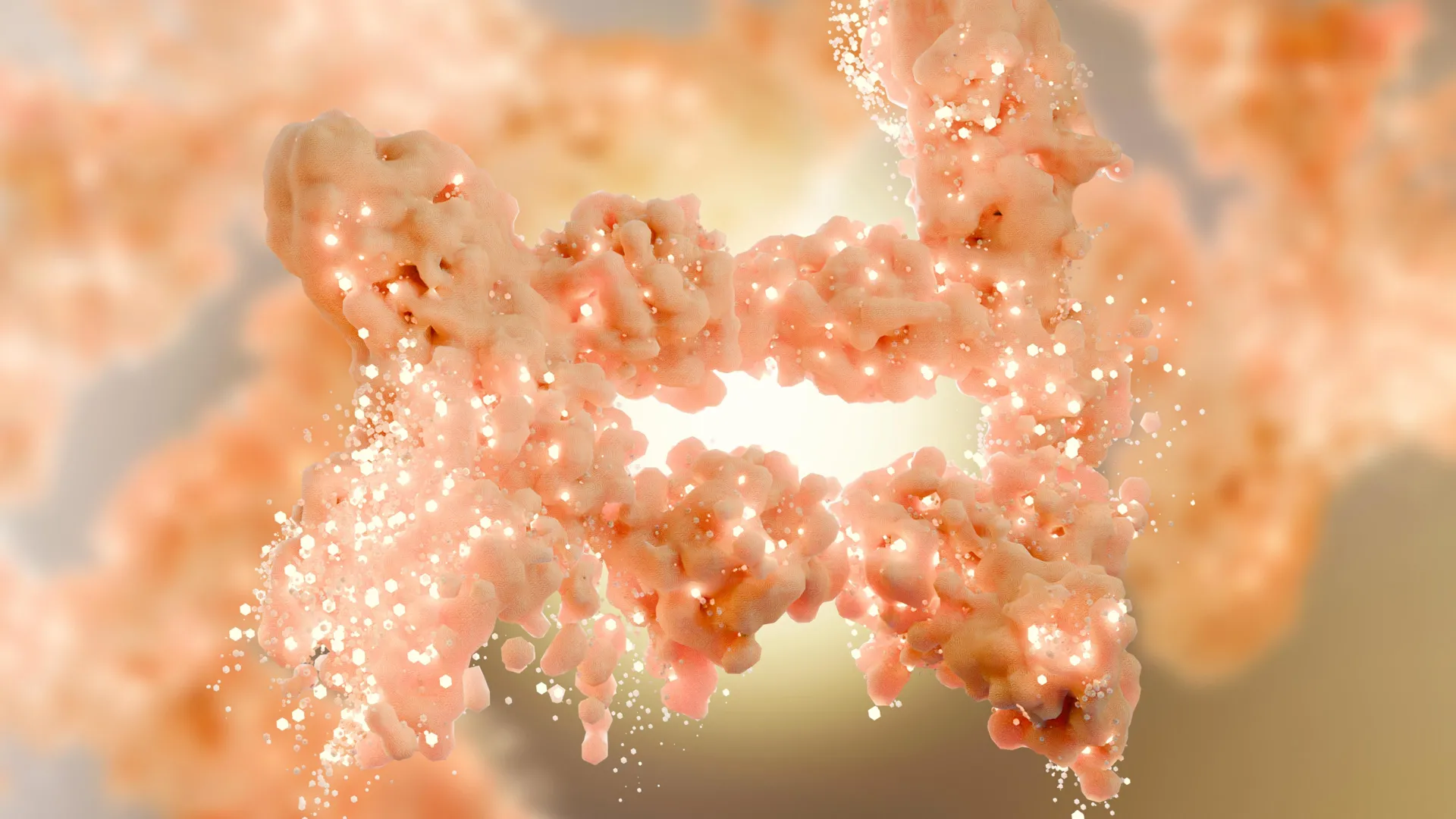
Scientists uncovered a surprising secret inside fat cells that could reshape how we think about obesity and metabolic disease.

The first rigorous demonstration of goal-directed learning in human brain organoids - success rate jumped from 4.5% to 46% - comes with a new open-source toolkit for the field.

Three-year follow-up data on bemdaneprocel show sustained motor improvement and stable safety in advanced Parkinson's patients, a milestone for cell-replacement therapy.

It is the first time a Greek literary text has been found deliberately incorporated into the embalming process — a 1,600-year-old puzzle for archaeologists.

Two papers published this spring project a 51% slowdown by 2100 and the first multi-latitude observational confirmation that the Atlantic conveyor is closer to a tipping point.
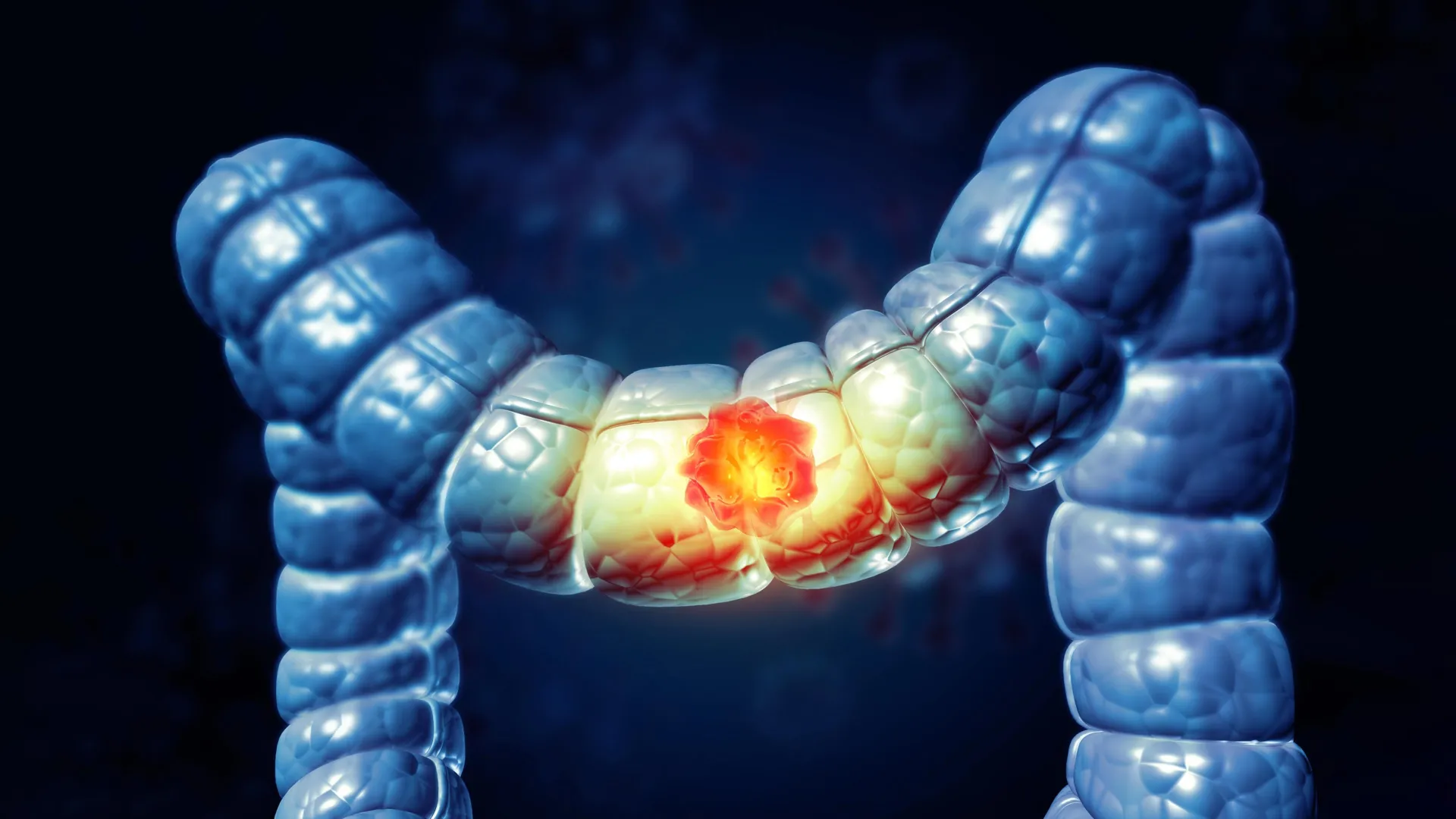
Pre-surgical pembrolizumab erased detectable disease in more than half of UCL-led trial patients, with no relapses after 33 months.

A new hafnium oxide device behaves like a synapse, switching at currents one million times lower than today's silicon — and could ease the AI industry's looming power crisis.
Clinical trial finds lubiprostone may slow chronic kidney disease by changing gut bacteria that boost spermidine production.

The University of Warwick's Rapid Automated Vetting of Exoplanet Candidate Networks confirmed 31 brand-new worlds and flagged 2,000 more, slashing planet-vetting time from months to ninety seconds.

Pairing temozolomide with the DNA-incorporating molecule EdU dramatically sensitizes brain-tumor cells to chemotherapy in preclinical models, and UNC researchers are filing for a Phase I human trial set to open in early 2027.

Recordings from more than 5,000 hippocampal neurons in surgical patients show the unconscious brain learns to distinguish tones within ten minutes and runs a predictive model of meaning while the patient cannot open their eyes.
Clinical trial of 150 patients reveals lubiprostone preserves kidney function by boosting gut bacteria that produce protective compounds, opening new treatment pathways.
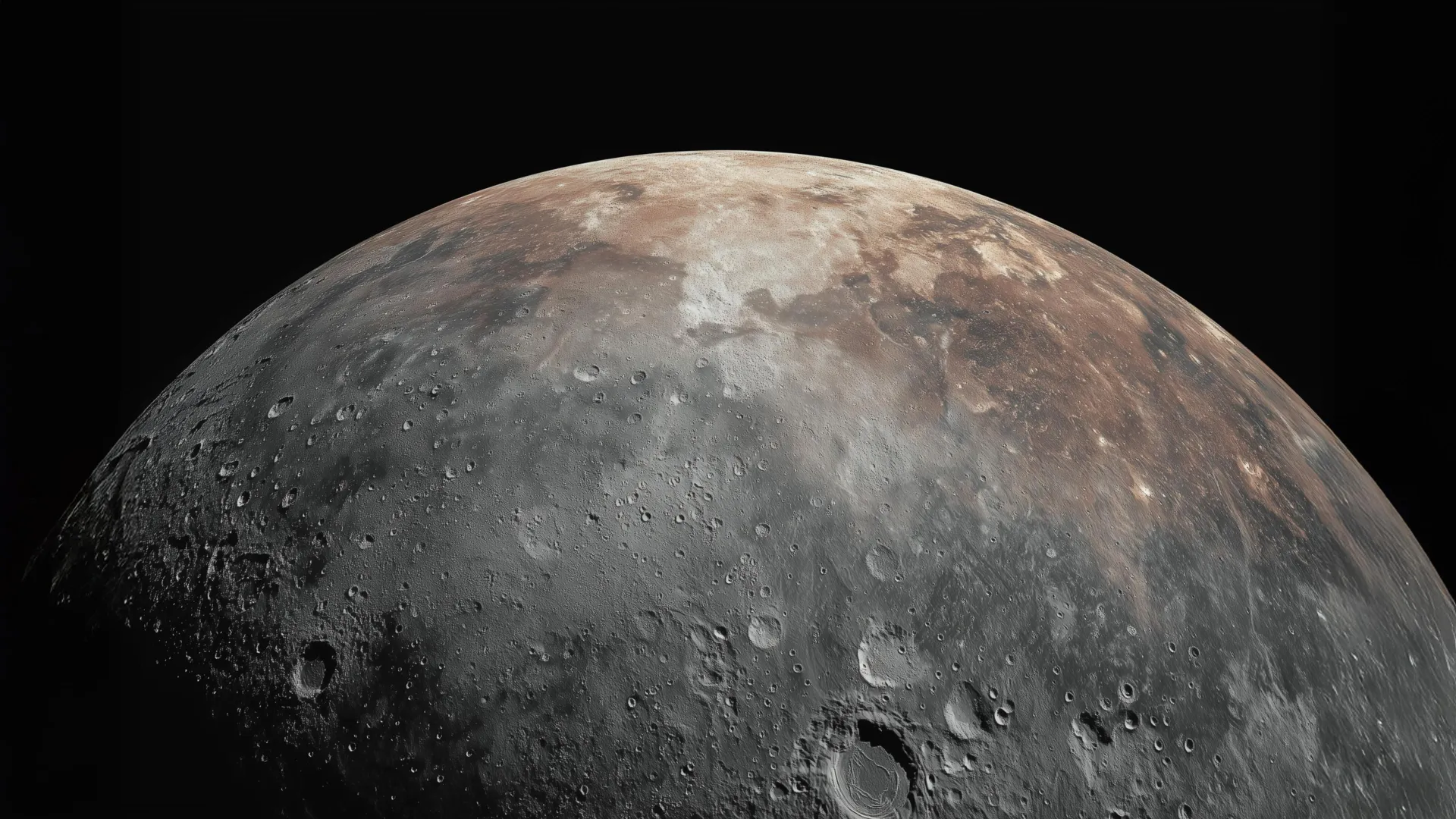
Using JWST's mid-infrared spectrograph, an MPIA-led team found the tidally locked exoplanet has no air, a 1,000-Kelvin dayside and a dark basaltic crust closer to Mercury than to Earth.

A University of Washington team unearthed a hamster-sized multituberculate that scampered through forests alongside the dinosaurs and may help explain how mammals survived the asteroid extinction.

Loma Linda University study of 40,000 participants finds daily egg intake significantly reduces dementia risk in adults 65 and older.
A microscopic pond organism from Oxford University Parks rewrites how genes signal their end, challenging fundamental assumptions about genetic translation.
A routine experiment with single-cell DNA sequencing revealed a microscopic pond organism that rewrites how genes signal their end, challenging fundamental assumptions about genetic translation.
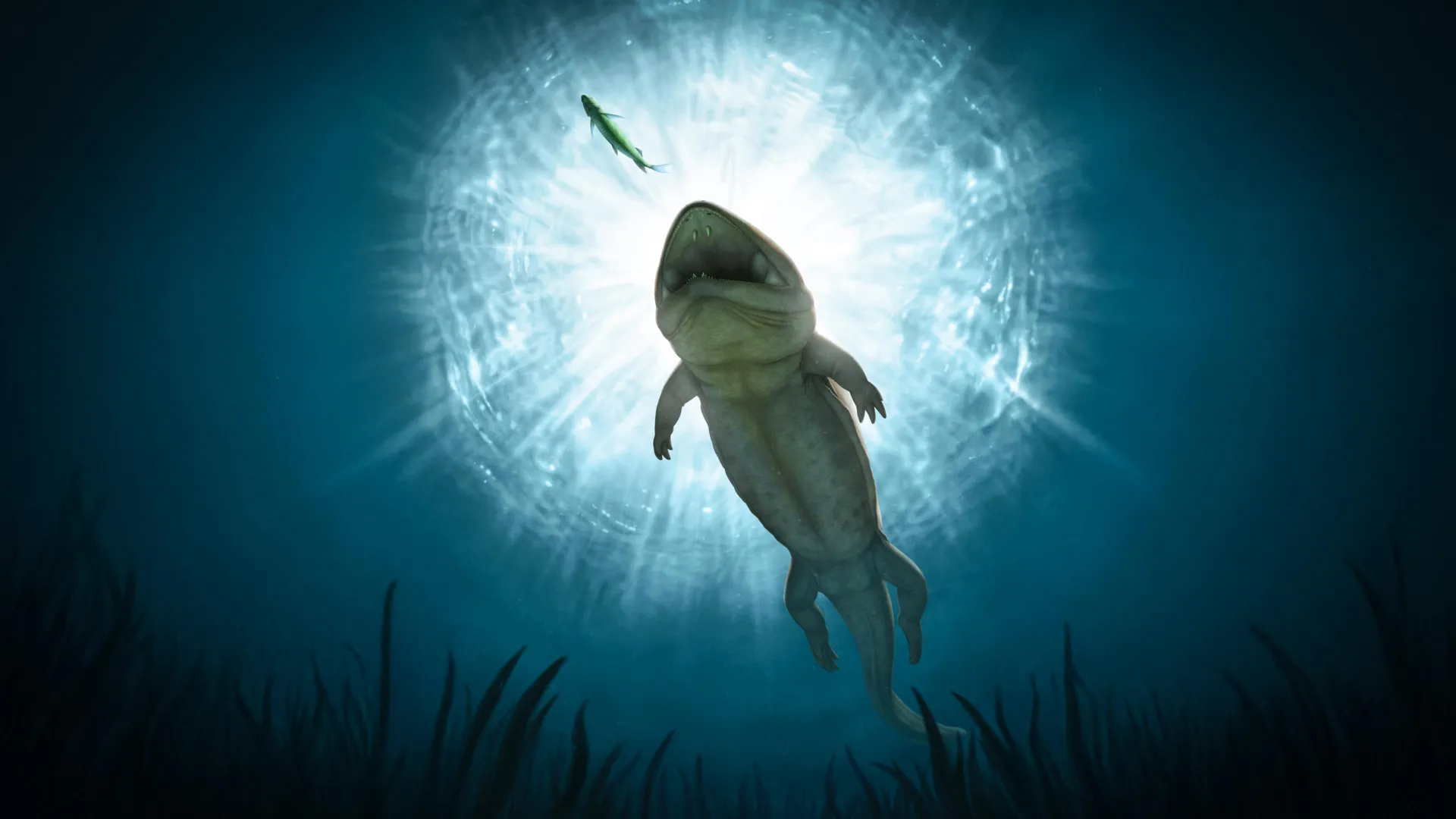
Scientists have identified Arenaerpeton supinatus, an ancient amphibian preserved with rare skin traces, after the fossil spent decades forgotten inside a garden wall.
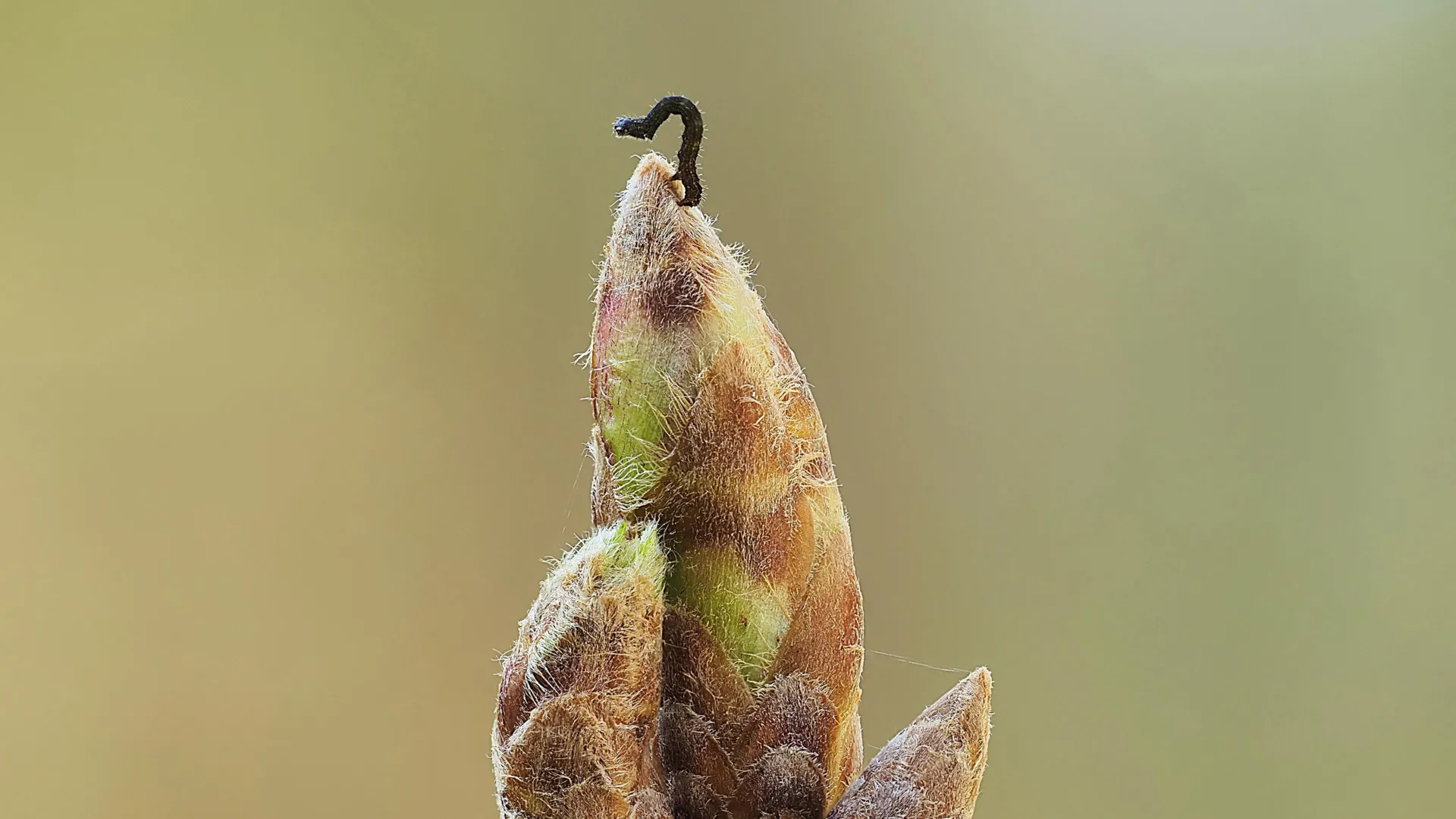
Trees shift leaf emergence by just three days after heavy insect attacks, cutting caterpillar damage by over half in surprisingly effective defense.
A forgotten fossil embedded in a retaining wall has been identified as one of Australia's most remarkable prehistoric finds, revealing a fearsome river predator with rare skin preservation.
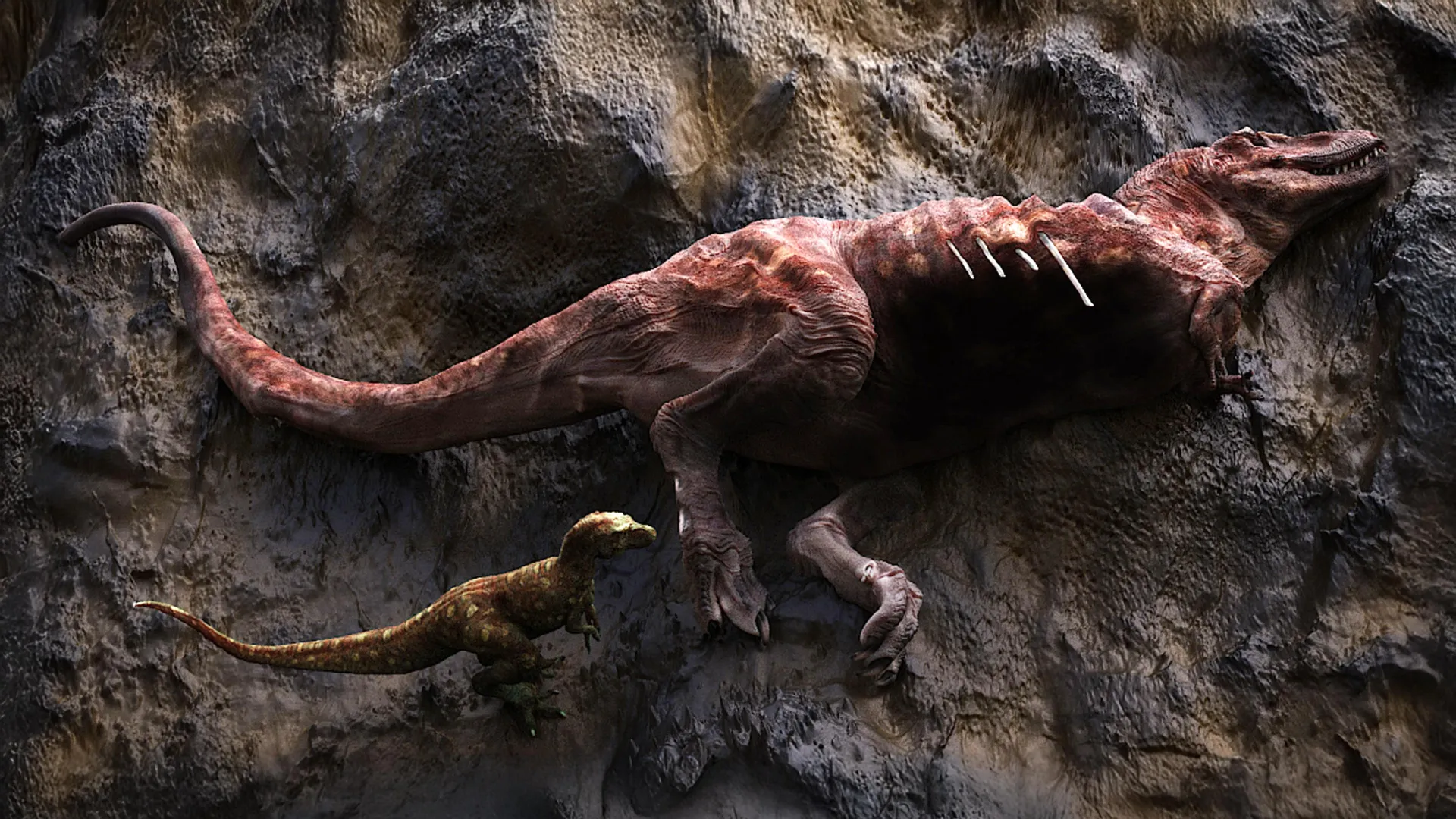
High-resolution 3D scans identify precise bite marks showing smaller tyrannosaur fed on remains of much larger relative, challenging predator stereotypes.
High-resolution 3D scans of bite marks on massive foot bone show smaller tyrannosaur scavenged remains of much larger relative.

Arginine reduces toxic brain protein buildup and improves behavior in animal studies, offering potential for affordable treatment approach.