Science
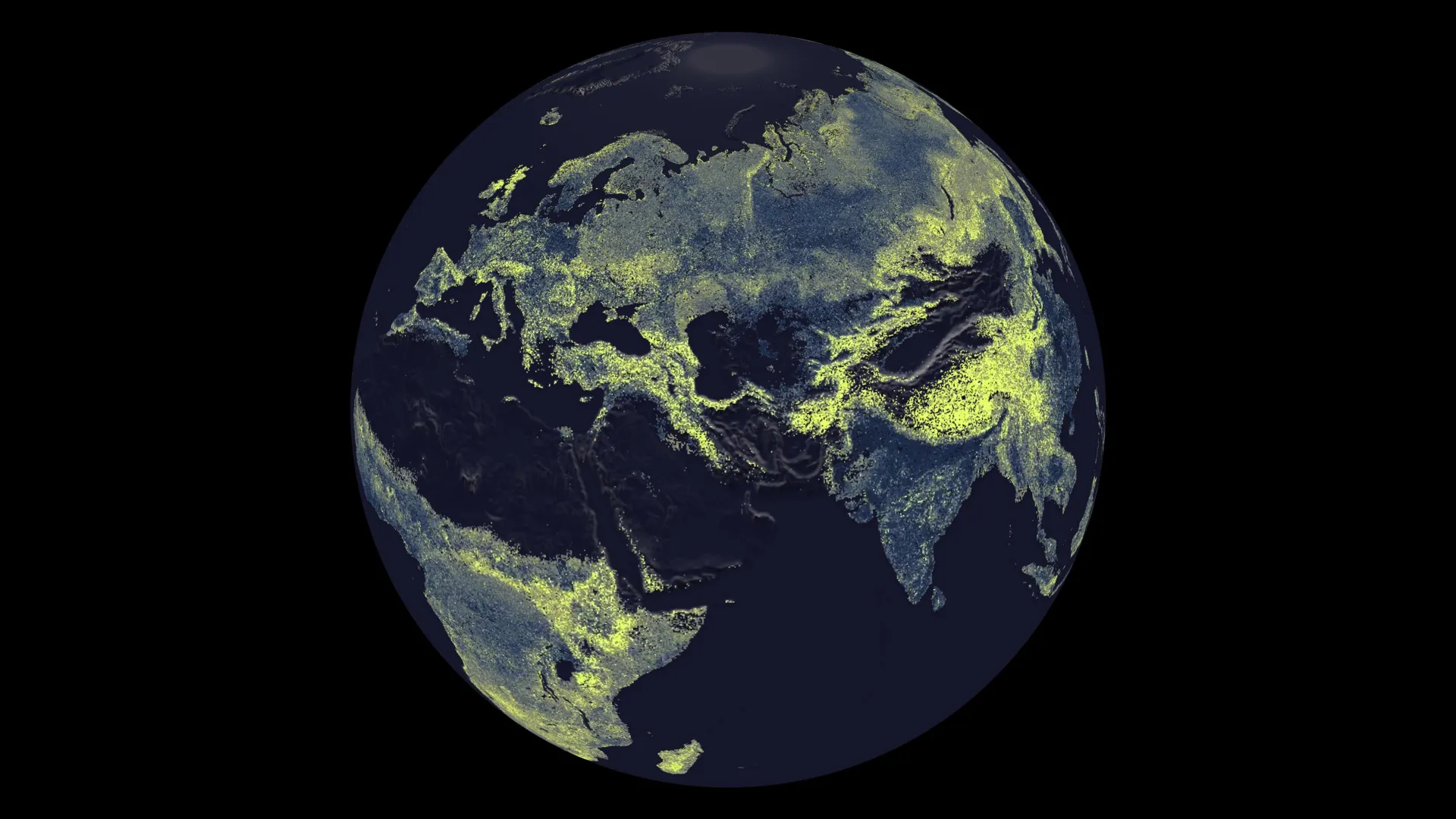
Scientists Map Vast Underground Fungal Networks Stretching 110 Quadrillion Kilometers
First global maps reveal hidden mycorrhizal infrastructure that moves 4 billion tons of carbon annually and supports most plant life on Earth.
Section
Science news: space, biology, climate, medicine and the research changing how we live.
First global maps reveal hidden mycorrhizal infrastructure that moves 4 billion tons of carbon annually and supports most plant life on Earth.
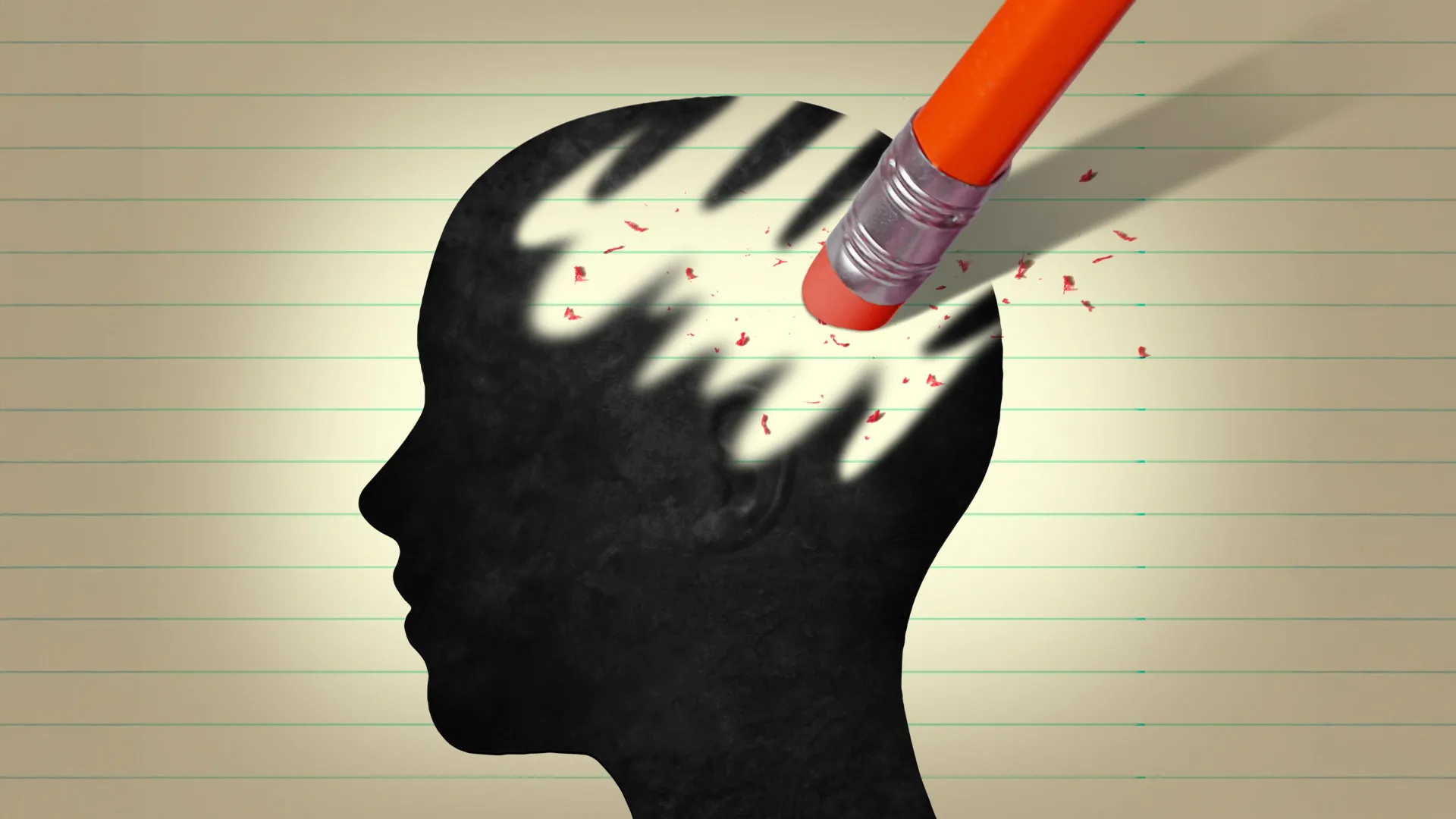
ETH Zurich researchers traced dementia to a malfunctioning protein clustering around brain cells' power plants, then showed an experimental molecule, Compound 10, could blunt the damage.
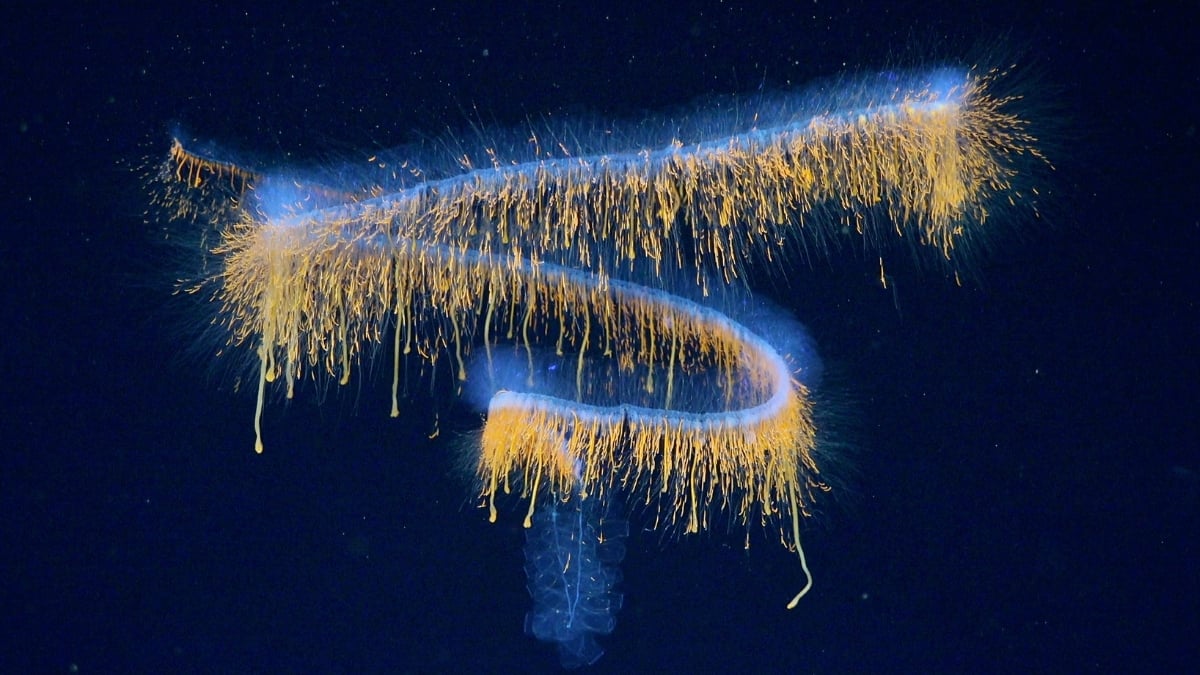
A Schmidt Ocean Institute expedition aboard the research vessel Falkor (too) catalogued dozens of previously undescribed midwater creatures and captured a first-ever 3D image of a living cell at sea.

Research from the Center for BrainHealth challenges the assumption that cognitive decline is inevitable, finding that daily habits can strengthen the mind at any age.

Mice on a sucrose-free low-fat diet showed worse blood sugar control, more inflammation and disrupted gut bacteria than those who ate some sugar, researchers reported at ENDO 2026.
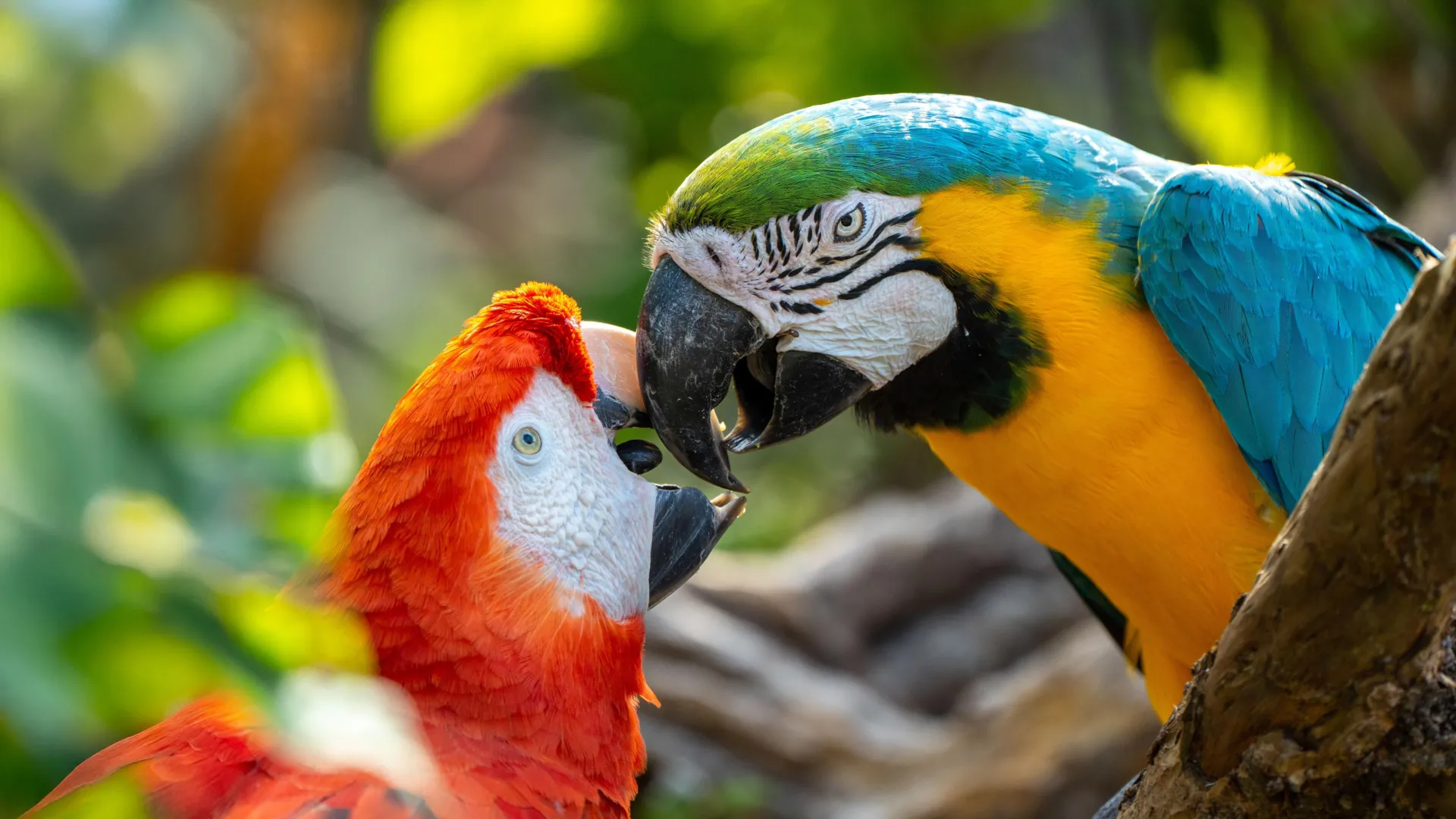
Analysis of 880 captive parrots reveals birds using names in ways similar to humans, including referring to absent individuals.
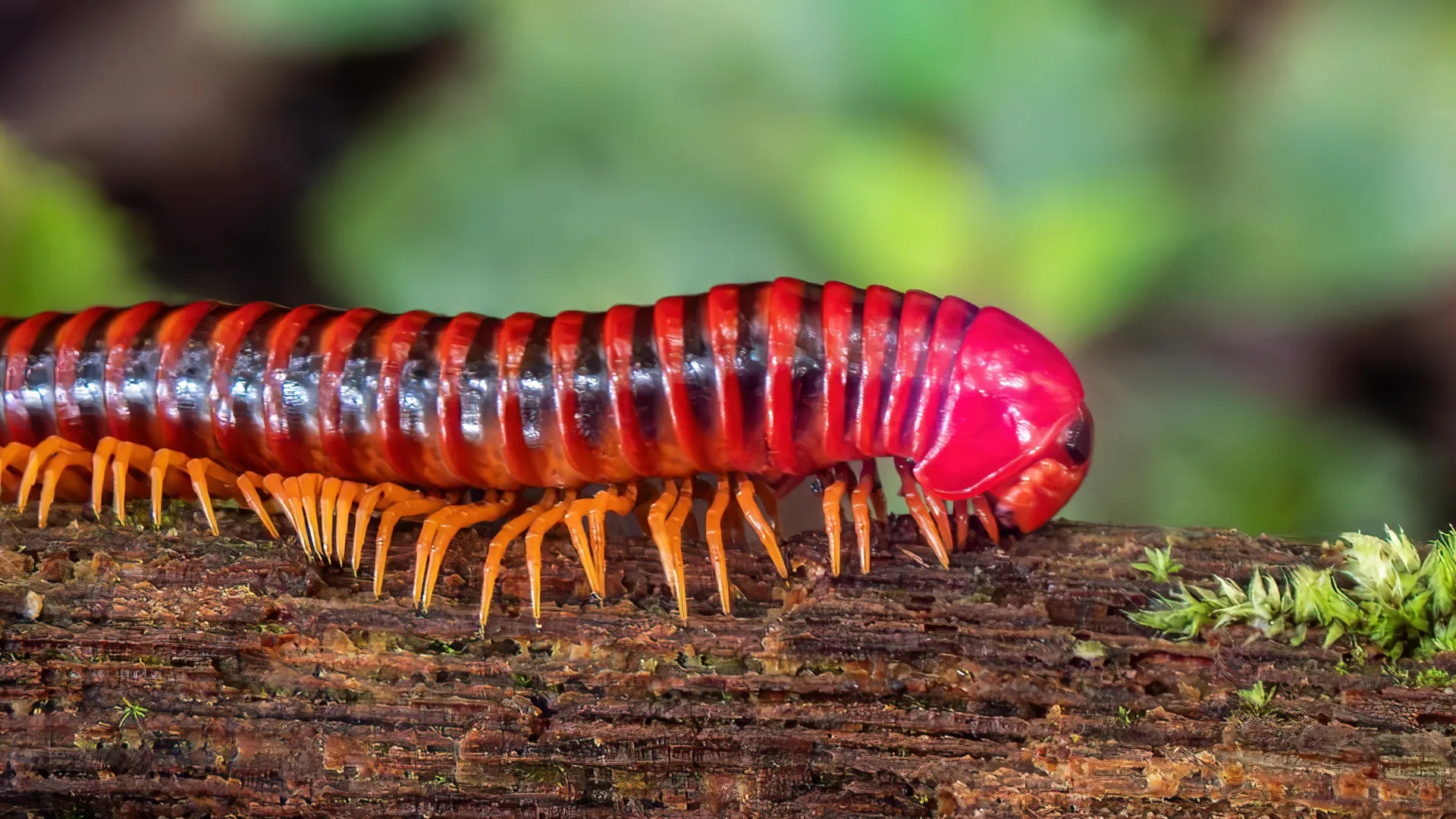
Scientists assembled the first complete evolutionary history of every living millipede order, tracing the leggy creatures back roughly 460 million years — long before any vertebrate crawled ashore.
Drawing on recordings of hundreds of companion parrots, researchers found striking evidence that some birds attach specific names to specific individuals — not just mimicry, but labels.

Americans born in the 1960s and early 1970s report higher levels of loneliness and depression than earlier generations, while other wealthy nations see improvements.

A South Korean team recreated the legendary fabric using waste fibers from a farmed clam, decoding why its golden glow never fades.
A study finds that a sliver of the genome making up less than a tenth of a percent of our DNA predicts language ability better than the other 99.9% combined.
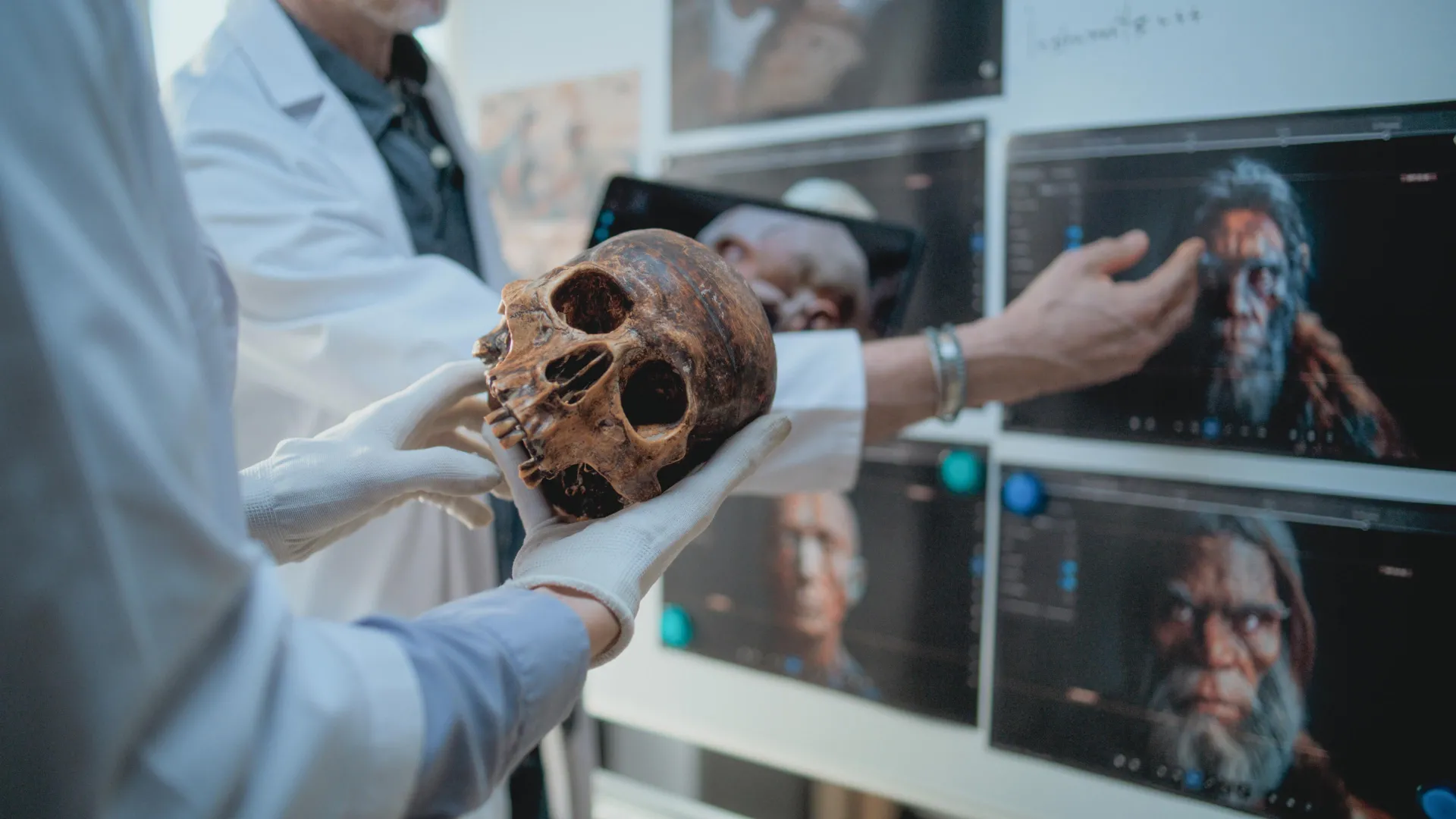
Genomes from across Oceania reveal that interbreeding with at least three Denisovan groups left gene variants that still shape how people fight infection today.
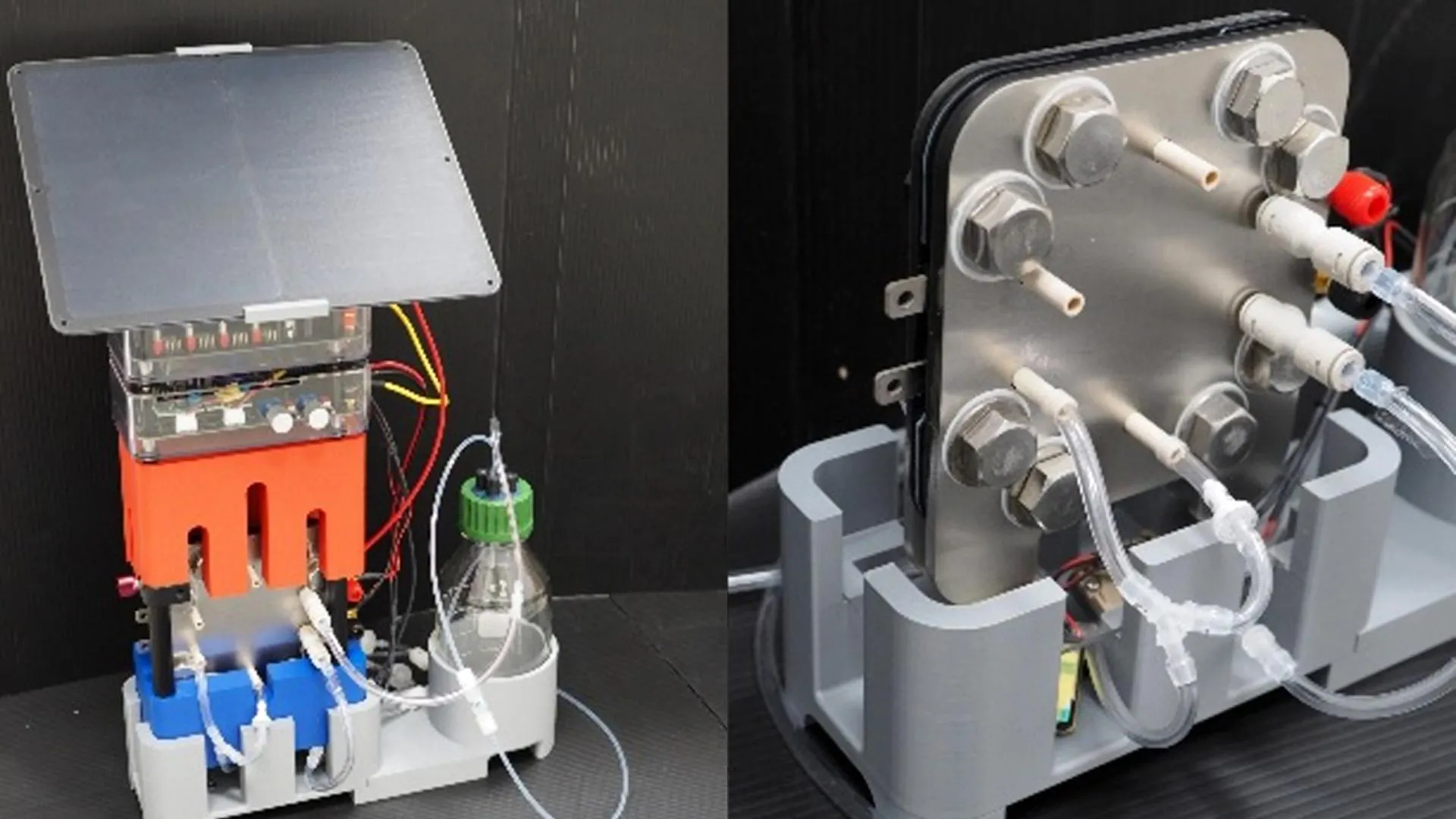
Osaka Metropolitan University researchers built a solar device that tracks its own peak power as the sun shifts, turning carbon dioxide and water into fuel without batteries or electronics.
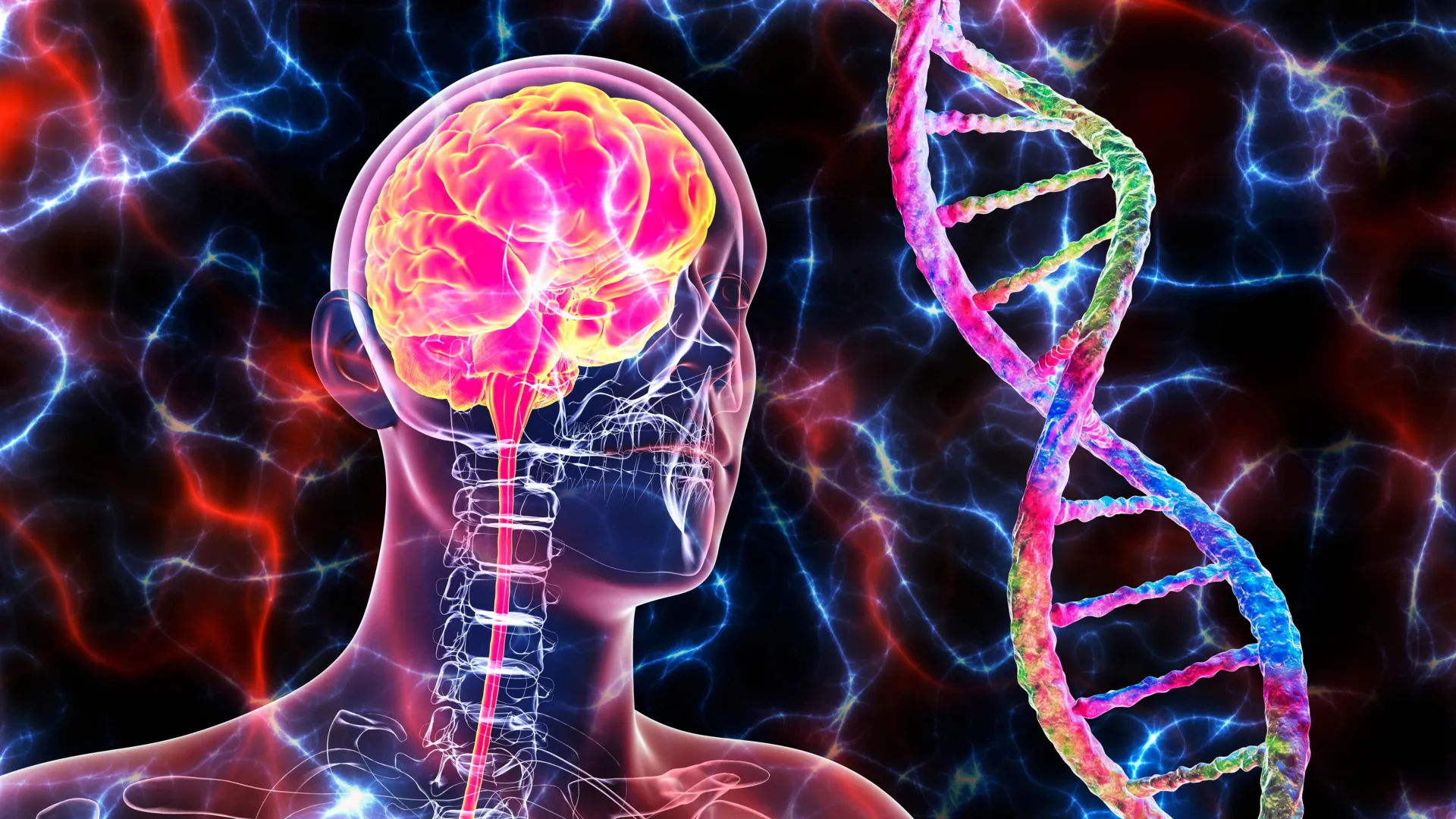
A Boston Children's Hospital team found that microglia accumulate the same mutations that fuel blood cancers — and instead of cancer, they may stoke the inflammation that kills neurons.

Scripps Research scientists report a shot that trained animals' immune systems to block roughly 70% of fentanyl — and a wide range of designer copycats — from reaching the brain.
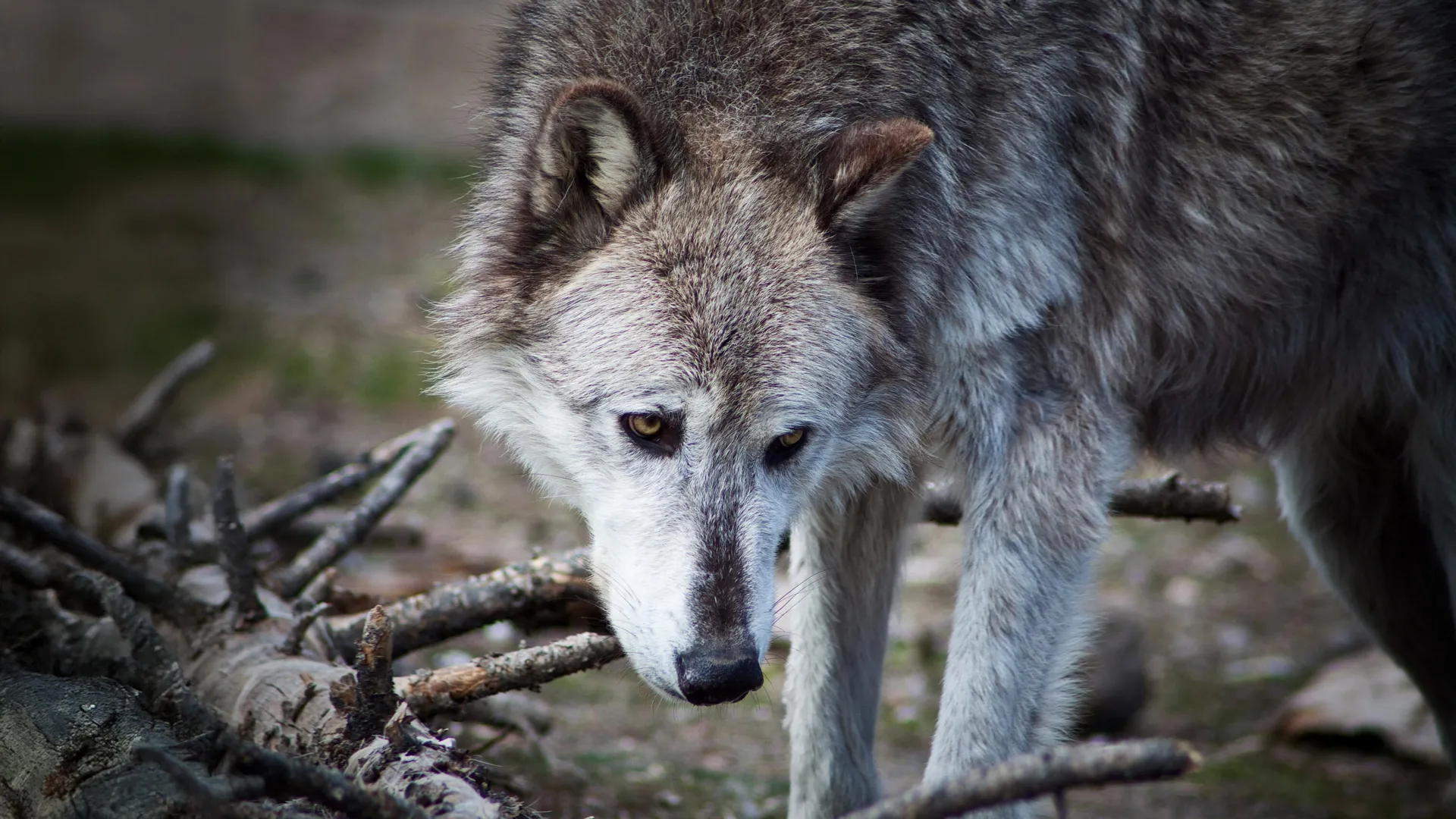
New analysis challenges famous trophic cascade study, finding no evidence for dramatic park-wide surge in willow growth following wolf recovery.
A study tracking more than 147,000 people for up to 30 years found that a modest weekly dose of resistance exercise sharply cut the risk of death — with no added benefit beyond two hours.

Four-year study shows older adults who continued practicing maintained cognitive performance while those who quit experienced memory decline.
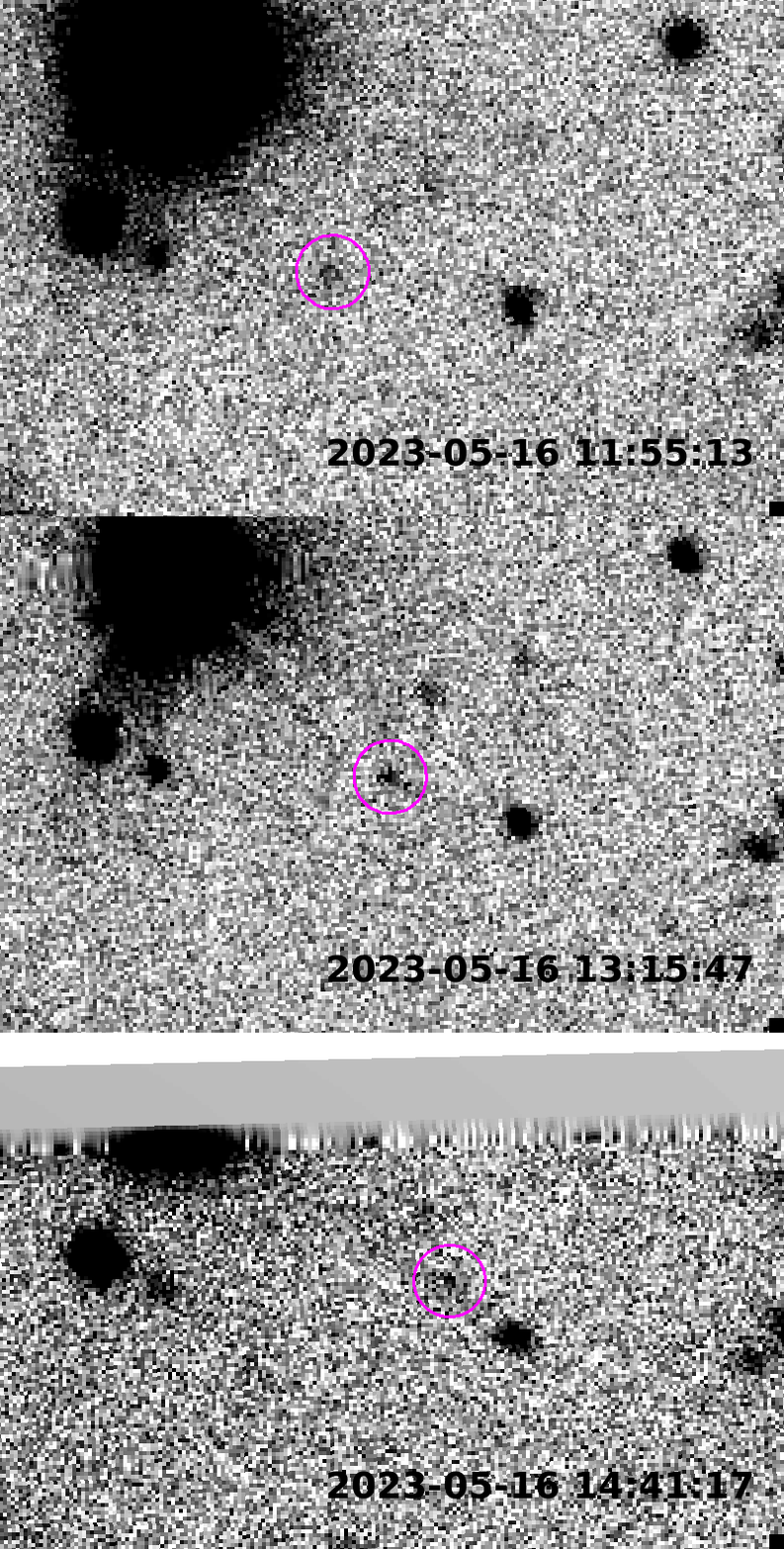
The distant object 2023 KQ14, spotted by Japan's Subaru Telescope, follows a surprisingly stable orbit that complicates the case for a hidden ninth planet.
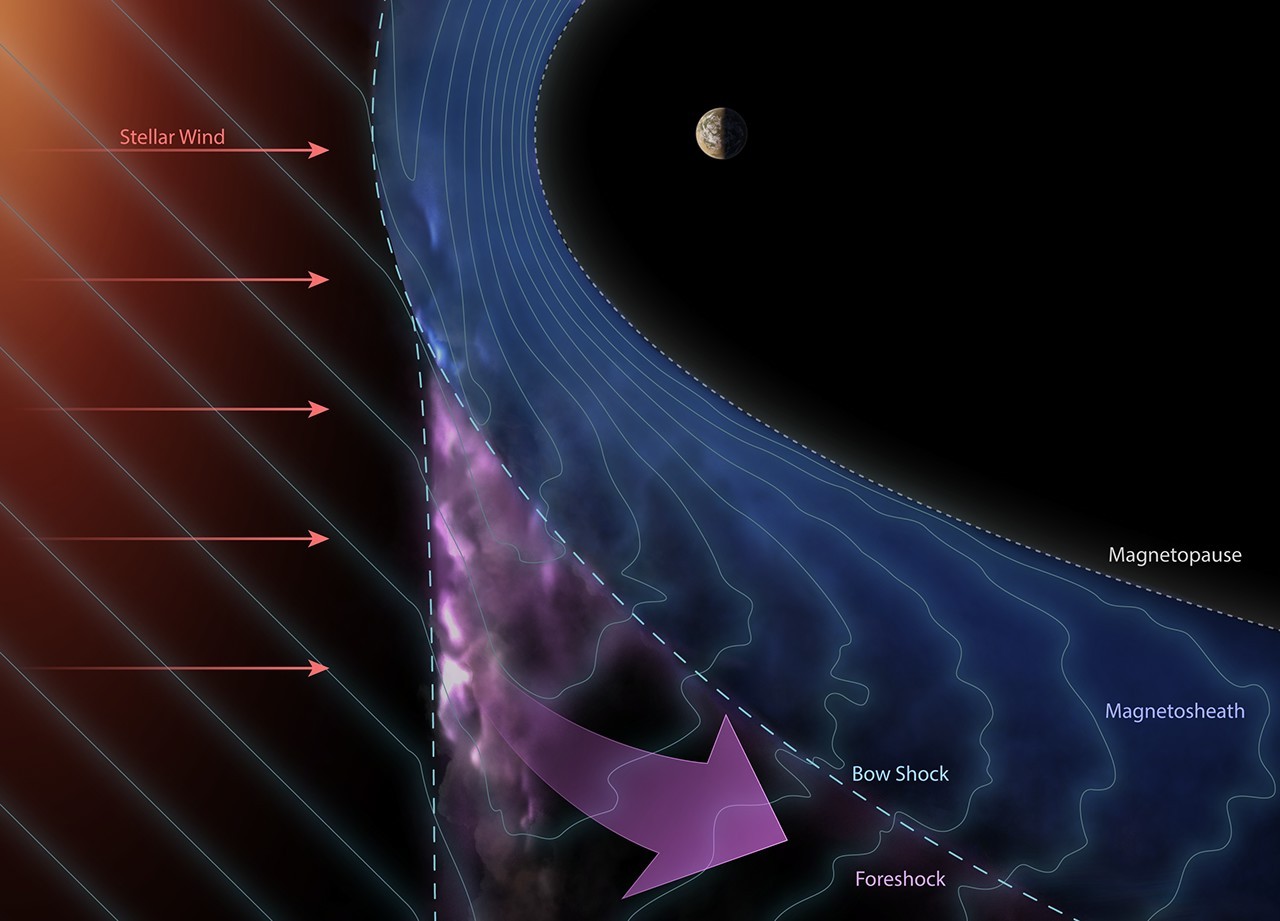
Electrons accelerated in the turbulent region ahead of Jupiter's bow shock offer the first direct evidence that the same process powering them also forges cosmic rays across the galaxy.
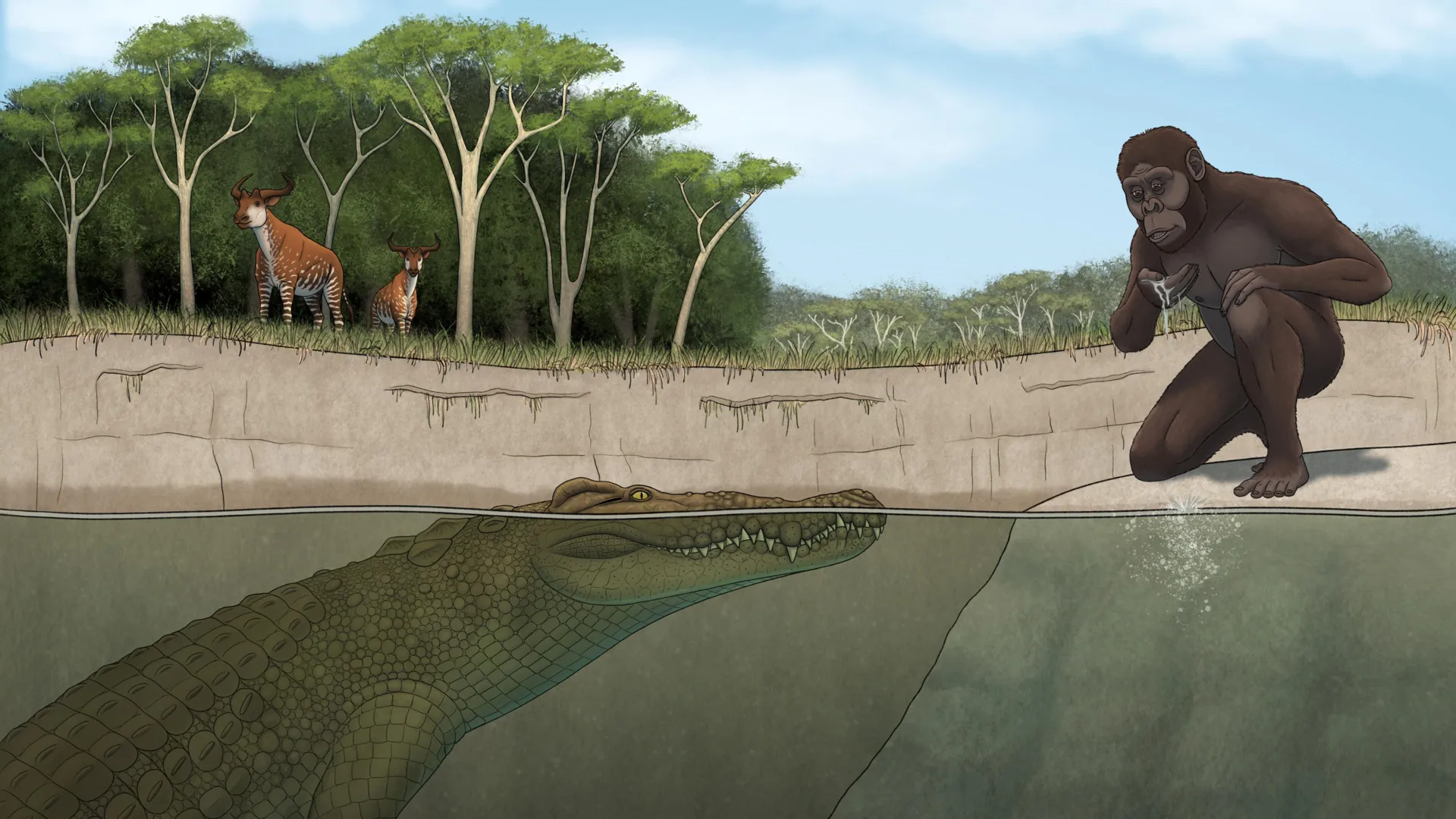
Newly identified species prowled Ethiopian rivers 3 million years ago when Lucy's species walked the Earth.

Astronomers detected sharply different conditions at the dawn and dusk edges of an ultra-hot gas giant, a feat made possible only by the space telescope’s sensitivity.
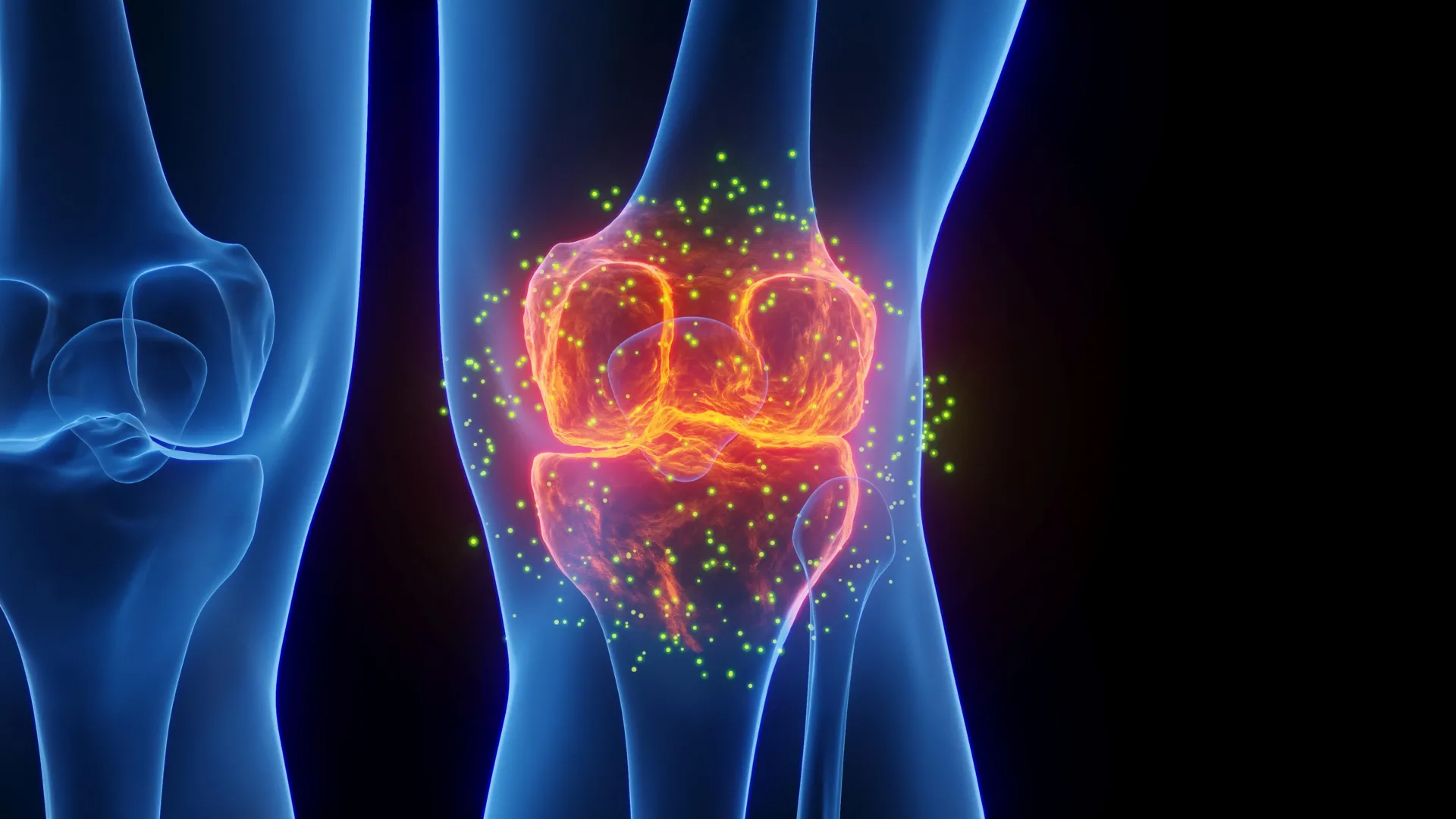
A treatment that targets a “gerozyme” restored shock-absorbing cartilage in old mice and prevented arthritis after joint injuries, raising hopes of avoiding knee and hip replacements.
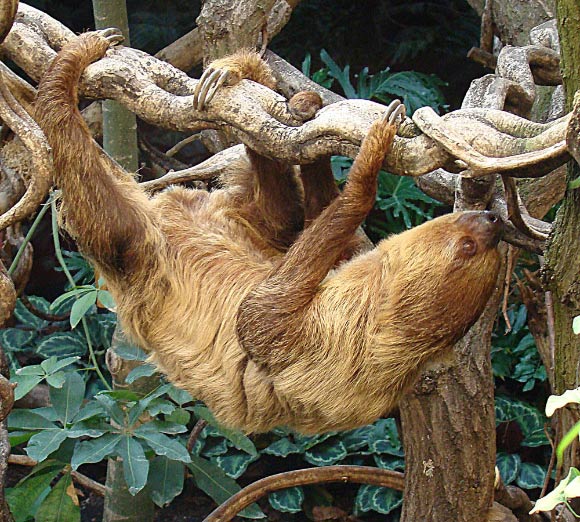
Researchers who sequenced the two-toed sloth genome found unique mobile DNA elements, conserved over 30 million years, that appear linked to the animal’s famously sluggish metabolism.
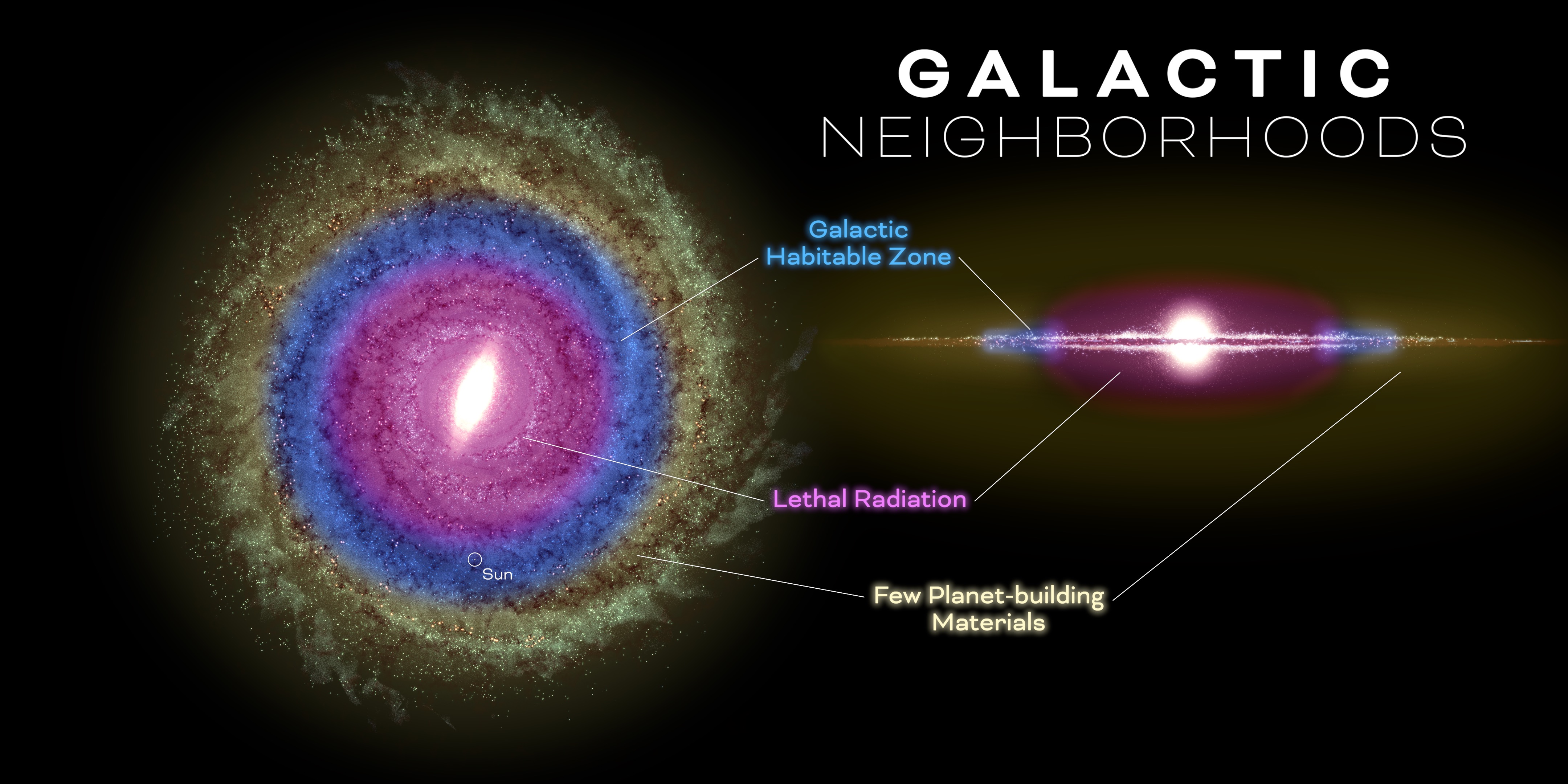
Set to launch this fall, the Nancy Grace Roman Space Telescope will use gravitational microlensing to find planets, rogue worlds, black holes and neutron stars across the Milky Way's crowded core.
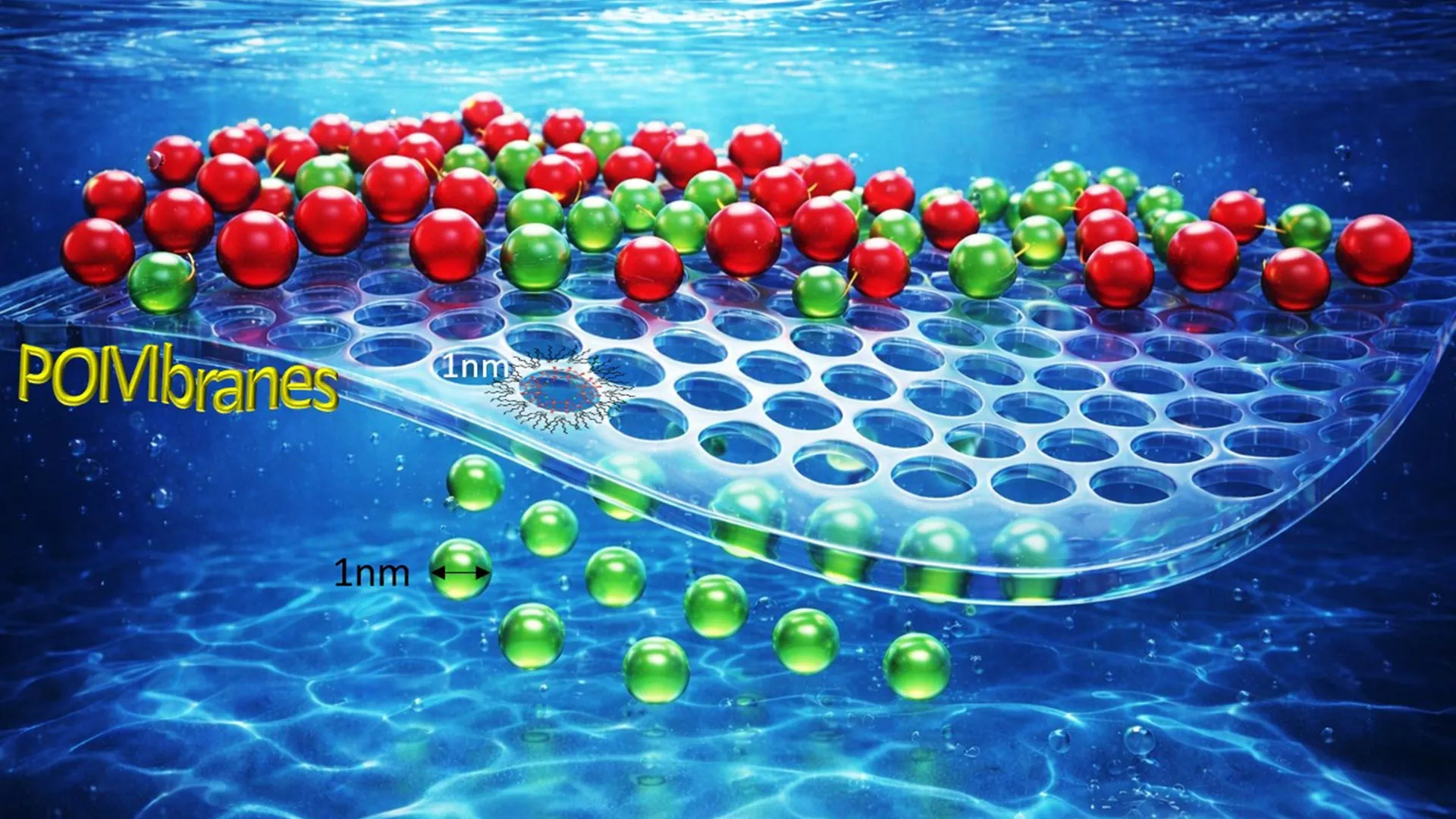
Nature-inspired membrane technology could transform industries by dramatically reducing energy consumption while improving separation performance beyond current capabilities.
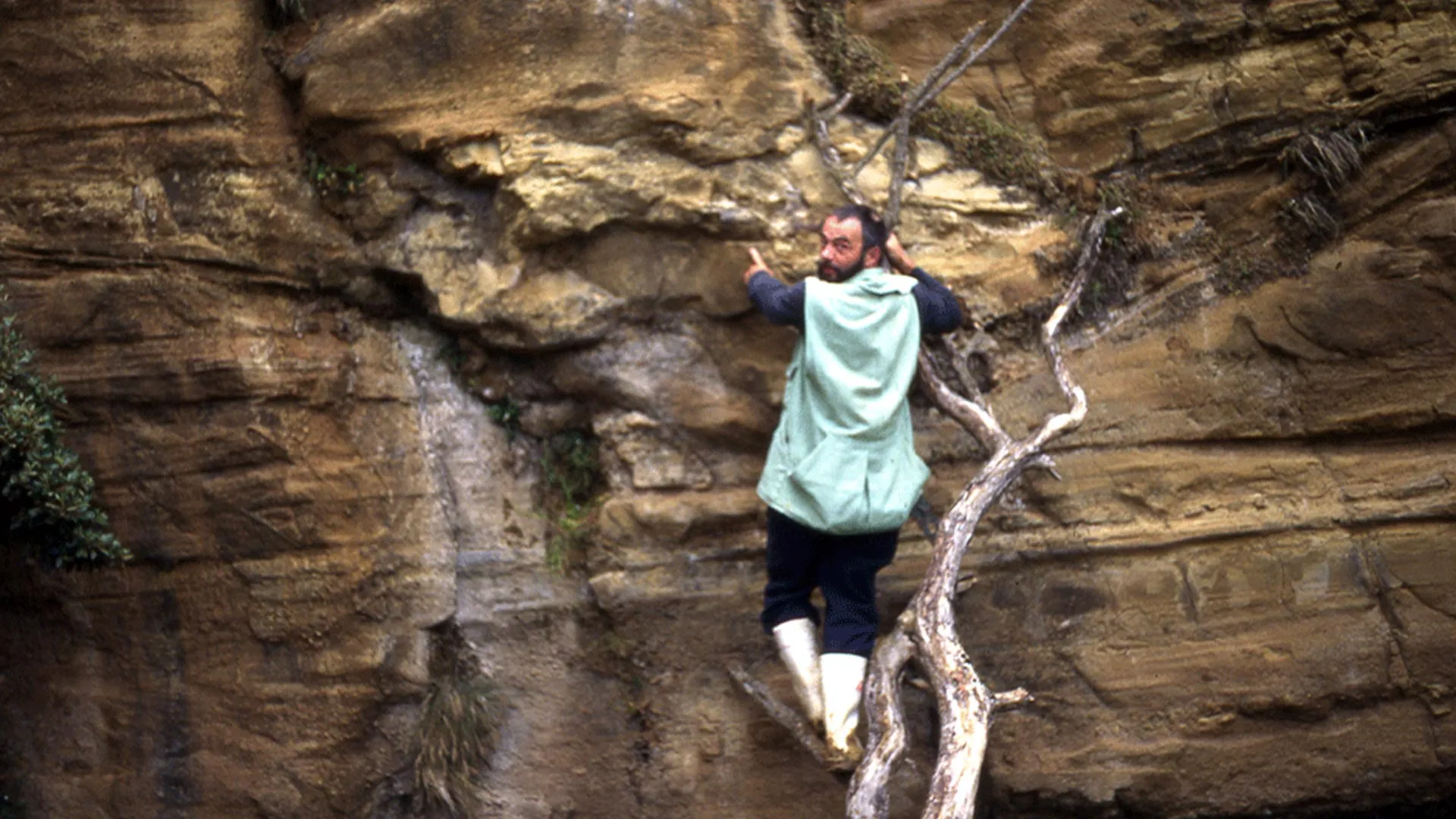
The spectacular 1.2-meter fossil discovered on a remote New Zealand cliff has been identified as an ancient tarpon-like predator thanks to the late collector's recovered notebooks.
Nature-inspired membrane technology could transform industries by dramatically reducing energy consumption while achieving unprecedented molecular separation precision.
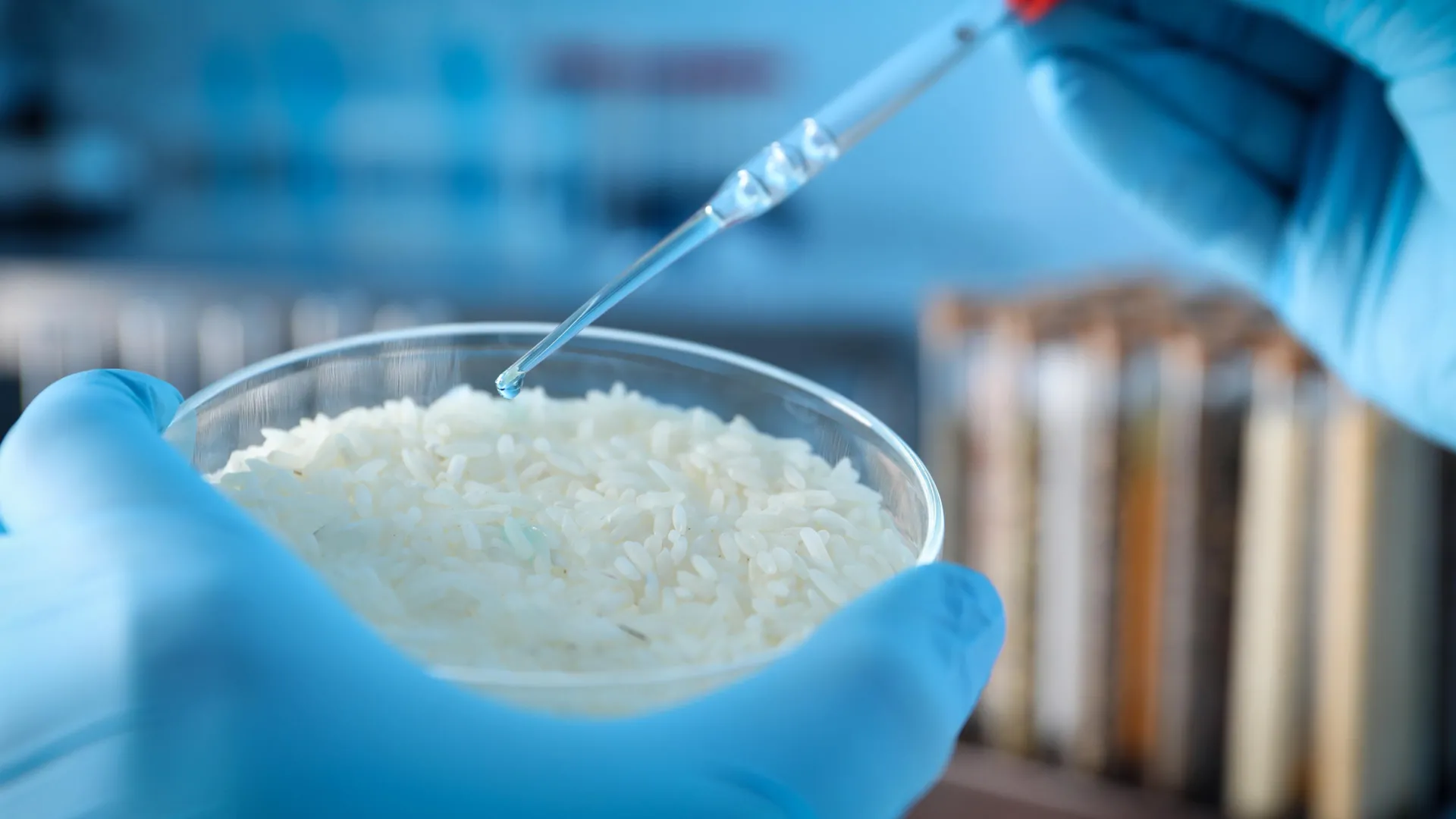
Researchers discovered rice weakens under rapid compression but stays strong under slow pressure, leading to self-adapting materials for robotics and safety equipment.
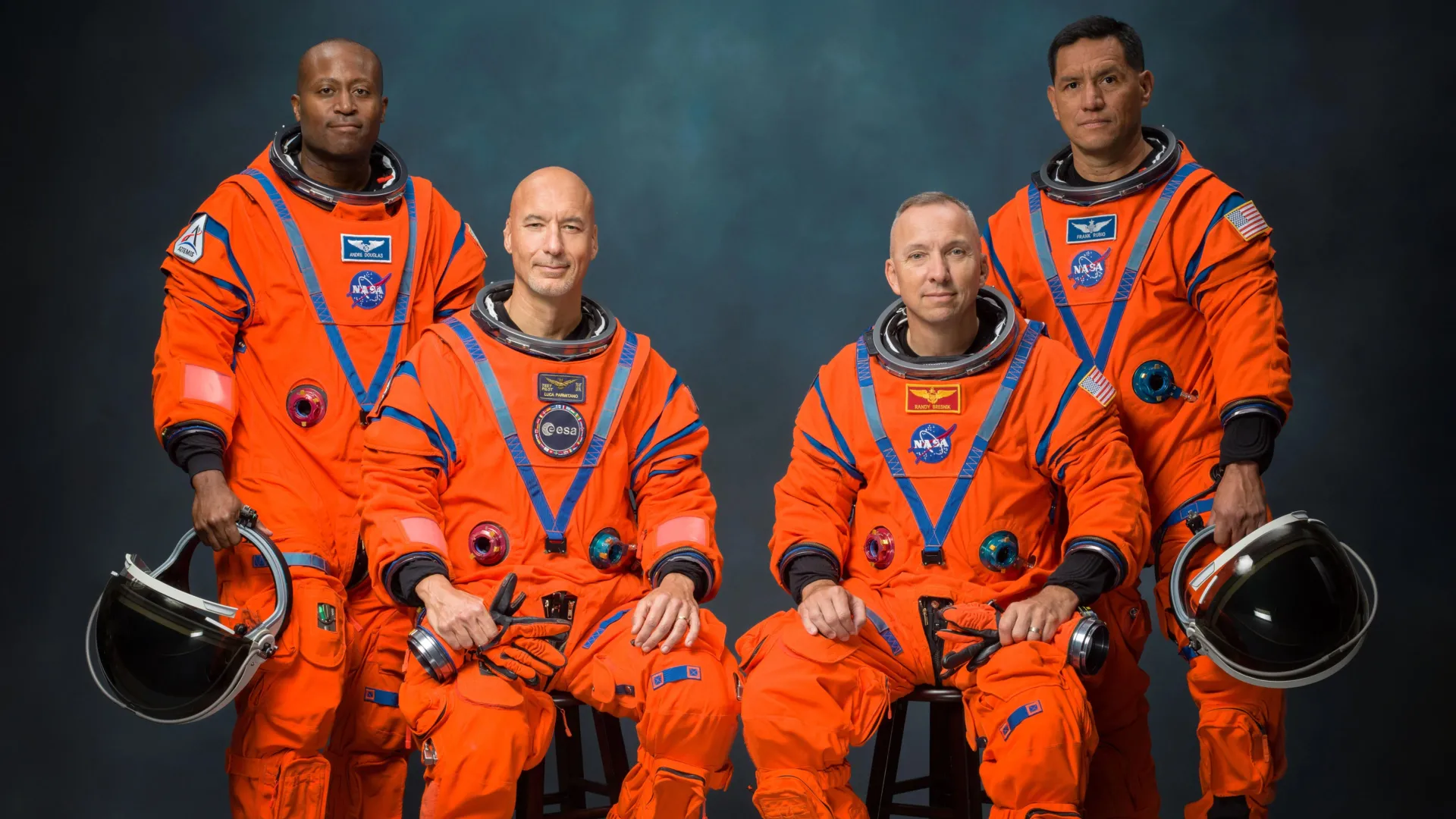
Four astronauts will test unprecedented docking operations with Blue Origin and SpaceX landers in Earth orbit, paving the way for 2028 Moon landing.