Science
Japan's Hayabusa2 Buzzes a 'Two-Headed' Asteroid 62 Million Miles From Earth
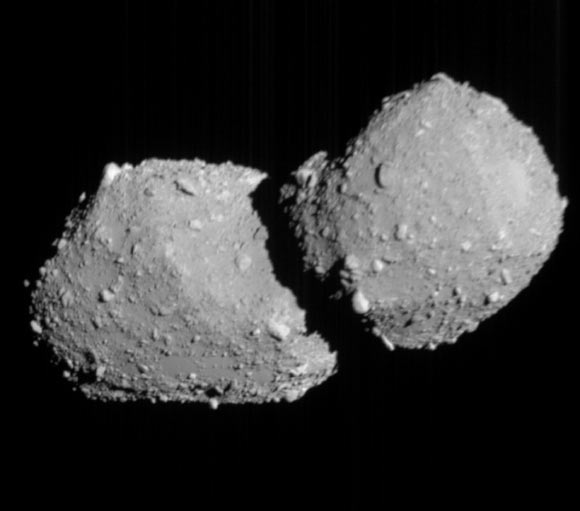
The veteran probe swept within six miles of Torifune, snapping close-ups of a snowman-shaped space rock on the first stop of its extended mission.
Section
Science news: space, biology, climate, medicine and the research changing how we live.
The veteran probe swept within six miles of Torifune, snapping close-ups of a snowman-shaped space rock on the first stop of its extended mission.

A new analysis of bones from an Indonesian cave suggests Homo floresiensis neither hunted big game nor controlled fire, deepening the mystery of its origins.

UCLA researchers report that the popular muscle-building compound energizes dendritic cells — the immune system's scouts — potentially making cancer immunotherapy work for far more patients.

Genetic analysis of 132 skeletons in a megalithic tomb near Paris shows the community that built it collapsed — and centuries later, unrelated newcomers from the south were burying their dead in the same graves.

So dim it nearly escaped detection, the newly confirmed dwarf galaxy And 35 is about 12.5 billion years old and offers a rare window into the universe's first generations of stars — and the nature of dark matter.

The galaxy M1149-BSG-z5 already had a central bar of stars less than 1.2 billion years after the Big Bang — a structure astronomers assumed couldn't exist so early, and one that rewrites the timeline for how galaxies grow up.
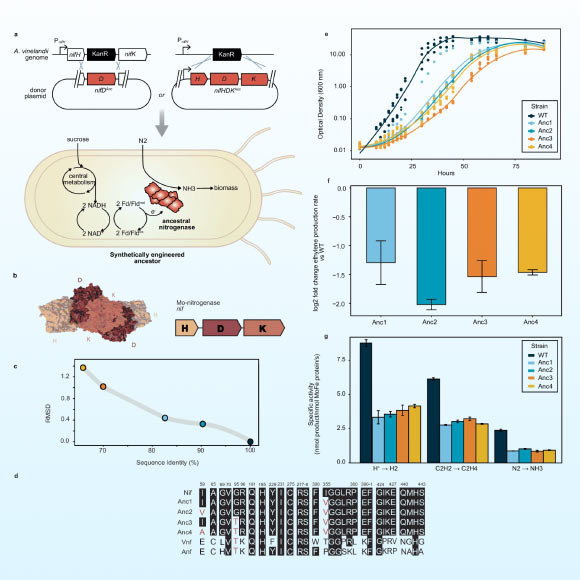
By rebuilding an ancient version of nitrogenase, researchers reopened a window on how microbes fed themselves before oxygen — and handed astrobiologists a chemical fingerprint to hunt for life beyond Earth.
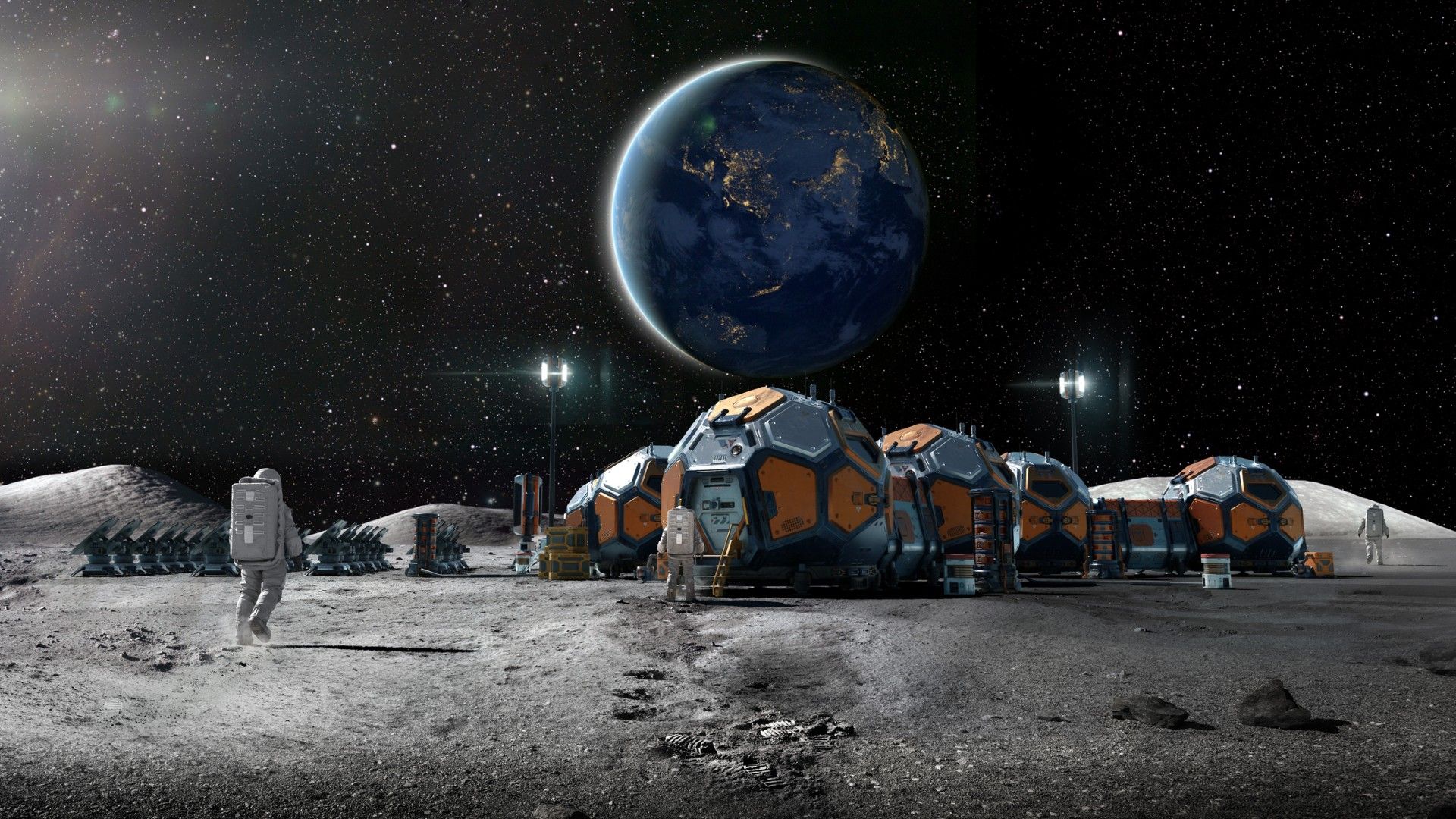
A new proposal argues that rock and soil returned from Mars and beyond should be screened at a robotic facility on the Moon first — casting the lunar surface as humanity's first line of biological defense.
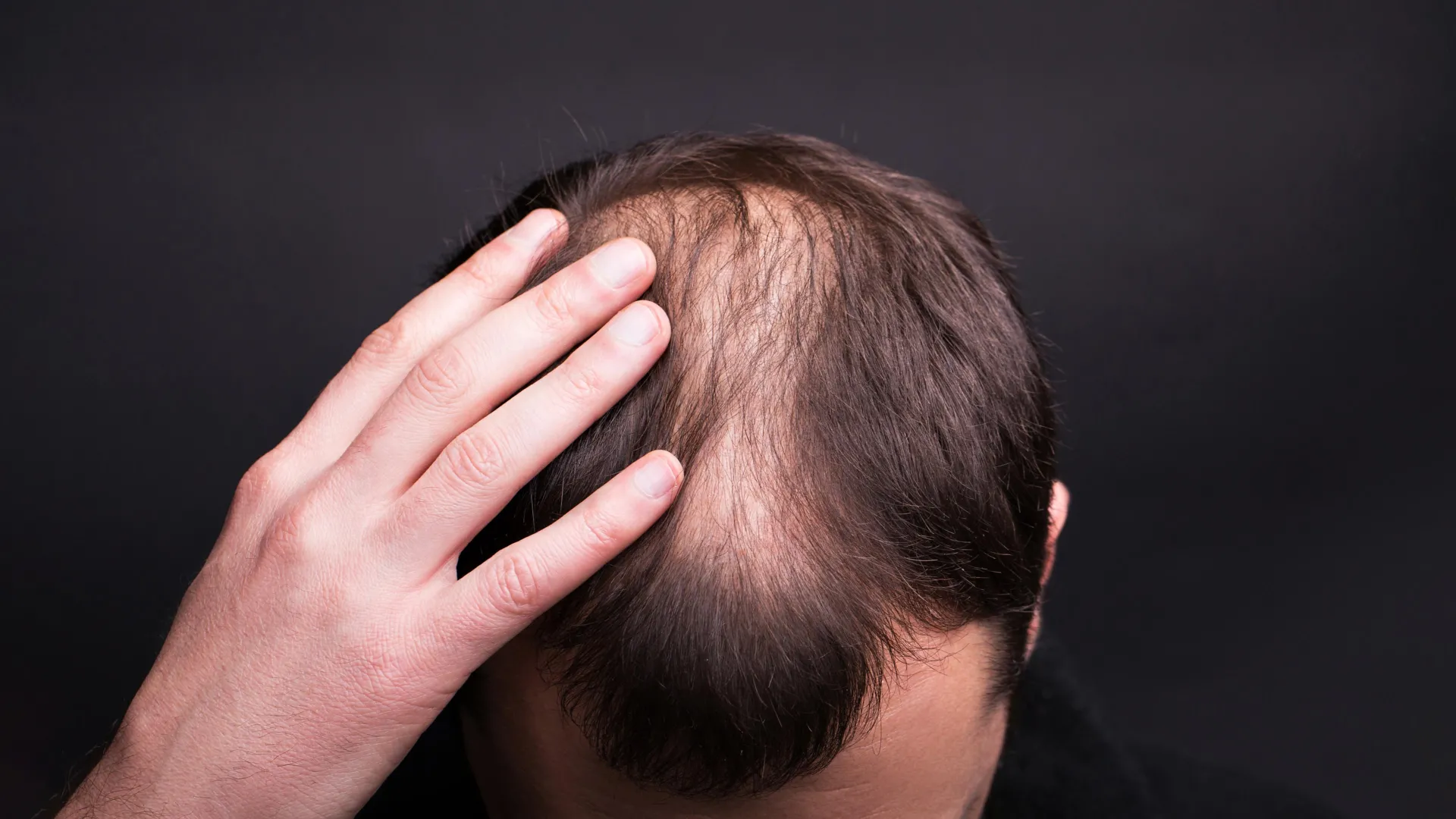
Using 3D live imaging of follicles kept alive in the lab, researchers found that coordinated cell movements act like a tiny motor, tugging the hair shaft upward — a discovery that could reshape baldness treatments.
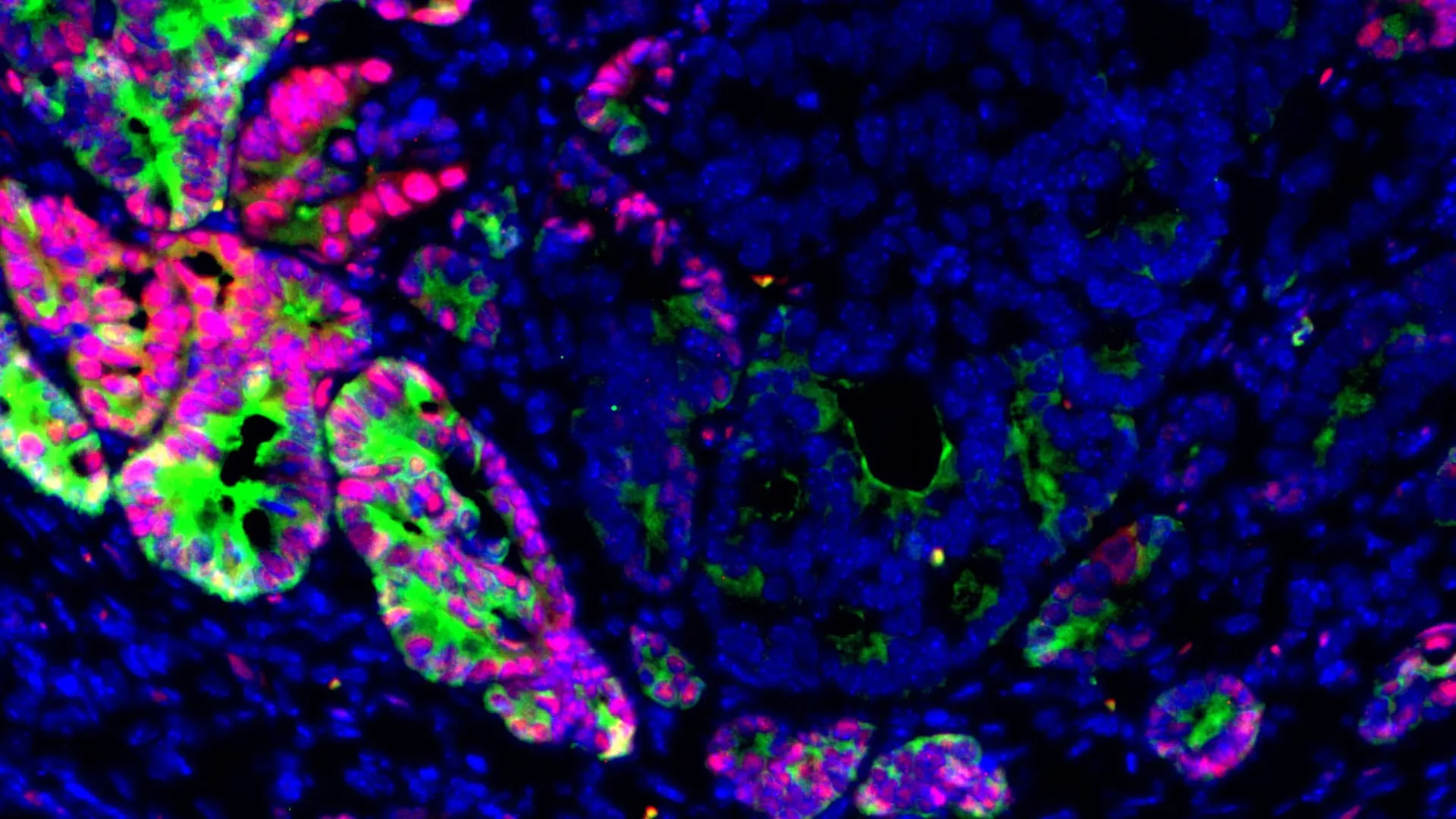
When levels of a gene-regulating factor called GATA6 fall, colorectal cancer cells revert to a primitive, fetal-like state that can invade the bloodstream and seed tumors in the liver, a Weill Cornell and MIT study finds.
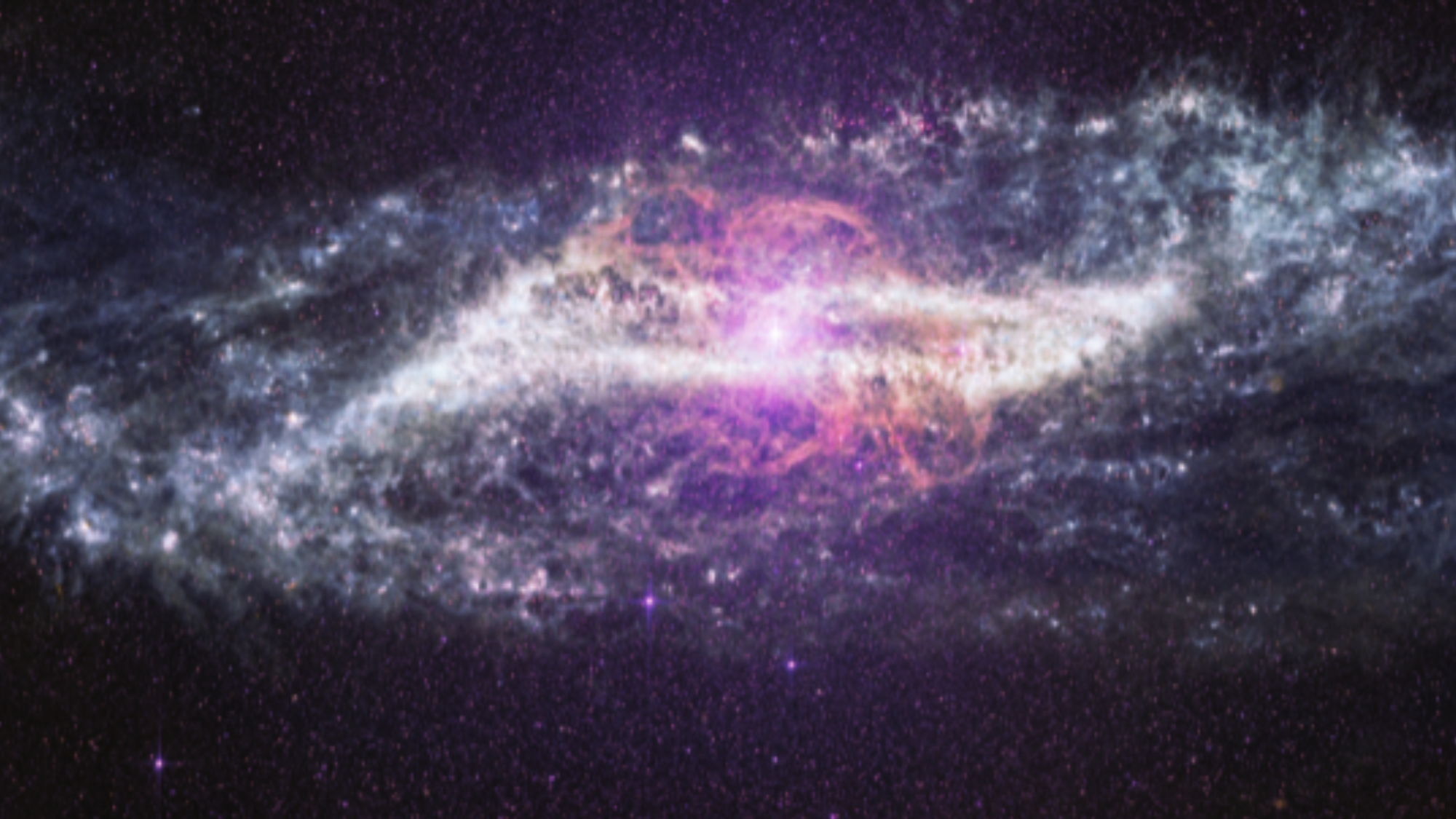
To celebrate the James Webb Space Telescope's fourth science anniversary, NASA unveiled a new view of Centaurus A, peering through the dust that had long hidden the galaxy's violent heart.
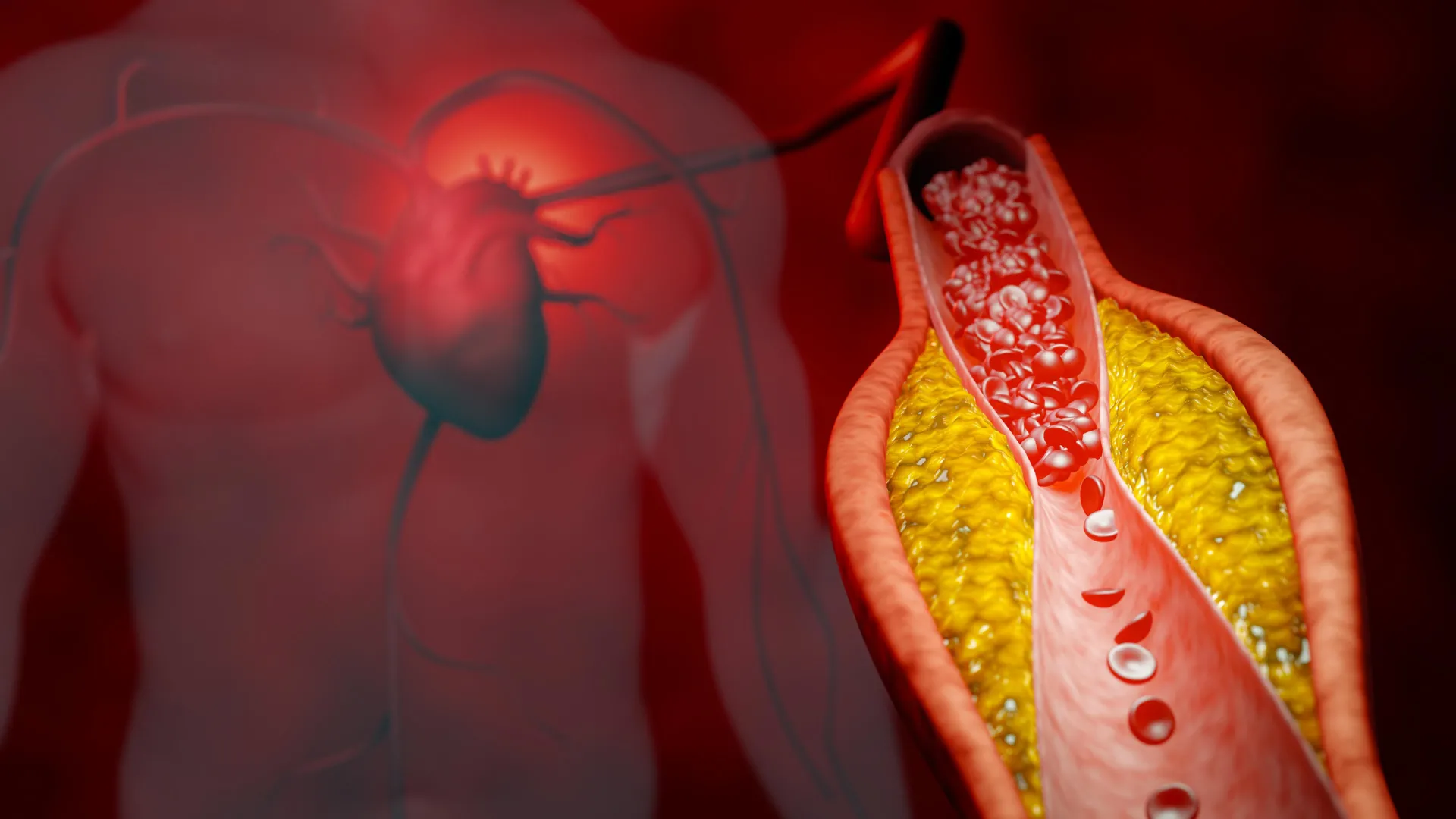
A new study finds that measuring apoB — a protein tag on every harmful cholesterol particle — guides treatment better than the standard LDL test, and does it cost-effectively.
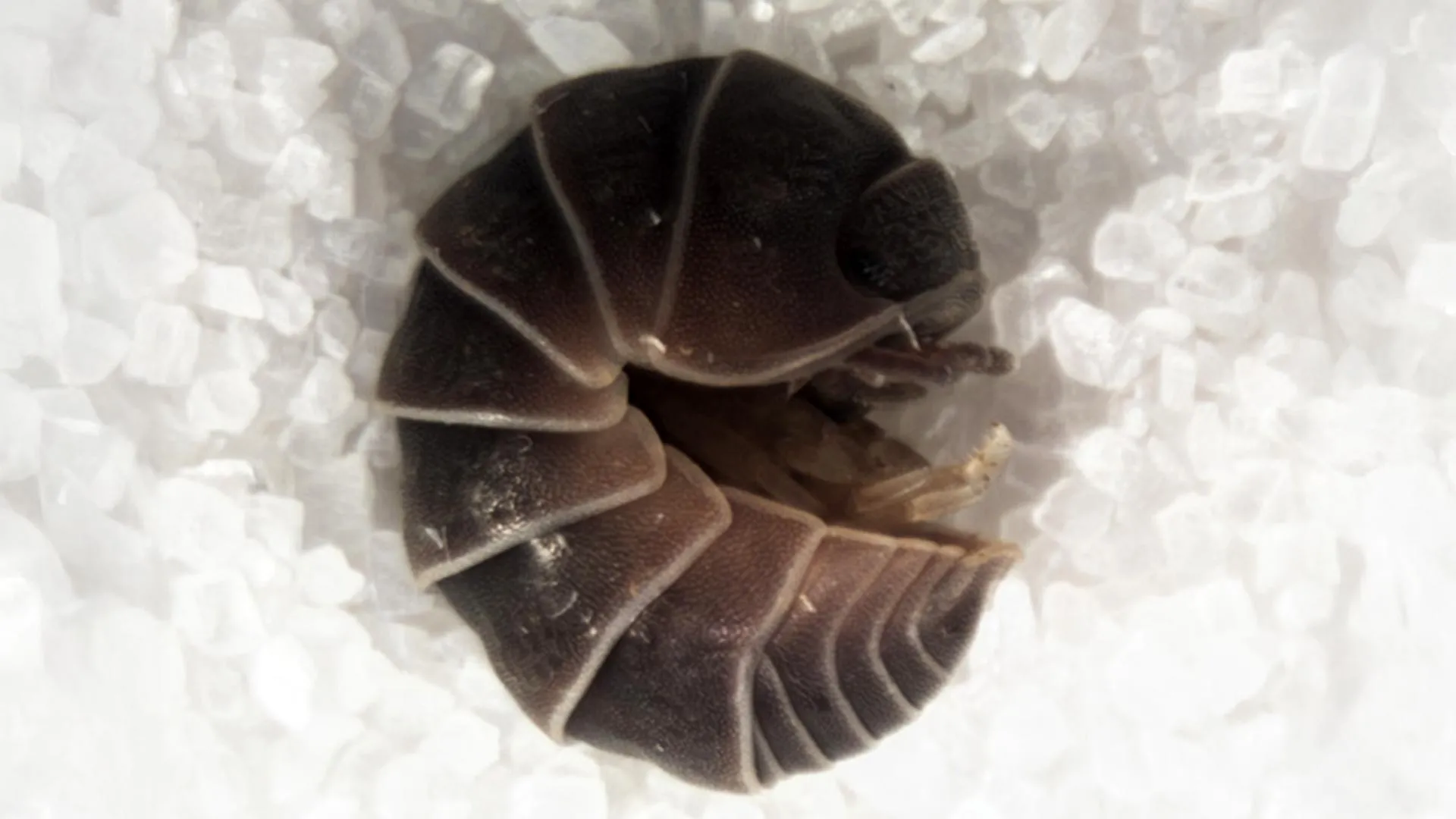
In Israel, scientists documented swirling rings of more than 5,000 woodlice circling endlessly under artificial light — a collective behavior never before seen in the species.
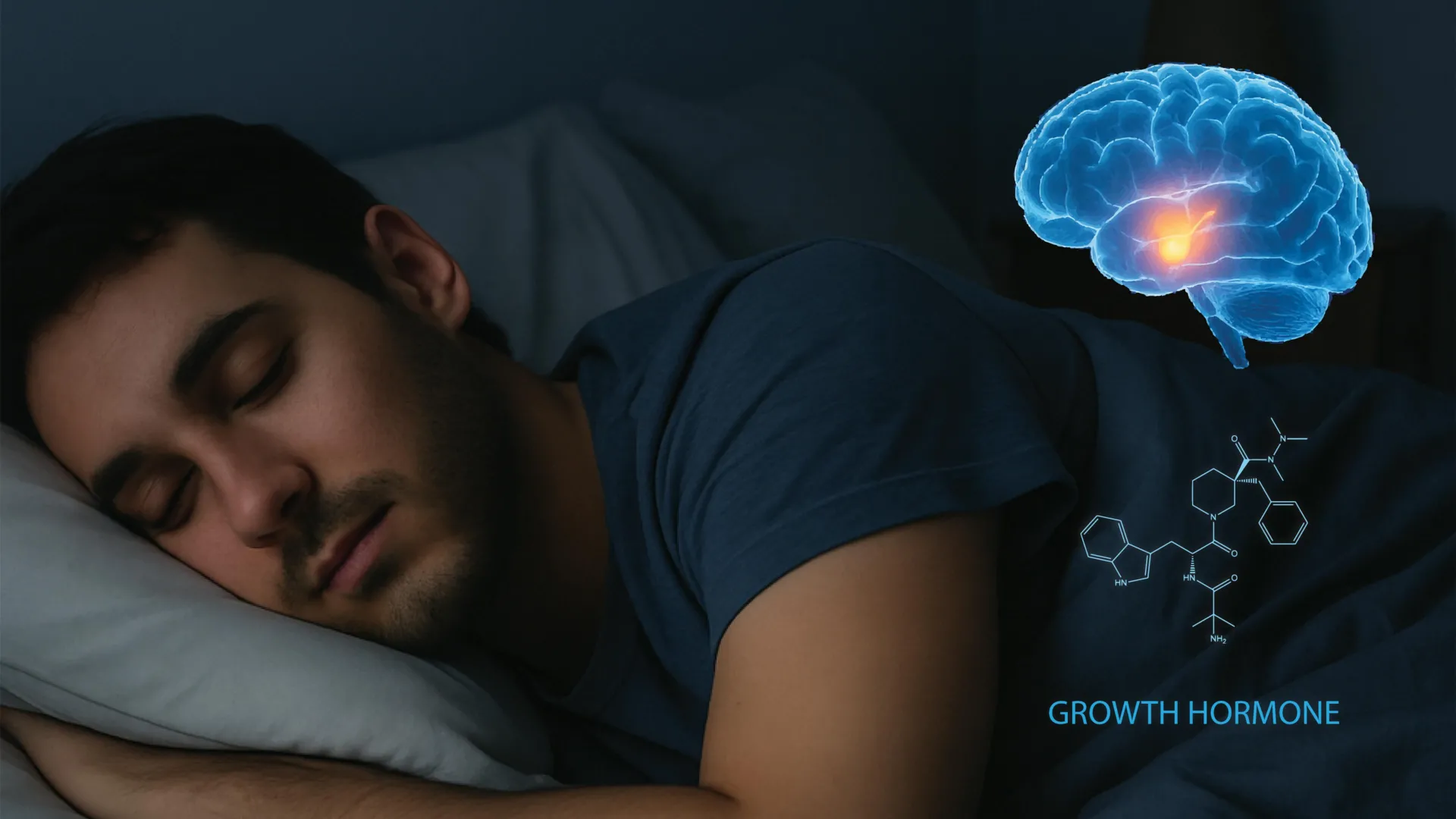
A UC Berkeley team traced how non-REM sleep unleashes growth hormone — and found the hormone loops back to nudge the brain awake, a self-balancing system tied to muscle, fat and memory.
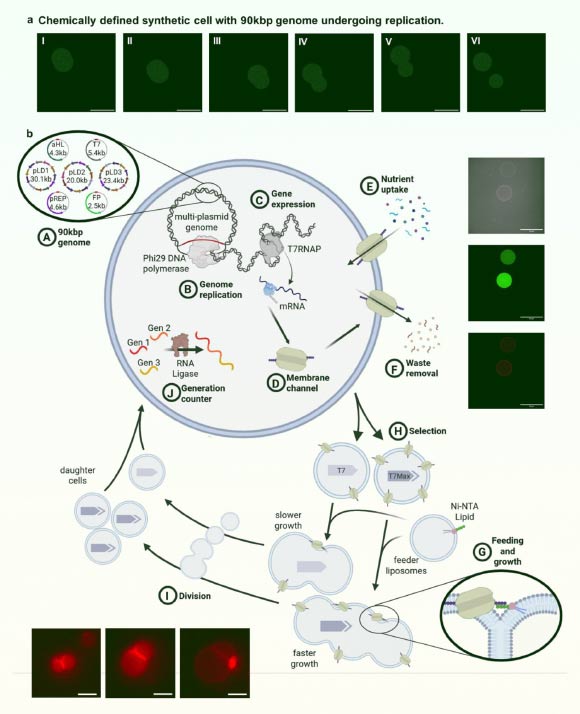
The University of Minnesota's 'SpudCell,' assembled entirely from non-living chemical parts, completes a full life cycle — a milestone biologists have chased for decades.
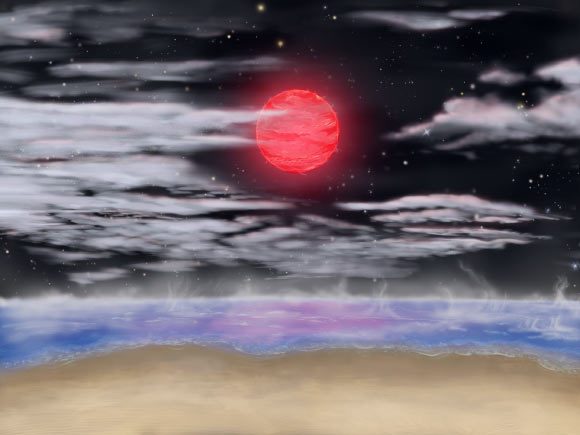
New measurements slashed Gliese 3378b's estimated mass, tipping it from a likely gas world into a rocky planet sitting squarely in its star's habitable zone.
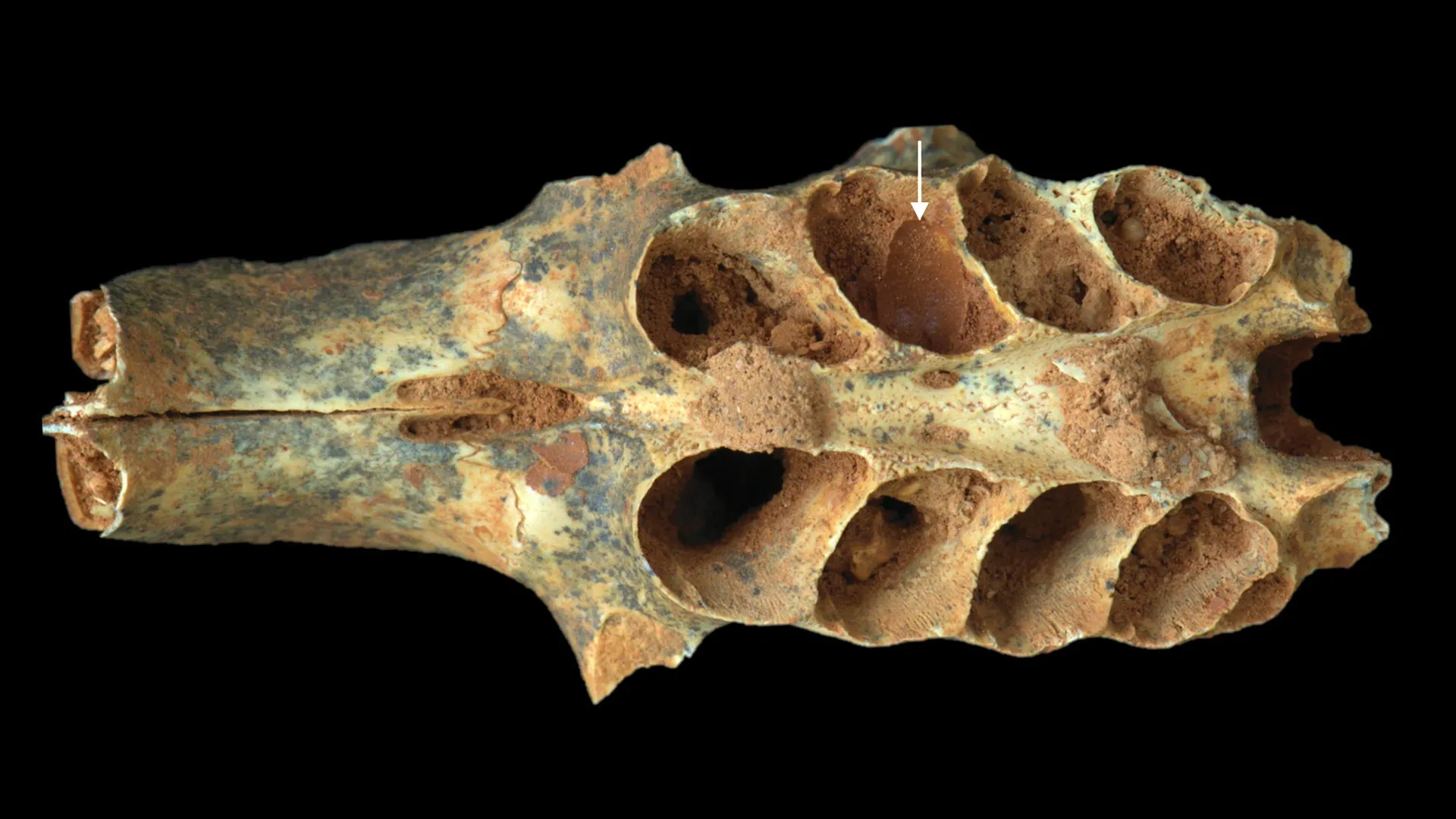
On the island of Hispaniola, scientists found the first known evidence of ancient bees nesting inside the empty tooth sockets of mammal jawbones scattered across a cave floor by owls.
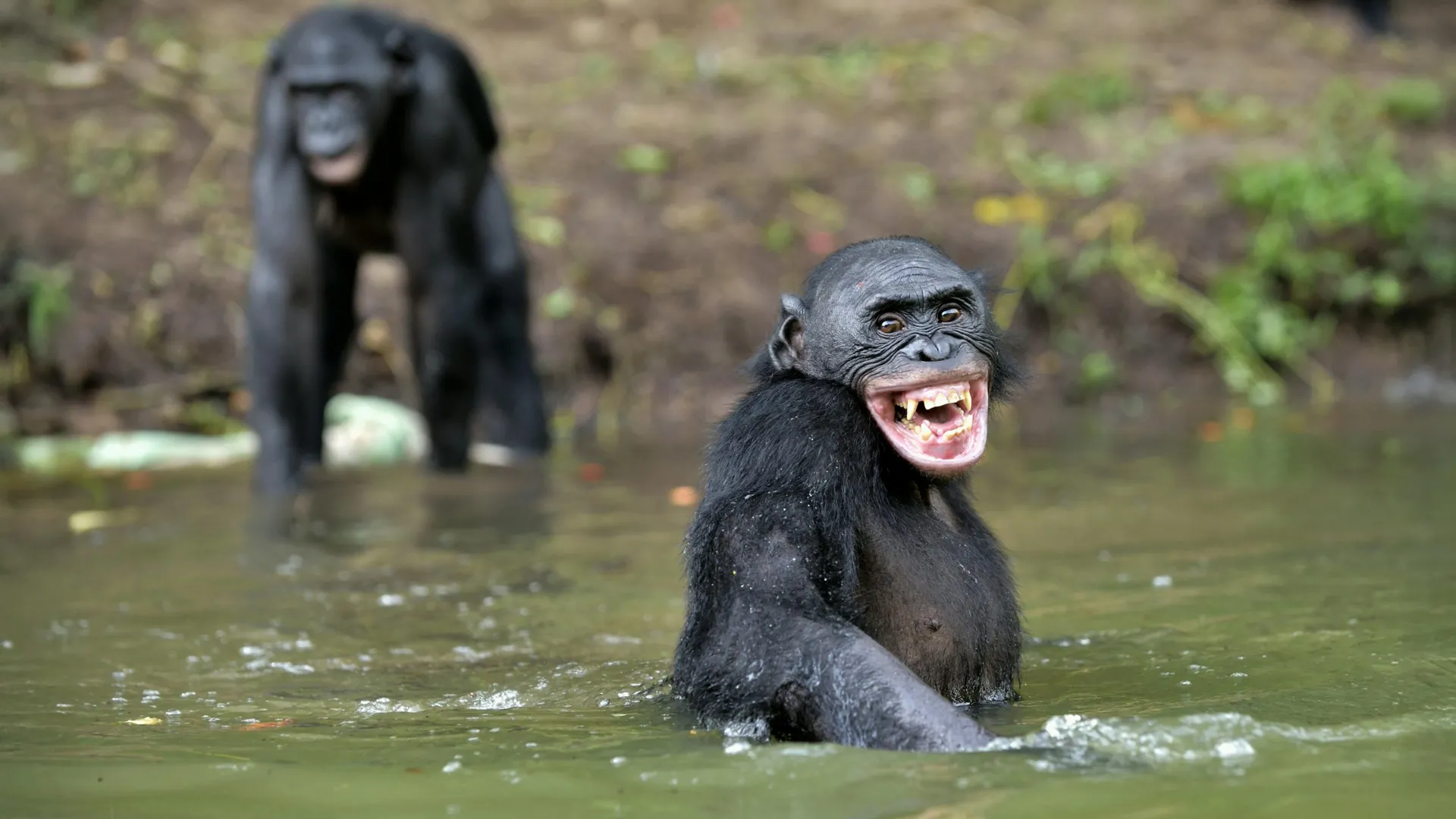
A study of chimps, bonobos, gorillas, orangutans and people found that all of them giggle with the same underlying rhythm, hinting at the deep roots of human speech.

A UCLA team discovered that a protein called NDRG1 builds up in old muscle stem cells and slams the brakes on repair. Switching it off makes aged cells act young again — but at a cost to their long-term survival.
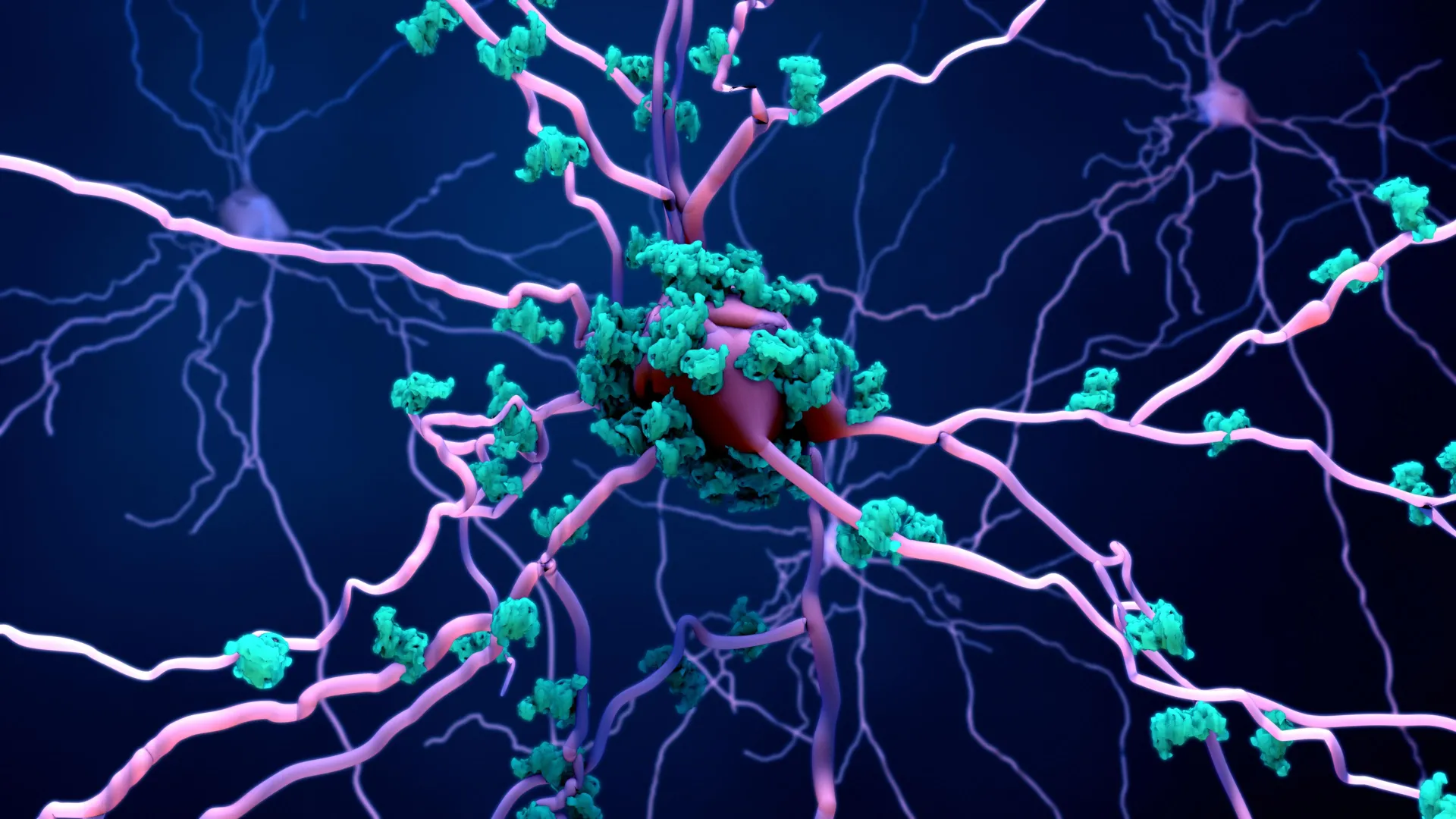
Researchers at King's College London have identified 'karyoptosis,' a form of cell death in which a neuron's nucleus shrinks and shatters under the strain of toxic proteins — a process far more common in diseased brains than healthy ones.
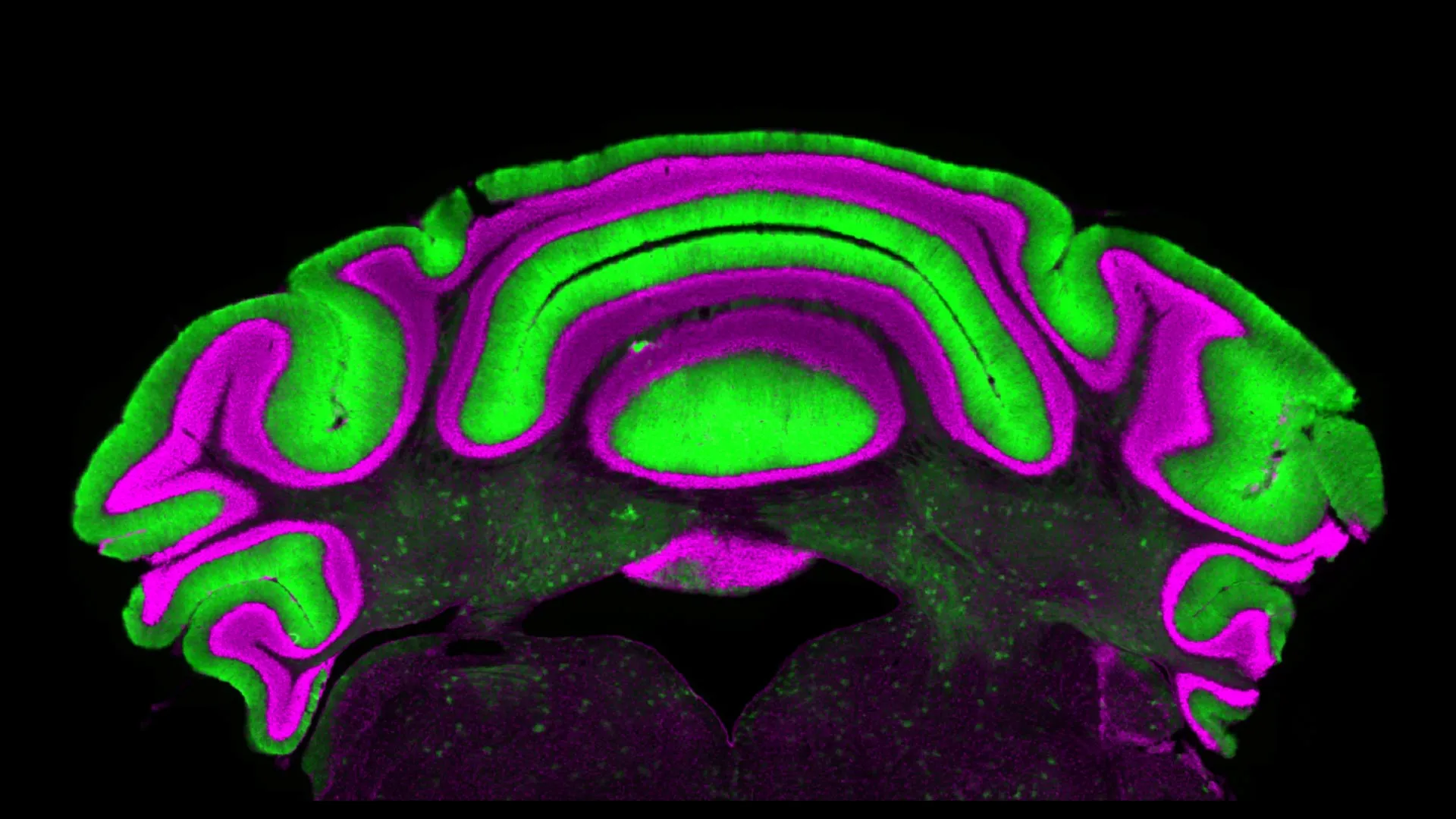
Two types of cerebellar cells long assumed to move in lockstep often don't, a Virginia Tech study finds — suggesting scientists have been watching the wrong signals in disorders like ataxia and dystonia.

Scientists in South Korea have created a naturally derived powder that turns to a sealing gel the instant it touches blood, a battlefield-born invention that could transform emergency care in ambulances, disasters and operating rooms.

An 82-million-year-old tail vertebra collected on James Ross Island in 1985 has been identified as a titanosaur — the first dinosaur bone ever found on the continent.
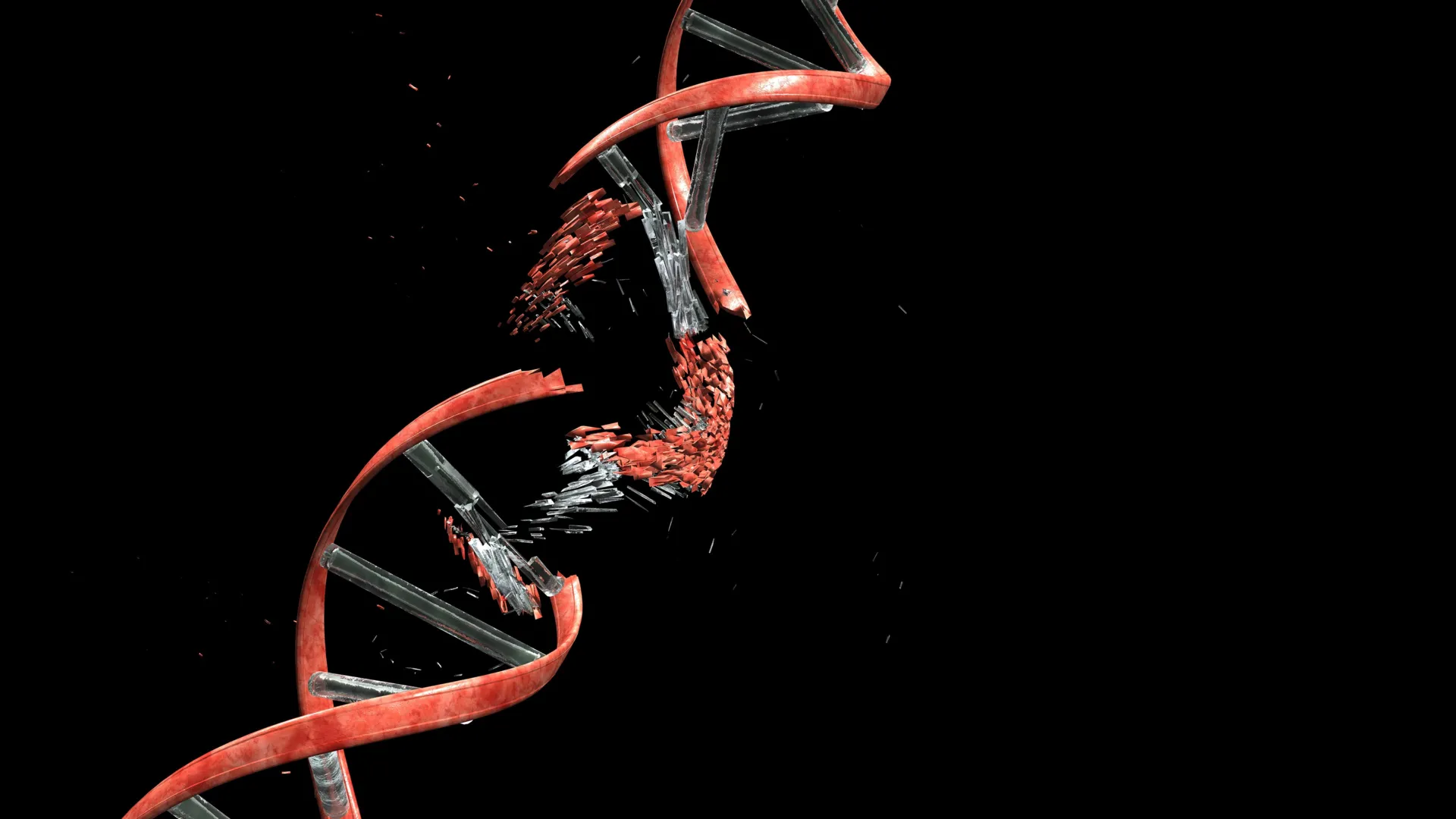
Kyoto University researchers report in Nature that migrating neurons suffer double-strand DNA breaks as they squeeze through developing tissue, a hidden hazard of brain construction.
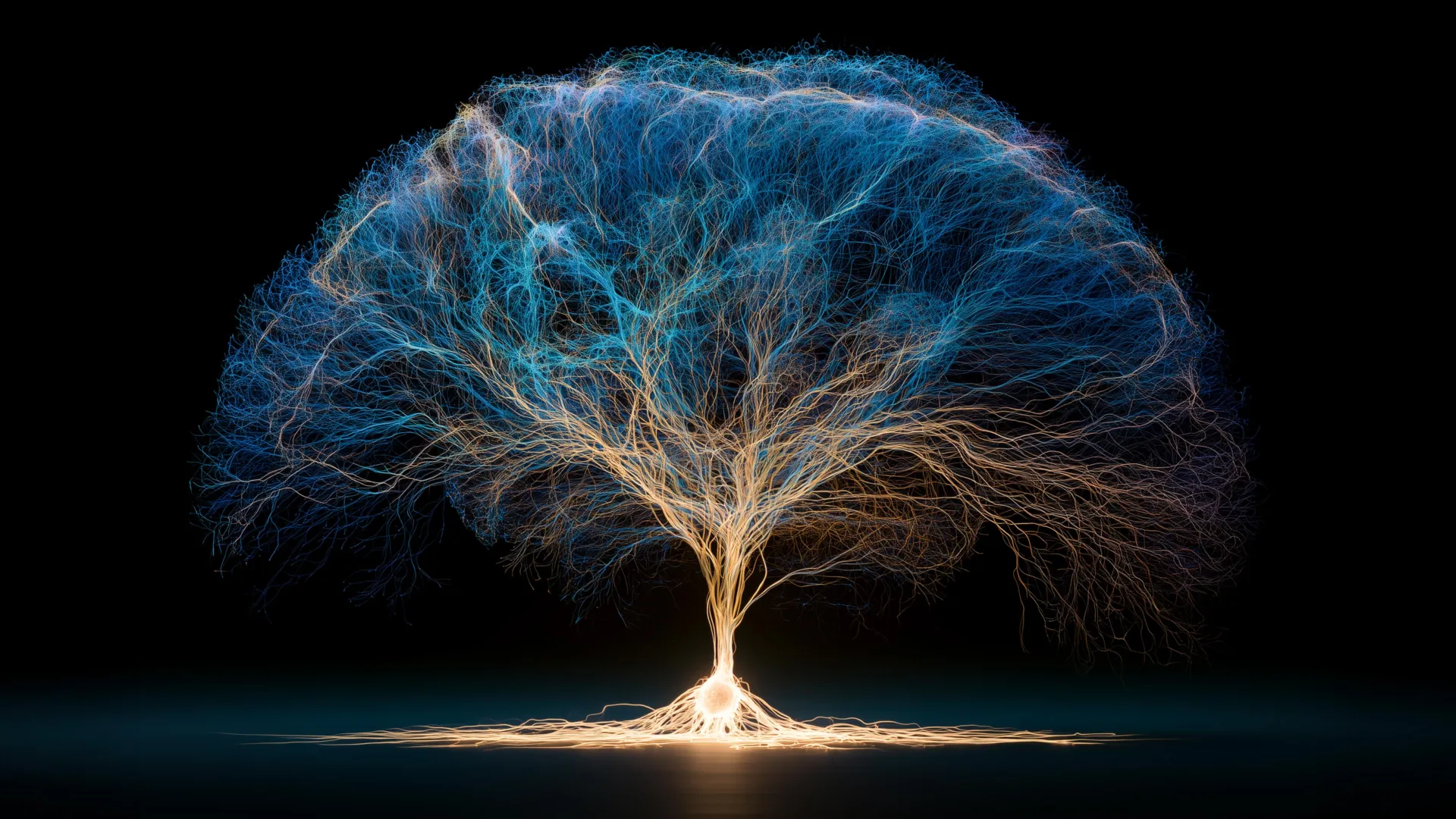
In the journal Neuron, Cold Spring Harbor scientists propose that brain cells find their place by tracking their own lineage — a positioning system that could also inform AI design.
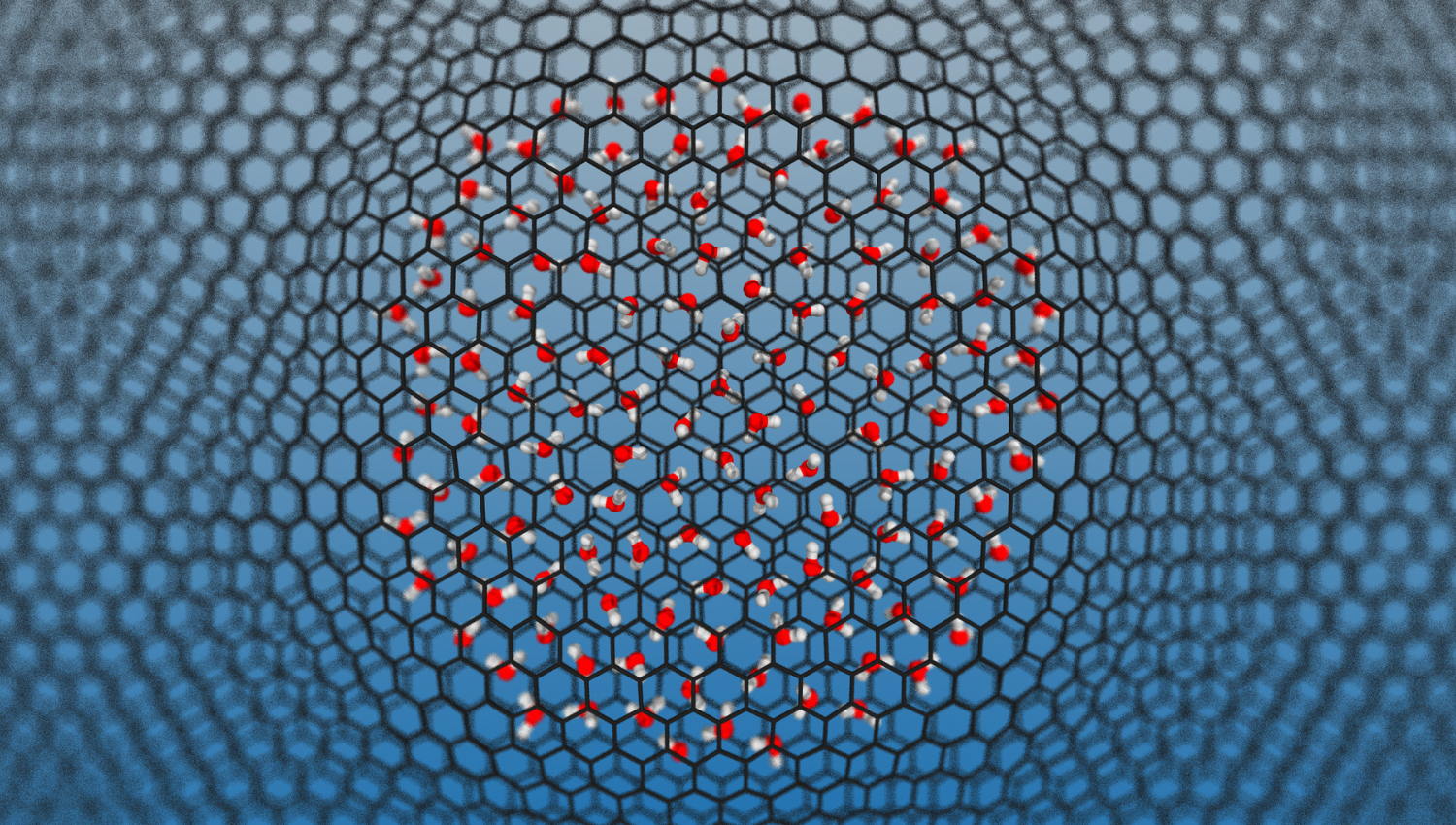
Cambridge physicists used quantum-accurate simulations to show that water squeezed into nanoscale gaps isn't inherently more reactive; crushing internal pressures explain the effect that has baffled labs for a decade.
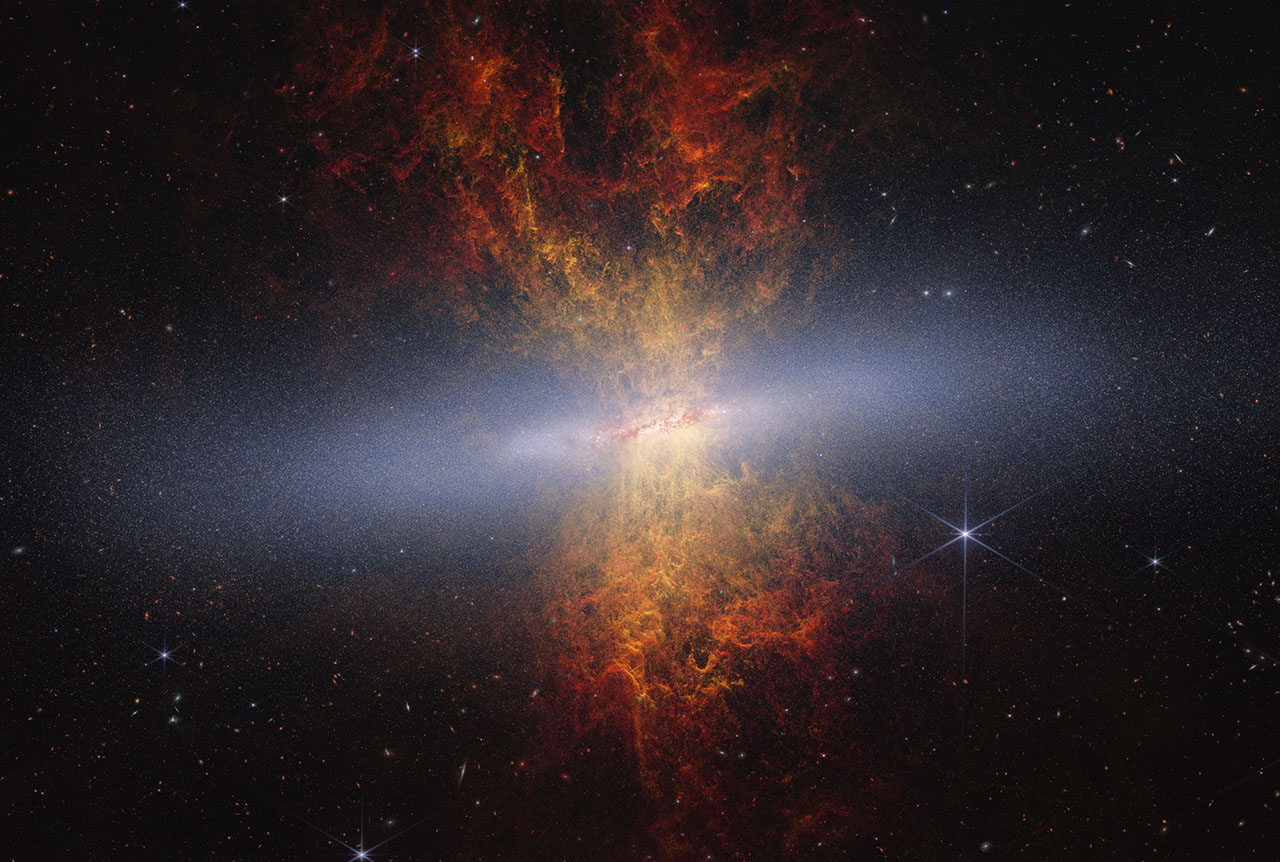
In 65 hours of infrared observations, NASA's James Webb Space Telescope resolved the frenetic starburst galaxy Messier 82 in unprecedented detail, exposing a warped disk and millions of individual suns.
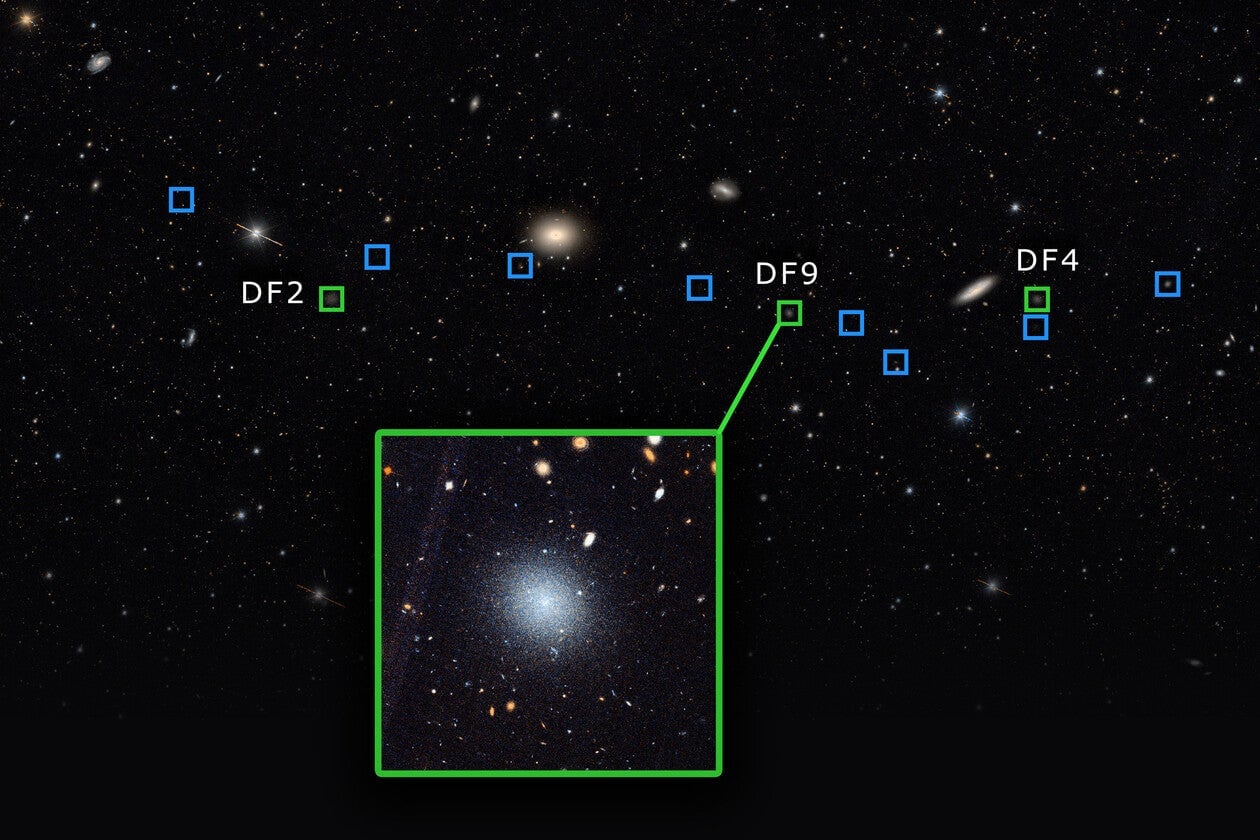
The faint galaxy DF9 joins two earlier oddballs in a straight line of objects that appear to lack the invisible mass thought to bind galaxies together — hinting at a violent birth.
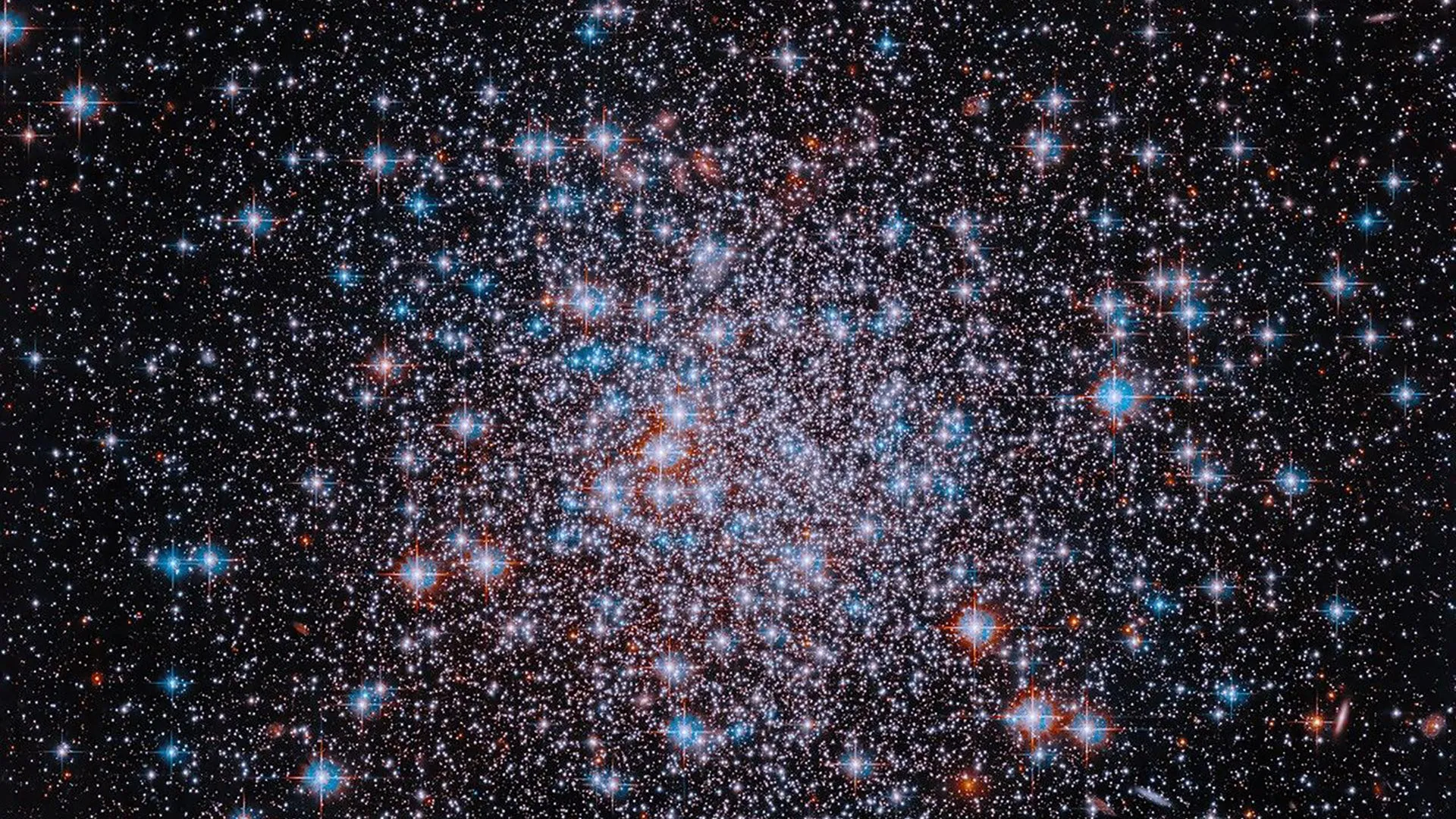
NASA released a red, white and blue portrait of the 13-billion-year-old globular cluster NGC 6426, whose ancient stars hold clues to how the universe first forged the ingredients for planets and life.

Following a gamma-ray burst to its source, the James Webb Space Telescope caught a collapsing massive star from the cosmic dawn and, for the first time at such a distance, imaged its faint host galaxy.