Archaeologists Uncover Eight Ancient Rock Art Sites Hidden in Mexico's Sierra de Valdecañas
Red geometric panels — some stretching 20 meters — reveal the ceremonial world of hunter-gatherers who roamed Zacatecas between 600 and 1,200 years ago.
Section
Science news: space, biology, climate, medicine and the research changing how we live.
Red geometric panels — some stretching 20 meters — reveal the ceremonial world of hunter-gatherers who roamed Zacatecas between 600 and 1,200 years ago.
By reverse-engineering earrings from a prince's 1545 tomb, researchers in Wuhan cracked 'jin zhe si' — a method that folded ultra-thin, high-purity gold into intricate satin-textured shapes.
The bristle worm Perinereis cultrifera builds jaws from proteins and metal ions that behave like an alloy — yet break the rules of ordinary metals, Vienna researchers report.

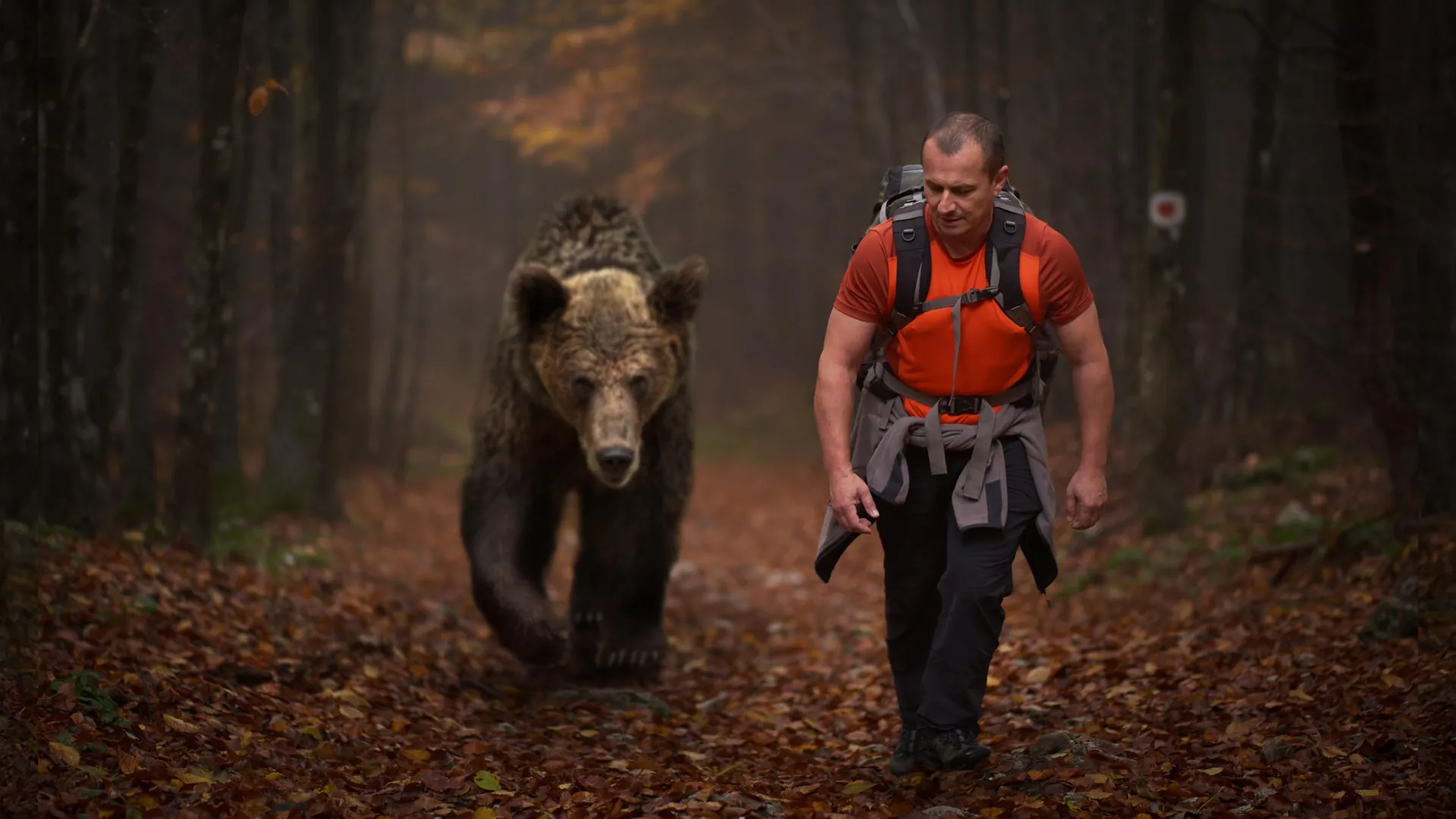
Three decades of research show that animals fear humans mainly when we kill — a finding that could reshape how conservationists manage wildlife near people.

A rare joint campaign by the VLA and MeerKAT scanned the ocean-world exoplanet for artificial signals, finding millions of candidates but no sign of a civilization.

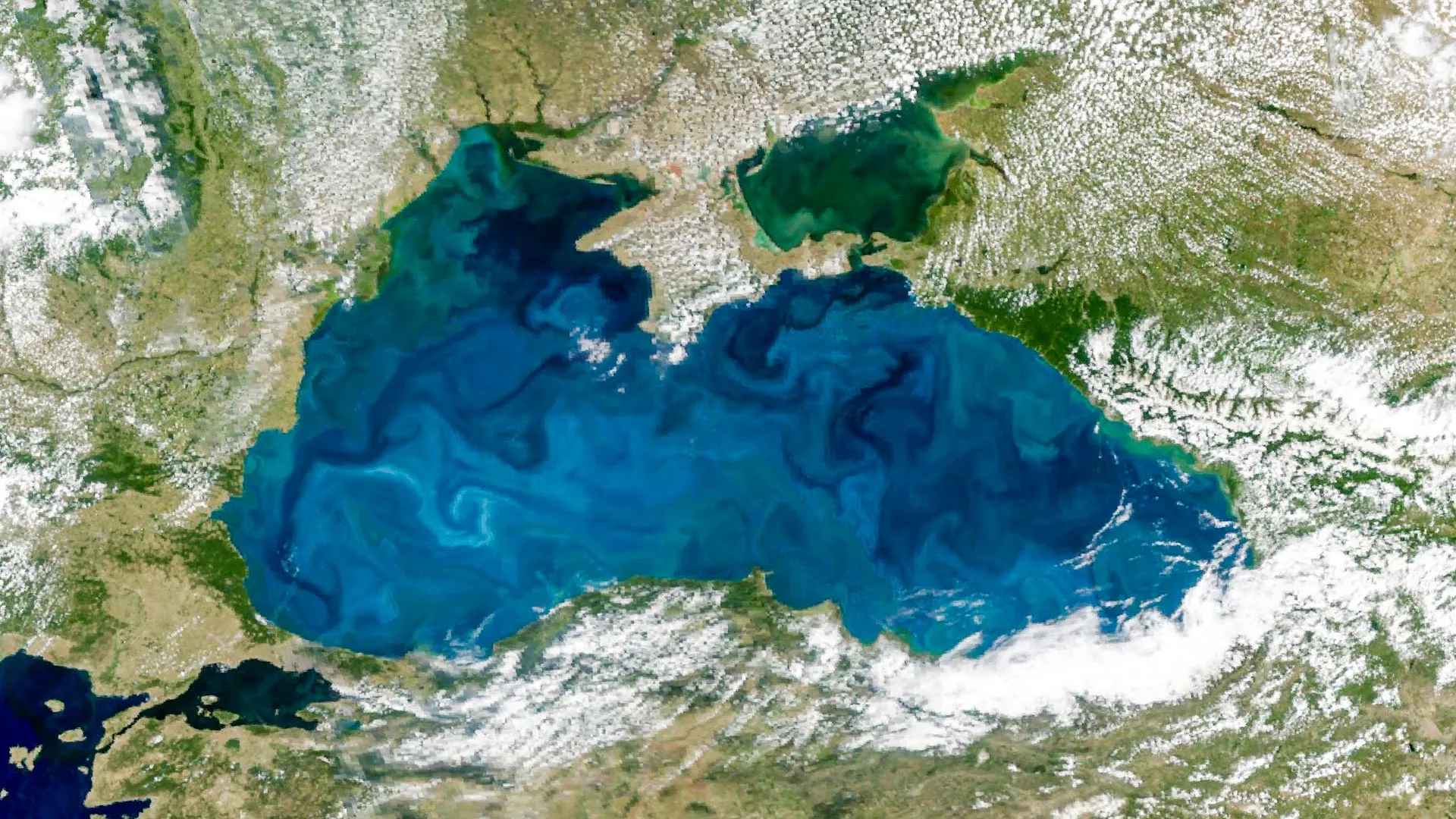
The vivid color comes from a summer explosion of chalk-armored plankton so vast it can be seen from space — captured in stunning detail by NASA's new PACE mission.

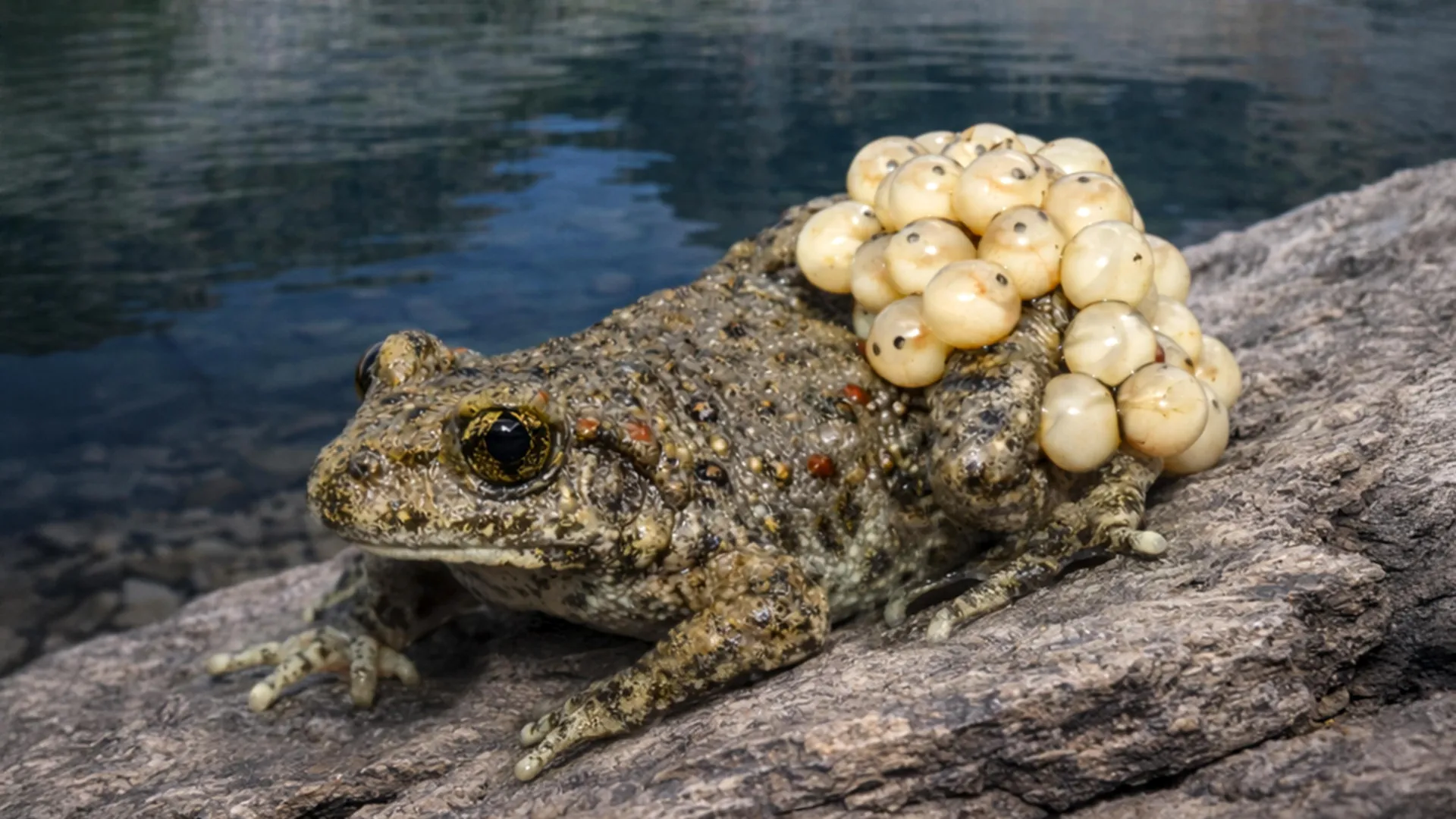
Frogs from populations that bounce back from the devastating chytrid fungus load up on protective skin peptides while they are still tadpoles, UCL researchers found — arming themselves before the disease strikes at metamorphosis.

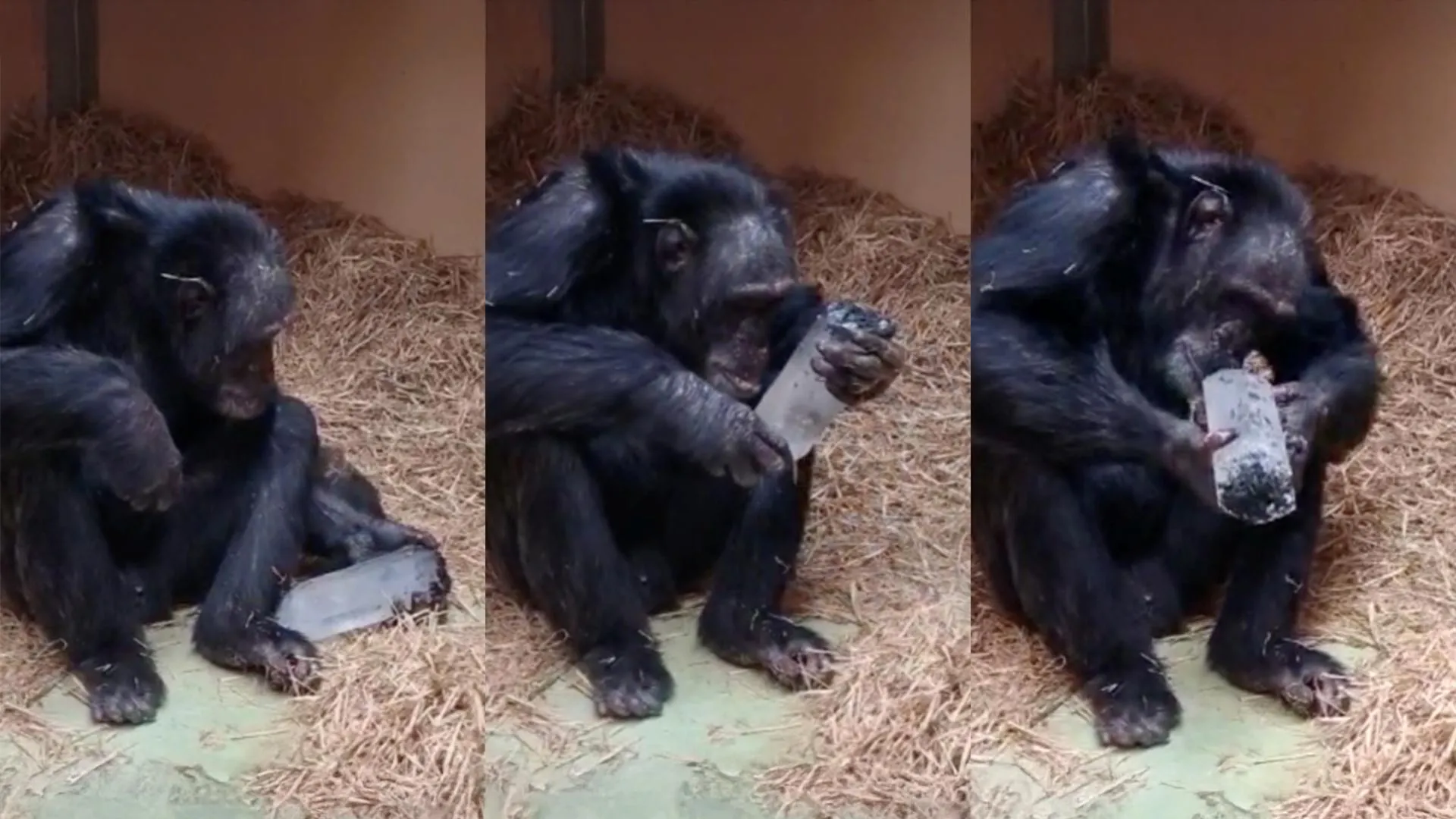
In a Spanish study, chimpanzees singled out clear crystals from ordinary stones and inspected them with rapt curiosity — a behavior researchers say may illuminate why our own species has gathered gems for hundreds of thousands of years.

Known to local communities as the 'Likweli,' the striking black primate with vivid orange face patches is only the fifth new monkey species identified in Africa in 75 years — and researchers already say it should be listed as endangered.

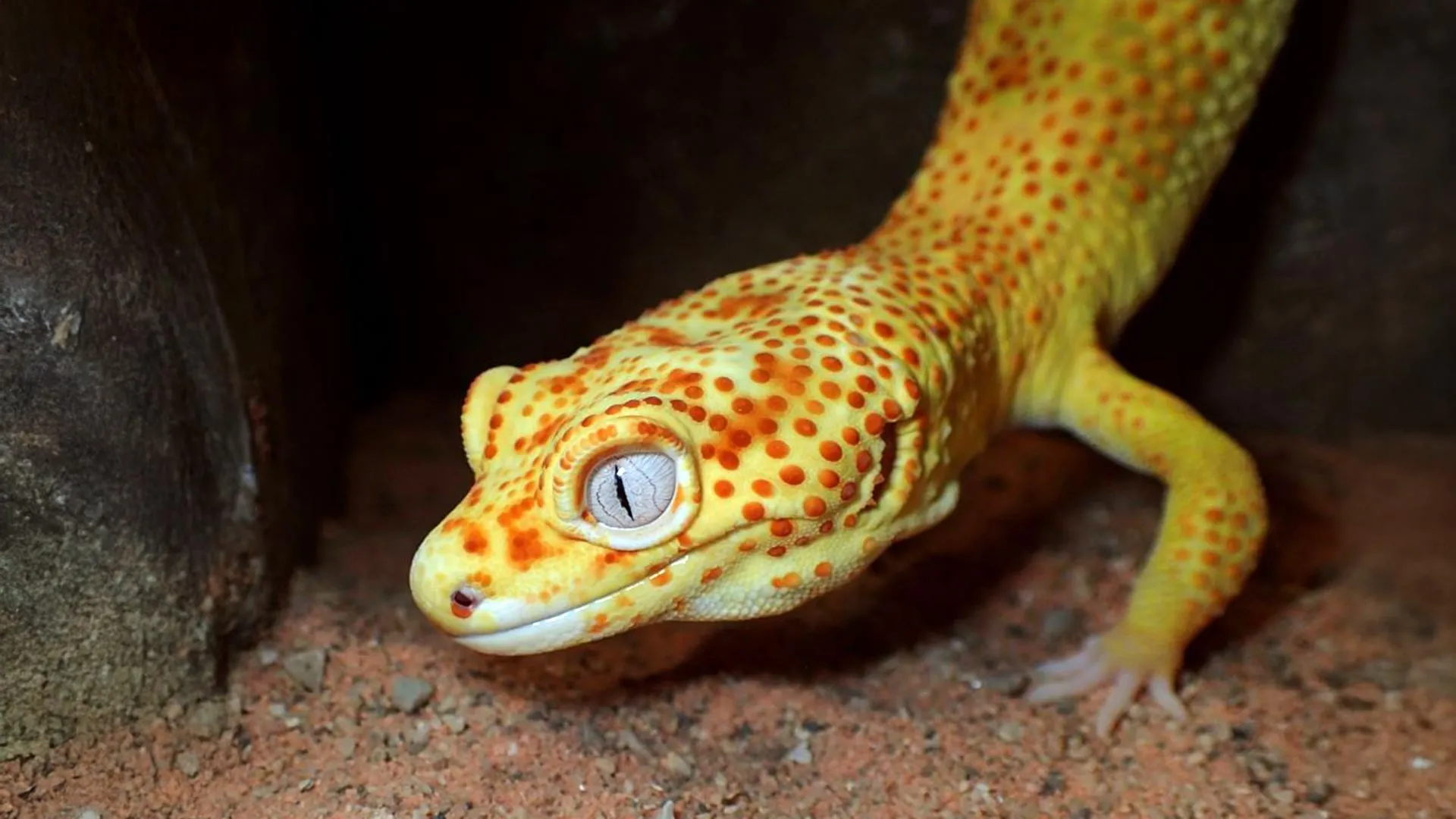
The 'lemon frost' leopard gecko develops aggressive, spreading tumors in 80% of individuals — and University of Nottingham scientists found its cancers share key genetic faults with our own.
Penn State researchers discovered that a lattice-like skeleton just beneath a neuron's surface controls what the cell absorbs — and when it weakens, harmful Alzheimer's proteins flood in.

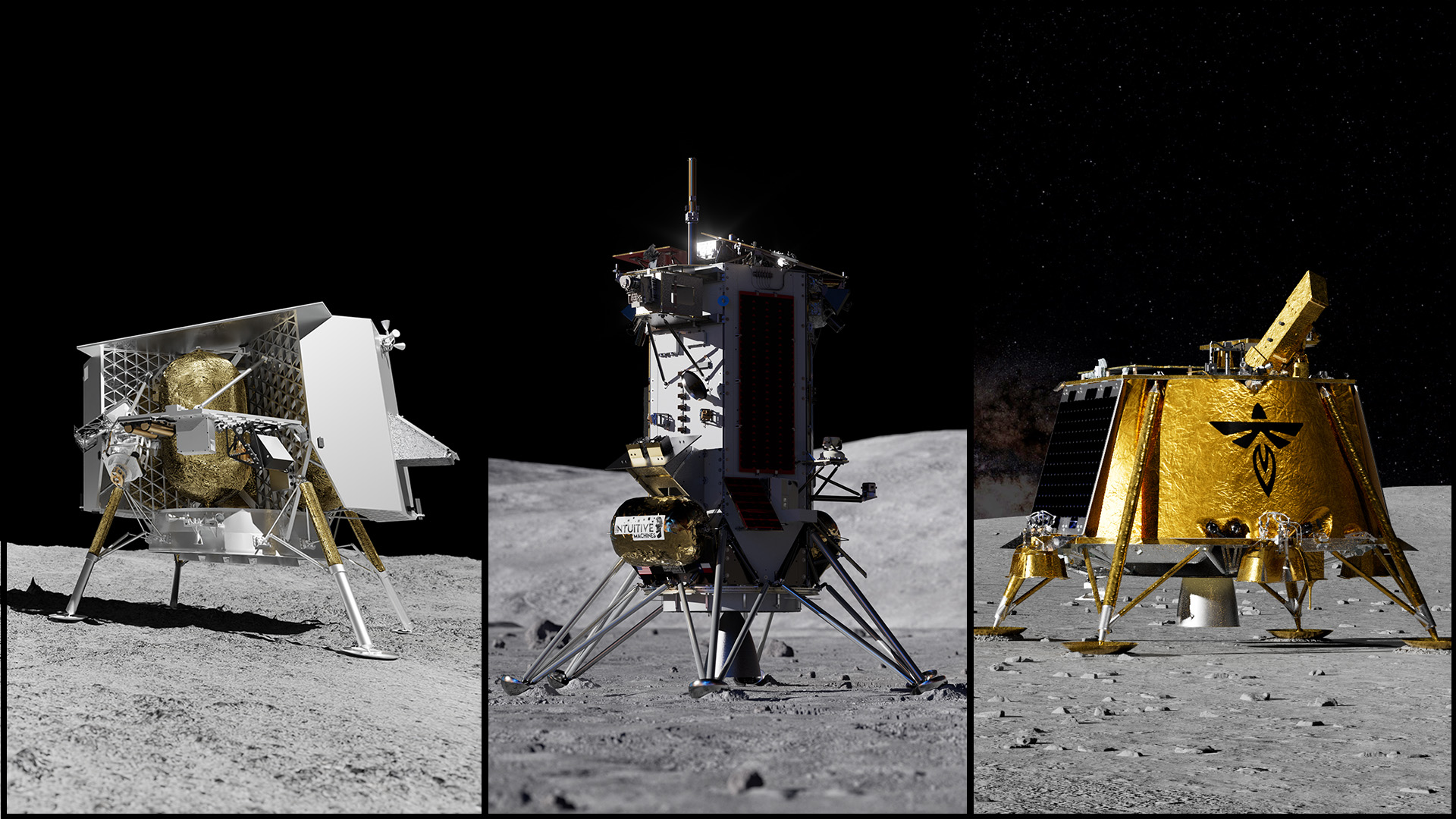
Astrobotic, Firefly Aerospace and Intuitive Machines will fly four robotic missions in late 2028, each carrying the same trio of instruments to scout dust, radiation and navigation for a permanent human outpost.

University of Michigan researchers identified specialized neurons wired to the body's finest hairs that trigger mechanical itch — a finding that could unlock new treatments for eczema and chronic itching.

The Ptolemaic- and Roman-era graves at Marina el-Alamein had lain sealed for nearly two millennia, yielding a granite sarcophagus with its lid intact and two dozen golden 'tongues' placed in the mouths of the deceased.

Phase 3 results showed young children with sickle cell disease or beta thalassemia became free of pain crises or transfusions after a single treatment that rewrites their own blood cells.

A Leiden University team found the rock-cut burial of a New Kingdom dignitary named Paser in the Theban necropolis, complete with a courtyard, chapel and underground chambers.

University of Illinois researchers found that decision signals reach even the brain's primary sensory areas through rapid top-down feedback, overturning the idea that perception simply flows forward.

At a cave in southern Türkiye, both human groups selectively gathered marine shells with no food value for more than 20,000 years — a sign, researchers say, of shared symbolic behavior.

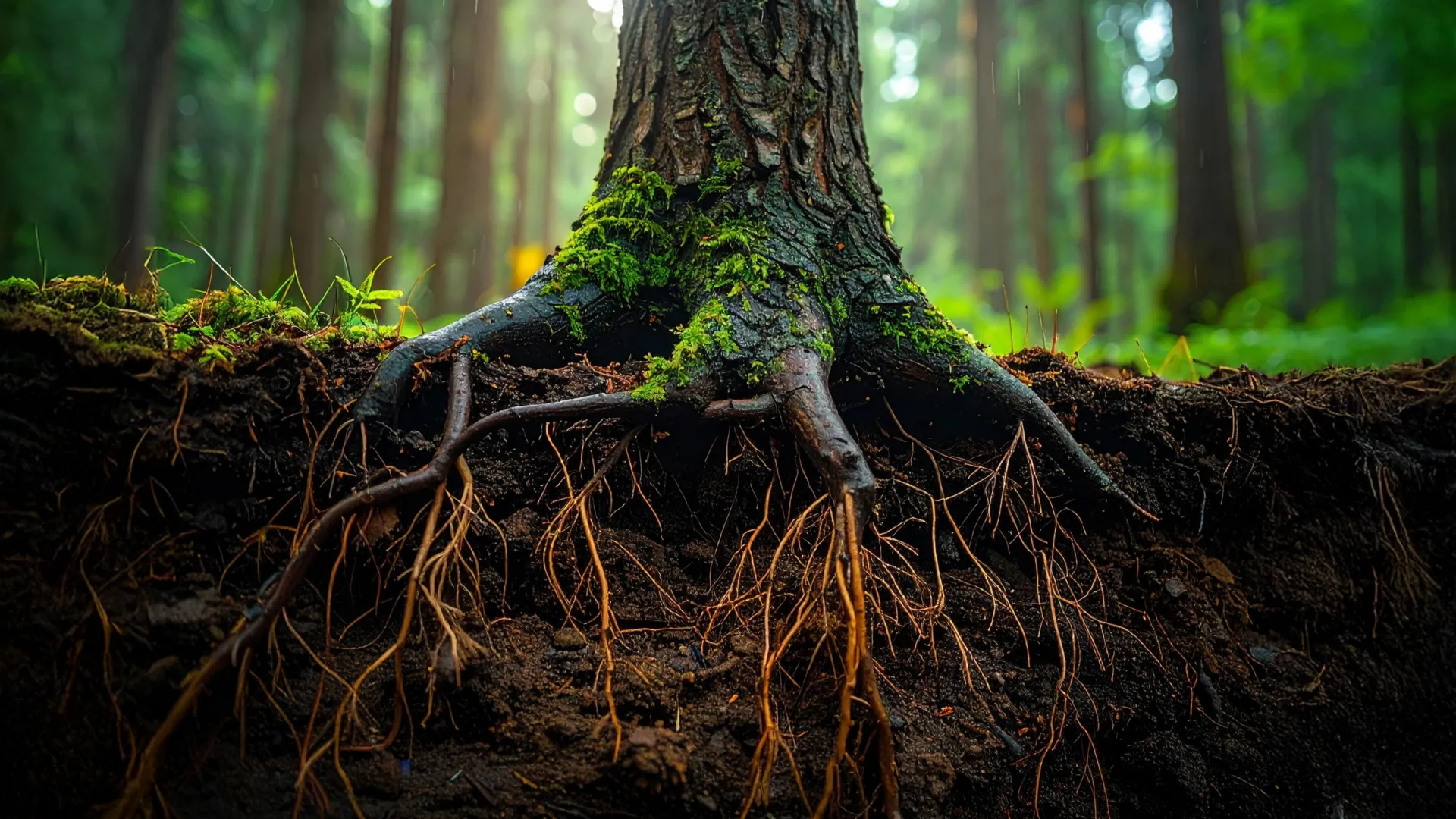
The world's longest-running soil warming study reports that carbon once thought locked away for good is breaking down as temperatures rise — a feedback that could amplify future warming.

The car-sized rover crossed the 42.195-kilometer mark on its 1,890th Martian day while exploring ancient terrain west of Jezero Crater, shattering the pace set by its predecessor Opportunity.

University of Bristol researchers found that moderate aerobic training reshapes the nerve clusters controlling the heart in a striking left-right pattern, a discovery that could refine treatments for dangerous heart rhythms.

The retina's visual pathways don't work in isolation after all: researchers discovered an electrical network, coordinated by a newly identified 'commander' cell, that lets separate channels share signals to catch the faintest details.

In a six-week experiment, healthy adults who trimmed their sleep by about an hour and 20 minutes gained weight and moved less — a warning about the metabolic cost of the kind of mild sleep loss millions experience.

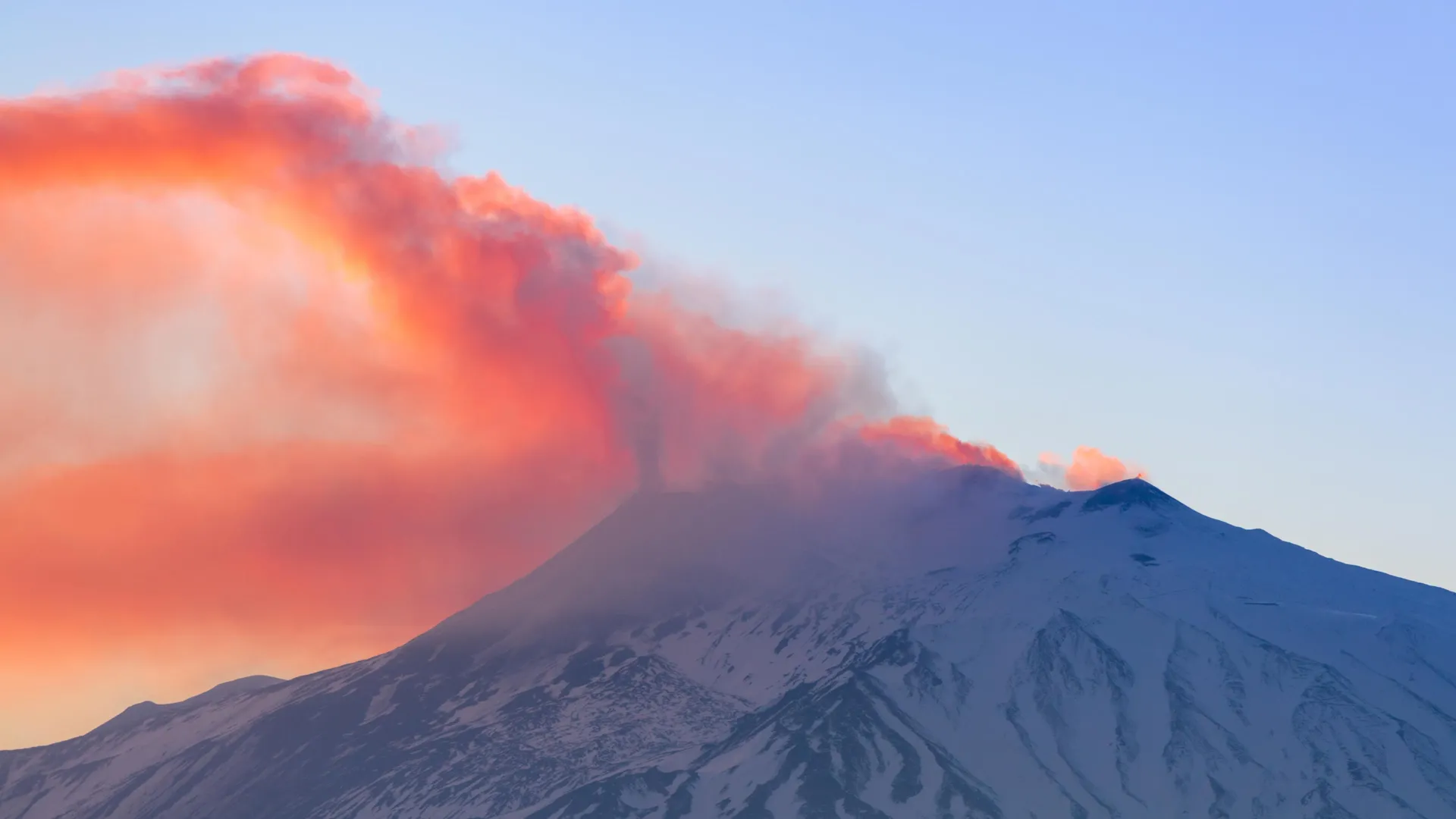
A new study suggests Europe's most active volcano is fed by static pockets of magma some 80 kilometers down, defying the three classic ways volcanoes are thought to form.

Some 252 million years ago, roughly 96% of marine species vanished. A new study pinpoints which animals' metabolisms could not survive warmer, oxygen-starved seas.

An underwater eruption near Papua New Guinea has been spewing steam and staining the ocean since May, and scientists are waiting to see whether a new island will be born.

Erythrulose, a four-carbon sugar found in raspberries, was spotted in a cloud near the galaxy's center — and may have rained down on the early Earth by the millions of tons.

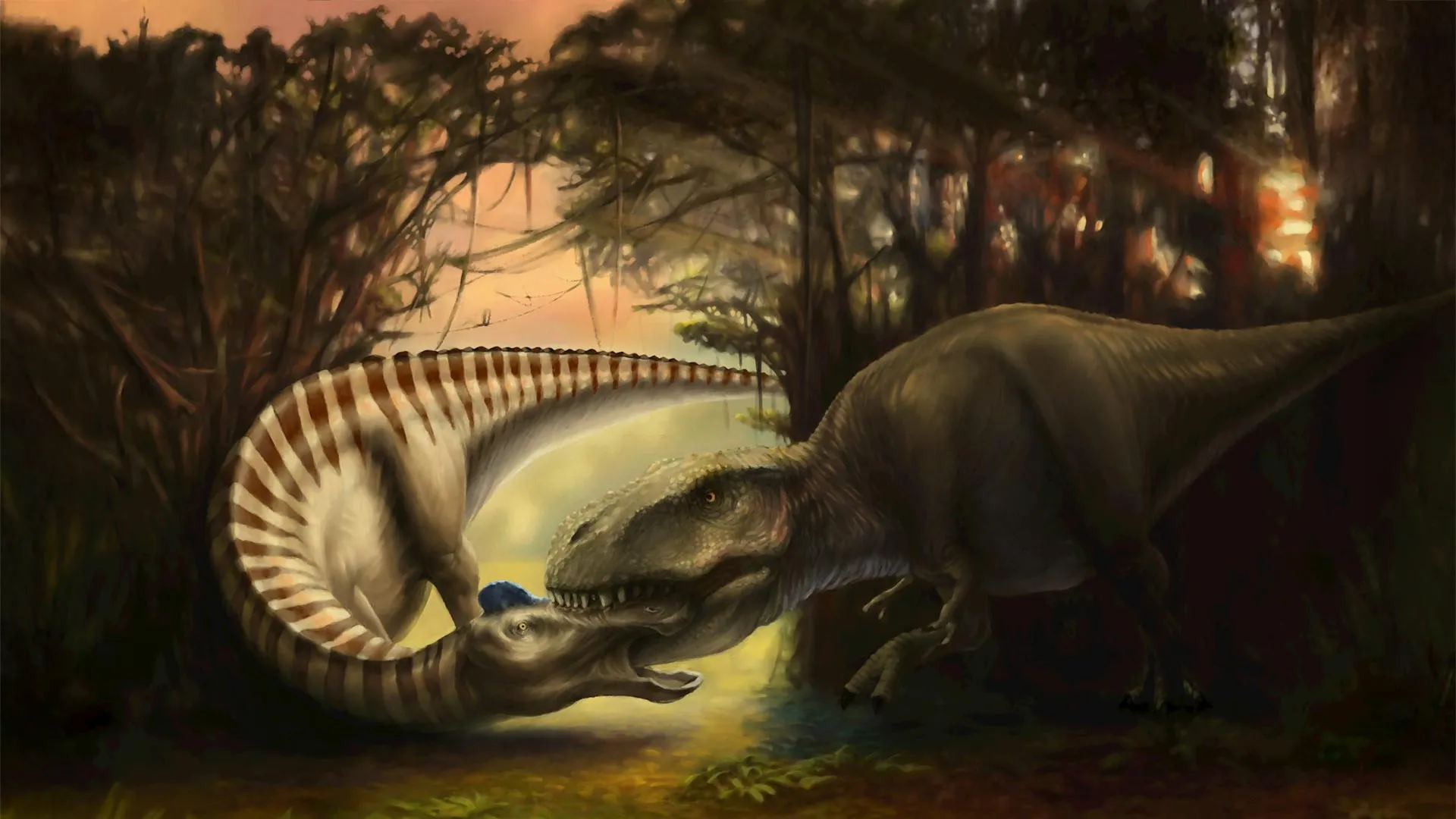
A duck-billed Edmontosaurus skull from Montana still carries the broken tooth of its attacker — rare, direct evidence of how the tyrant king hunted.

In a randomized study of adults living with HIV, semaglutide cut the pace of biological aging by 9%, the first clinical hint the blockbuster drug may touch aging itself.

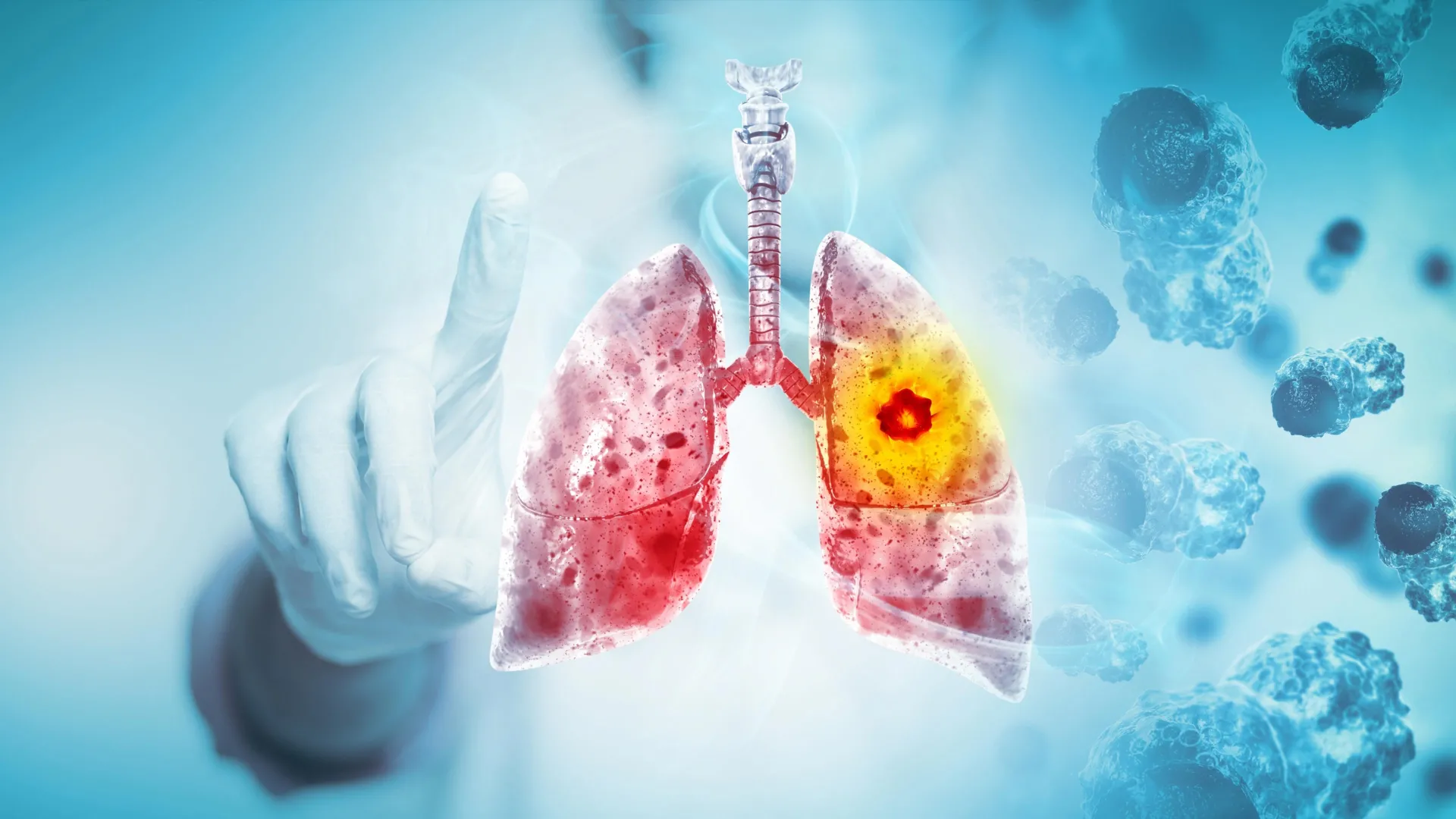
USC researchers who surveyed 187 lung cancer patients under 50 — most of whom never smoked — found they ate more fruits, vegetables and whole grains than average, raising questions about pesticide residue.