A Pet Gecko That Grows Its Own Tumors Could Help Crack the Secrets of Human Cancer
The 'lemon frost' leopard gecko develops aggressive, spreading tumors in 80% of individuals — and University of Nottingham scientists found its cancers share key genetic faults with our own.
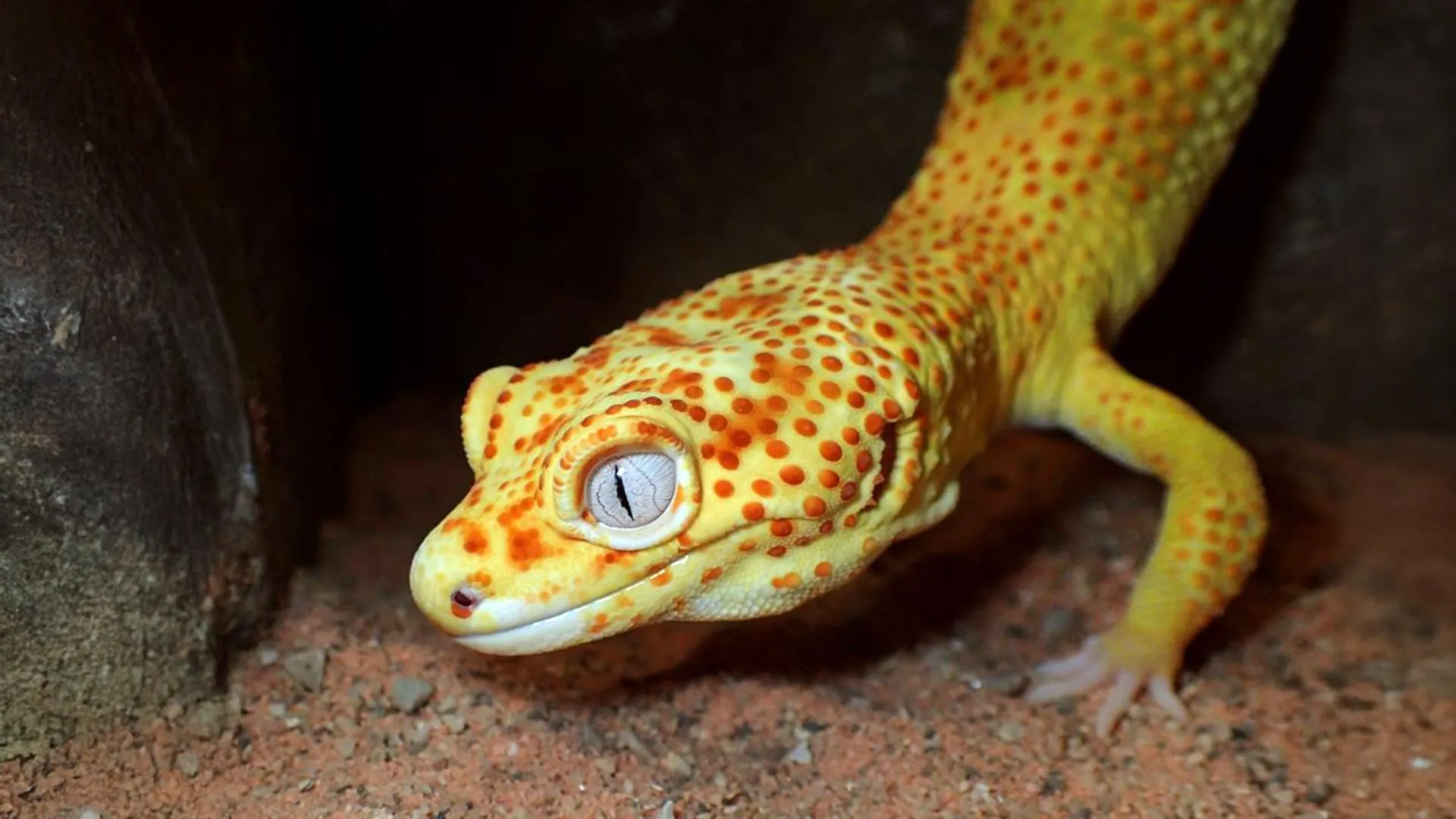
A popular pet reptile with an unusually high risk of cancer may turn out to be one of biology's most valuable windows into how tumors arise, evolve and spread, according to a new study led by scientists at the University of Nottingham.
The animal is a color variety of the leopard gecko known in the pet trade as the "lemon frost" morph, prized by breeders for its bright yellow-and-orange coloring. But that same striking appearance comes with a grim cost: roughly 80% of lemon frost geckos develop aggressive tumors, which often spread to other parts of the body relatively early in the animal's life.
That combination makes the geckos a rare natural model for cancer research. Traditional laboratory models such as mice usually require scientists to induce tumors artificially with chemicals or genetic engineering. Lemon frost geckos, by contrast, develop cancer spontaneously and naturally, giving researchers an unusual opportunity to watch the disease unfold as it might in the wild — from its earliest origins through metastasis.
Publishing their findings in the journal BMC Biology, the Nottingham-led team sequenced the geckos' tumors and identified the genetic changes driving the disease. Some of those changes strike the very same genes and biological processes that go awry in human cancers, suggesting the reptile's tumors and our own may share deep evolutionary roots. The work could also help explain a long-standing puzzle in biology: why some animals get cancer frequently while others almost never do.
Among the specific culprits, the researchers pinpointed a shared missense mutation in the TATA-box binding protein, or TBP, a gene involved in switching other genes on and off. They also found a recurrent gene fusion linking two genes, IARS1 and RNF213, that appeared across every tumor sample they examined — a consistent signature that hints at a common mechanism fueling the geckos' cancers.
Because the geckos develop tumors on their own timeline and in a whole living animal, scientists say they could offer insights that cell cultures and induced-tumor models cannot, from how cancers acquire new mutations to how they break away and colonize distant tissues. The researchers caution that translating reptile biology into human treatments will take years of further work. Still, the study underscores how the answers to one of medicine's hardest questions may come from unexpected corners of the animal kingdom — in this case, a brightly colored gecko sold in pet shops around the world.