Scientists Aim Telescopes at Interstellar Comet 3I/ATLAS, Hunting for Alien Technology
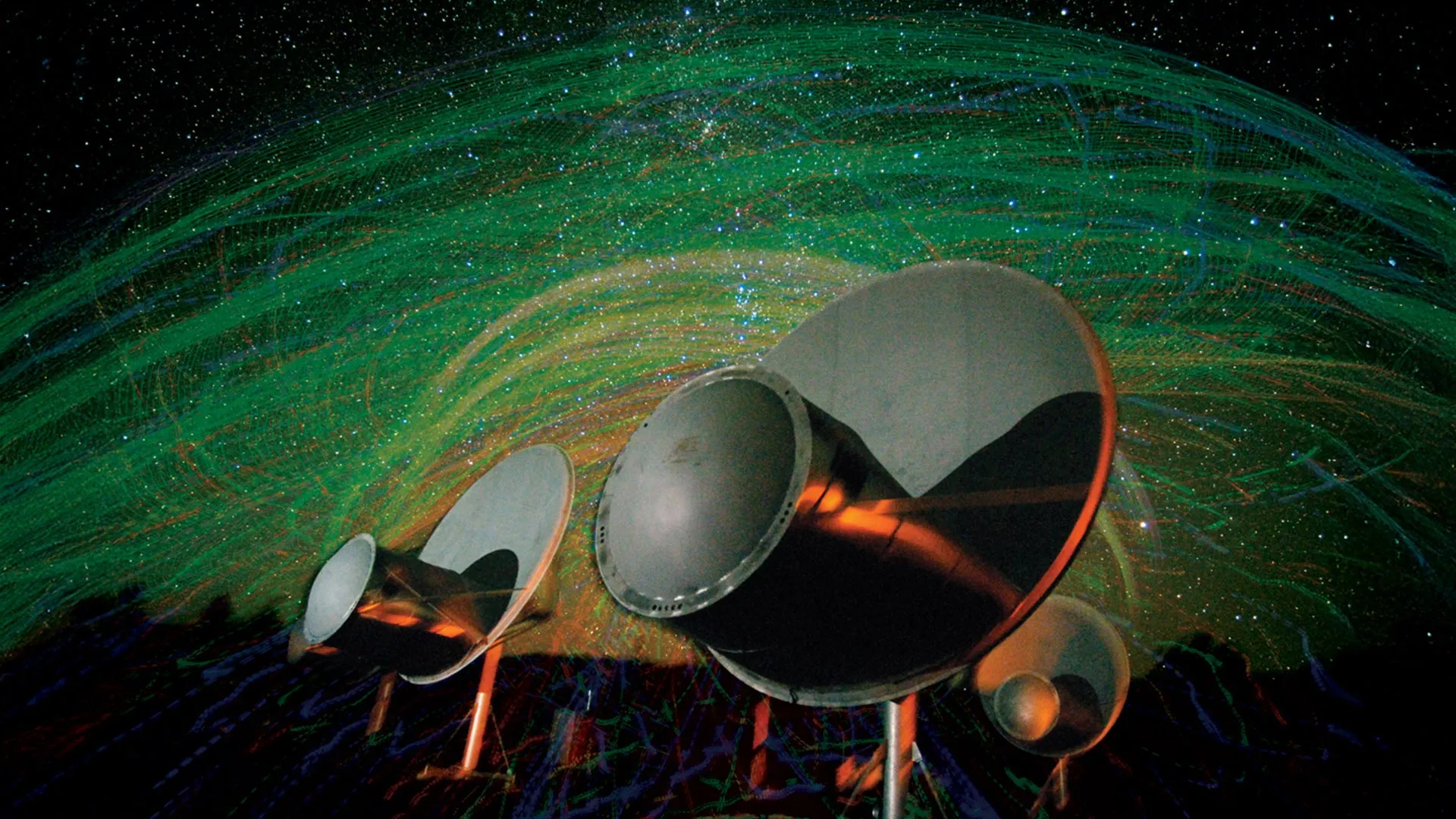
A SETI Institute team scanned the rare visitor from another star for seven hours across radio frequencies — and traced every suspicious signal back to humanity.
Section
Science news: space, biology, climate, medicine and the research changing how we live.

A SETI Institute team scanned the rare visitor from another star for seven hours across radio frequencies — and traced every suspicious signal back to humanity.

Deep inside South Africa's Wonderwerk Cave, researchers found scorched bone in deposits up to 1.79 million years old — among the oldest evidence of hominin fire use ever documented.

A small group of cells in the brain's ancient thalamic reticular nucleus acts as a gatekeeper for attention; switching them off in mice produced ADHD-like distractibility.

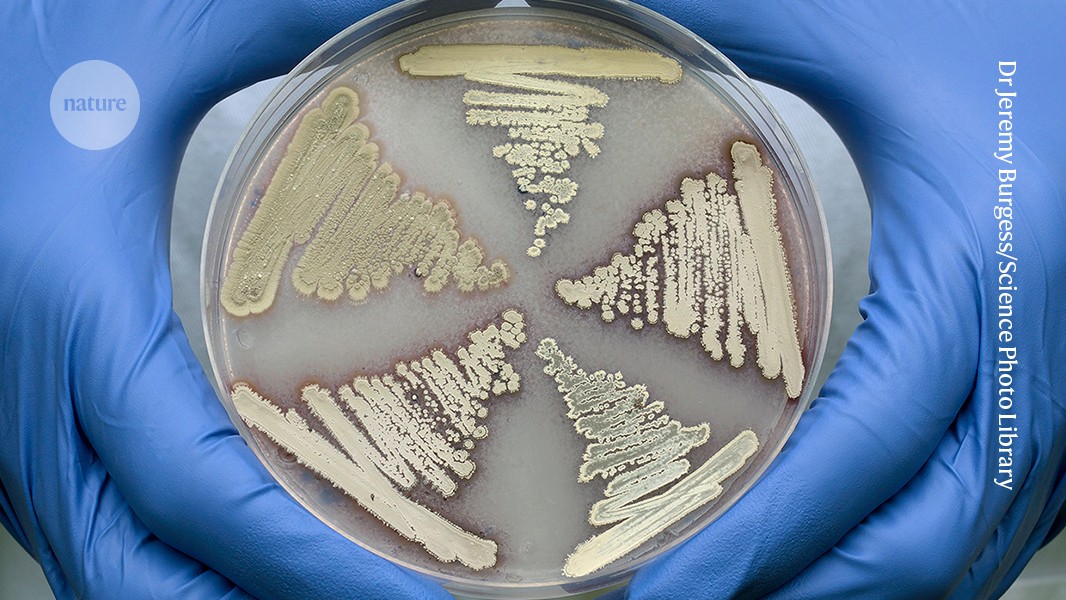
Researchers report in Nature that Streptomyces bacteria deploy a large cluster of genes to make synergistic molecules that together cripple drug-resistant pathogens.

A newly named microraptor relative, Jian changmaensis, glided on four feathered limbs and may explain piles of crushed bird bones in a 120-million-year-old fossil bed.

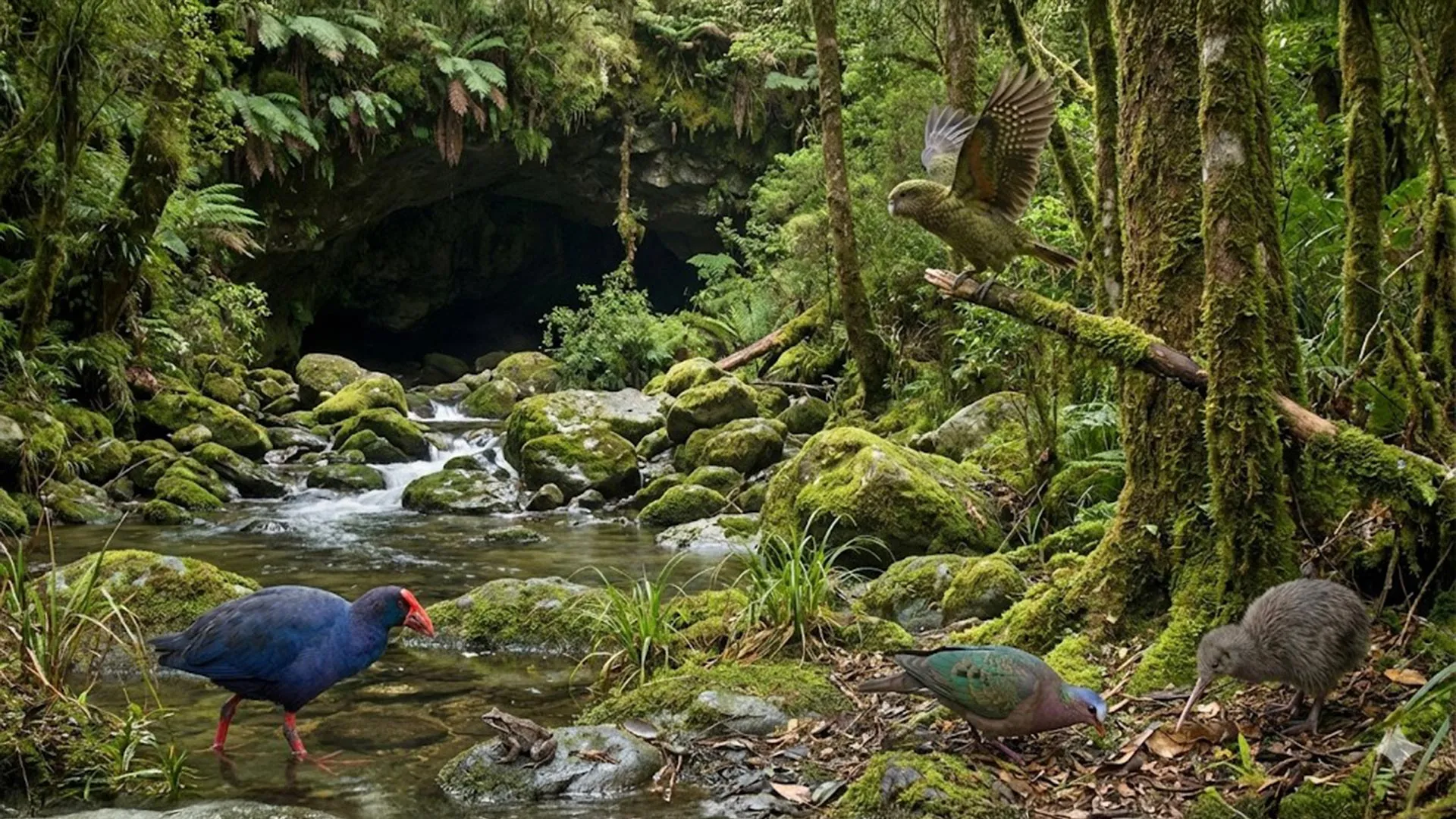
Fossils sealed between two volcanic ash layers near Waitomo preserve 12 bird species and four frog species, including an ancient relative of the flightless kakapo that may once have flown.

A new study comparing kombucha made from black, green, white, oolong and pu-erh teas found that green and oolong versions pack the strongest antioxidant punch.

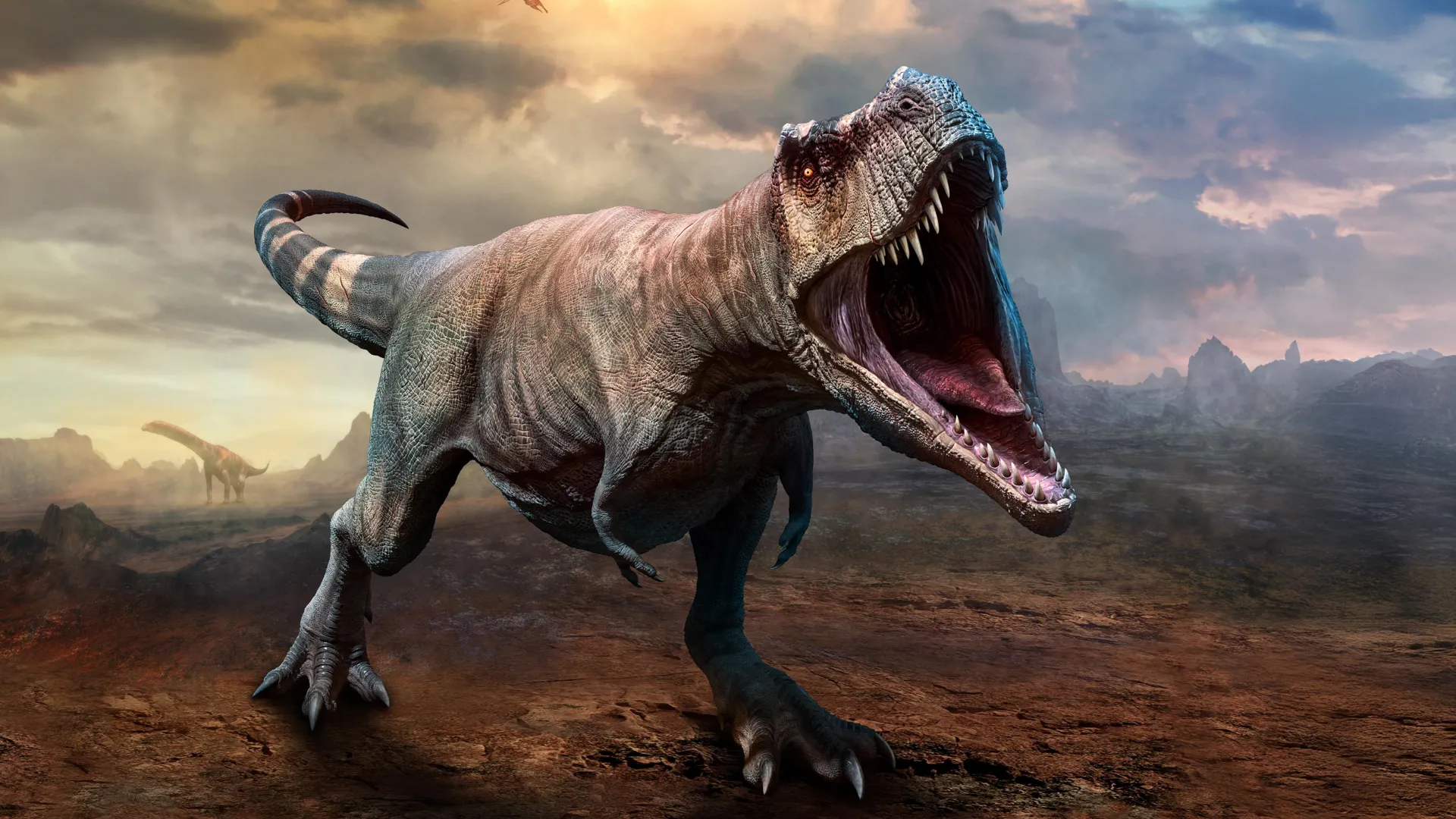
By reading growth rings in 17 tyrannosaur specimens, researchers nearly doubled the dinosaur's estimated growth timeline — and found that some famous 'T. rex' fossils may not be T. rex at all.
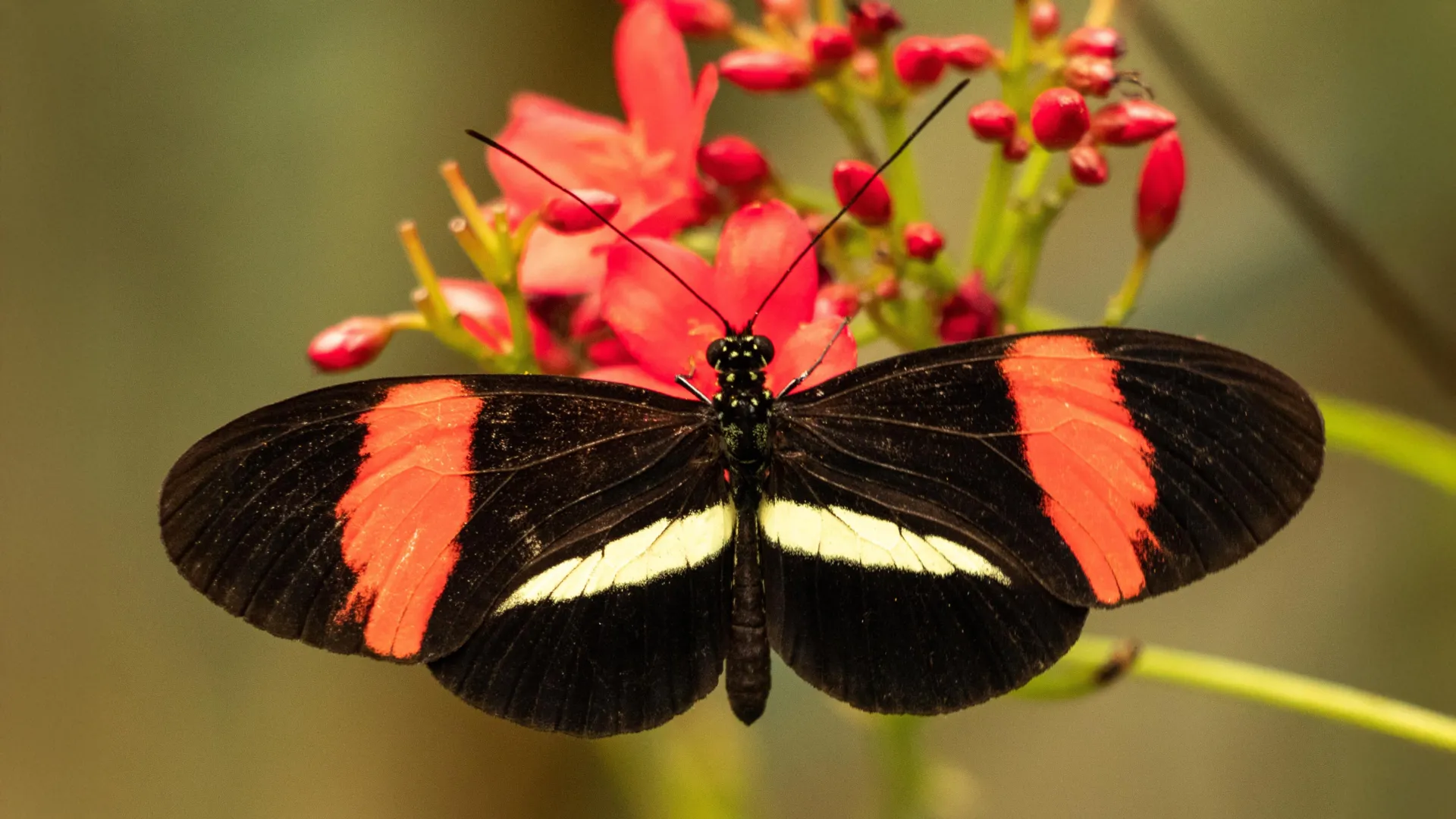
Heliconius butterflies live up to three times longer than their close relatives — and one species shows almost no physical decline with age, a new Nature Communications study reports.

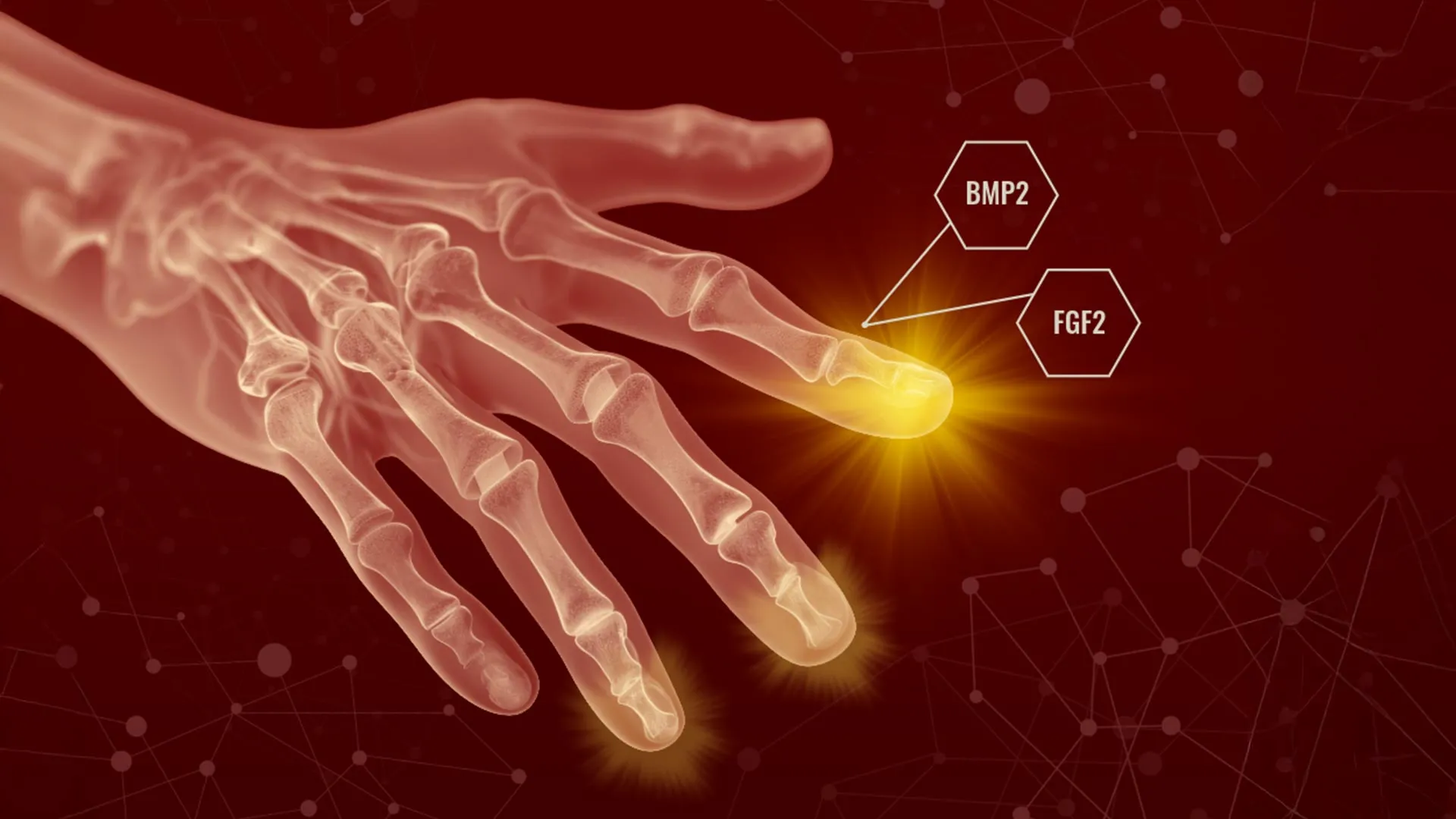
Texas A&M researchers used a two-step growth-factor treatment to coax adult mice to rebuild bone, joints, ligaments and tendons after amputation — evidence that mammals may retain a dormant capacity to regenerate.

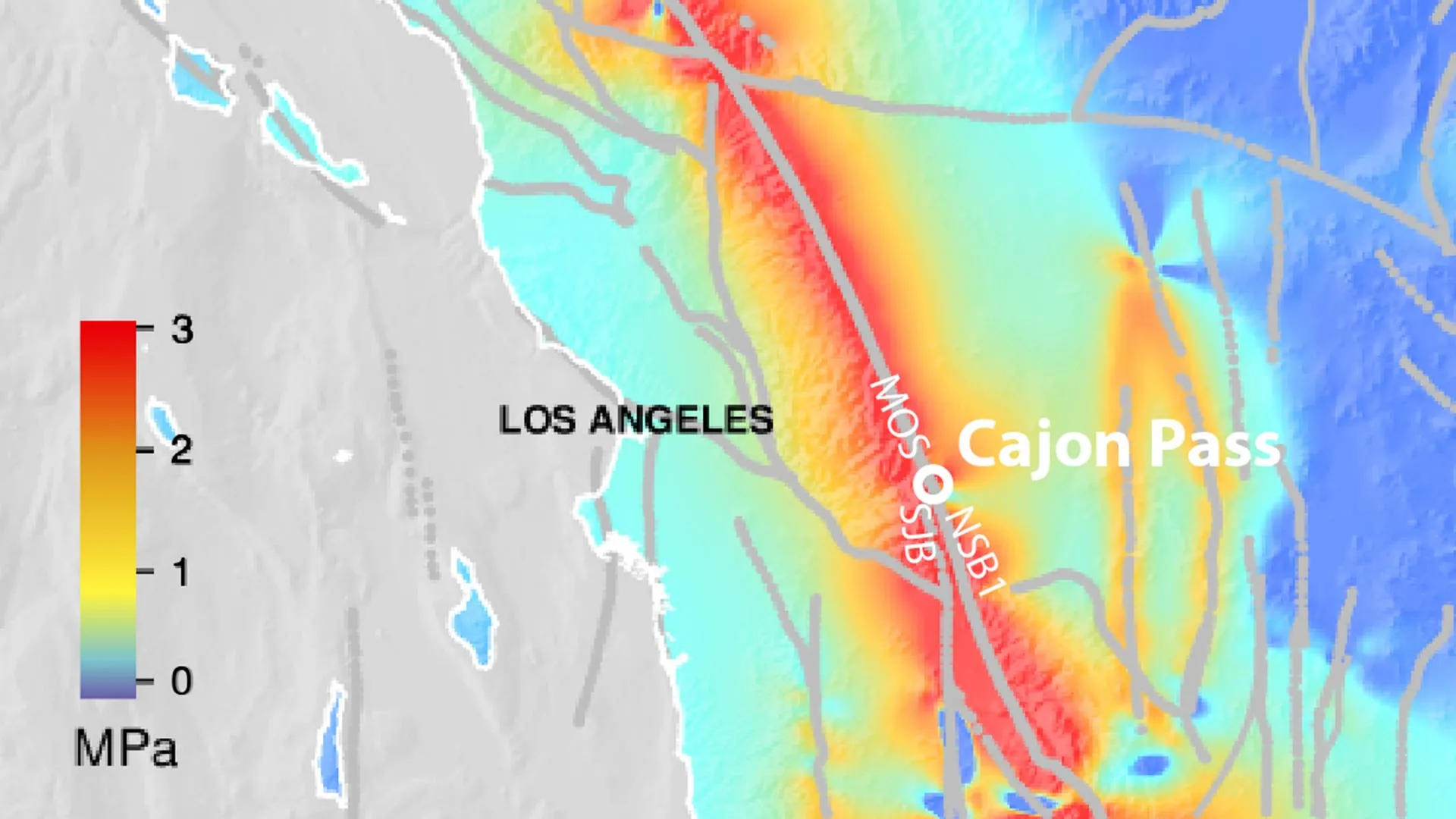
Researchers modeling the San Andreas and San Jacinto systems found Cajon Pass acting as an 'earthquake gate' that could let a rupture jump both faults at once near Los Angeles.

A new study shows that hydrogen radicals generated by intense ultraviolet light can strip fluorine from PFAS molecules and break them apart — with no added chemicals required.
Oxford and Max Planck scientists say tightly bound black-hole binaries act as cosmic lenses, magnifying background stars into repeating flashes that betray their presence.

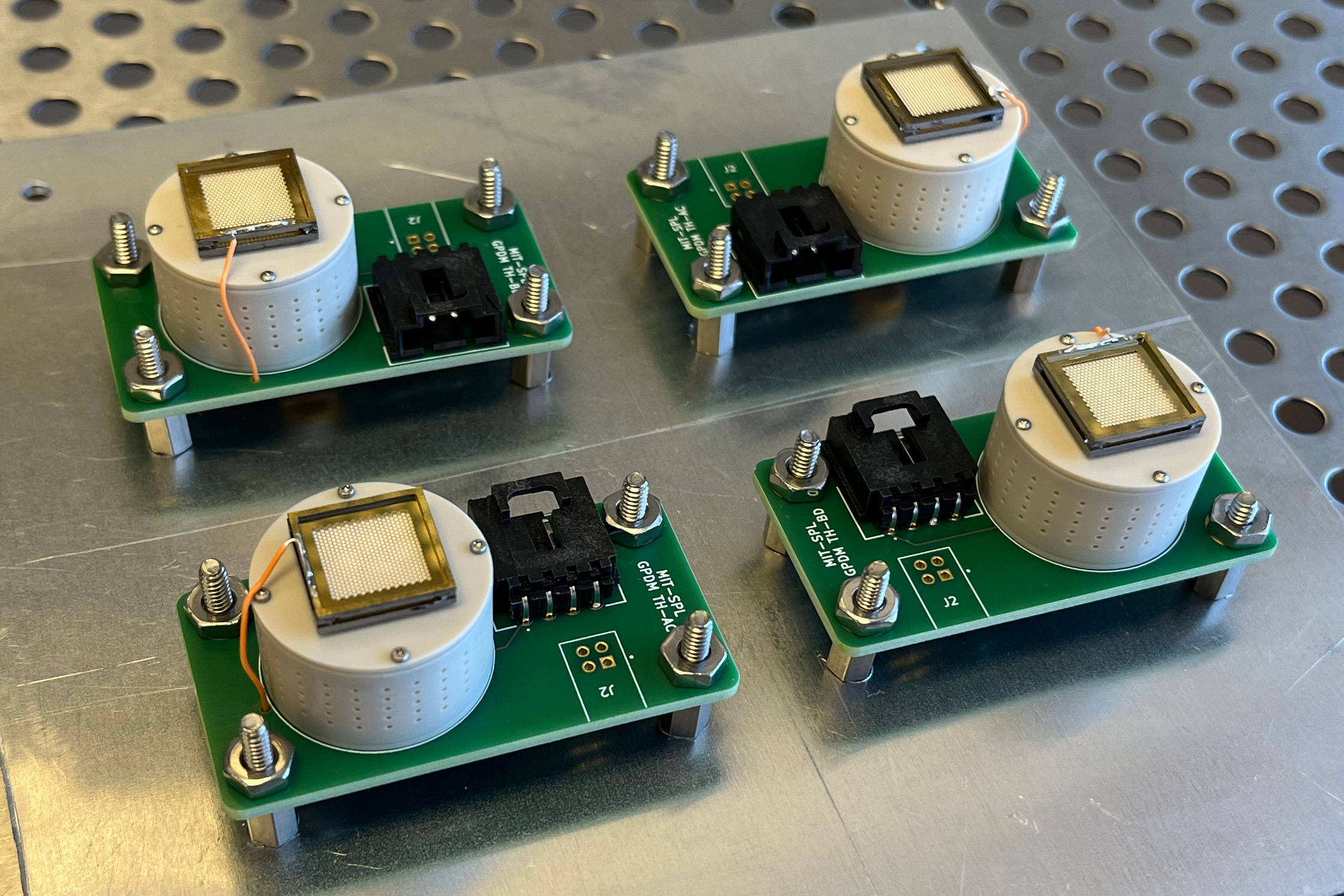
A single Air Force-developed propellant ran both a chemical engine and electric electrospray thrusters in the lab — a dual-mode design that could send briefcase-sized CubeSats to Mars.

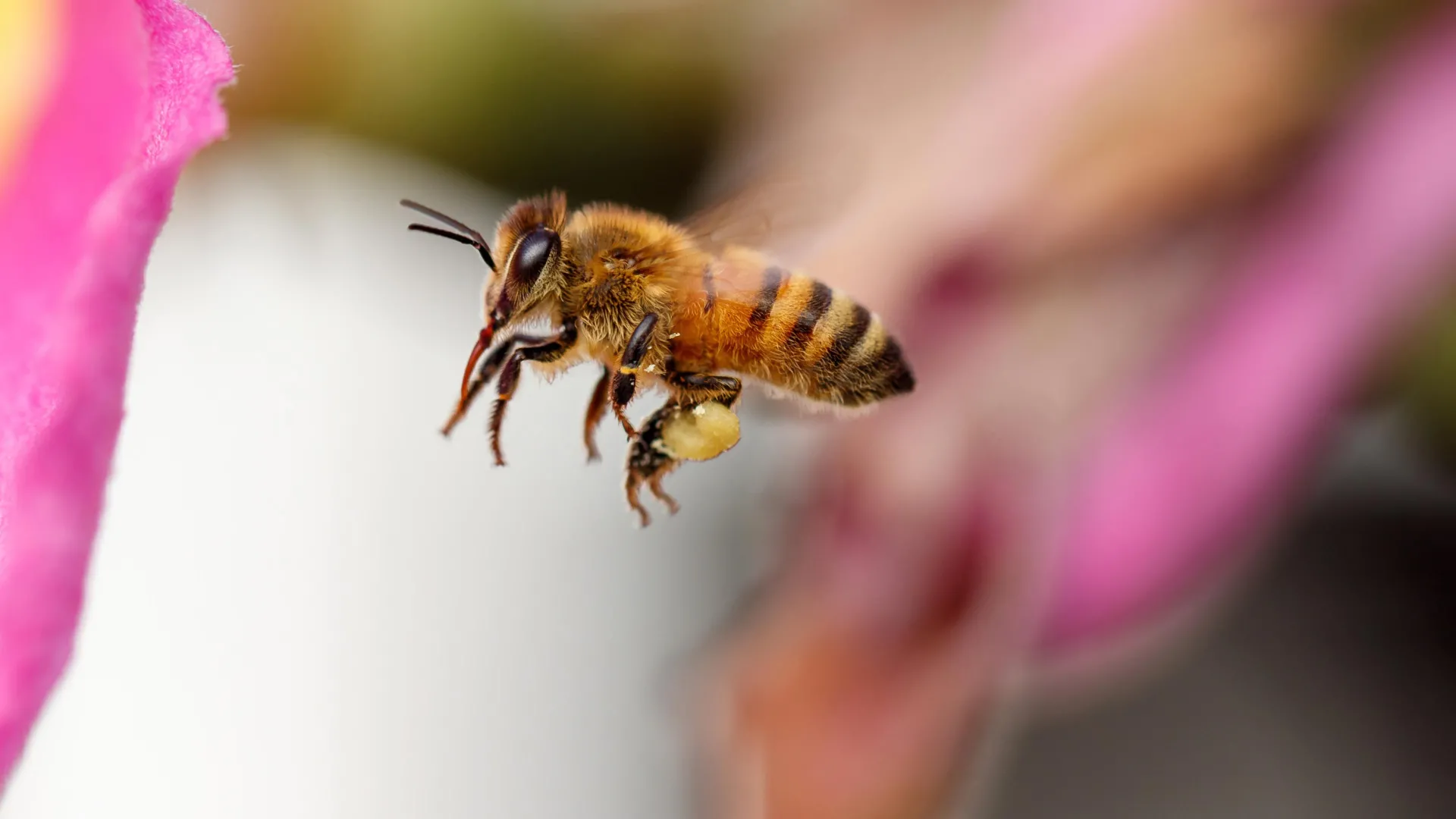
German researchers followed individual bees with a high-speed drone and discovered each insect repeats its foraging route within centimeters, steering by landmarks like a lone tree.

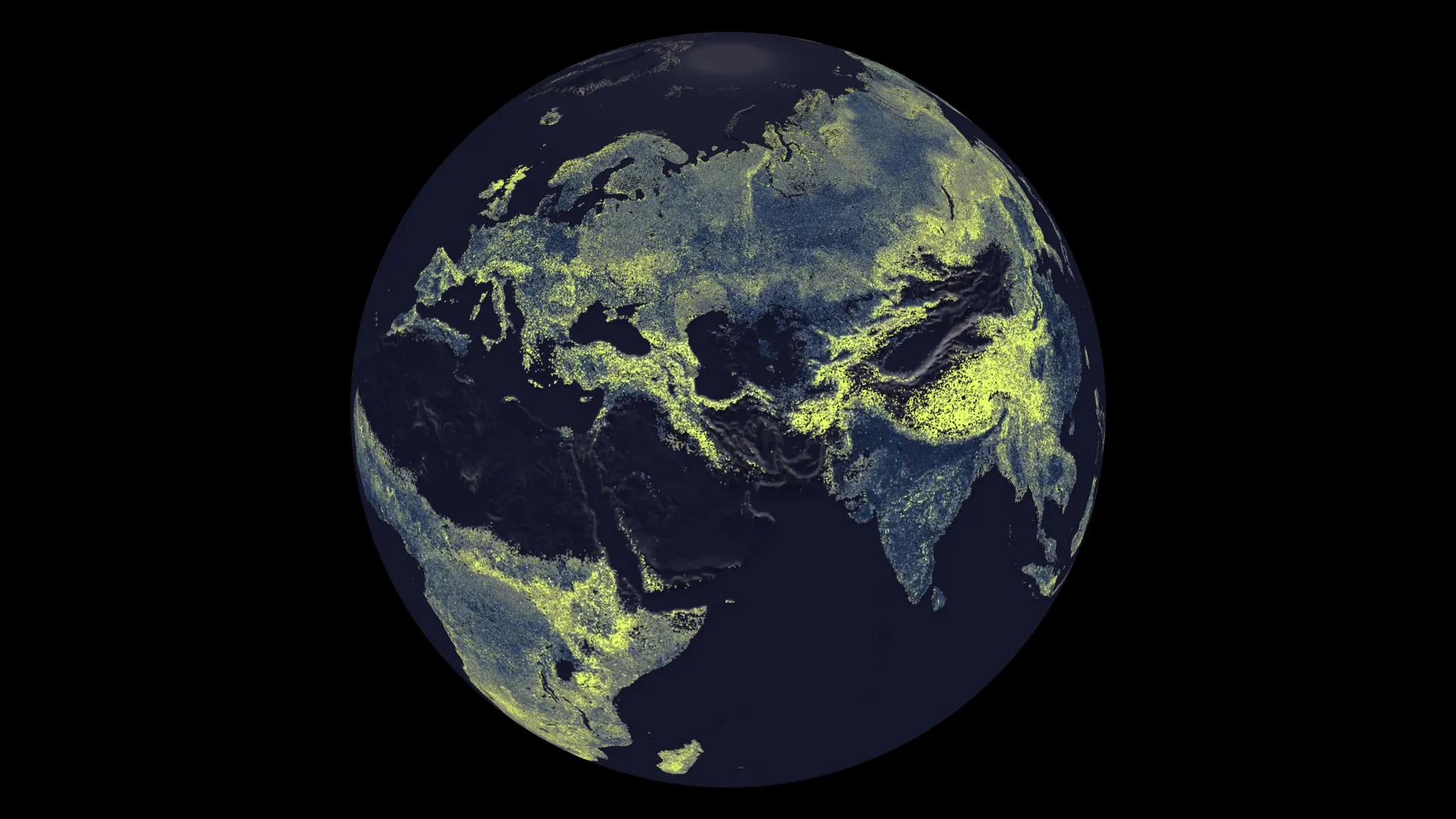
First global maps reveal hidden mycorrhizal infrastructure that moves 4 billion tons of carbon annually and supports most plant life on Earth.

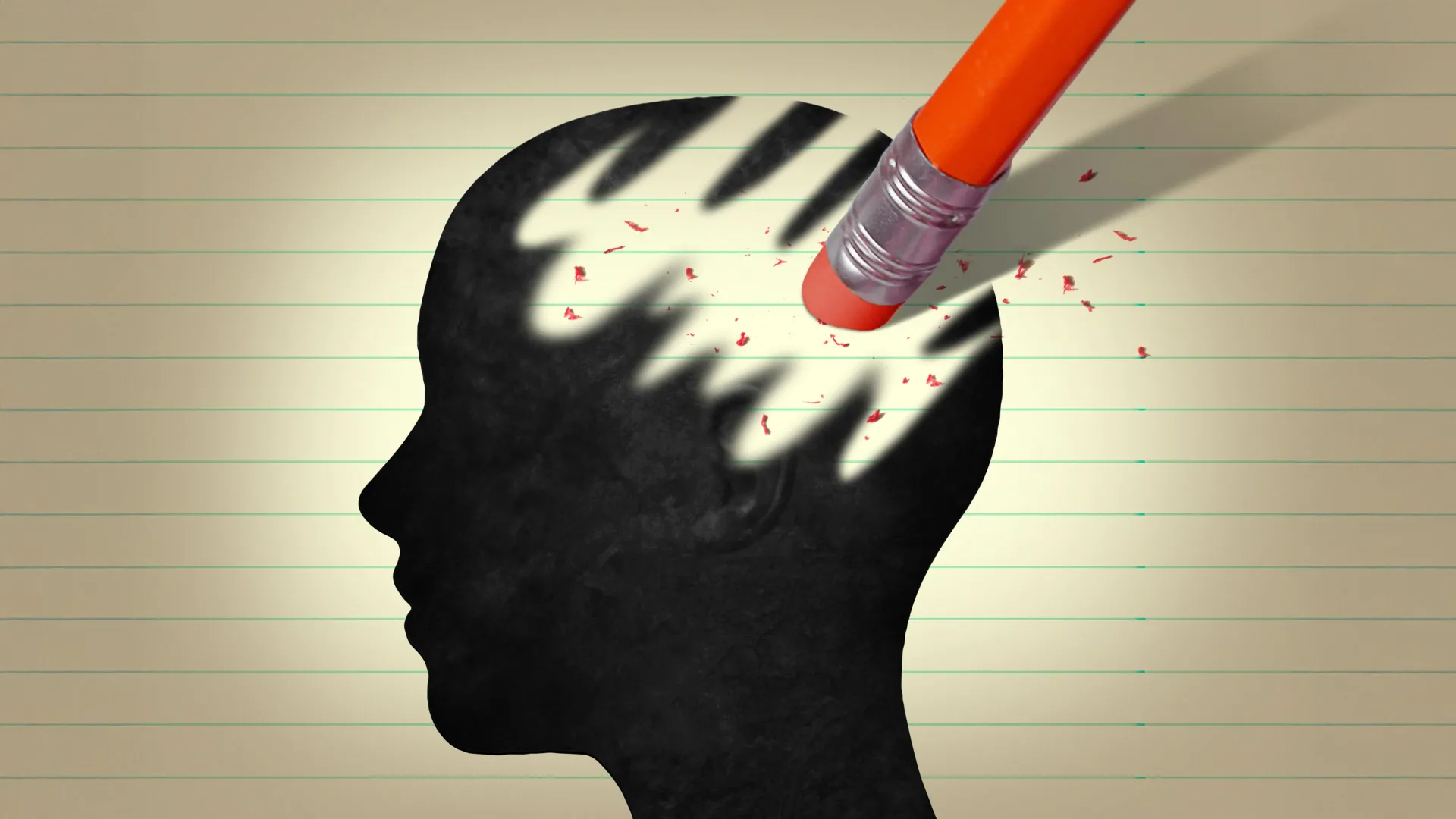
ETH Zurich researchers traced dementia to a malfunctioning protein clustering around brain cells' power plants, then showed an experimental molecule, Compound 10, could blunt the damage.

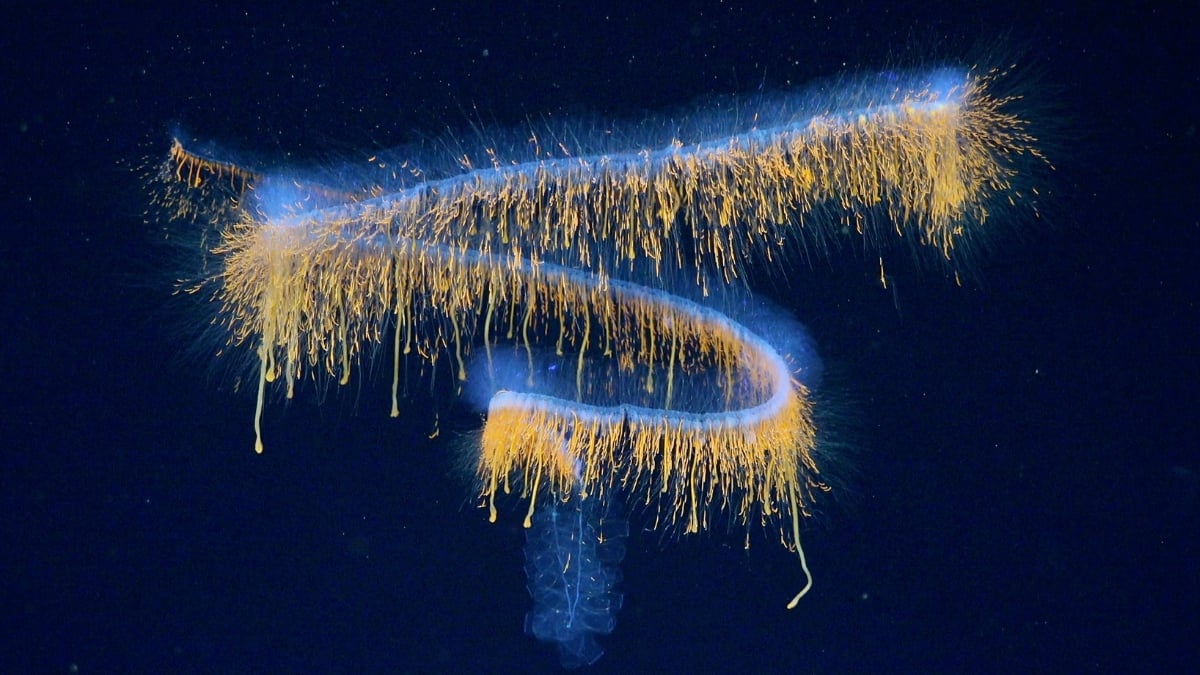
A Schmidt Ocean Institute expedition aboard the research vessel Falkor (too) catalogued dozens of previously undescribed midwater creatures and captured a first-ever 3D image of a living cell at sea.

Research from the Center for BrainHealth challenges the assumption that cognitive decline is inevitable, finding that daily habits can strengthen the mind at any age.

Mice on a sucrose-free low-fat diet showed worse blood sugar control, more inflammation and disrupted gut bacteria than those who ate some sugar, researchers reported at ENDO 2026.

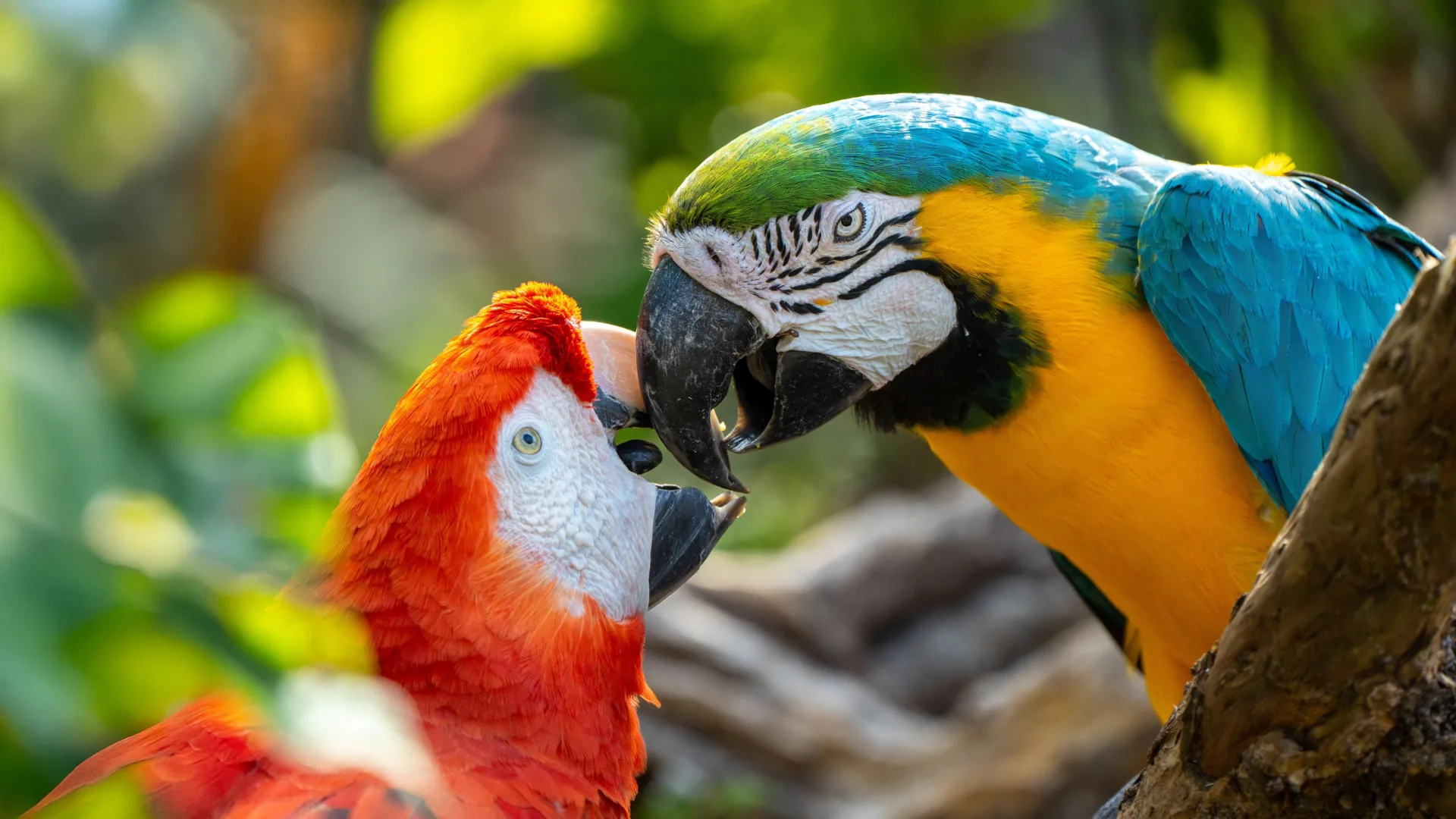
Analysis of 880 captive parrots reveals birds using names in ways similar to humans, including referring to absent individuals.

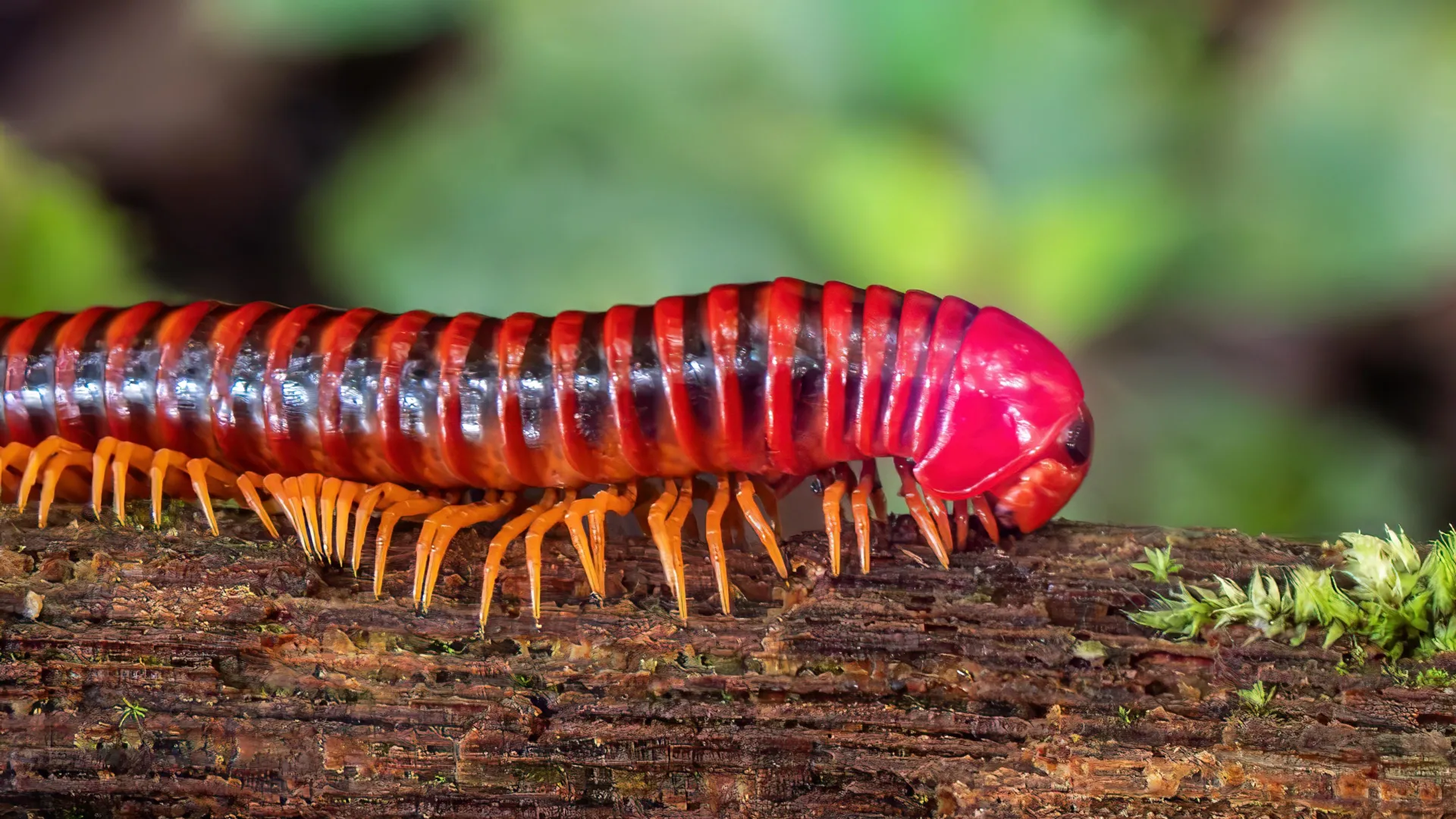
Scientists assembled the first complete evolutionary history of every living millipede order, tracing the leggy creatures back roughly 460 million years — long before any vertebrate crawled ashore.

Drawing on recordings of hundreds of companion parrots, researchers found striking evidence that some birds attach specific names to specific individuals — not just mimicry, but labels.

Americans born in the 1960s and early 1970s report higher levels of loneliness and depression than earlier generations, while other wealthy nations see improvements.

A South Korean team recreated the legendary fabric using waste fibers from a farmed clam, decoding why its golden glow never fades.

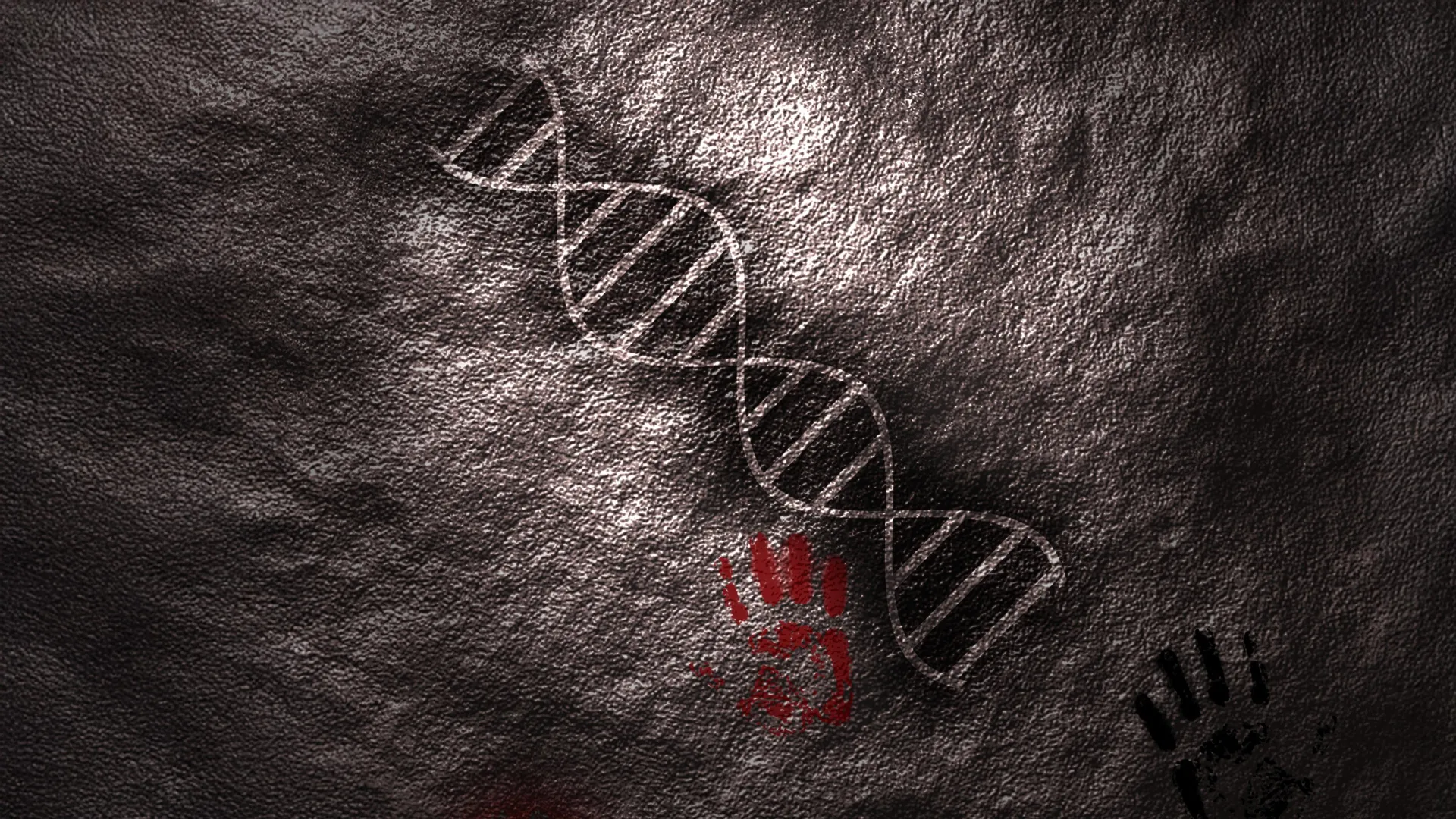
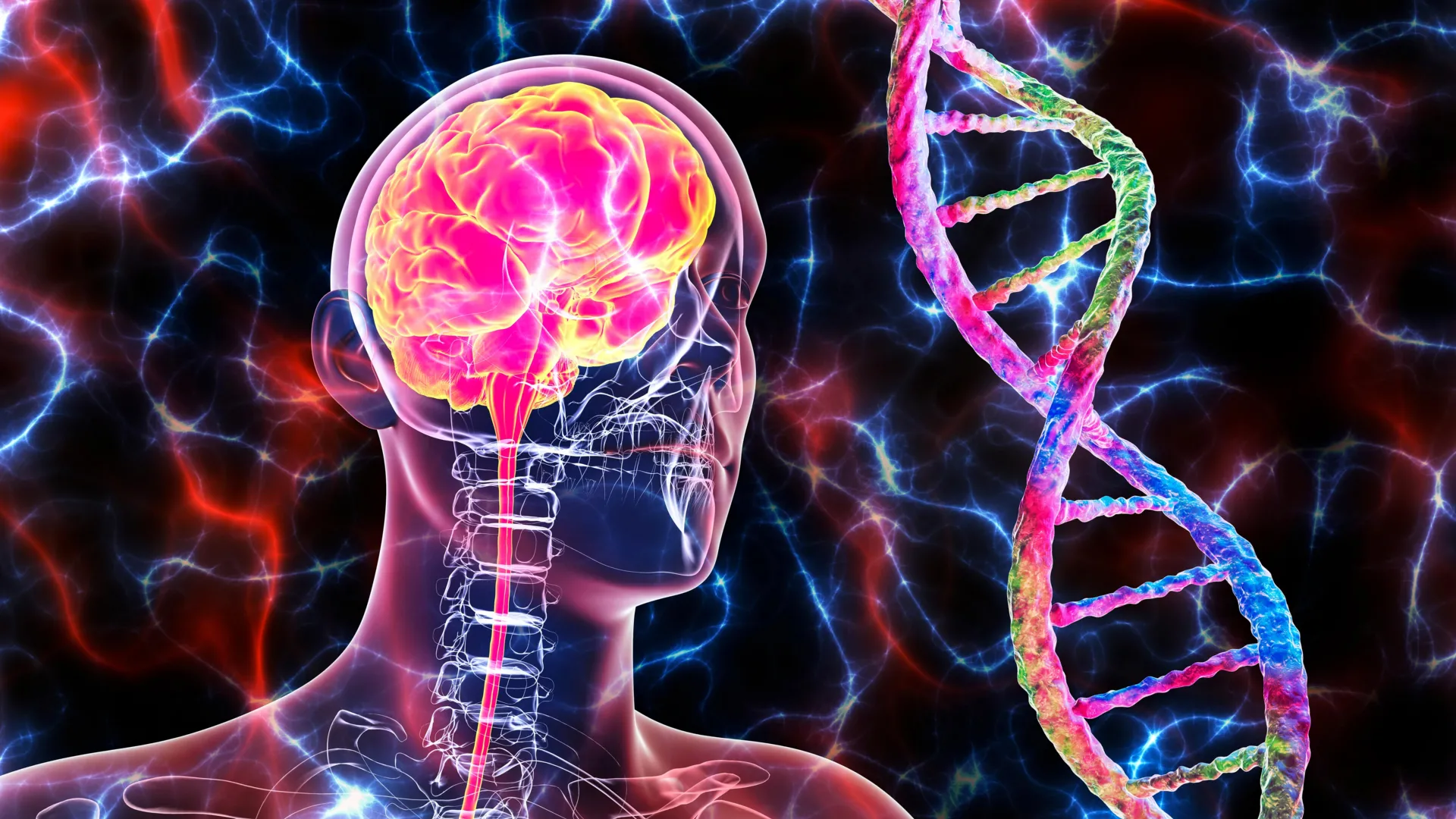
A study finds that a sliver of the genome making up less than a tenth of a percent of our DNA predicts language ability better than the other 99.9% combined.

Genomes from across Oceania reveal that interbreeding with at least three Denisovan groups left gene variants that still shape how people fight infection today.

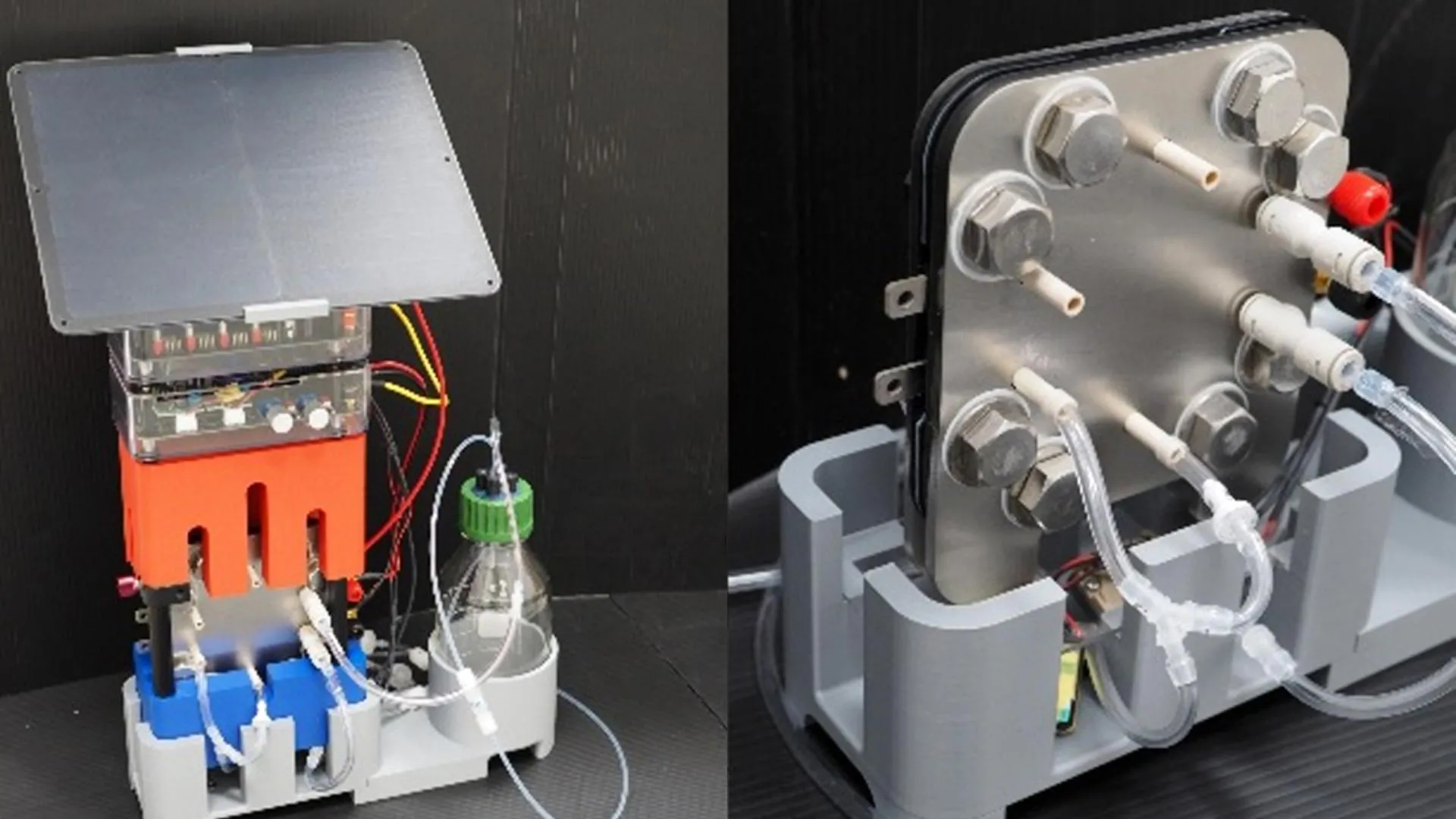
Osaka Metropolitan University researchers built a solar device that tracks its own peak power as the sun shifts, turning carbon dioxide and water into fuel without batteries or electronics.

A Boston Children's Hospital team found that microglia accumulate the same mutations that fuel blood cancers — and instead of cancer, they may stoke the inflammation that kills neurons.

Scripps Research scientists report a shot that trained animals' immune systems to block roughly 70% of fentanyl — and a wide range of designer copycats — from reaching the brain.