Science
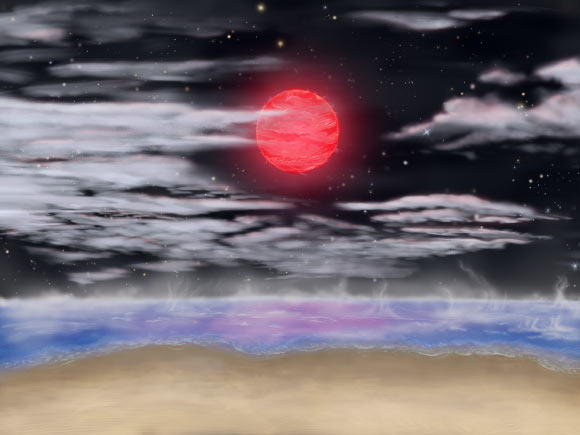
A Rocky Super-Earth 25 Light-Years Away Just Got a Lot More Interesting
New measurements slashed Gliese 3378b's estimated mass, tipping it from a likely gas world into a rocky planet sitting squarely in its star's habitable zone.
Section
Science news: space, biology, climate, medicine and the research changing how we live.
New measurements slashed Gliese 3378b's estimated mass, tipping it from a likely gas world into a rocky planet sitting squarely in its star's habitable zone.
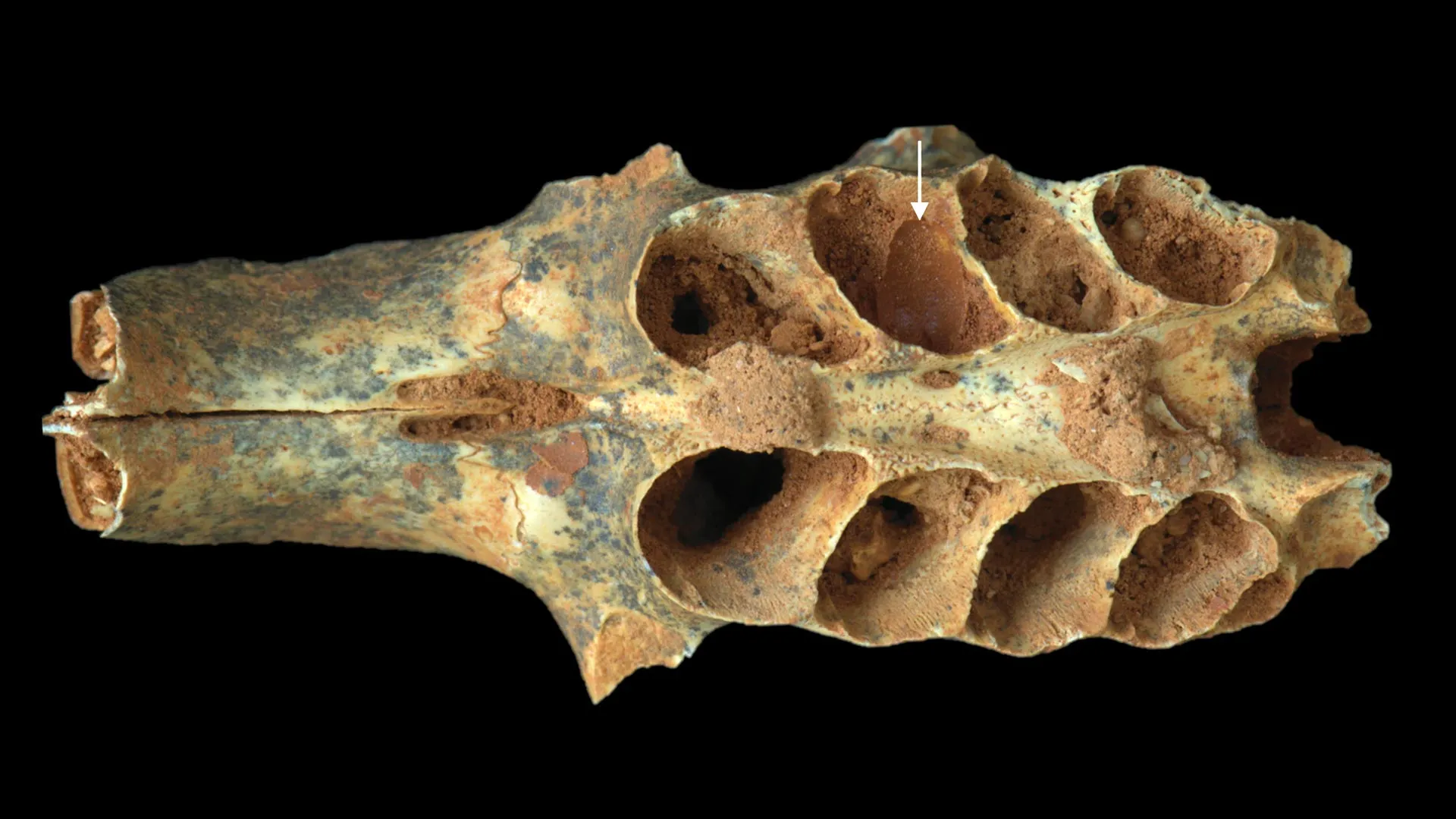
On the island of Hispaniola, scientists found the first known evidence of ancient bees nesting inside the empty tooth sockets of mammal jawbones scattered across a cave floor by owls.
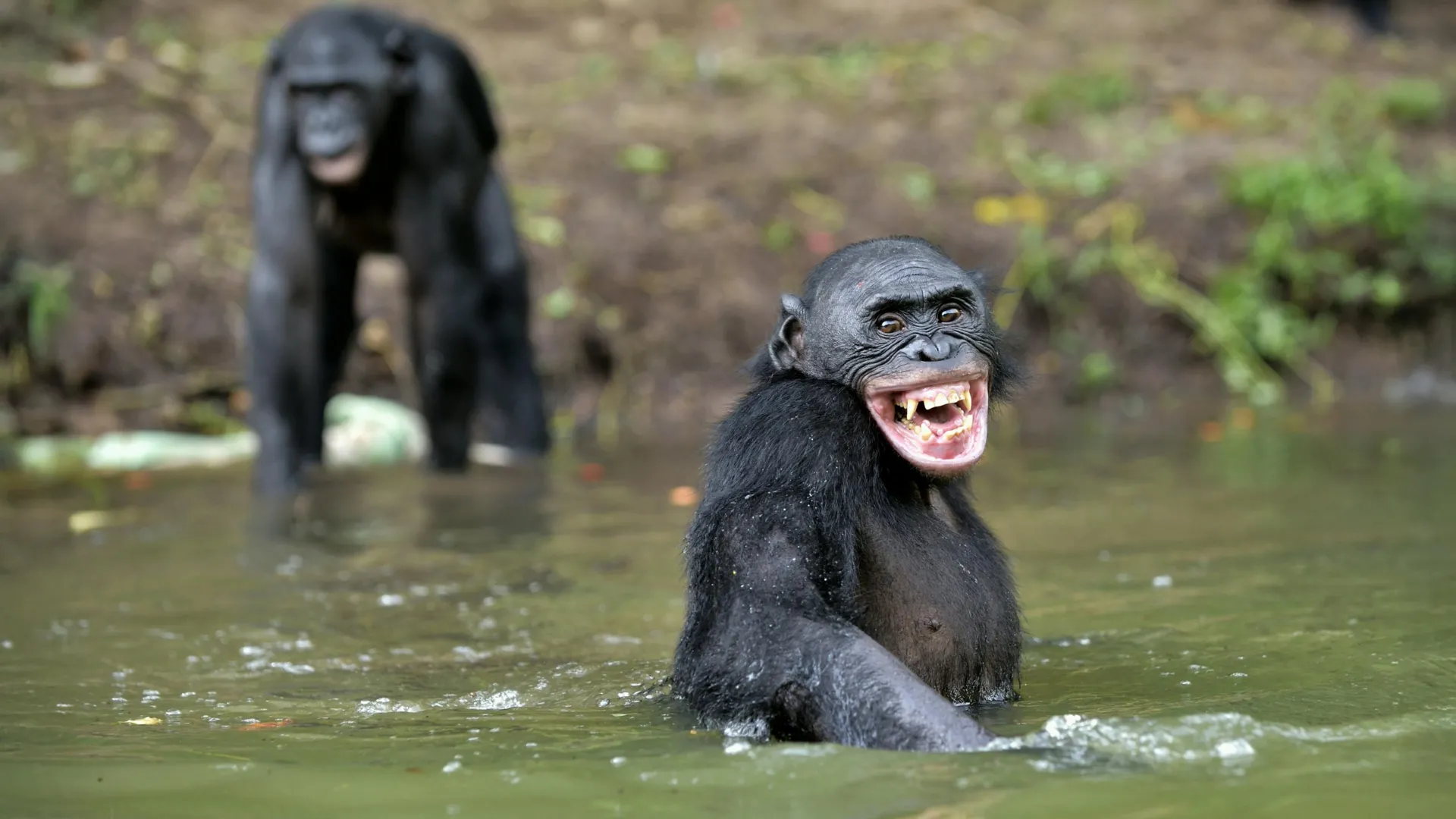
A study of chimps, bonobos, gorillas, orangutans and people found that all of them giggle with the same underlying rhythm, hinting at the deep roots of human speech.
A UCLA team discovered that a protein called NDRG1 builds up in old muscle stem cells and slams the brakes on repair. Switching it off makes aged cells act young again — but at a cost to their long-term survival.
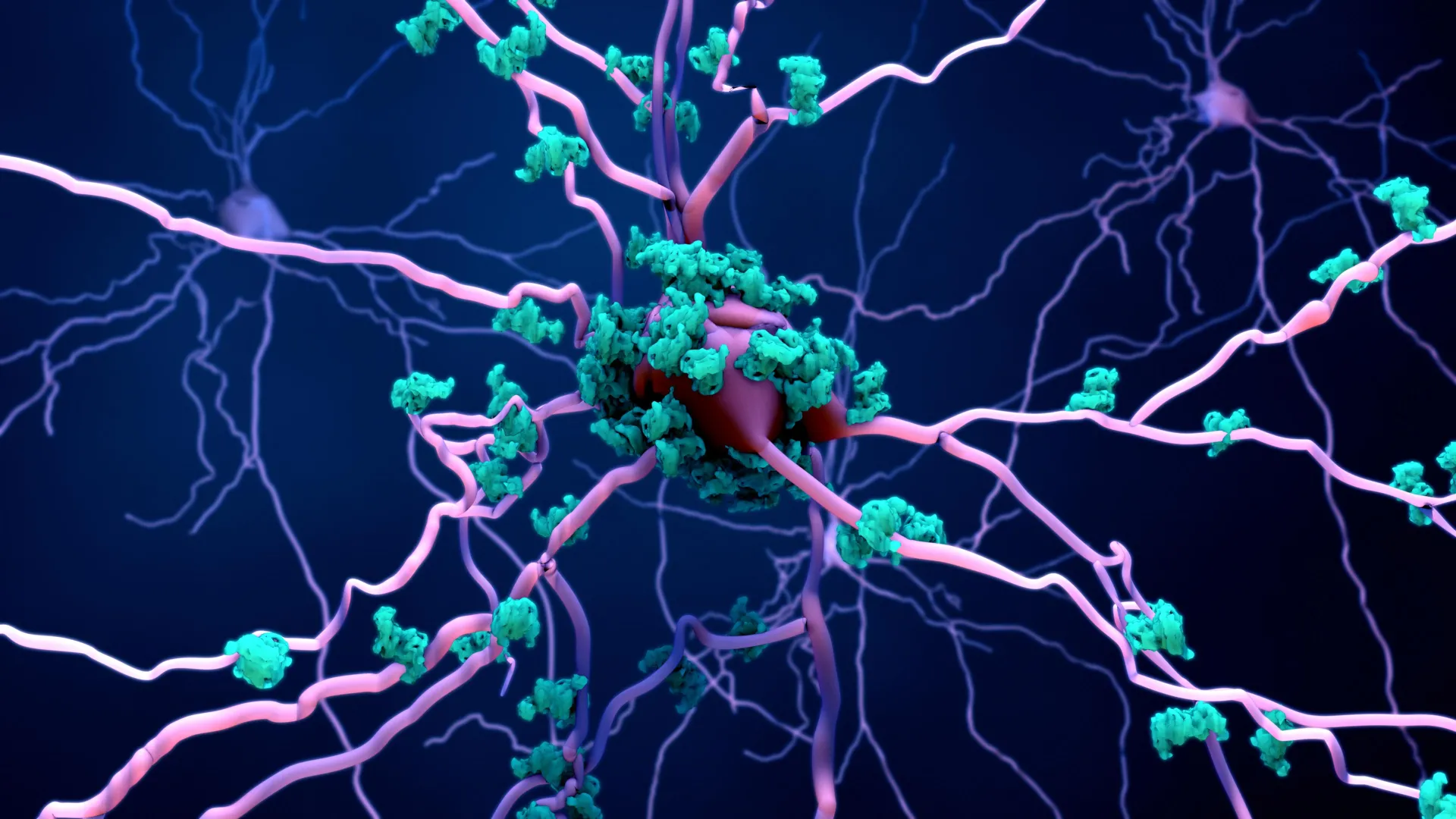
Researchers at King's College London have identified 'karyoptosis,' a form of cell death in which a neuron's nucleus shrinks and shatters under the strain of toxic proteins — a process far more common in diseased brains than healthy ones.
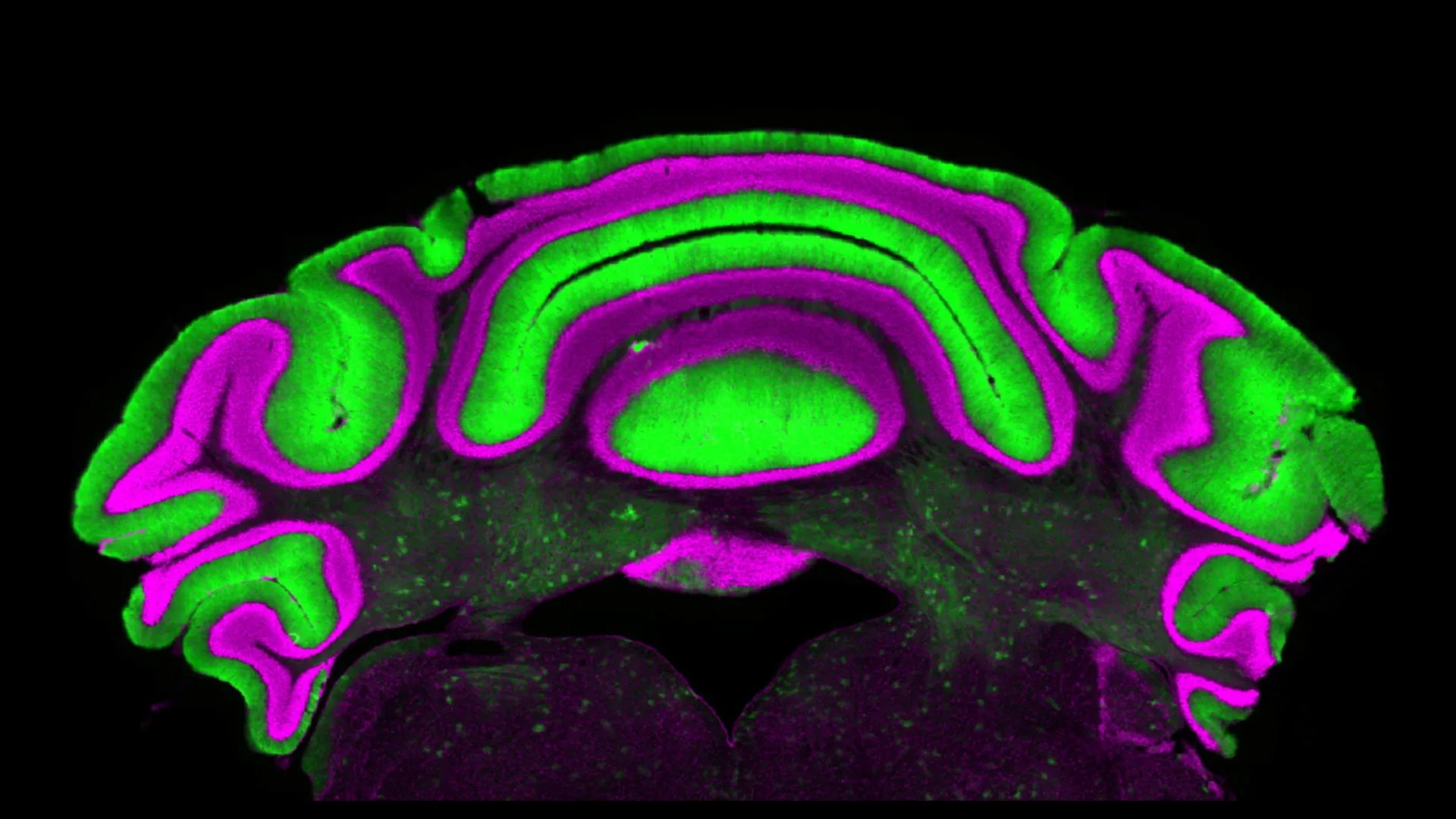
Two types of cerebellar cells long assumed to move in lockstep often don't, a Virginia Tech study finds — suggesting scientists have been watching the wrong signals in disorders like ataxia and dystonia.

Scientists in South Korea have created a naturally derived powder that turns to a sealing gel the instant it touches blood, a battlefield-born invention that could transform emergency care in ambulances, disasters and operating rooms.
/https://tf-cmsv2-smithsonianmag-media.s3.amazonaws.com/filer_public/3c/1f/3c1f6ba0-0486-41be-90f9-b9d192cfd29a/notebook-and-fossil.jpeg)
An 82-million-year-old tail vertebra collected on James Ross Island in 1985 has been identified as a titanosaur — the first dinosaur bone ever found on the continent.
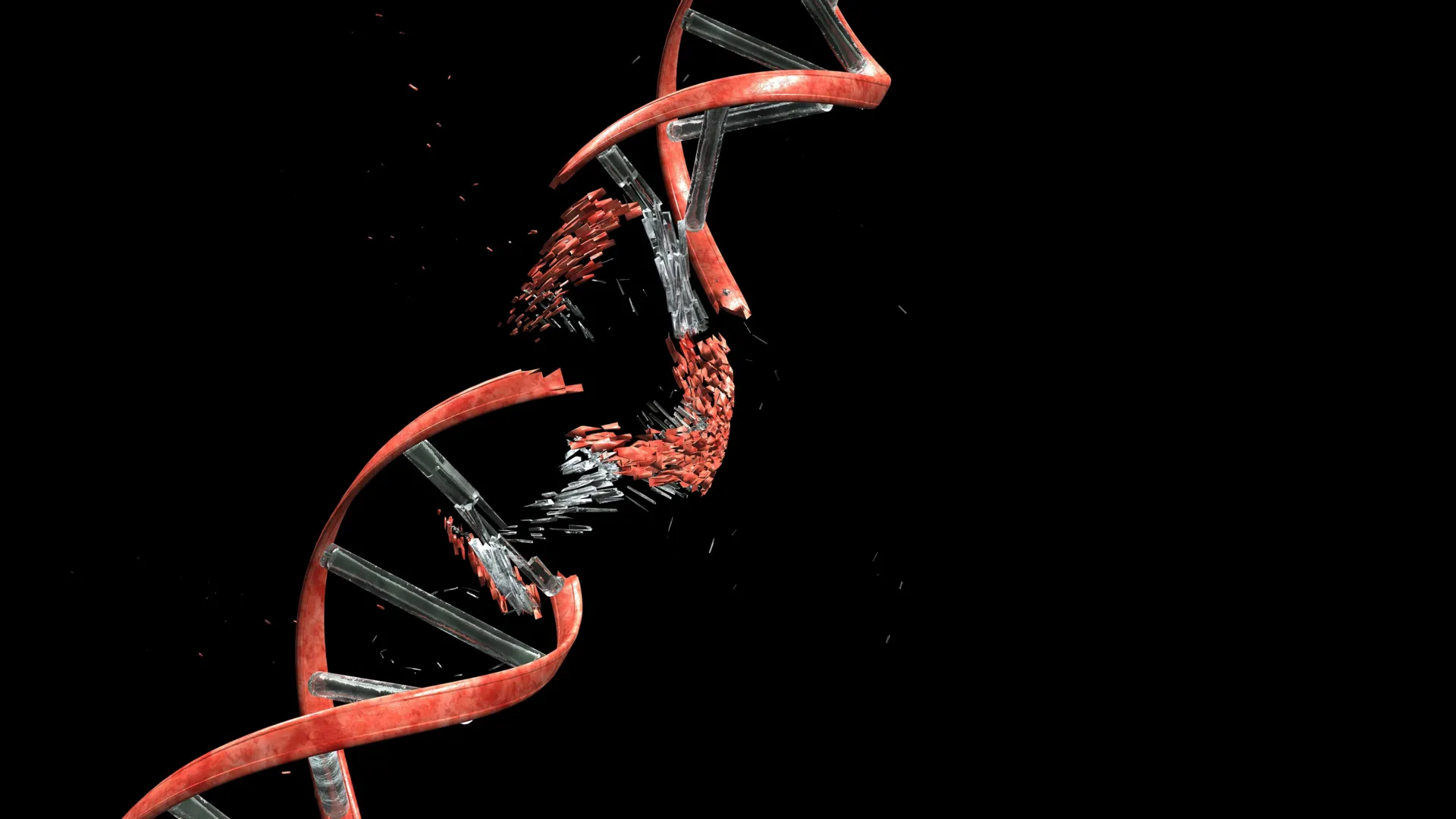
Kyoto University researchers report in Nature that migrating neurons suffer double-strand DNA breaks as they squeeze through developing tissue, a hidden hazard of brain construction.
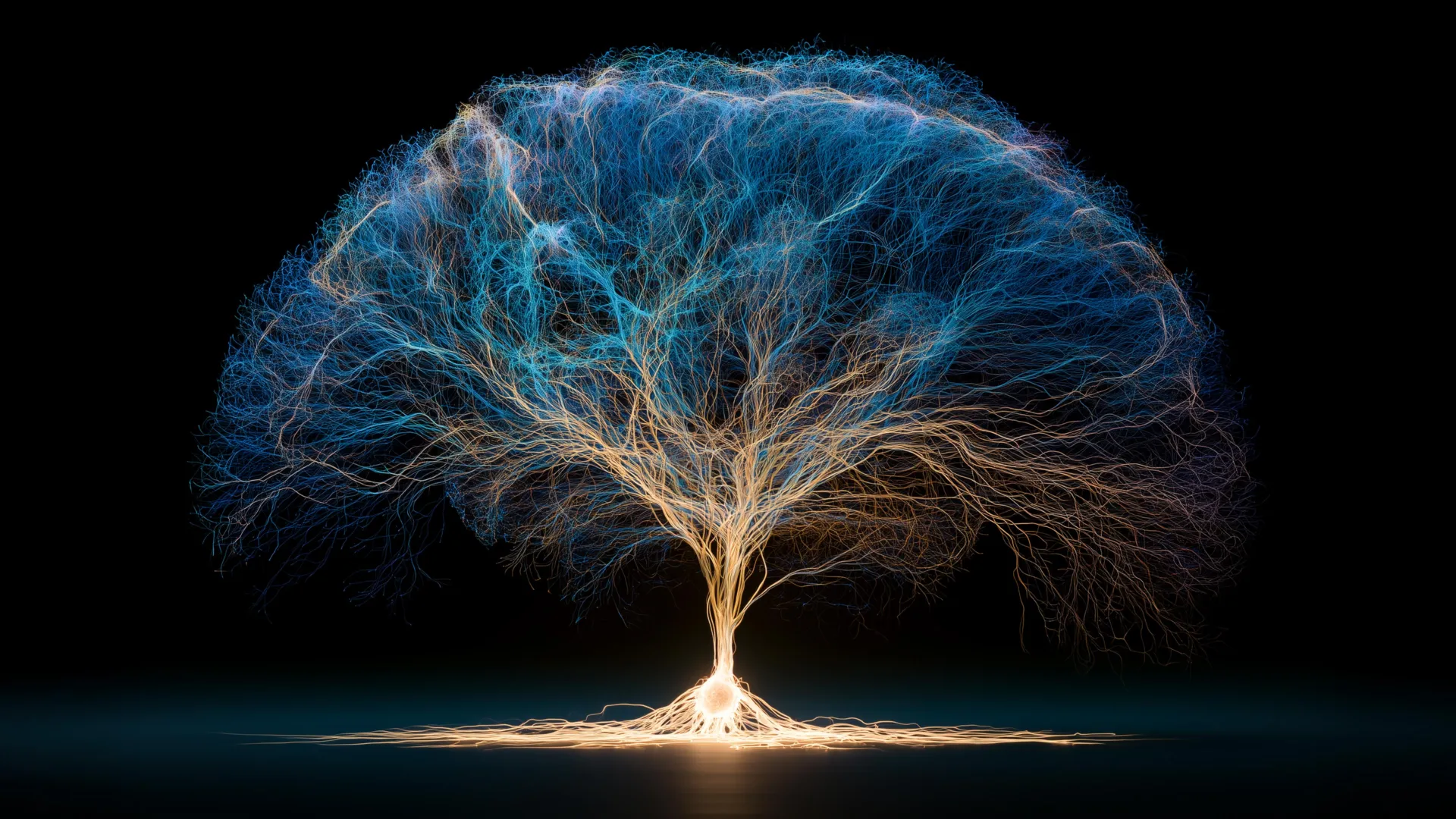
In the journal Neuron, Cold Spring Harbor scientists propose that brain cells find their place by tracking their own lineage — a positioning system that could also inform AI design.
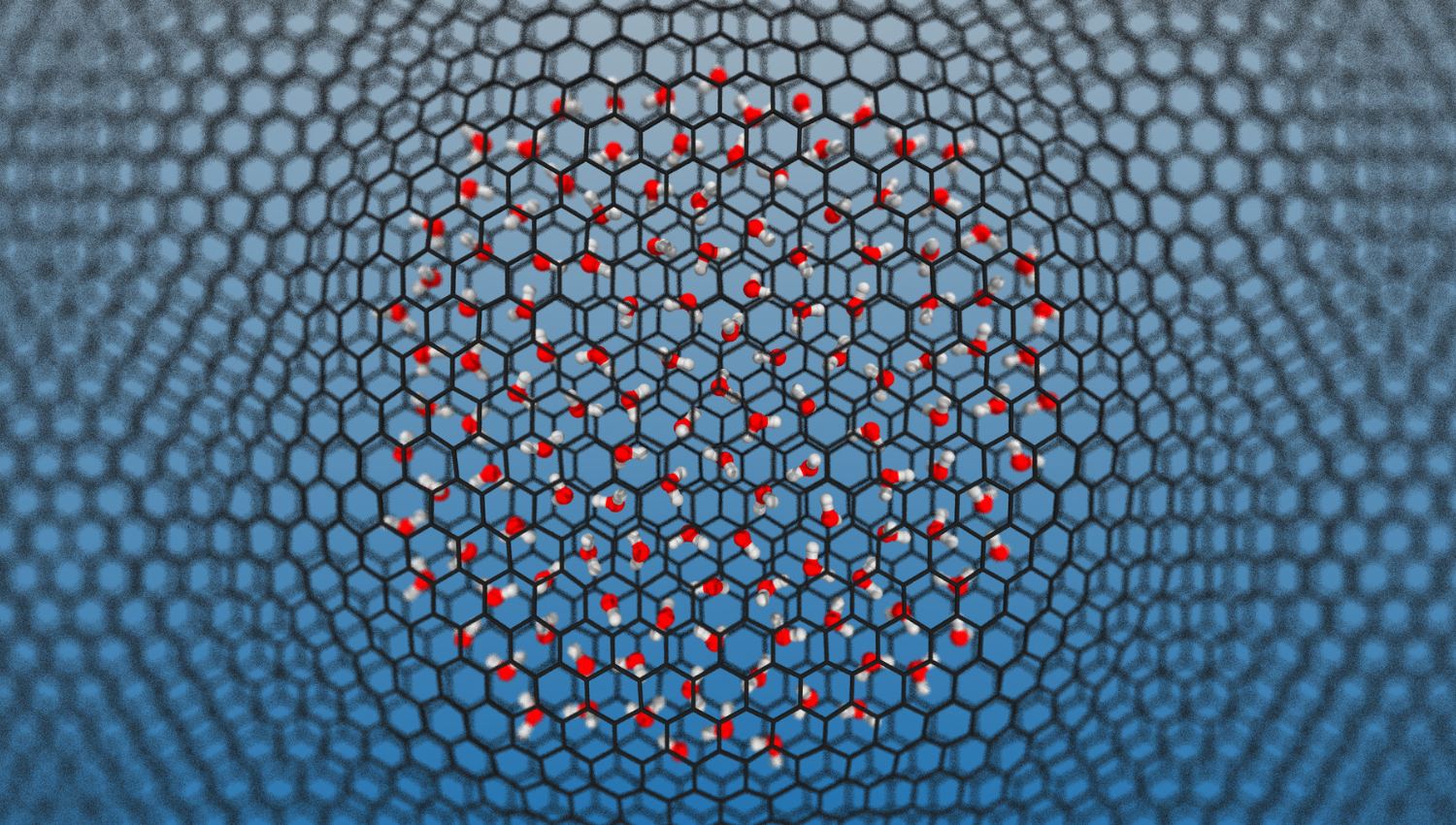
Cambridge physicists used quantum-accurate simulations to show that water squeezed into nanoscale gaps isn't inherently more reactive; crushing internal pressures explain the effect that has baffled labs for a decade.
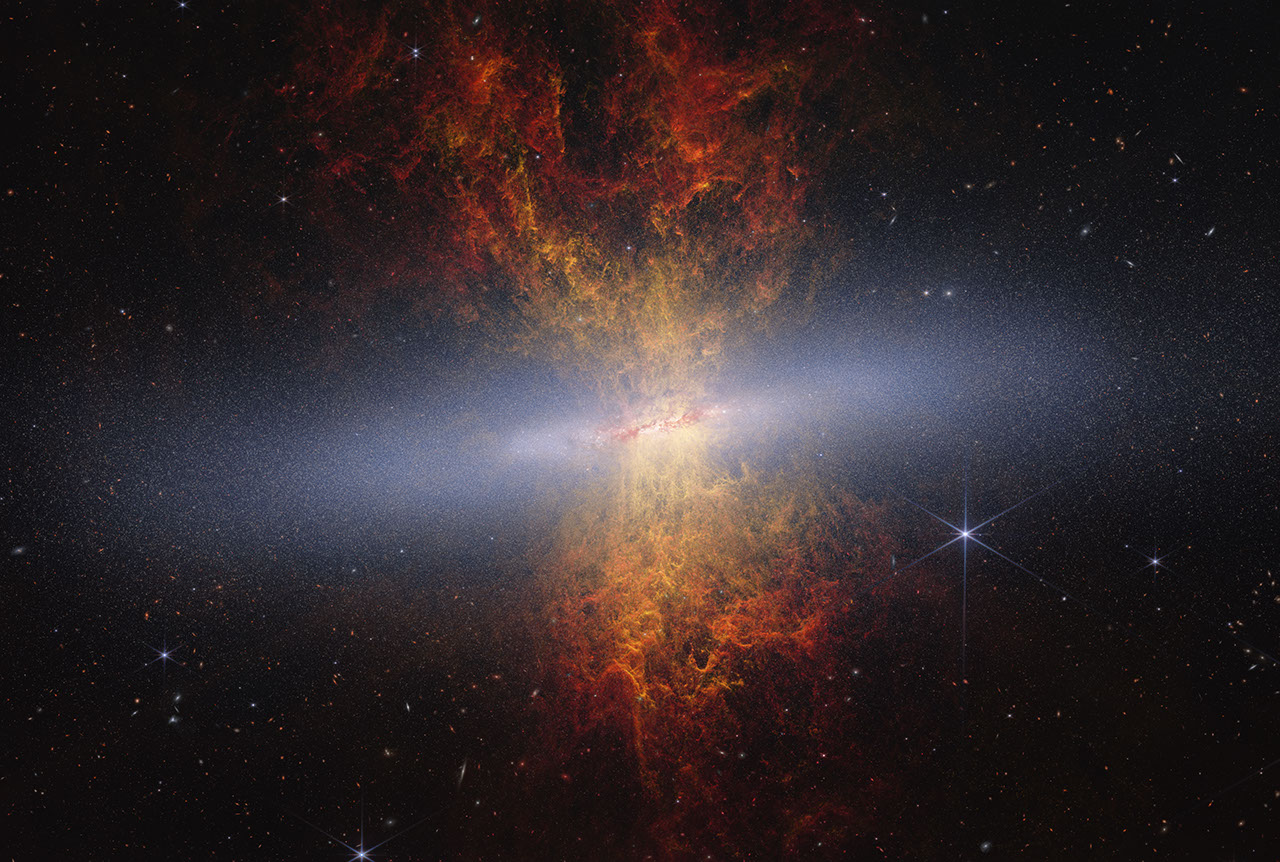
In 65 hours of infrared observations, NASA's James Webb Space Telescope resolved the frenetic starburst galaxy Messier 82 in unprecedented detail, exposing a warped disk and millions of individual suns.
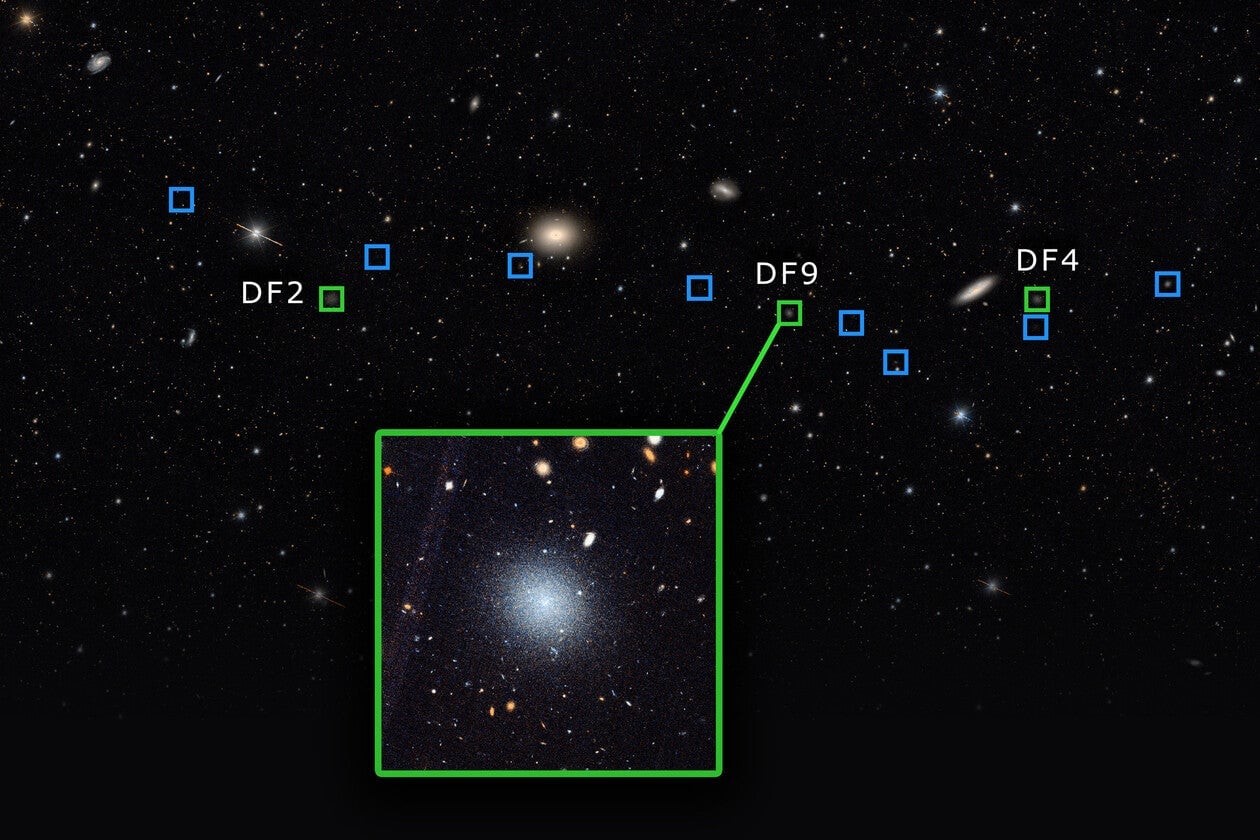
The faint galaxy DF9 joins two earlier oddballs in a straight line of objects that appear to lack the invisible mass thought to bind galaxies together — hinting at a violent birth.
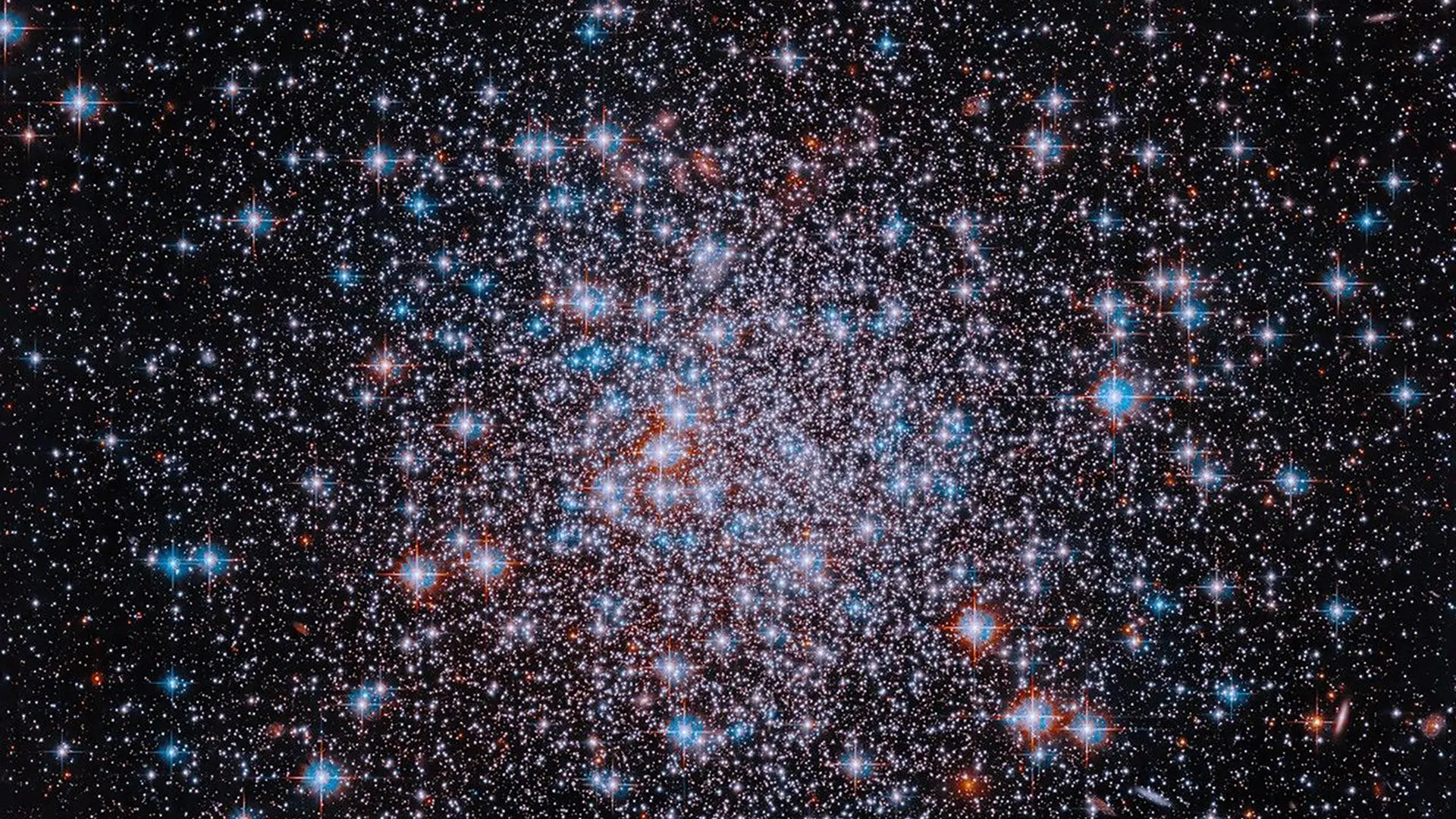
NASA released a red, white and blue portrait of the 13-billion-year-old globular cluster NGC 6426, whose ancient stars hold clues to how the universe first forged the ingredients for planets and life.

Following a gamma-ray burst to its source, the James Webb Space Telescope caught a collapsing massive star from the cosmic dawn and, for the first time at such a distance, imaged its faint host galaxy.
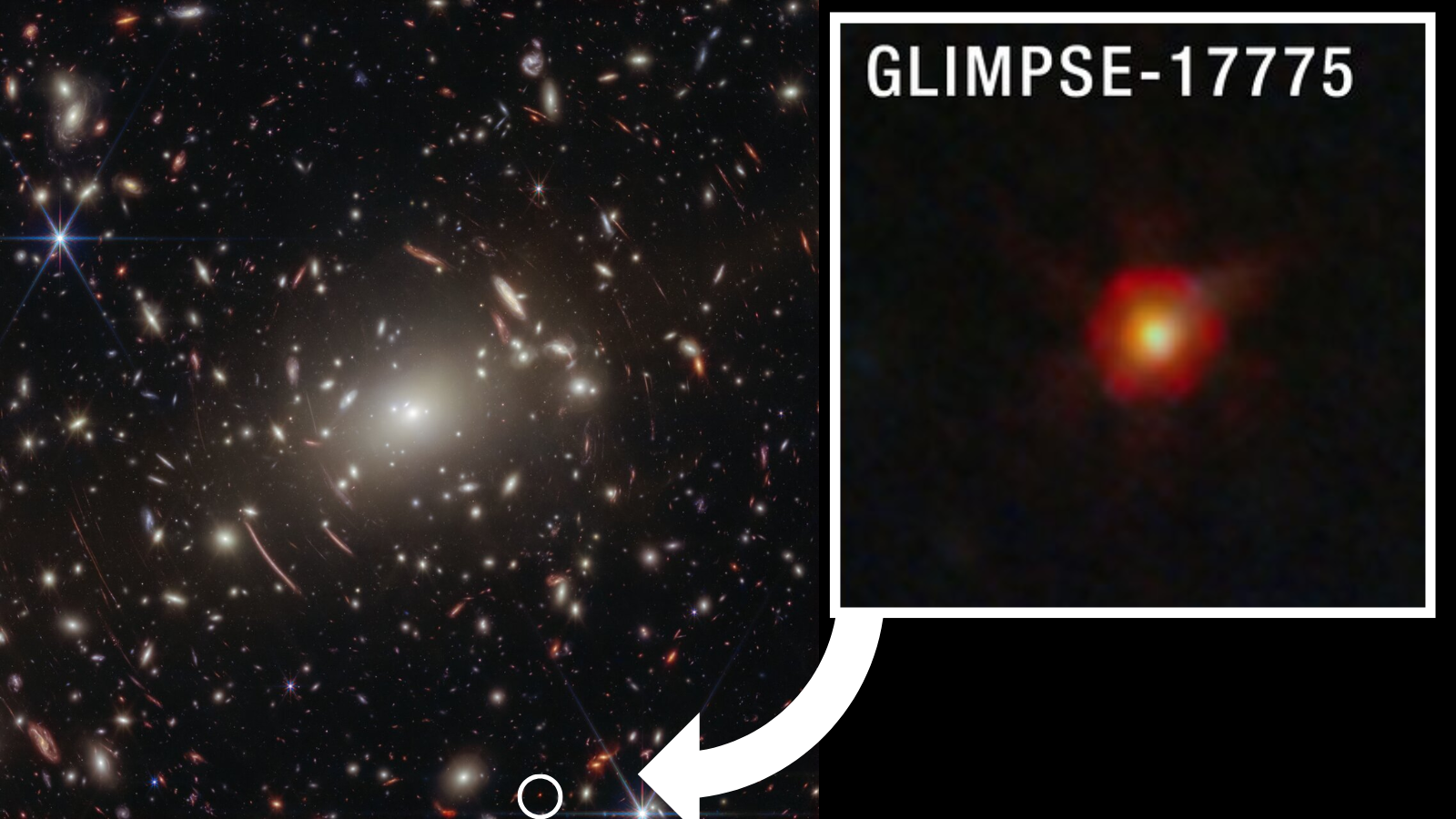
The most detailed spectrum yet of one of these ancient objects strongly favors a black hole cloaked in hot gas over a galaxy full of stars — evidence, researchers say, of heavy black-hole seeds being born in real time.
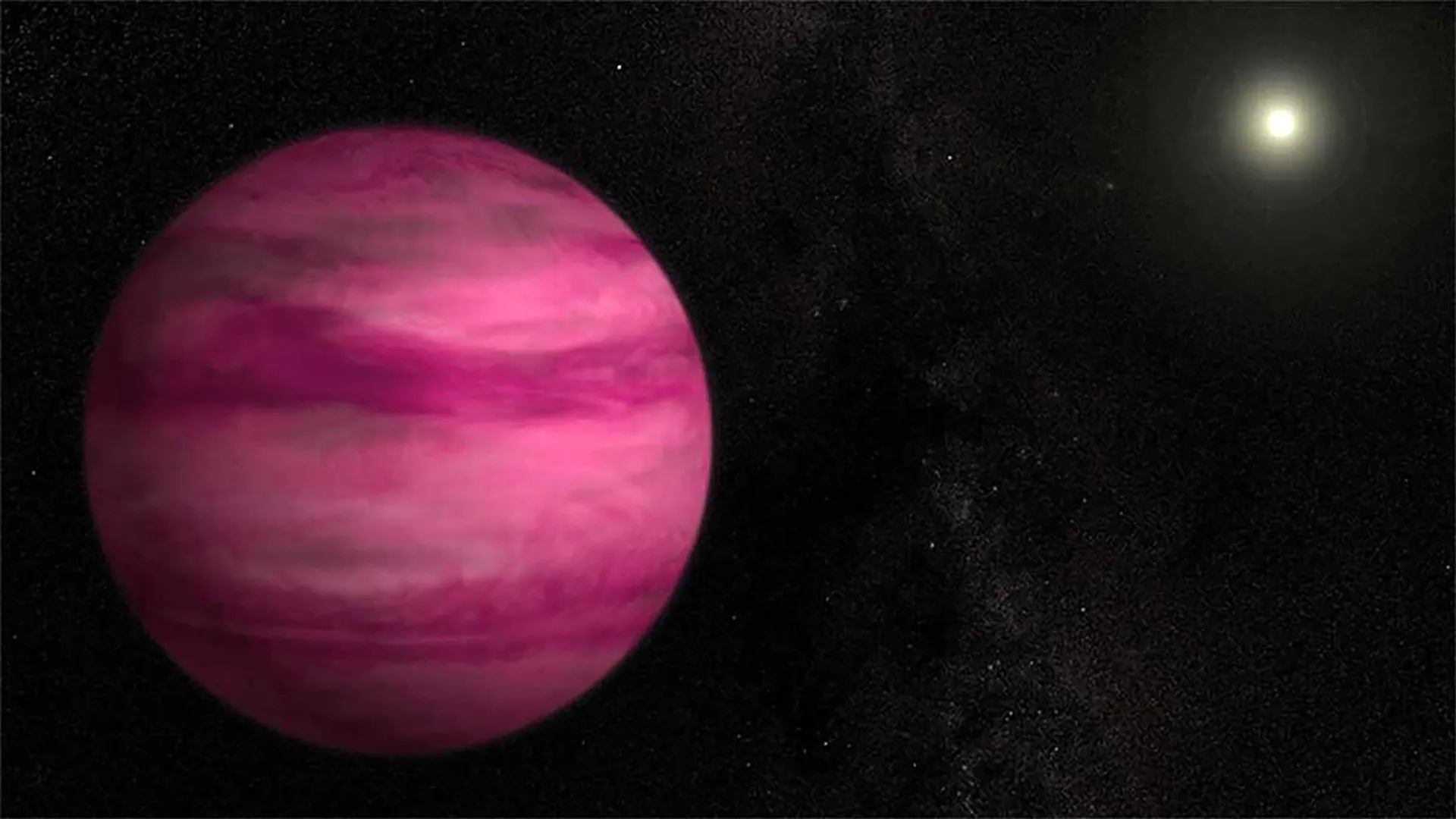
After a decade hidden in its star's glare, the giant world GJ 504 b gave up its secrets to Webb in just two hours — revealing water, methane, ammonia and, for the first time, clouds made of salt.
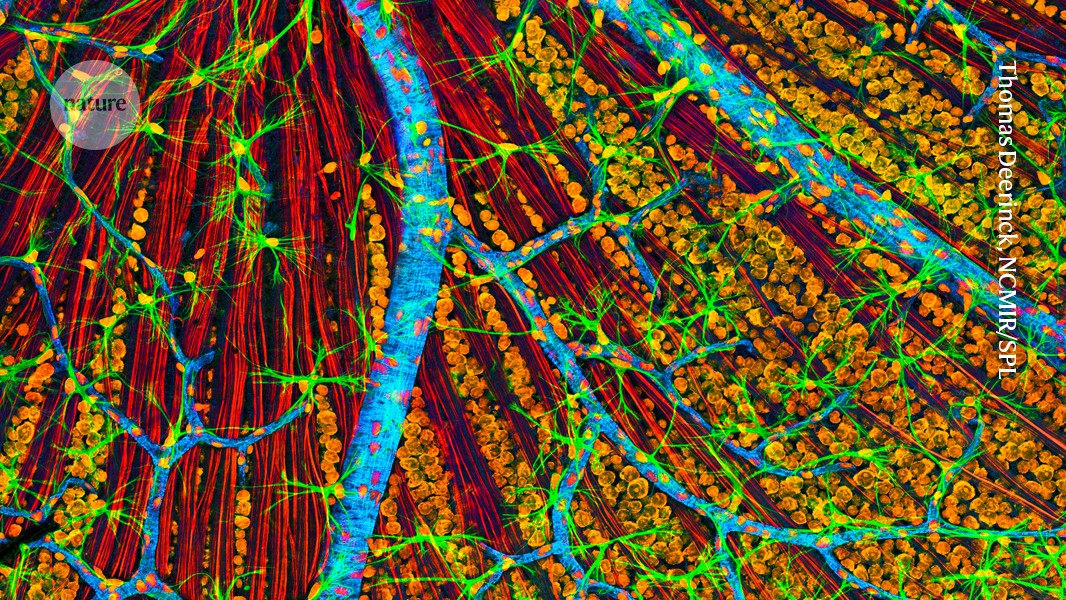
Life Biosciences began the first human trial of partial epigenetic reprogramming — a gene therapy built on David Sinclair's research that aims to make aging eye cells young again.

Transfer learning slashes the cost of cosmological simulations, yet a Princeton team warns the same shortcut can trick AI into missing real discoveries.
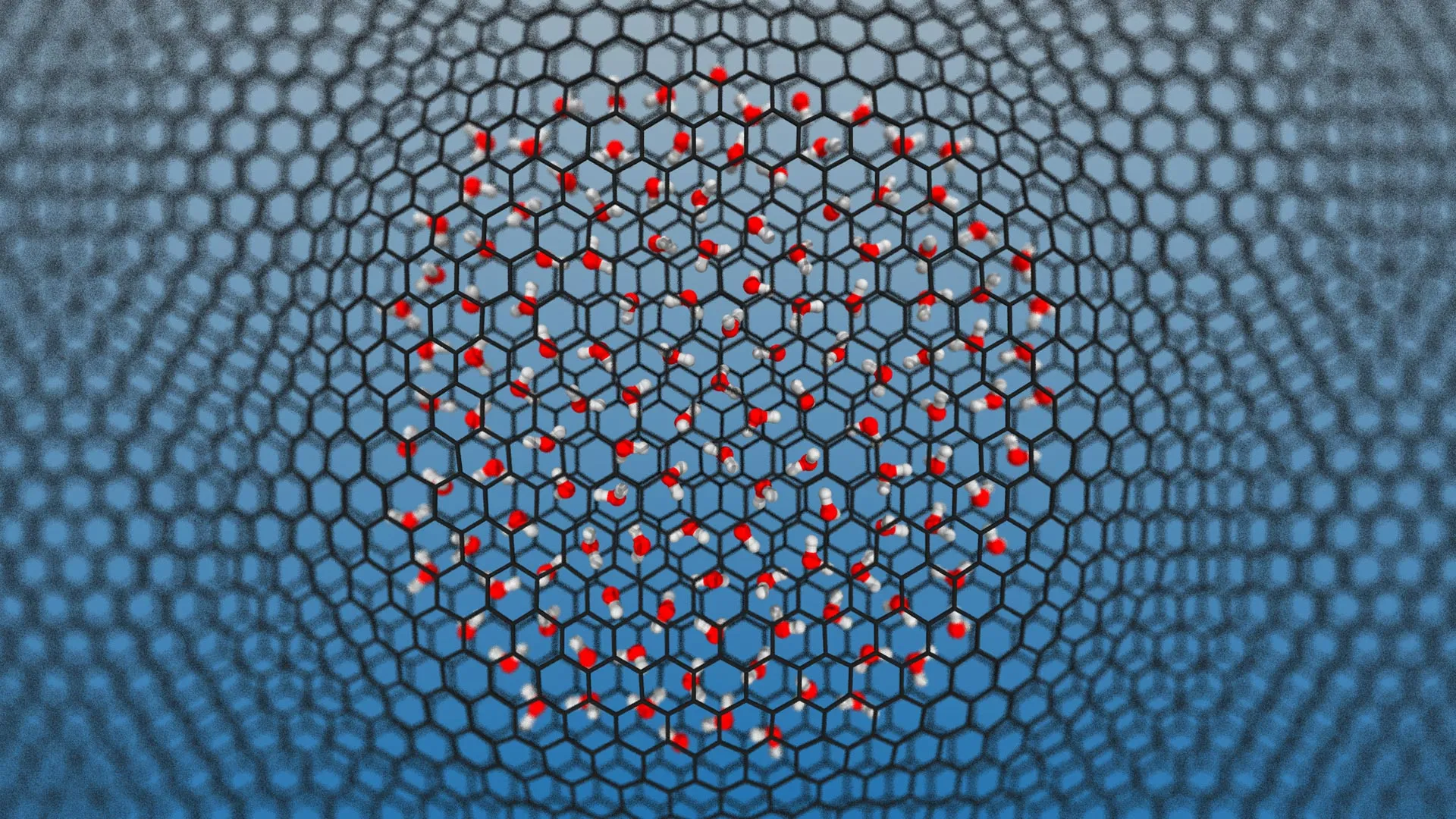
Cambridge-led researchers find that confined water isn't inherently more reactive — crushing internal pressure and the chemistry of the surrounding surface explain the long-mysterious effect.
McGill physicists forced electrons through an atom-thin crystal near absolute zero and got precise bursts of quantum 'sound' — in a regime existing theory says should stay silent.
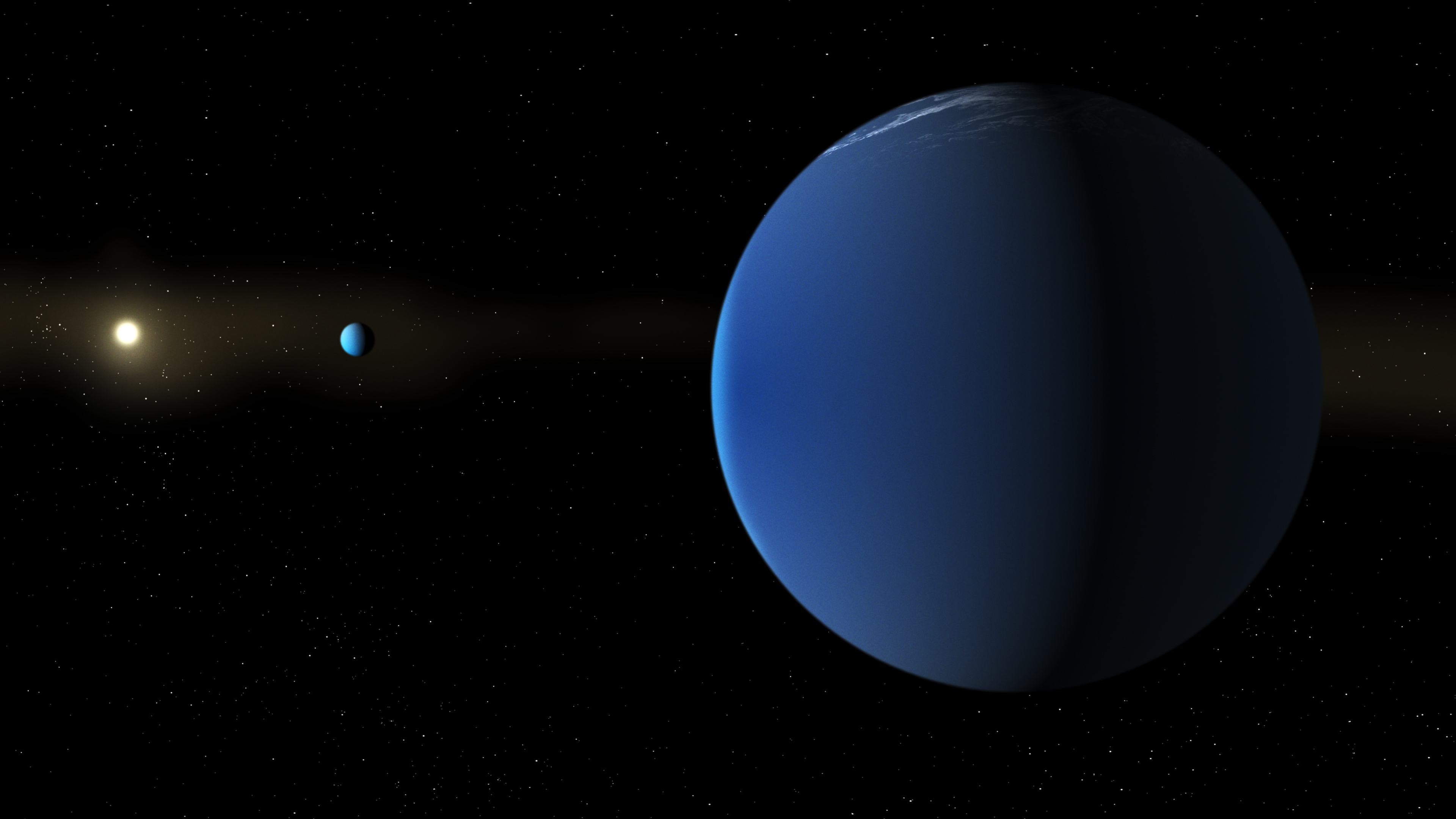
The rare 'super-puff' worlds TOI-791 b and c are roughly Jupiter's size but a tiny fraction of its mass, ranking among the lowest-density planets ever detected.
University of Pittsburgh researchers identified a long-hidden genetic partner, TPP1, that teams up with a known mutation to give the deadly skin cancer its runaway lifespan.
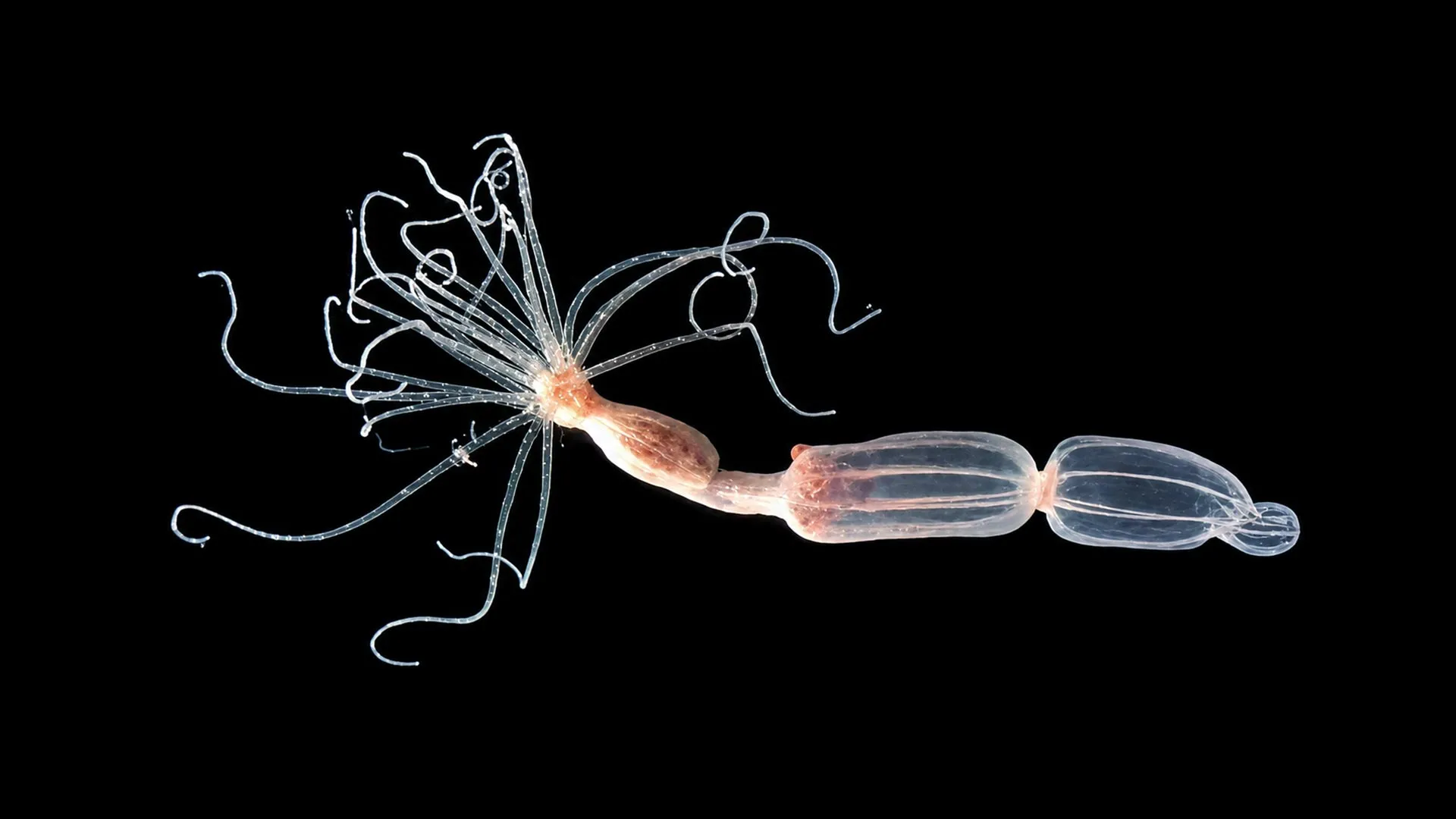
Researchers found the anemone uses a protein that suppresses — rather than switches on — its immune response, yet still defeats viruses, upending assumptions about how immunity evolved.
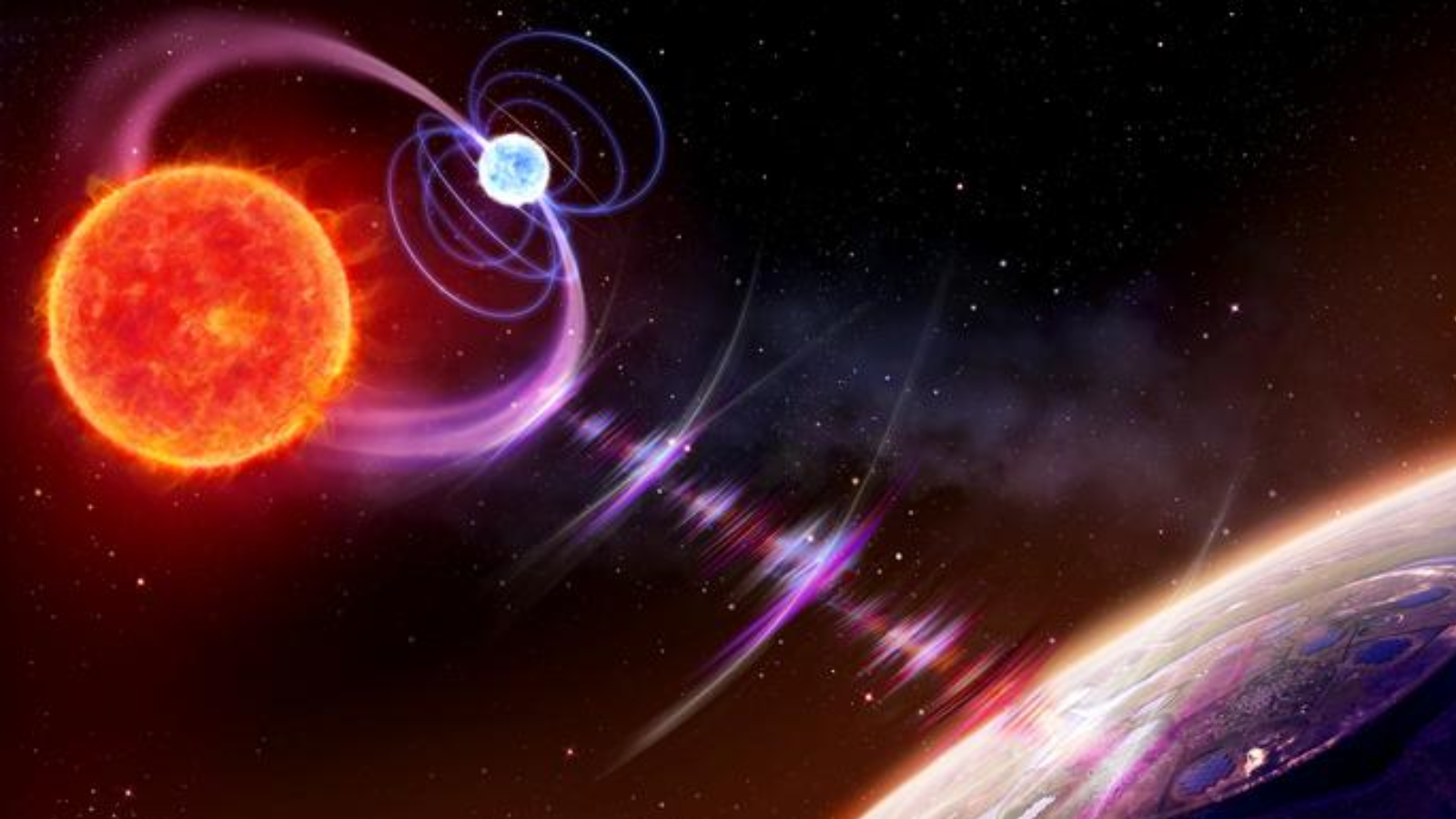
A strange radio pulse arriving every two hours has been traced to a white dwarf and a red dwarf locked in a tight orbit, their colliding magnetic fields firing the beat across space.
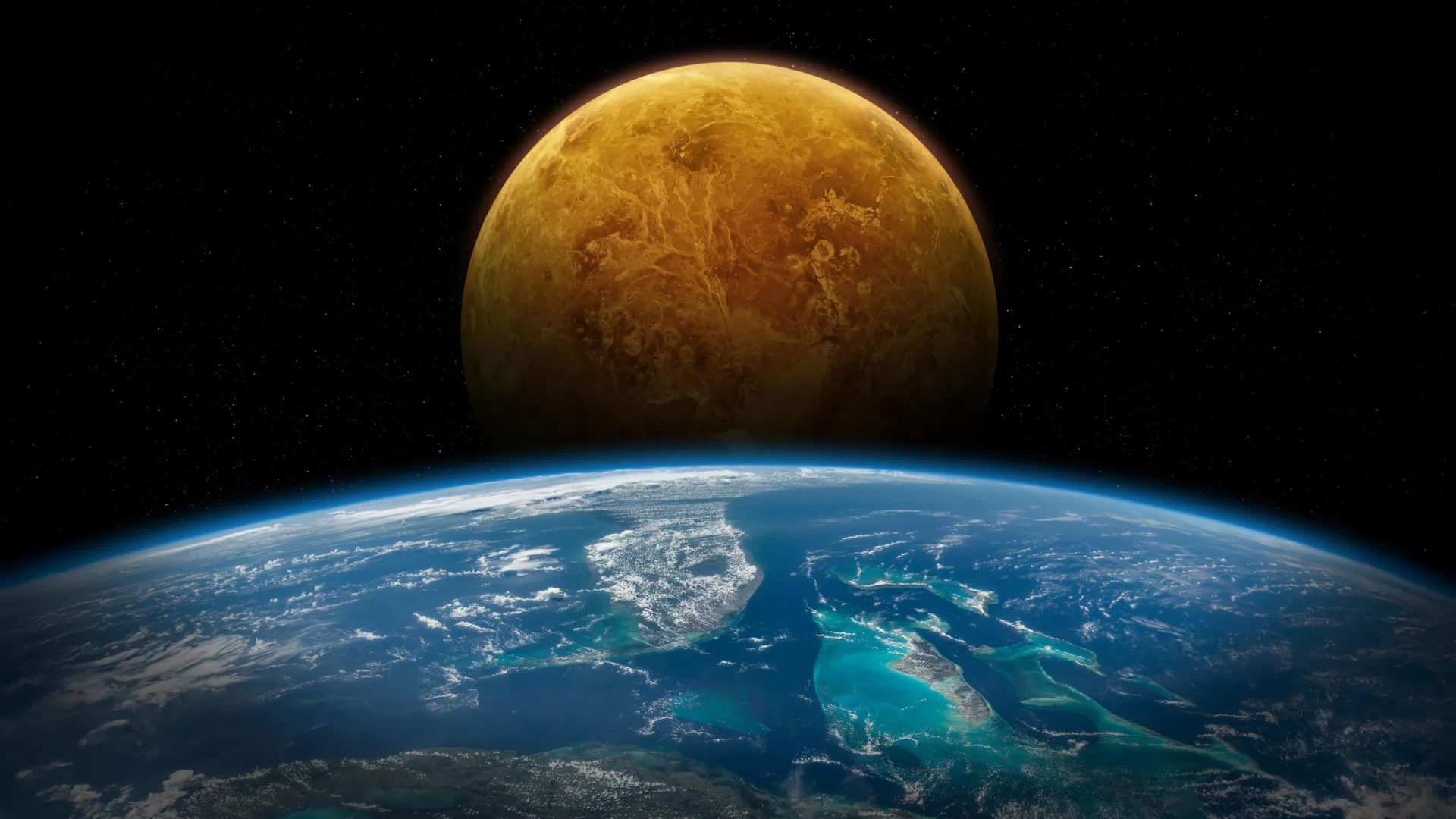
A new modeling study finds that asteroid impacts could blast Earth microbes into space, potentially delivering about 100 viable cells a year — up to 20 billion over a billion years — into the Venusian atmosphere.
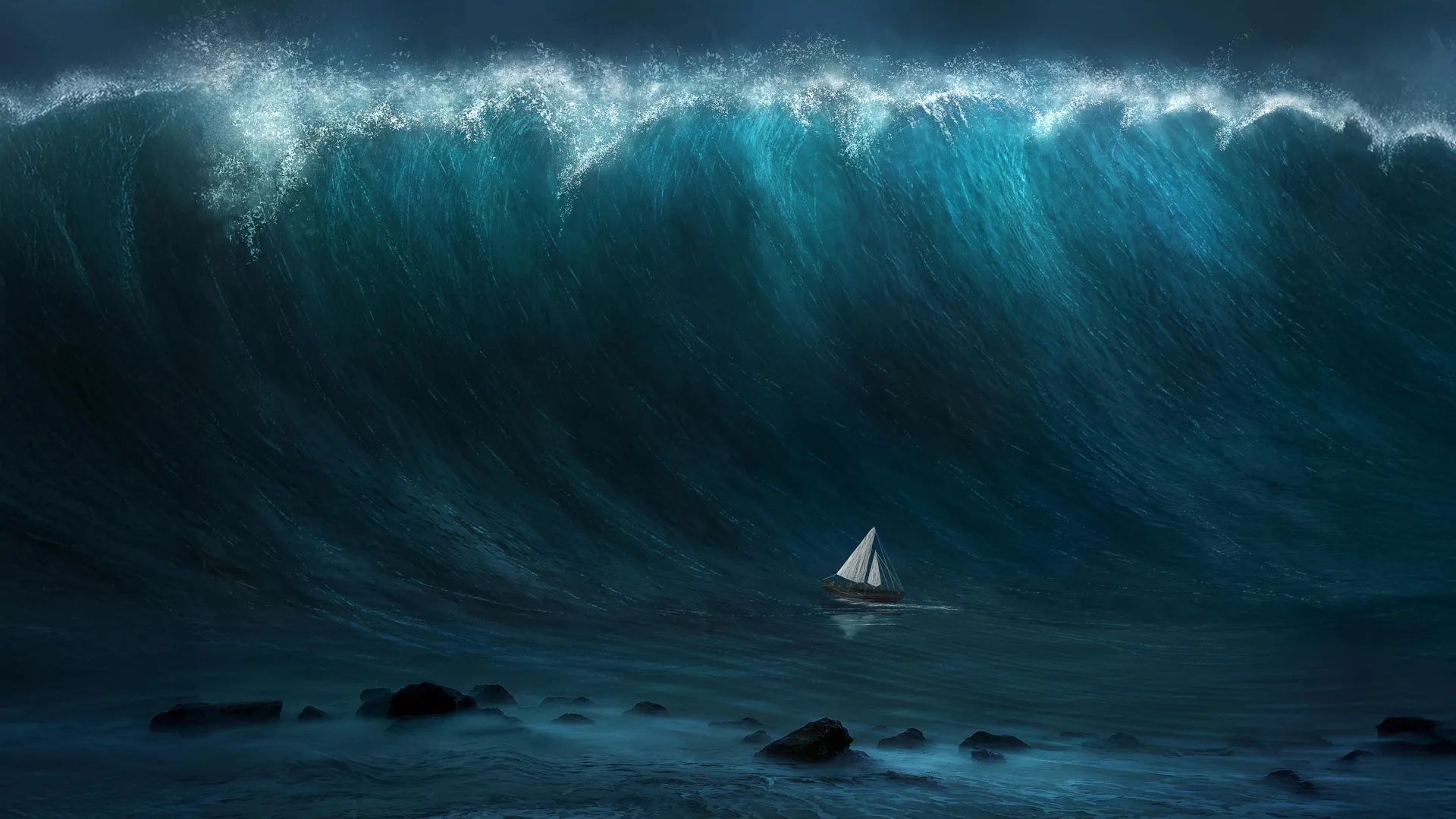
The U.S.-French SWOT satellite mapped the Pacific tsunami unleashed by a magnitude 8.8 Kamchatka earthquake, revealing waves far more scattered and complex than the textbook picture of a single, stable surge.
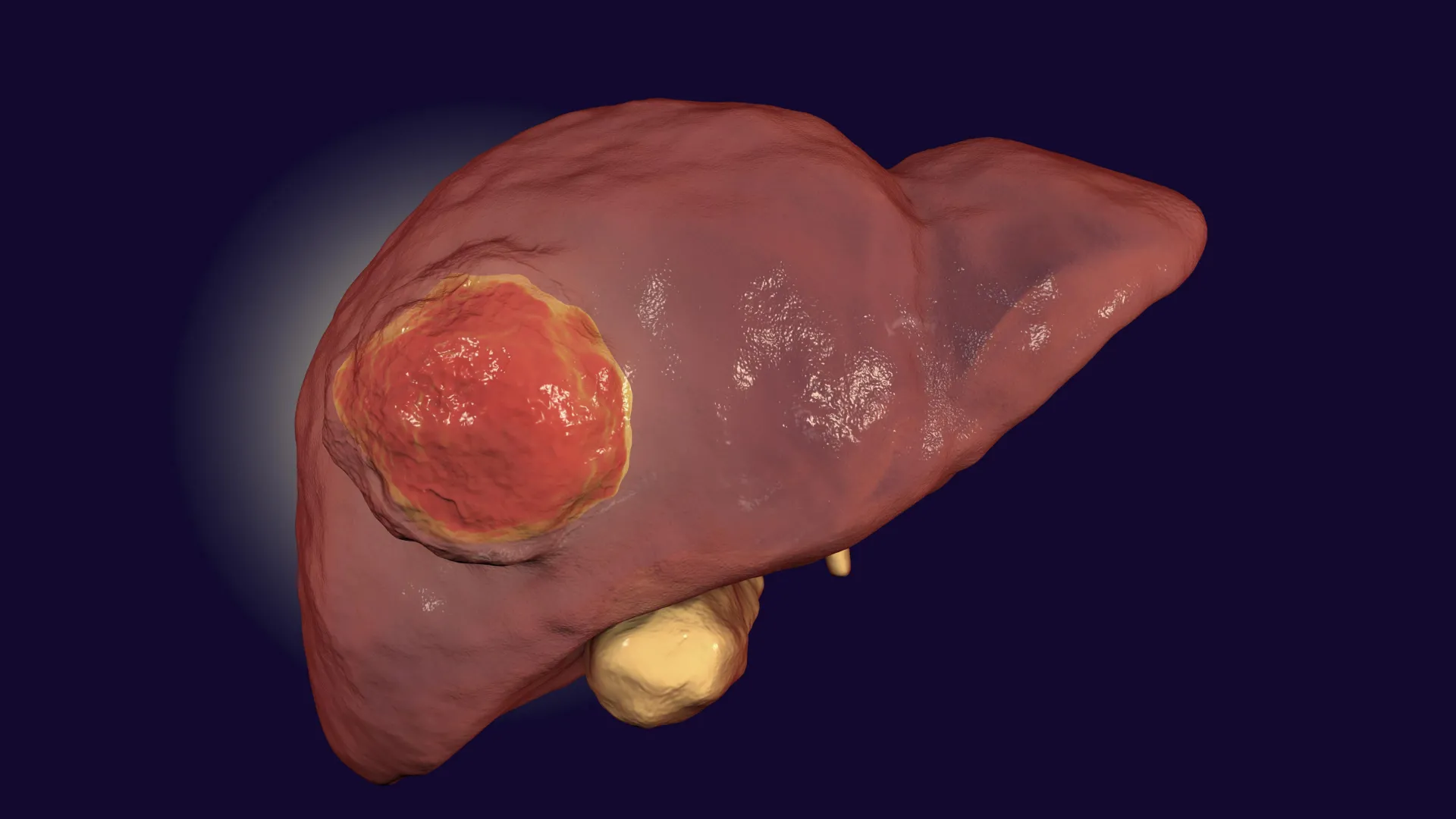
University of Washington scientists found that fibrolamellar carcinoma hides from immunotherapy by sequestering T cells in fibrous tissue — and that the FDA-approved drug AMD3100 lets them back in to kill the tumor.
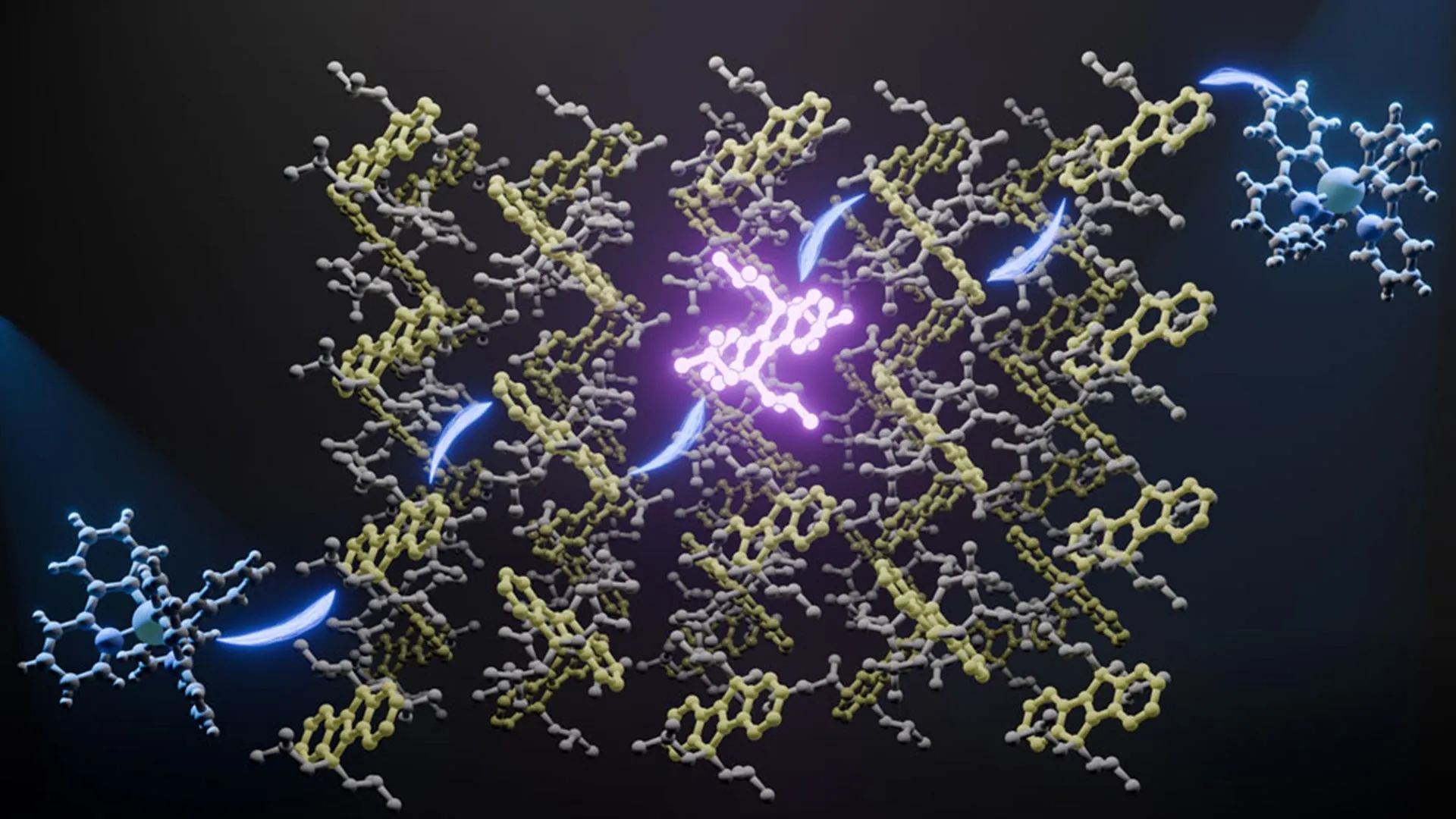
After a 14-year effort, chemists in Japan built a stable solid that upconverts visible light into UV, opening the door to sunlight-powered air purification, 3D printing and photocatalysis.
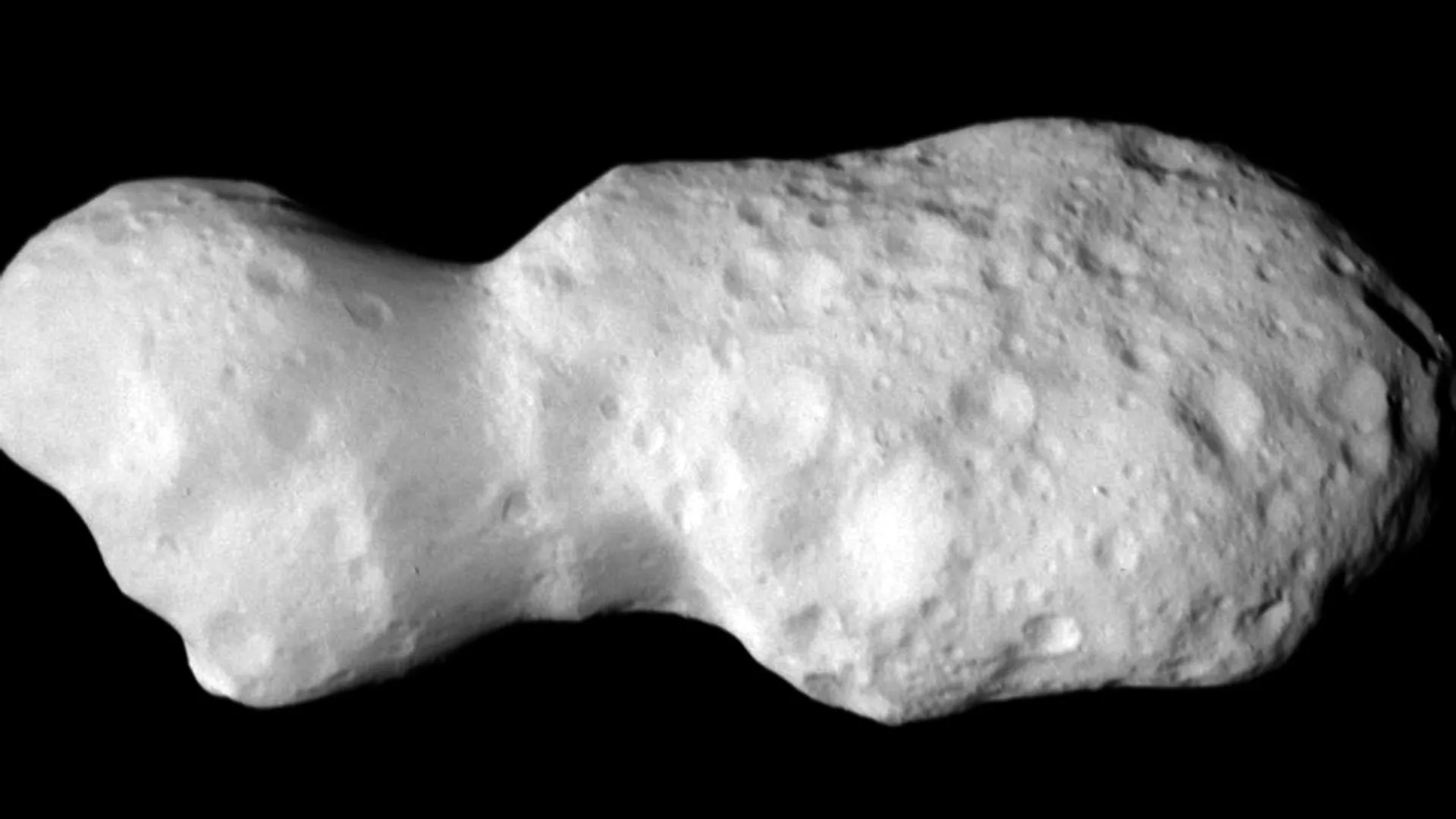
Close-up data from the Donaldjohanson flyby reveal a 155-million-year-old relic that tumbles like a spinning top and bears chemical traces of water.