One Star of a Twin Pair Ate More Than 11 Earths' Worth of Rock. Beryllium Gave It Away
Twin stars form from the same cloud and should match chemically. HD 129171 does not — and the element that proves it is one stars cannot make themselves.
Section
Science news: space, biology, climate, medicine and the research changing how we live.

Twin stars form from the same cloud and should match chemically. HD 129171 does not — and the element that proves it is one stars cannot make themselves.

A 1.4-mile core through the roots of an ancient mountain range holds a chemical logbook of life switching on and off underground.

Jan Mayen has been seismically active for as long as anyone has watched it. Forty years of satellite images show nothing like the debris field the March 2025 quake produced.

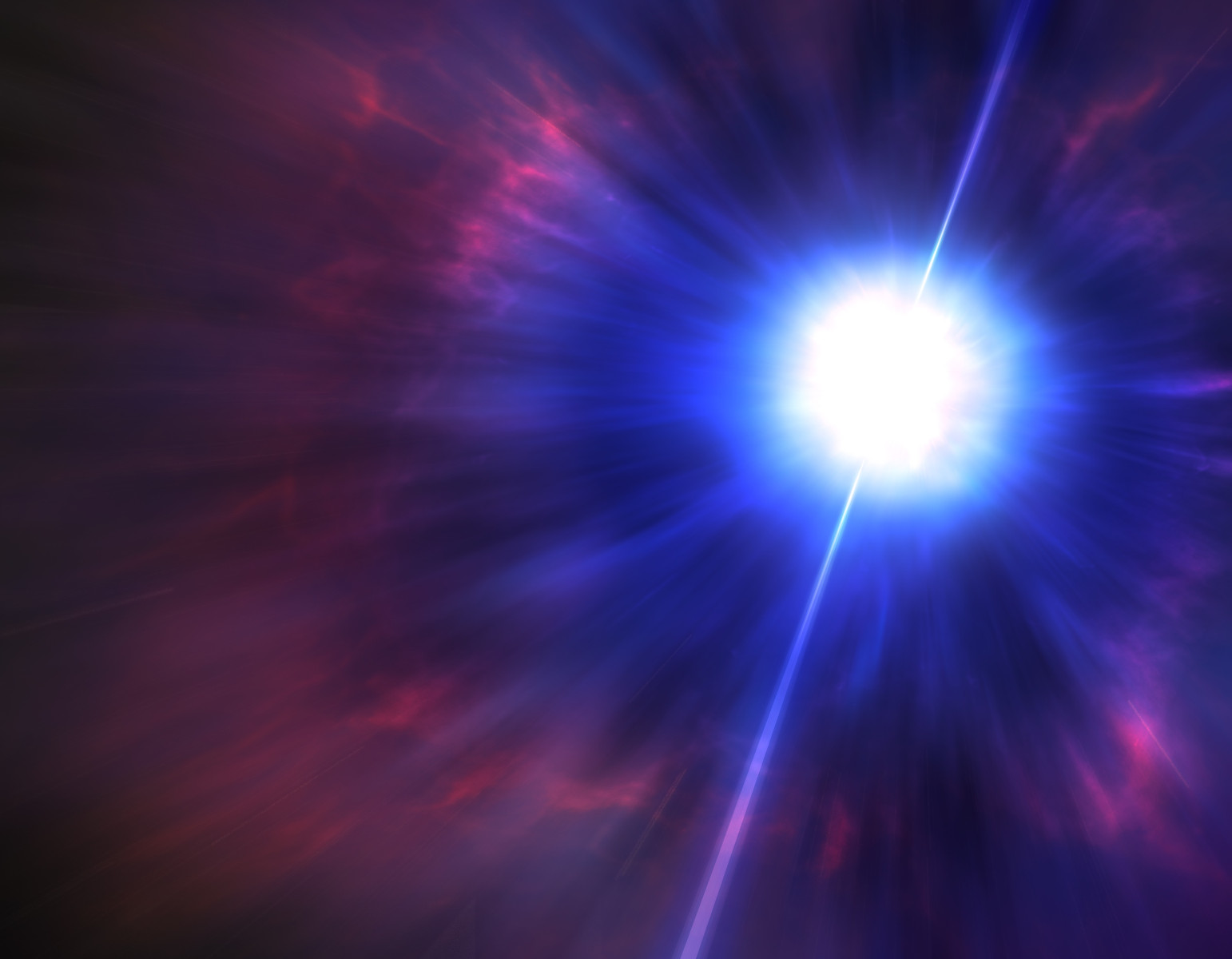
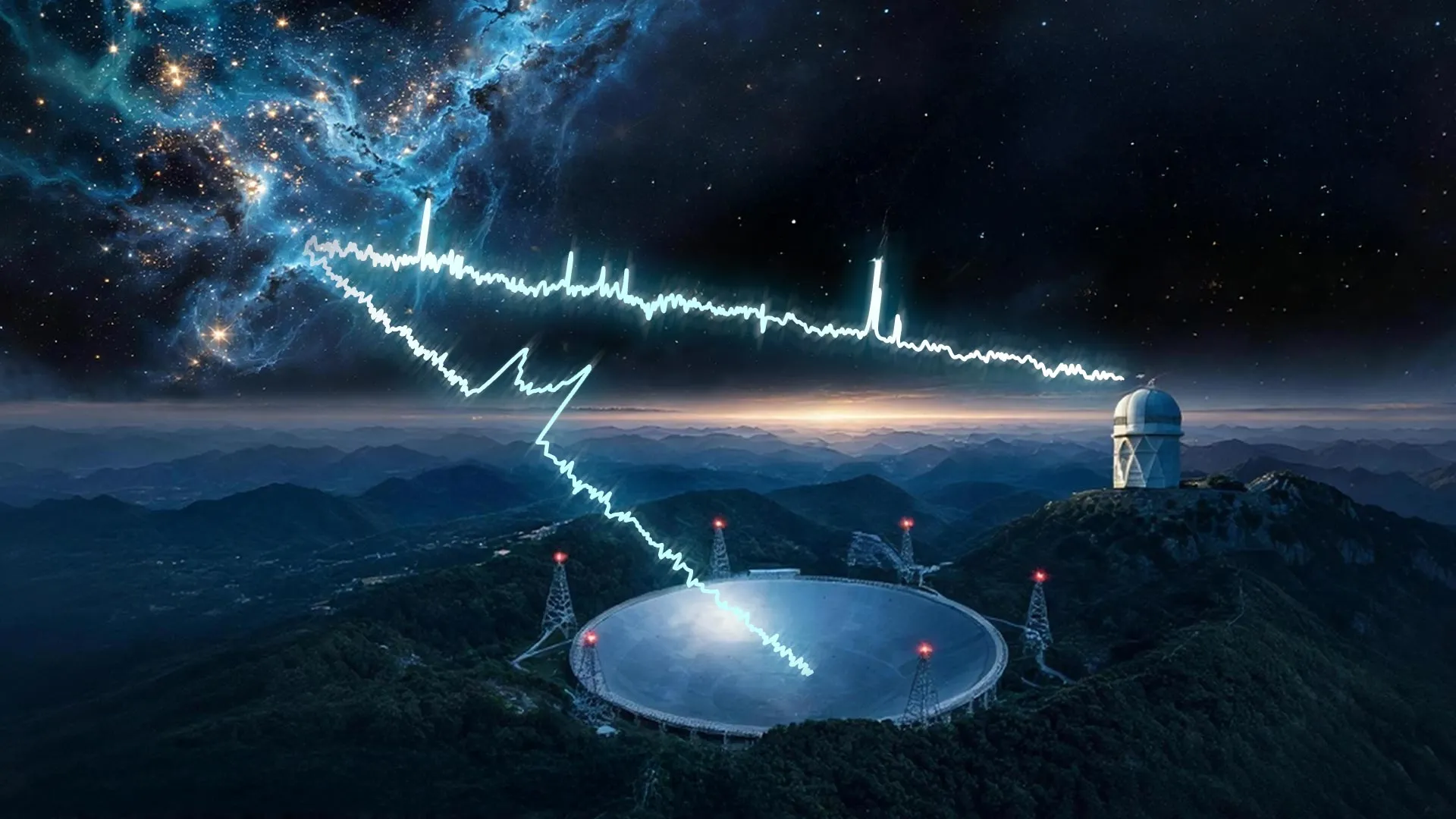
PSR J1227-4853 spins 592 times a second. Indian astronomers found 235 giant pulses in 174 hours of observation, some 10,000 times brighter than the star's ordinary signal.

The DESI Legacy Imaging Surveys released their 11th data set on Monday, covering roughly three-quarters of the sky. More than 160 scientists and four telescopes built it, and anyone can open it in a browser.

DR20 includes half a million black hole spectra, 1.5 million Milky Way stars and the survey's first optical spectroscopy from the Southern Hemisphere — all of it free to anyone who wants it.

Southwest Research Institute modeling that accounts for how strong the colliding rock actually was found the Moon can form intact almost immediately — if Earth and Theia were cold enough.

A new tidal model run out over 4.5 billion years finds the missing Venusian moon needs no catastrophe to explain. The planet killed it, in as little as 30 million years.

Isar Aerospace's 28-meter Spectrum rocket lifted off from Andoya, Norway shortly after 8 p.m. GMT Sunday. The company says it is the first privately developed rocket to reach orbit from continental Europe.

Jose Maria Moreno Madrid found De Tellescopiis Stellarum, written by the Spanish Dominican friar Ignacio Munoz. If the attribution holds, Galileo was building four-lens designs at least 13 years before the earliest known example.

The European and Japanese probes separated from their transfer module on Saturday, with no help possible from Earth. ESA calls the arrival sequence the most operationally difficult ever attempted at a planet.

Working from OSIRIS-REx samples, researchers measured the asteroid's surface strength at under one pascal and built a framework linking that strength to the size and shape of individual grains.

AF3-ReD adds a repulsive term between successive AlphaFold3 predictions so the model cannot keep returning the same structure. On ATP synthase's F1-beta subunit it recovered the open state, the closed state, and the intermediates between them.
A $30 million rescue spacecraft went into an uncontrollable spin weeks after launch and never recovered its pointing. After 22 years of catching gamma-ray bursts, Swift is falling about five miles a month.

UC Riverside geophysicists say ground-deformation data can map the patches where strain piles up before a great earthquake. The method says where, not when.

UC San Diego used cryo-electron microscopy to watch E. coli RNA polymerase transcribe hachimoji DNA, treating the four synthetic letters the same way it treats the natural ones.

Manganese piles up in a galaxy over time, so the amount of it says how old the place is. The hard part was knowing what its light should look like.

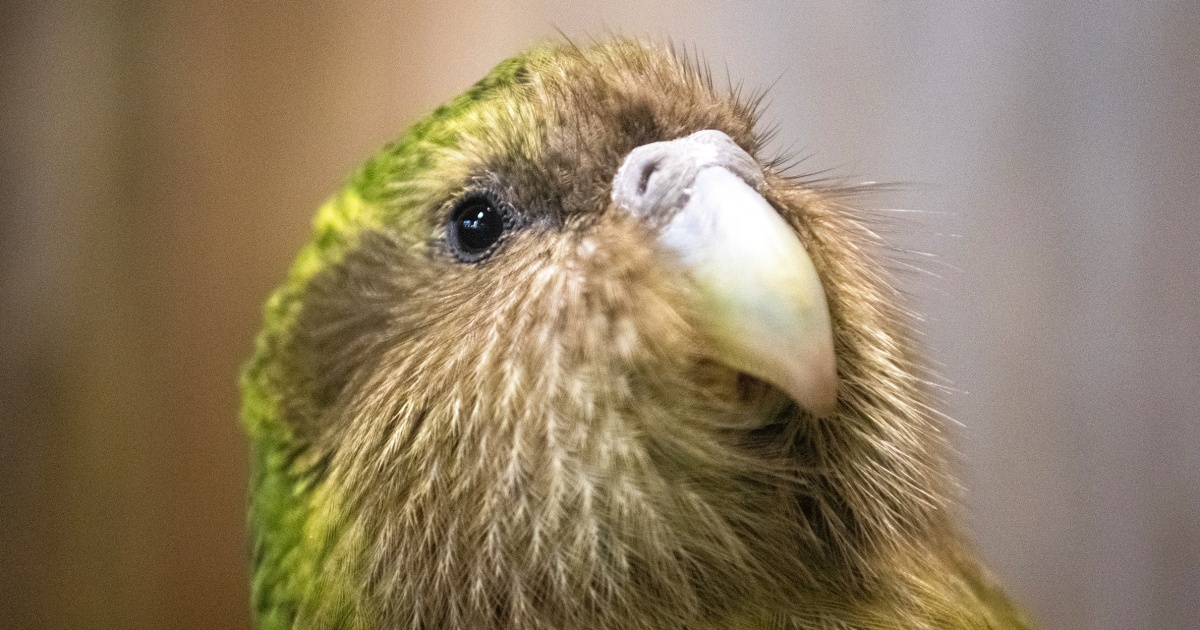
Ninety chicks survived to independence this season, matching what the recovery programme managed in its first 16 years combined. The total now stands at 325 birds.
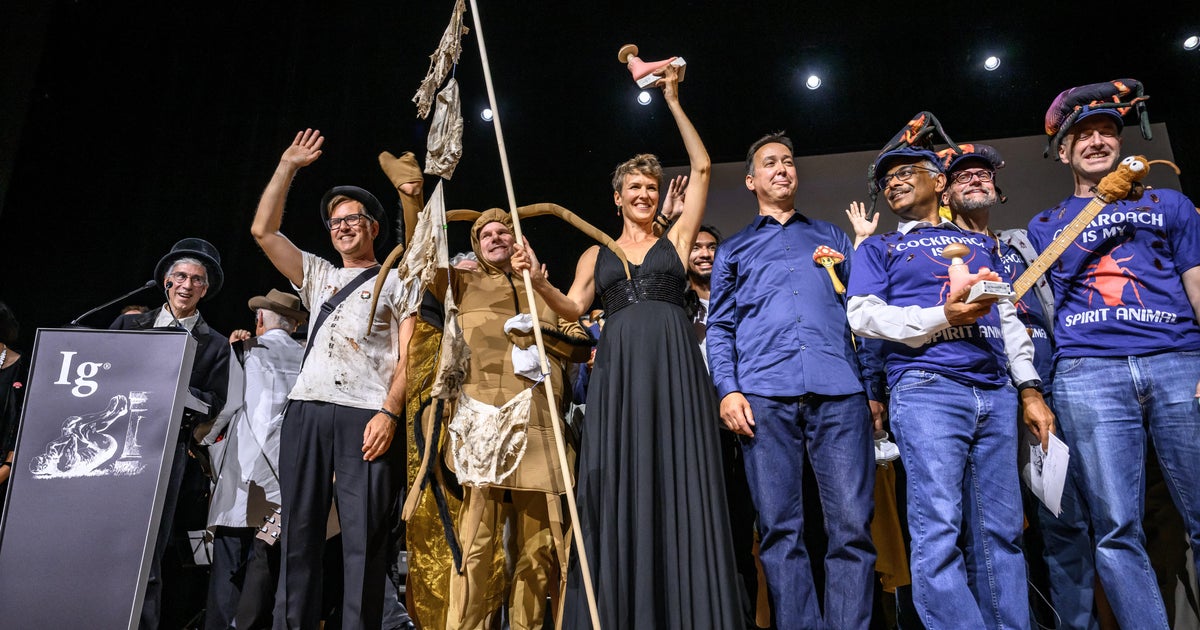
The ceremony moved to Zurich on Wednesday, and the organizer said plainly why: it had become unsafe for some of the winners to travel to the United States. Honors went to the evolution of kissing and to a thousand pairs of buried underwear.

A University of Iowa team modeled how fast the insects can recolonize replanted forest and found it would take centuries. A test release of 20,000 cicadas was eaten within a week.

Cleveland Clinic's first-in-human trial of the CRISPR therapy CTX310 dosed 15 patients and followed them for a year. The team reported no serious side effects tied to the treatment.

Ancient genomes from Miracinonyx trumani make it a sister species to the puma, extend its known range 20 degrees farther north, and show broken circadian genes.

Lab experiments at up to 2,170C show carbon behaves backwards on Mercury: it stays out of the core and rises to the surface. That also rewrites what the core is made of.

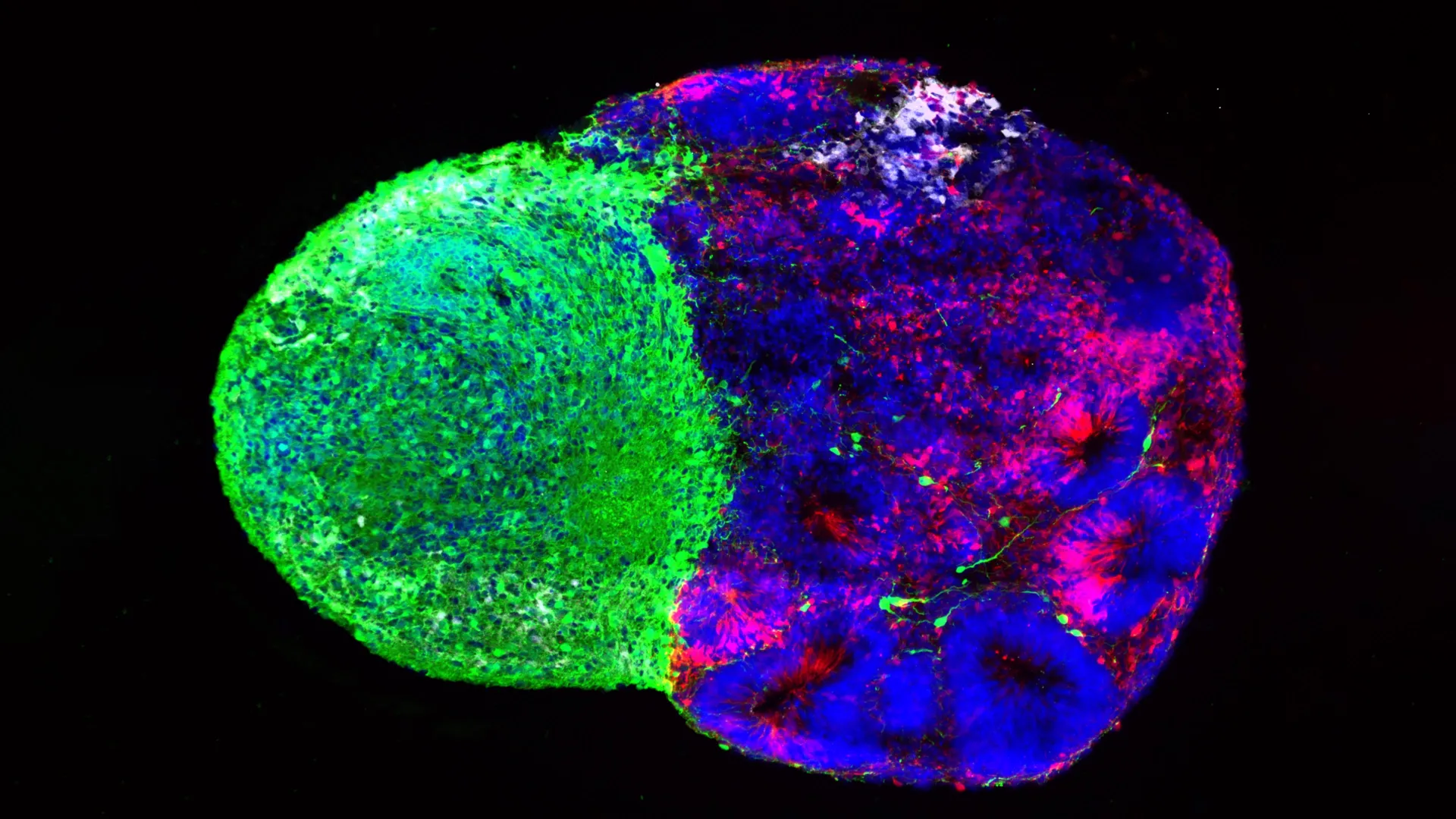
Two studies find that radial glia — the cells that construct most of the human cortex — take their instructions from how they burn sugar and from thalamic fibers physically touching them.

The ice island calved off Petermann Glacier on August 4, the largest Arctic calving since 2020. Landsat 9 caught it colliding with Joe Island on consecutive days and coming out intact.

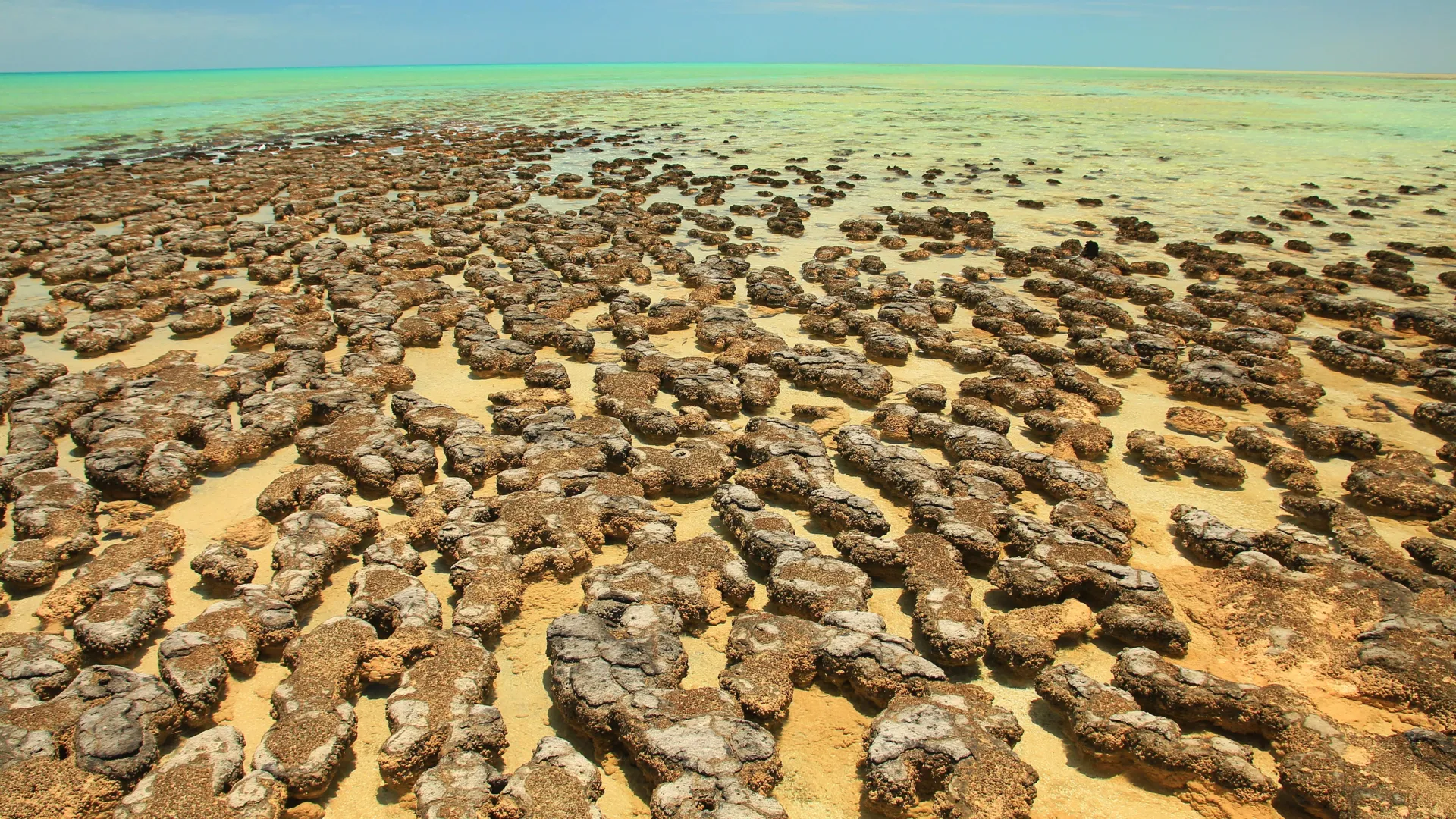
A team led by UNSW Sydney pulled a new Asgard archaeon out of Shark Bay stromatolites and imaged it physically joined to a bacterial partner, trading vitamins and hydrogen.

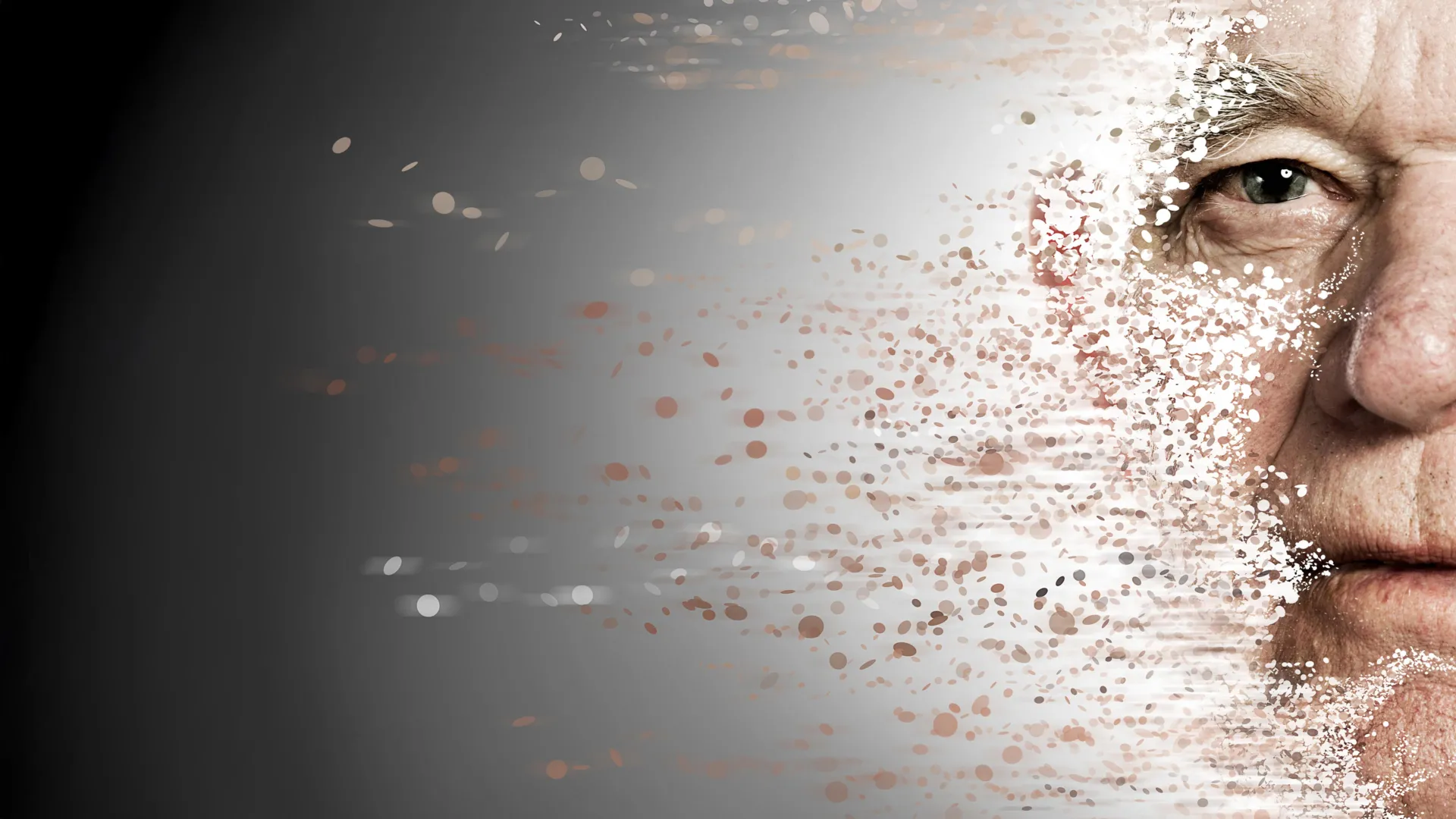
Blocking EP2 on tissue-resident macrophages kept old mice lean, strong and able to run a maze. A drug version worked on animals already 22 months old.

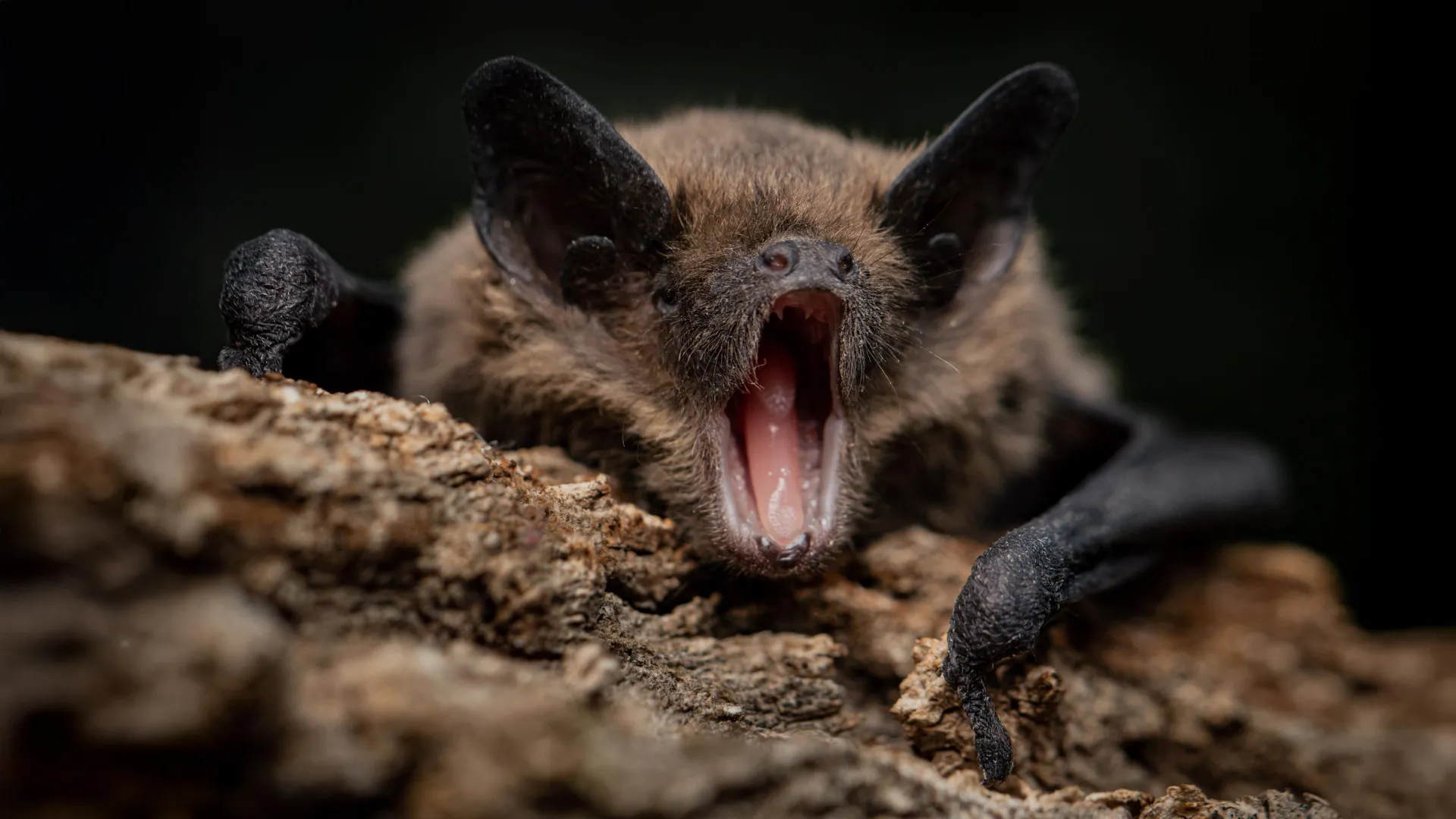
Tulane researchers found that vesper bats have two separate sets of immunoglobulin heavy-chain genes, an arrangement never before documented in a mammal. It may be part of why bats host viruses that would kill us without getting sick themselves.
Star formation is running at less than half the rate it did 4.5 billion years ago. A survey of 2.5 million galaxies says the raw gas supply has barely dropped, which breaks the standard explanation.

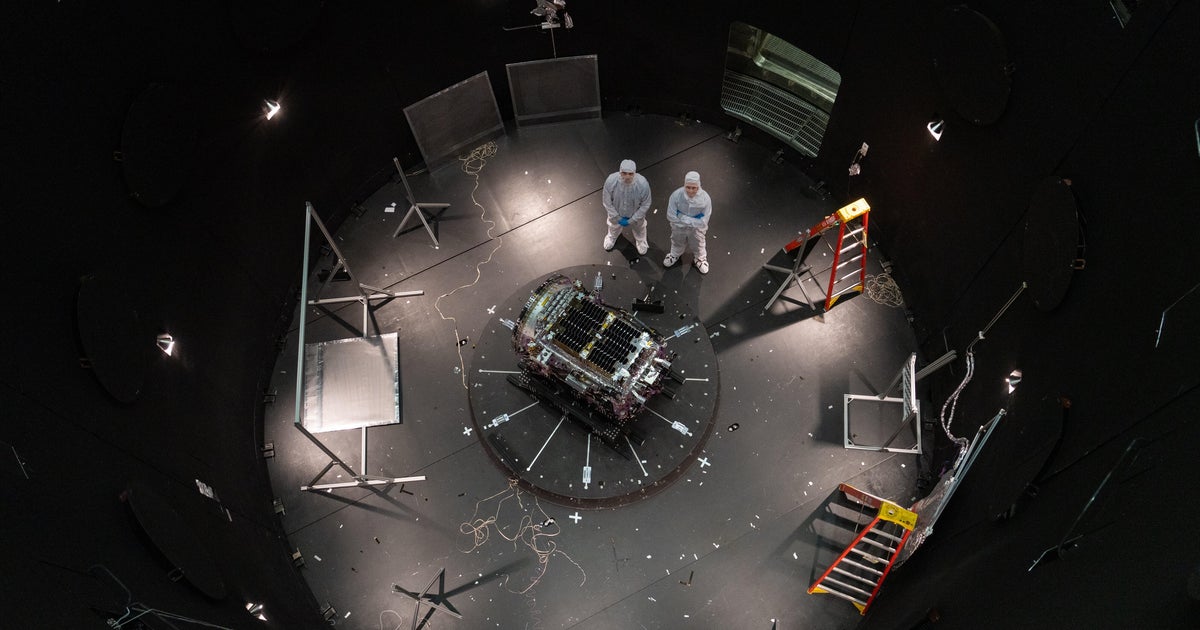
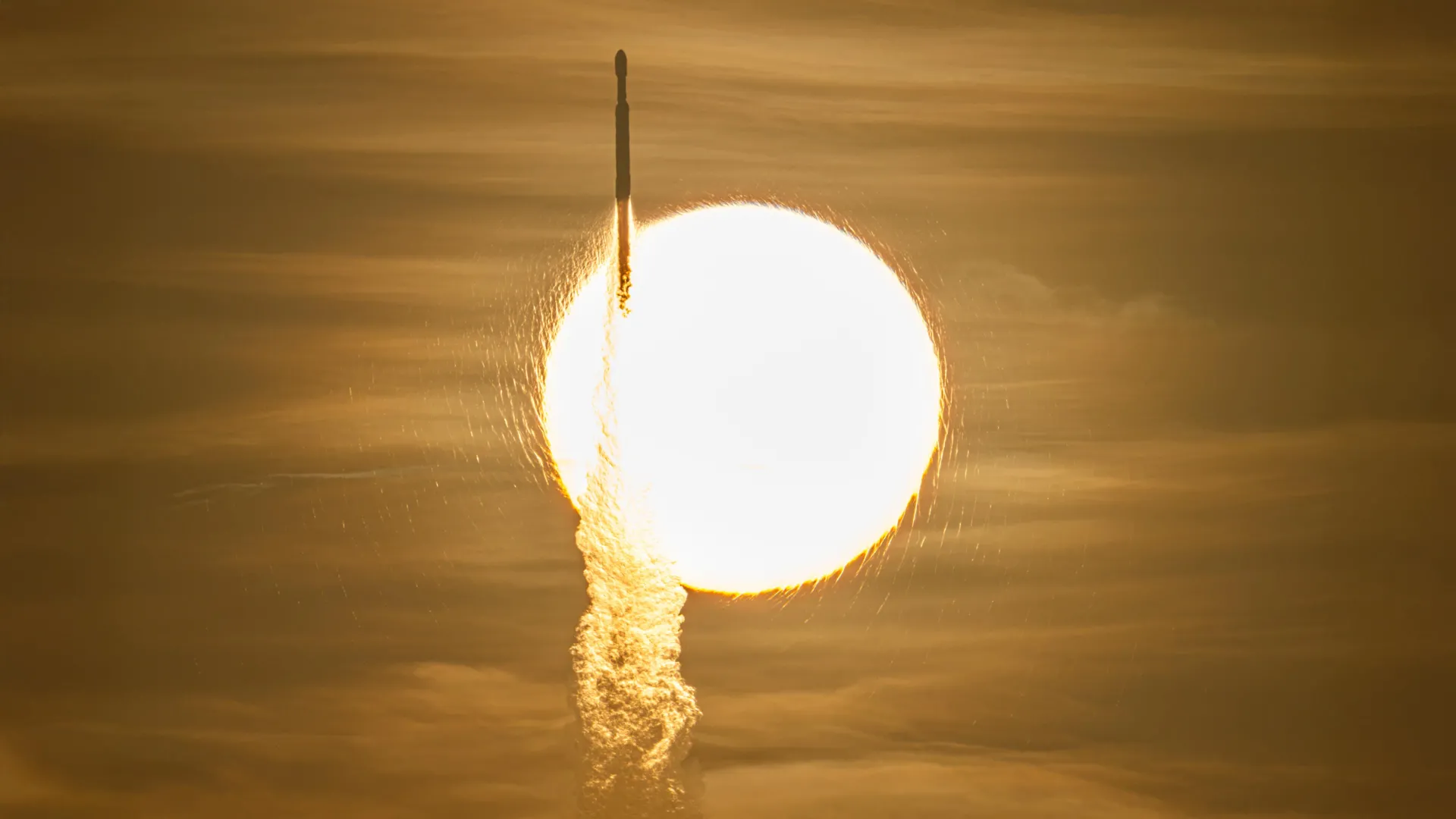
The Nancy Grace Roman Space Telescope lifted off on a Falcon Heavy at 7:26 a.m. on August 30. Its 300-megapixel infrared camera surveys the sky about 1,000 times faster than Hubble.