NASA Gave Up on Saving Swift. The Telescope Will Burn Up Over the Next Few Months
A $30 million rescue spacecraft went into an uncontrollable spin weeks after launch and never recovered its pointing. After 22 years of catching gamma-ray bursts, Swift is falling about five miles a month.
The attempt to save NASA's sinking Swift Observatory was called off on Wednesday, which means the telescope will come down through the atmosphere and burn later this year after more than two decades of watching the most violent events in the universe.
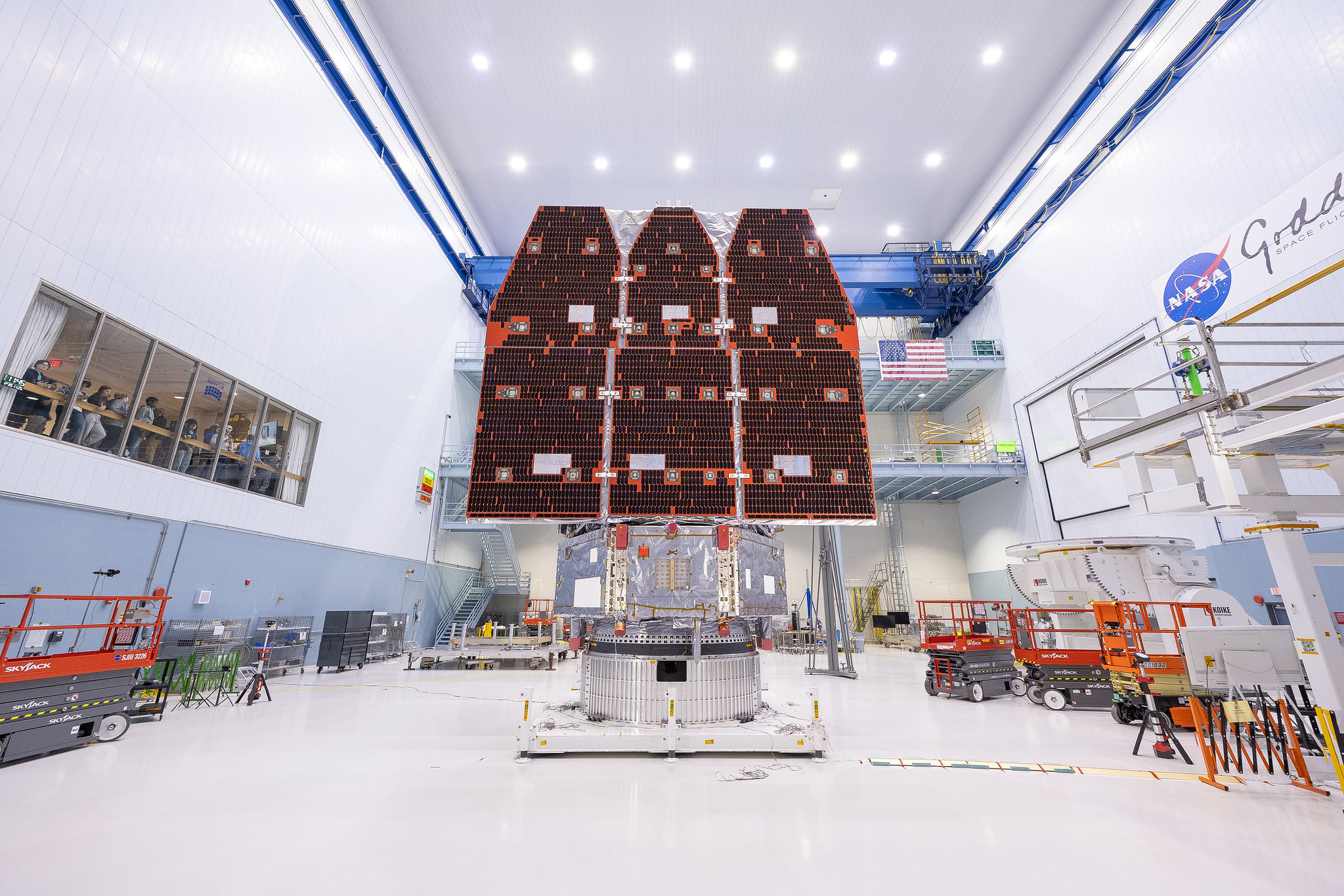
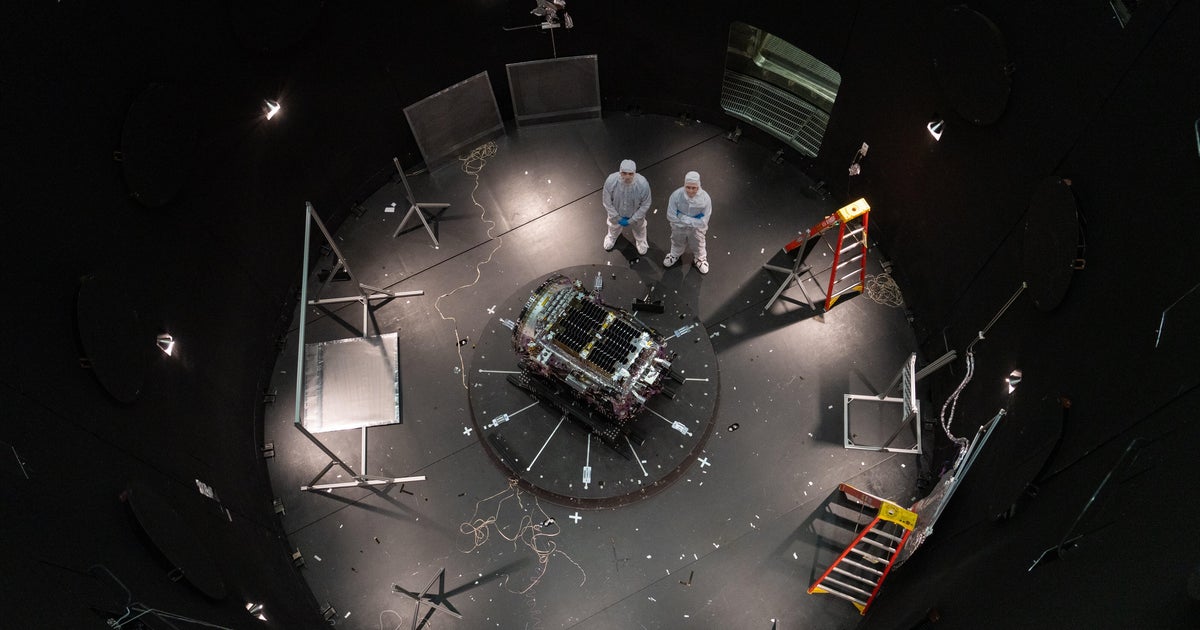
NASA and Katalyst Space Technologies announced the decision a little over a month after the startup's Link spacecraft launched to go get the telescope. Link will not try to capture Swift and raise its orbit, Katalyst said, because the spacecraft cannot be controlled well enough to attempt it. Link went into an uncontrollable spin a few weeks after lifting off in early July. Flight controllers eventually slowed the tumble, but problems with pointing and positioning never went away.
NASA had paid Katalyst $30 million for the rescue, an unusually fast-turnaround contract for a mission of this kind. "This is not the outcome we were working toward, but it does not change why this mission was worth attempting," NASA Administrator Jared Isaacman said in a statement. Katalyst chief executive Ghonhee Lee, whose team put the mission together in under a year, said the company had taken on "this high-risk, high-reward challenge and are proud of the milestones we reached along the way. We have already learned a tremendous amount." Link will keep flying near Swift to demonstrate techniques for future servicing attempts.
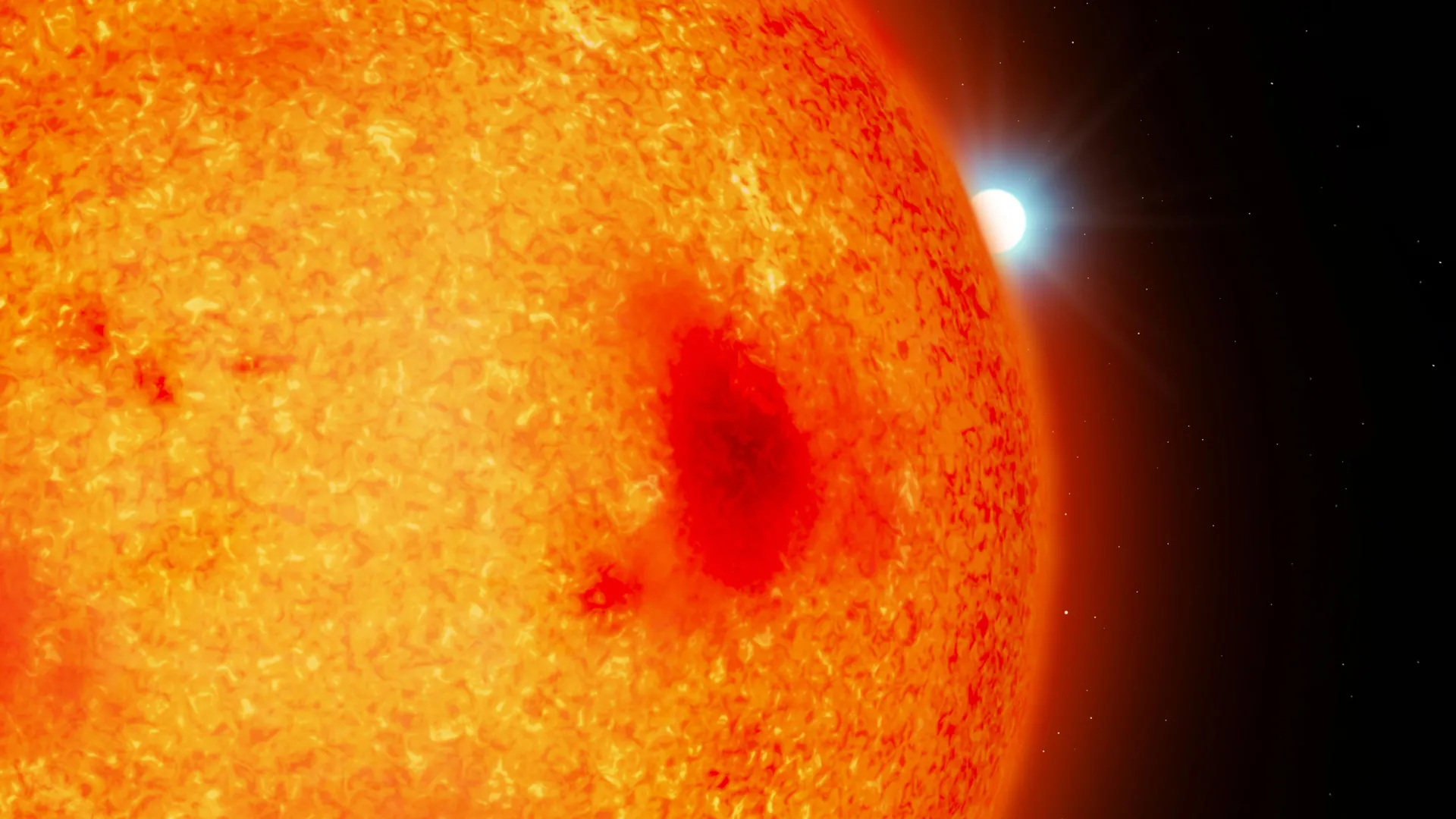
Swift launched in 2004 on what was supposed to be a two-year mission and has been slowly sinking ever since, dragged down by the wisps of atmosphere that reach into low Earth orbit. It carries no thrusters to fight back. Solar storms make it worse: when the sun flares, the upper atmosphere heats and swells, drag increases, and the spacecraft drops faster. That is exactly what has happened during the current period of intense solar activity, which pulled Swift down faster than anyone had planned for. Its science instruments were switched off earlier this year to reduce drag and slow the descent. As of last week it was orbiting about 216 miles up, falling roughly five miles a month, and NASA expects it to reach 186 miles in October. The fall accelerates as the air gets thicker.
What is being lost is a specialist. Swift was built to swing around within a minute of detecting a gamma-ray burst and stare at it in X-rays, ultraviolet and visible light while the afterglow is still bright — the only way to pin down where these flashes come from. "A nuclear weapon going off doesn't even compare to the magnitude of energy that comes out of these things and it's literally the biggest explosions in the universe," Shawn Domagal-Goldman, director of NASA's Astrophysics Division, told "CBS Mornings" in June, adding that nothing else in orbit locates them the way Swift does.
The failure has consequences beyond one telescope. The Hubble Space Telescope, 36 years old and also losing altitude to the same swollen atmosphere, was next in line for a boost had the Swift mission gone well. Without intervention, Hubble is expected to reenter sometime in the 2030s. Whether it now has a path to a rescue is an open question, and the answer will depend in part on whether anyone can show that a commercial spacecraft can rendezvous with an aging observatory and hold steady long enough to grab it.