Planck Standard

Section

Science Page 6

Science news: space, biology, climate, medicine and the research changing how we live.

  1. Science

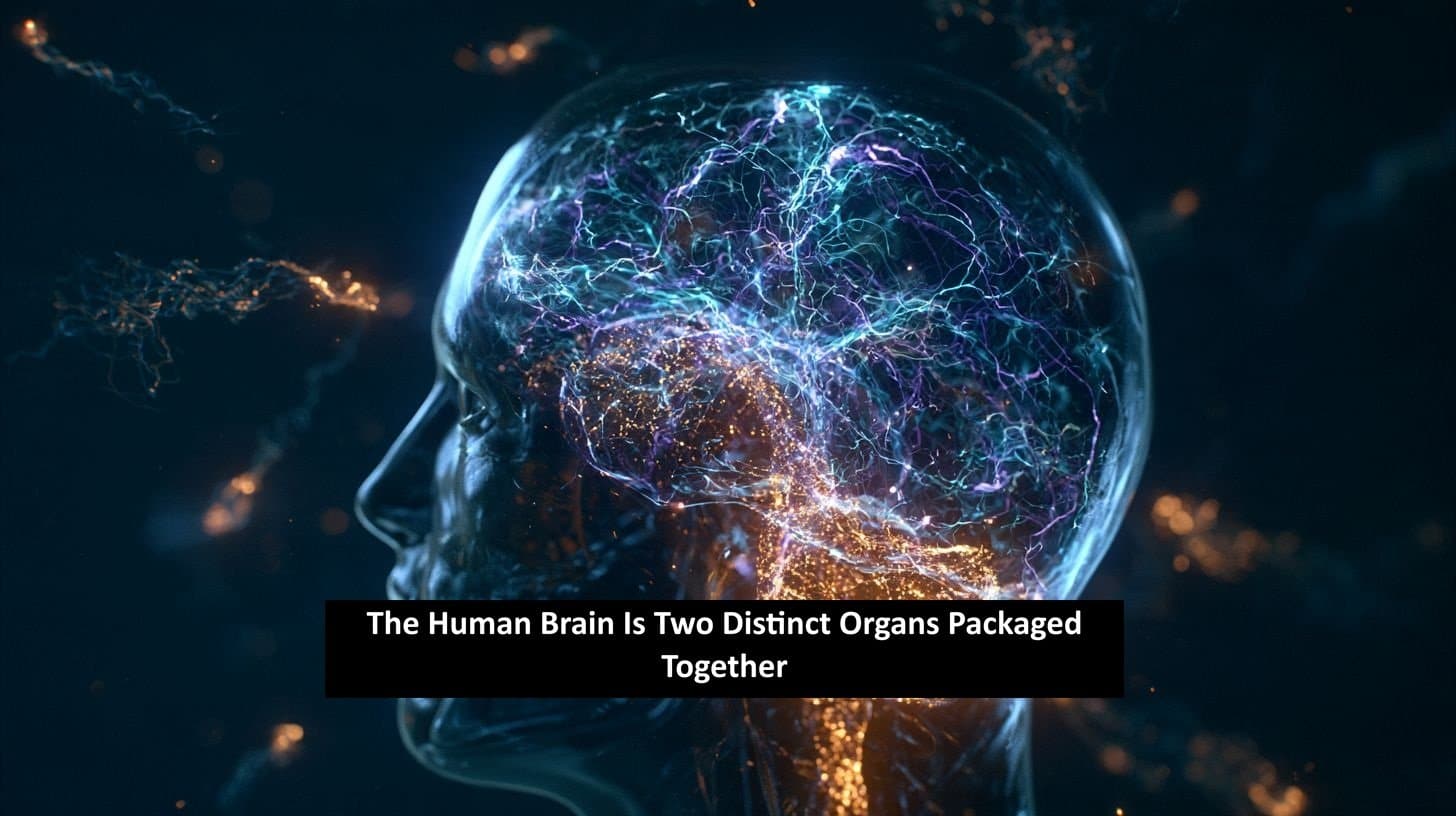
    The Human Brain Is Two Separate Organs, Stanford Researchers Say

    Forebrain and midbrain come from cells expressing Otx2; the hindbrain, which runs breathing and heartbeat, from cells expressing Gbx2. The finding, in Nature Neuroscience, explains why no one could grow human hindbrain neurons in a dish, and now they can, opening a path for ALS and spinal muscular atrophy research.

    3 min read

  2. Science

    A Single Capybara Tooth Turned Up in a 9-Million-Year-Old Marine Bed in Chile's Atacama Desert, the Driest Place on Earth, Alongside Freshwater Fish, Crocodiles and Palm Phytoliths

    The University of Arizona-led team says the world's largest rodent, a wetland animal that lives nowhere in Chile today, must have walked around the top of South America along a coastal corridor rather than over the 18,000-foot Andes, and that the coast was once 'sunny Southern California full of palm trees.'

    4 min read

  3. Science

    The Only Volcano on Earth That Erupts Black Carbonate Lava Bulged Briefly, and Virginia Tech Now Knows Why: A Million Cubic Meters of Magma, About 400 Olympic Pools, Poured Into a Chamber 3 Kilometers Under Tanzania's Ol Doinyo Lengai

    Six GNSS stations installed in 2016 track the ground to within a millimeter, and two seismometers listen for the kind of magnitude-5.9 quake that preceded the last explosive eruption. The mountain blows up roughly every 10 to 15 years, and the researchers expect one 'within our lifetime.'

    4 min read

  4. Science

    Men Lose the Y Chromosome From Their Cells as They Age

    The JCI Insight study maps 'loss of Y' from healthy tissue through precancerous cells to full malignancy for the first time and finds it strongest around colon, rectal, esophageal, pancreatic and lung cancers. Its senior author says it may be 'one of the earliest signposts of cancer forming.'

    3 min read

  5. Science

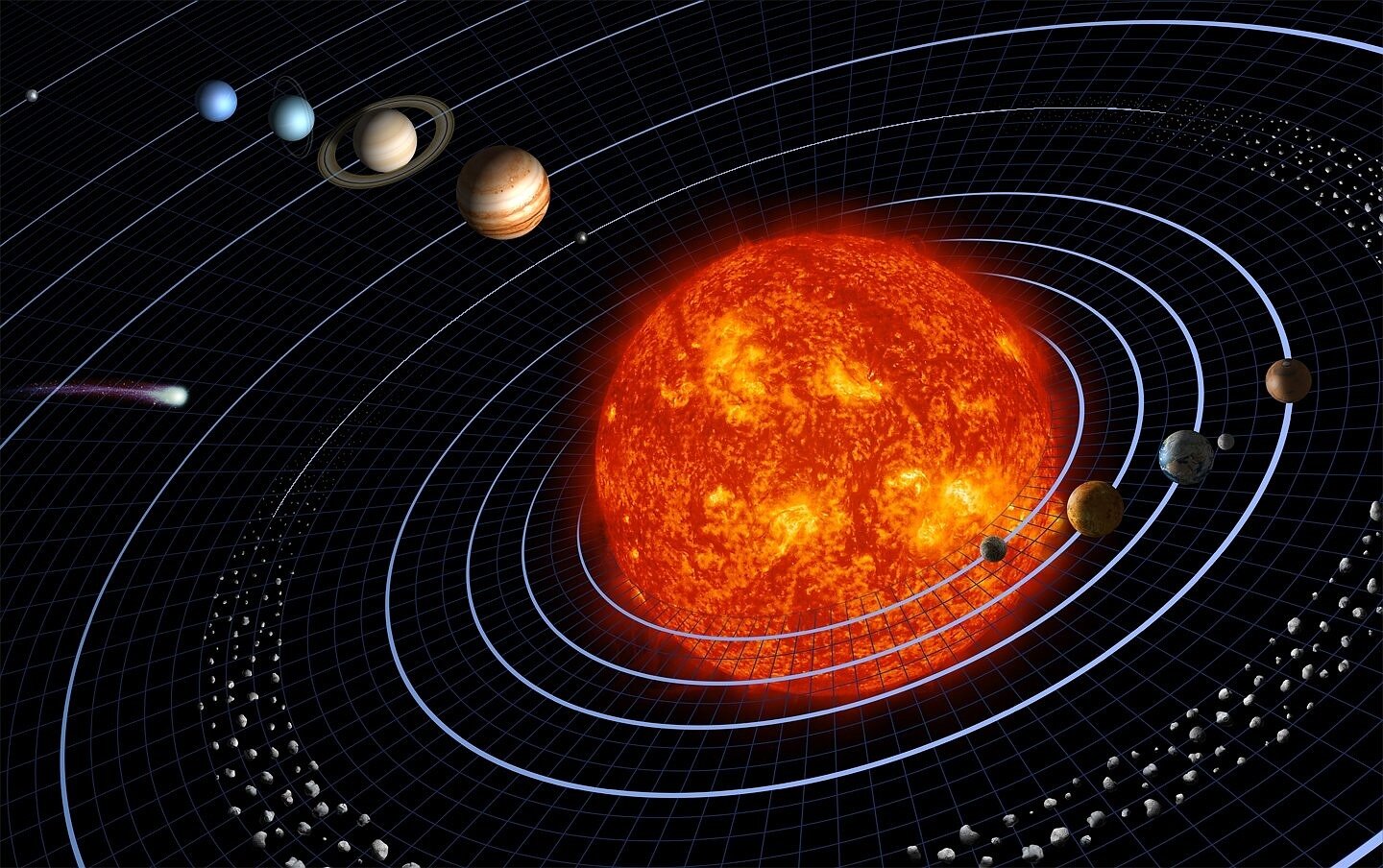
    The Solar System's First Solid Bodies Were 83% to 92% Fire-Forged Rock Beads and Almost No Ice, Yale Chemists Found by Reading Sulfur and Iron in Meteorites That Melted So Completely They Erased Their Own Ingredients

    Two independent tracers in outer-solar-system iron meteorites both point to matrix levels of 8% to 17%, lower than in any known chondrite. 'Both tracers independently tell the same story,' said lead author Damanveer Grewal. The result pushes the aerodynamic sorting that built the planets back to the very beginning.

    4 min read

  6. Science

    NASA's Roman Telescope Was Built With Fuel for 10 Years

    The August 31 burn was more than 99 percent accurate. Goddard's center director credited 'exquisite planning by our orbital dynamics team, brilliant execution by the operations team, and a precise launch from SpaceX.' A second burn later this month is expected to add four more years.

    3 min read