Two Active Magma Reservoirs Found Under Nicaragua's Masaya Volcano, 13 Miles From 2 Million People
Penn State researchers used six years of satellite radar data and found the caldera and the lava-lake crater are moving in opposite directions.
Section
Science news: space, biology, climate, medicine and the research changing how we live.

Penn State researchers used six years of satellite radar data and found the caldera and the lava-lake crater are moving in opposite directions.

Galaxies with no central bulge, which have never had a major collision, host supermassive black holes as heavy as their stellar mass predicts, pointing to slow, steady feeding.

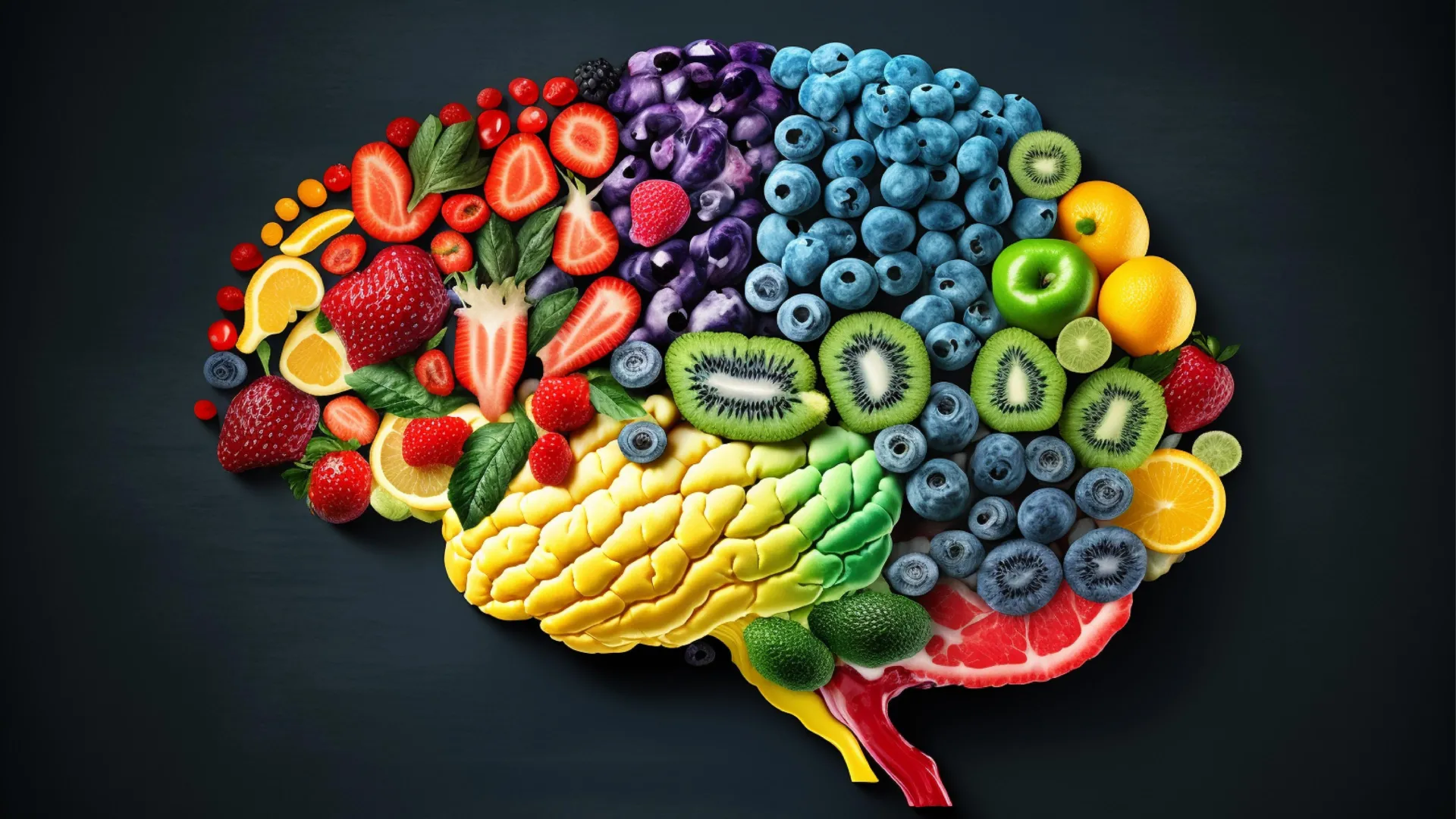
Each 3-point rise in adherence to the diet was tied to 20% less age-related gray matter decline, but the study cannot prove the food caused it.

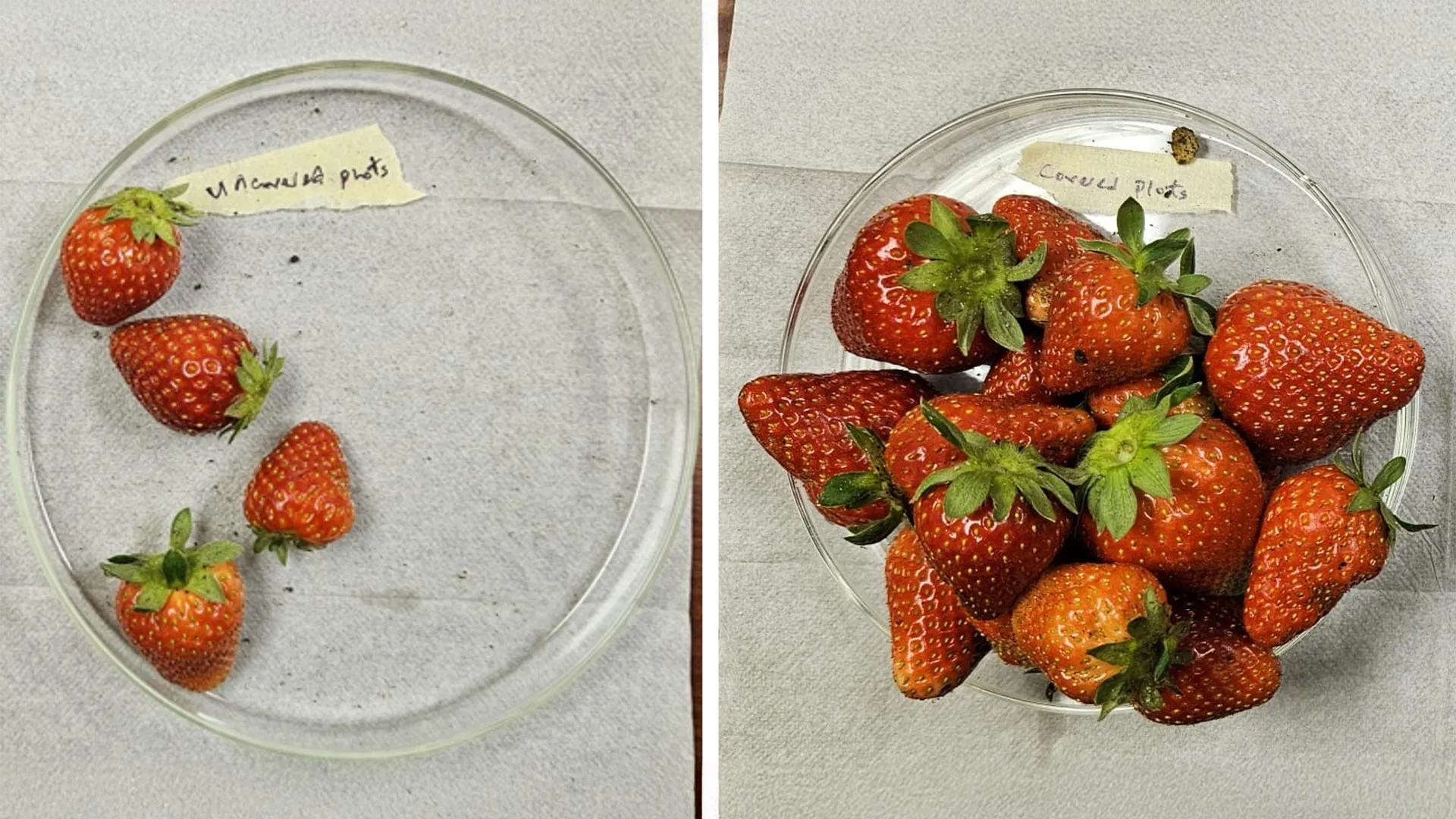
The 3-D textile lets sun, rain and air through while keeping insects off the fruit, which could cut the pesticides strawberry growers spray.

After burning more than 100 pickles, Josh Méndez says the classroom stunt is a hybrid: an electrical spark ignites hydrogen gas, and sodium in the brine supplies the color.

The pilot study in JAMA Psychiatry found moderate to large improvements after four weeks, and researchers plan a larger trial starting in 2028.

University at Buffalo physicists find that the one atom separating RNA from DNA lets it clump into liquid-like droplets that could have sheltered early life's molecules.

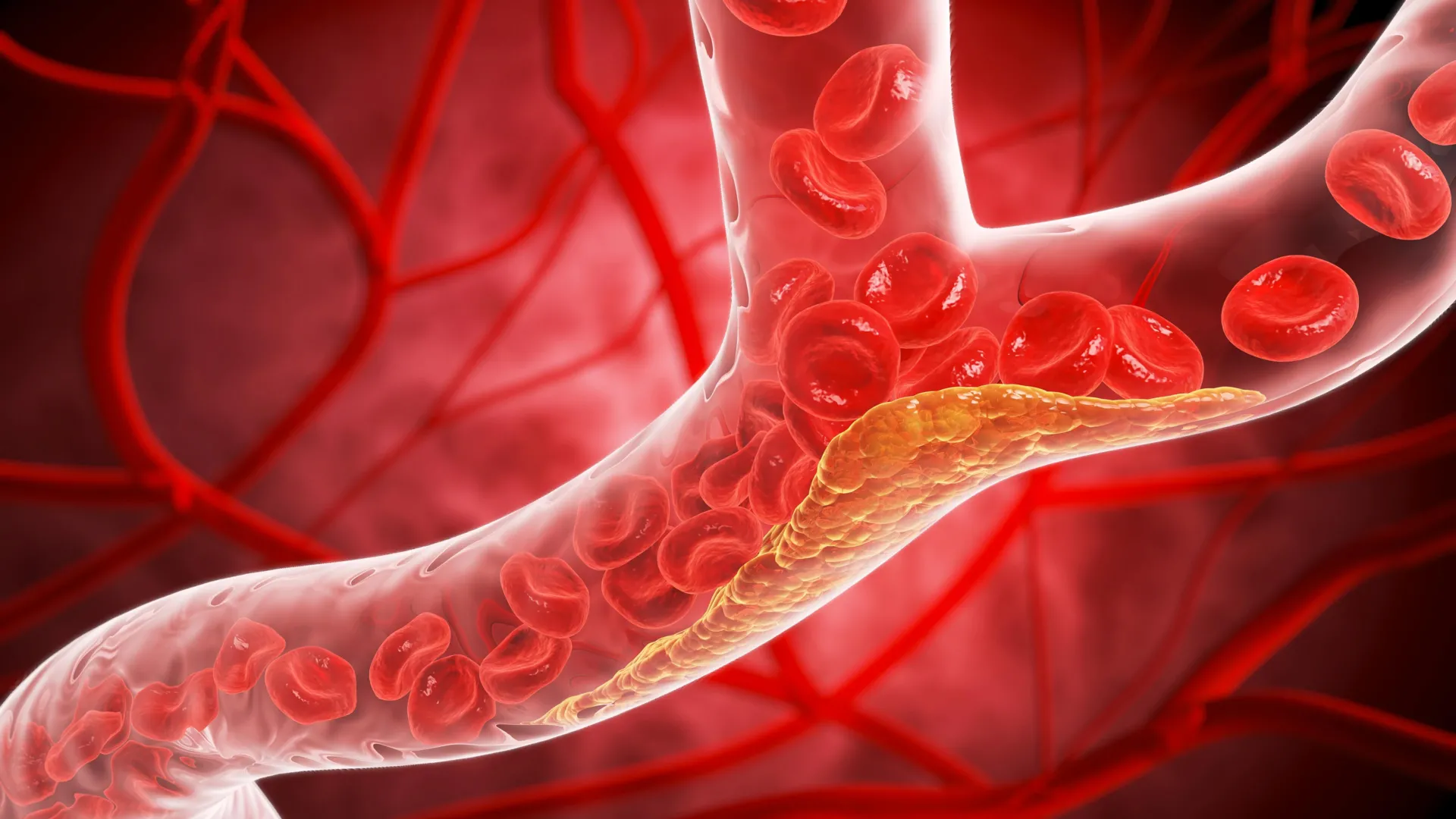
The REACT study found plaque in 57 percent of apparently healthy adults and says standard risk scores catch only a small share of them.

Two studies in Cell and Cell Stem Cell show the gene turns vessel-support cells into scar-forming ones and chokes the cell's waste-disposal system. Blocking one signal undid part of the damage in lab models and mice.

A University of Sydney team used DNA, museum specimens and more than 1,000 citizen-science photos to split two known species into five.

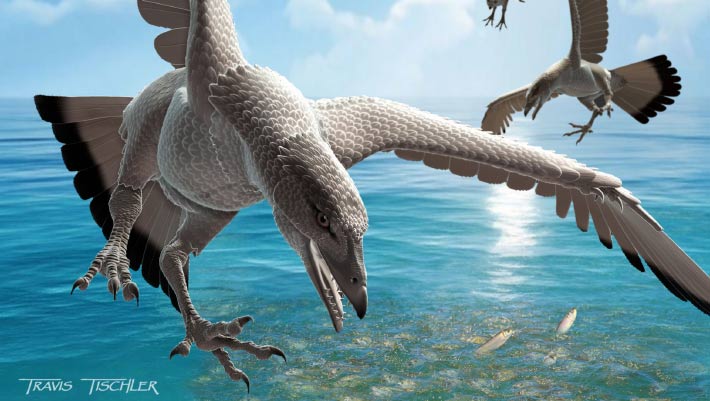
Tenuicruris piscanexum is known from two leg bones found near Richmond, including the first lower-leg bone of its kind from Australia's Cretaceous.

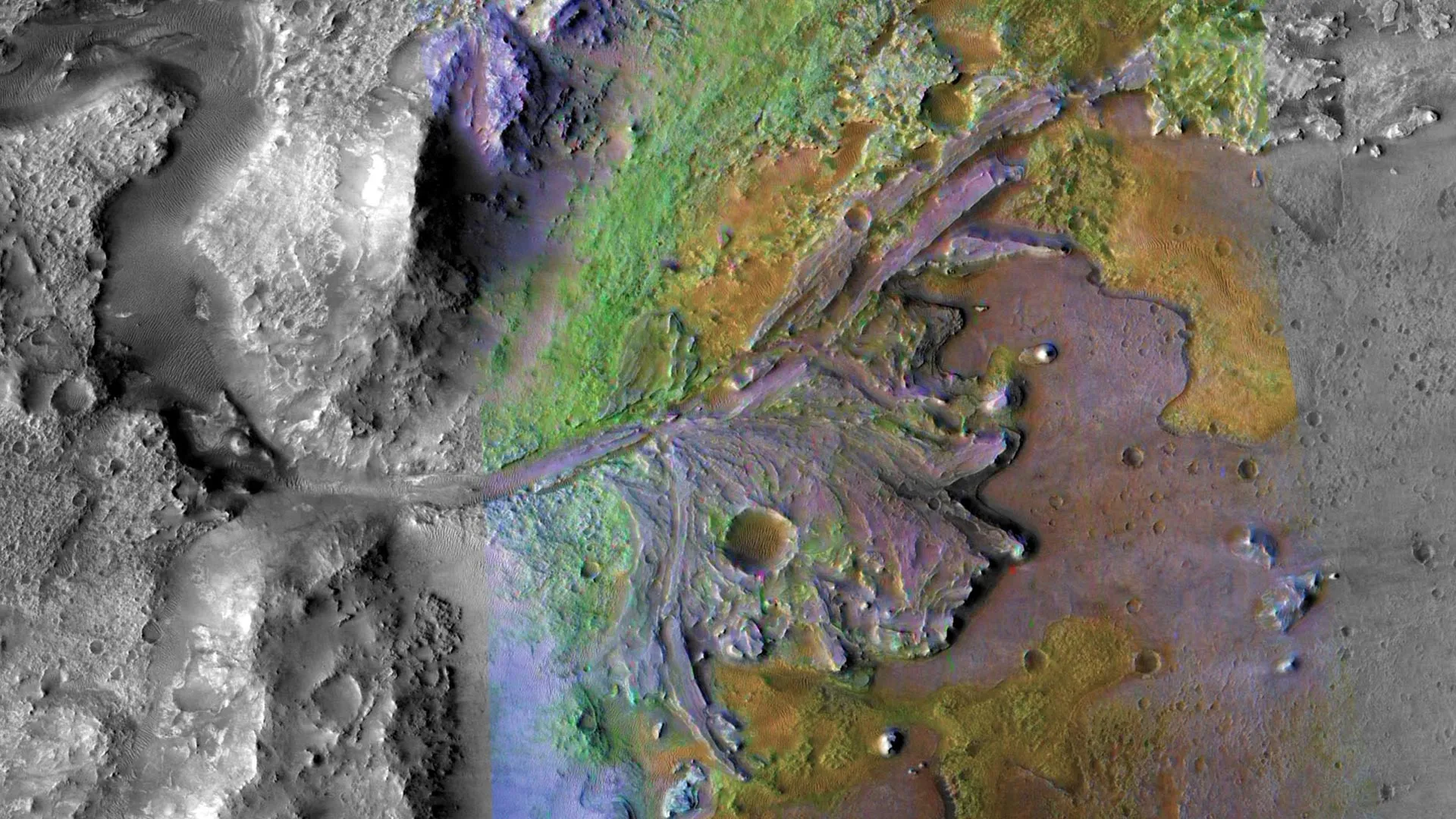
Instead of lake sediments, the rover's Margin Unit holds ancient igneous rock changed by groundwater, a lake and hot fluids, in one of Mars's largest carbonate exposures.

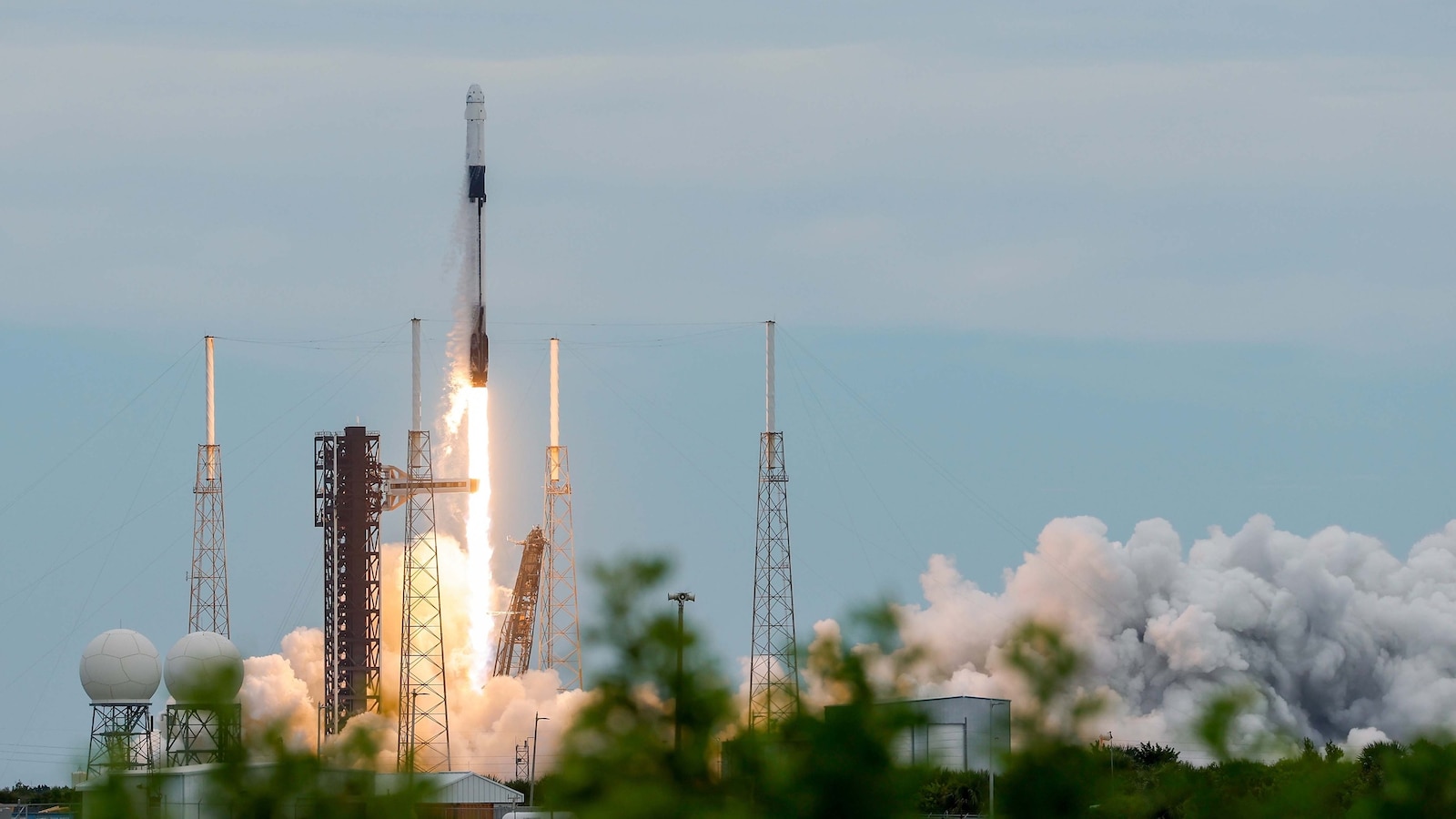
NASA's Jessica Watkins, Luke Delaney, Canada's Joshua Kutryk and Russia's Sergey Teteryatnikov lifted off from Cape Canaveral despite weather worries.

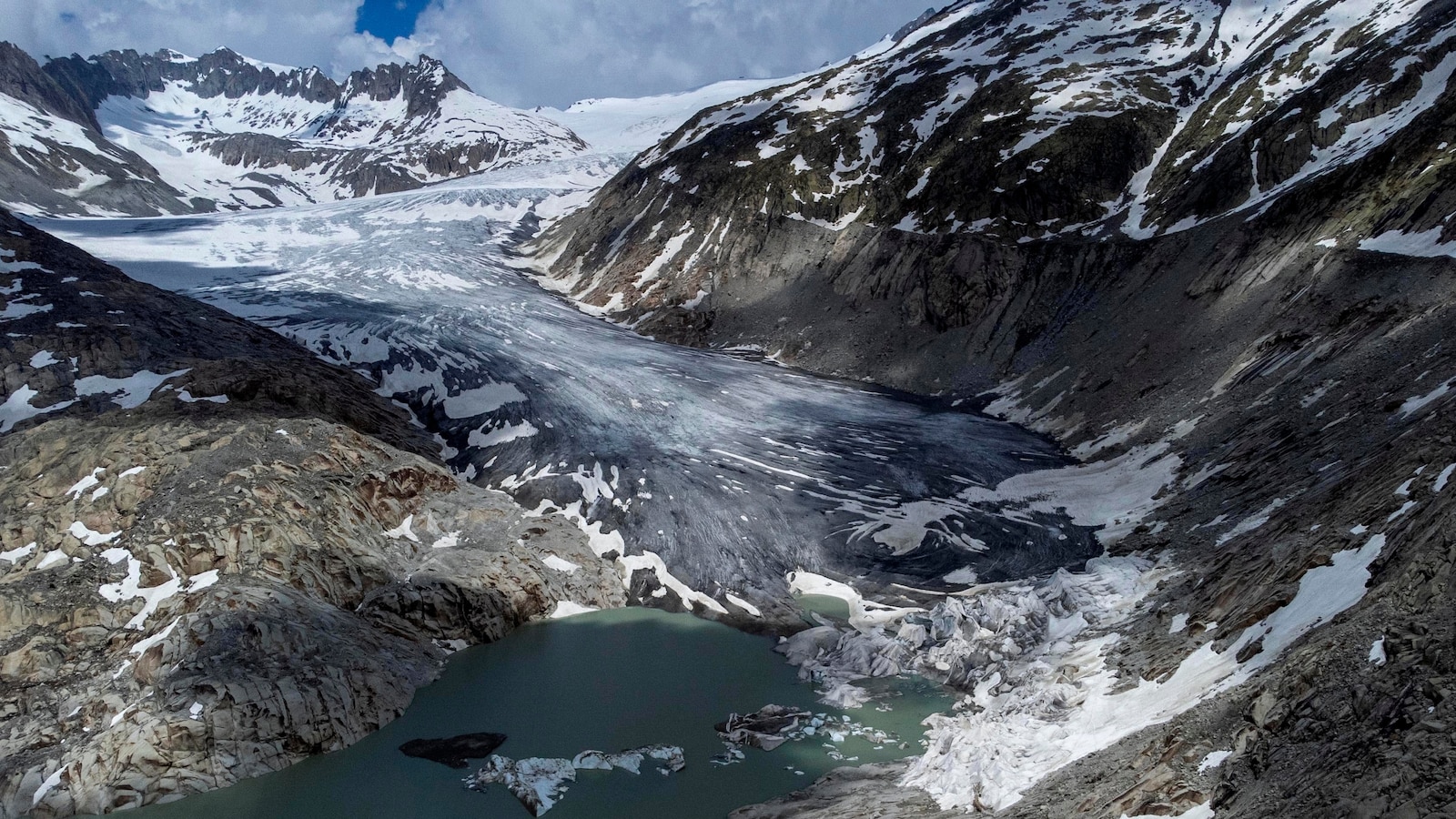
Heat waves and a snow-poor winter stripped 2.2 trillion liters of water from the Alps between July and September. Only 2022 was worse.

A 137-scientist team combined genomes from 103 species with 44 fossils to redraw the bat family tree, overturning earlier theories of an African, Asian or North American origin.

Florida Atlantic University researchers used an underwater speaker and drones off Palm Beach County to show sharks detect low-frequency sounds from far afield and know which way they came from.

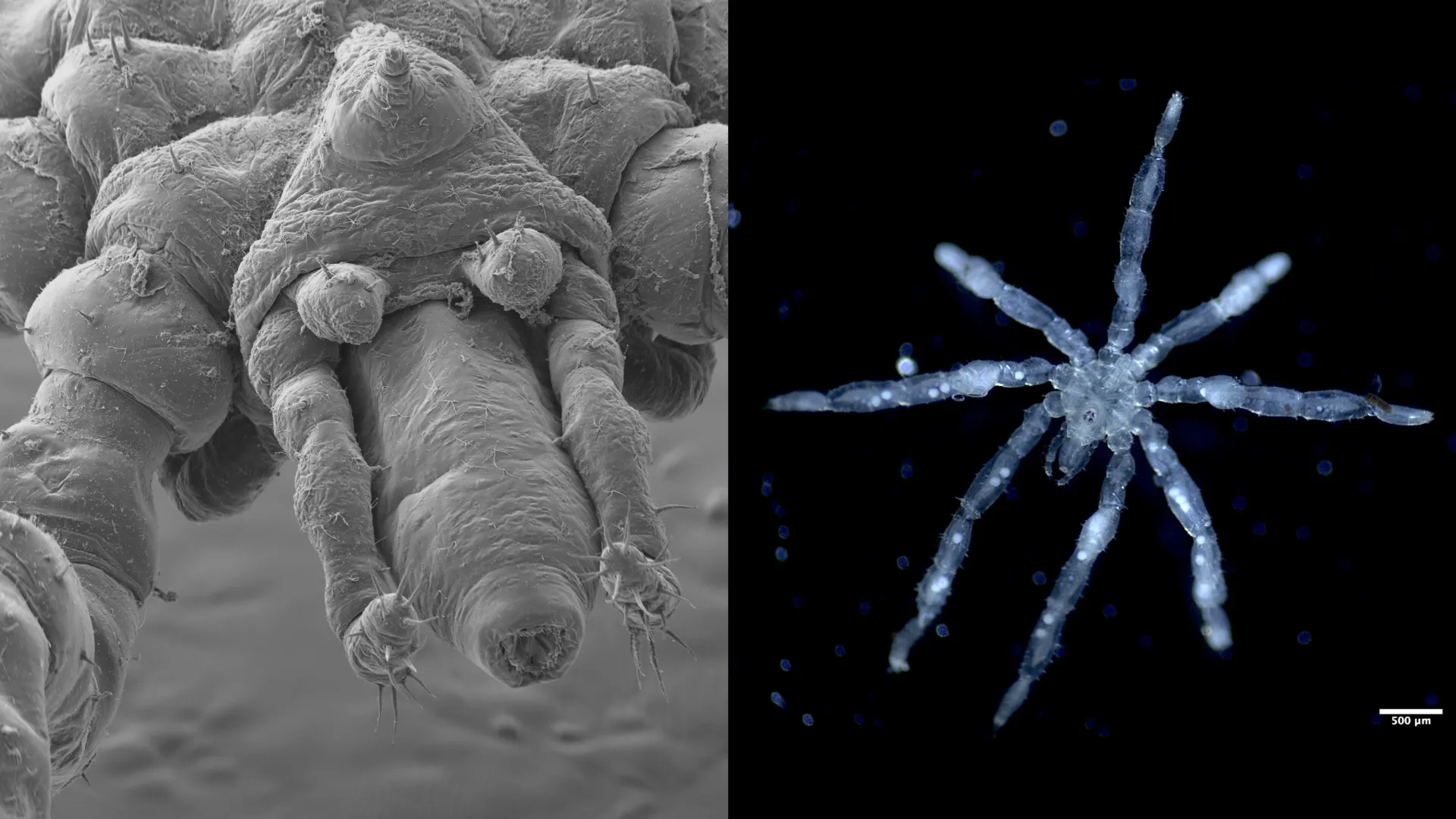
University of British Columbia researchers describe a red-eyed, self-grooming species and a parasite-hosting one, using anatomy and DNA to build an identification guide.

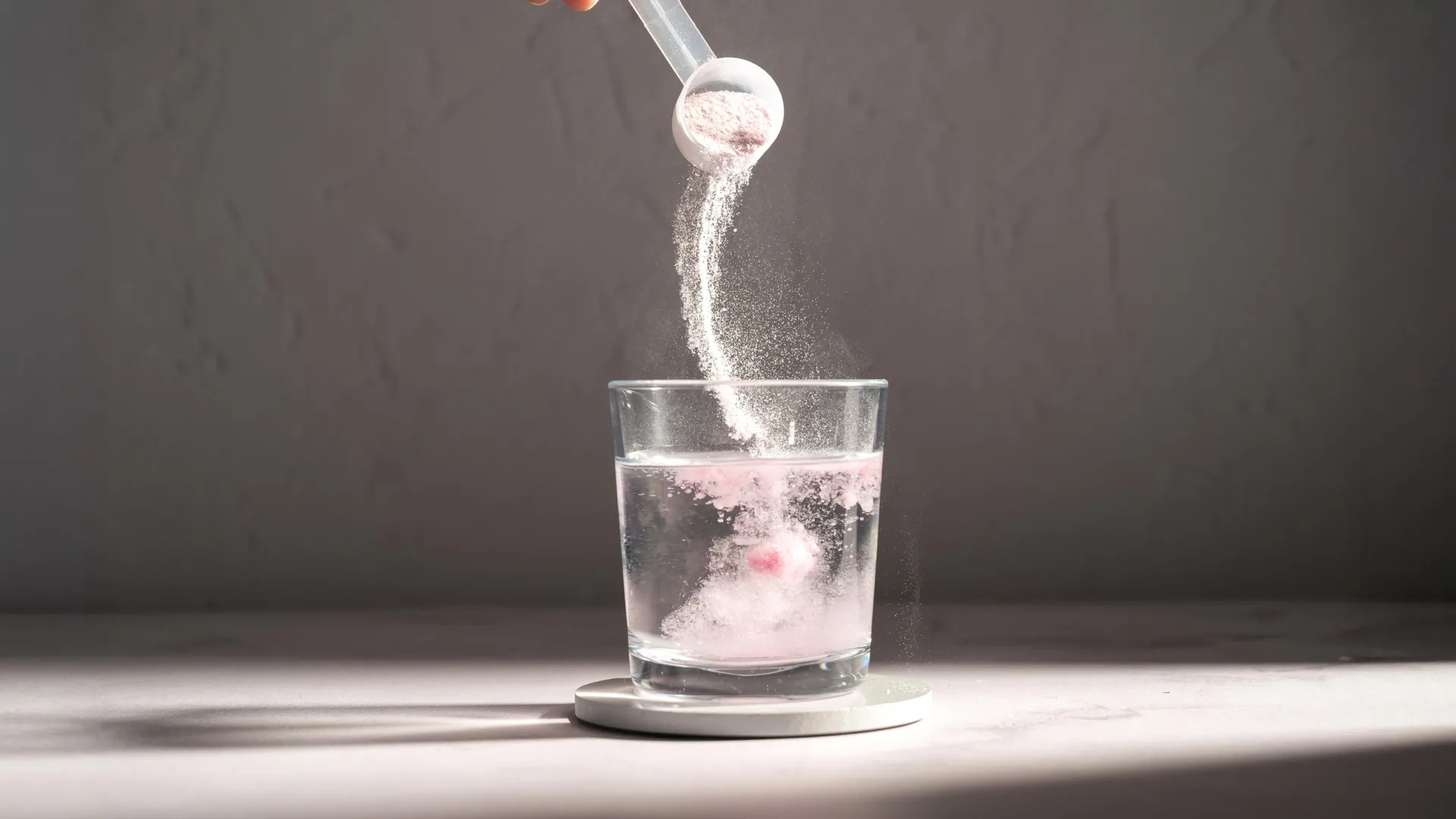
In a 12-week study of 64 adults aged 45 to 65, 10 grams a day added about 2.4 pounds of lean tissue in non-exercisers. It did not improve aerobic fitness.

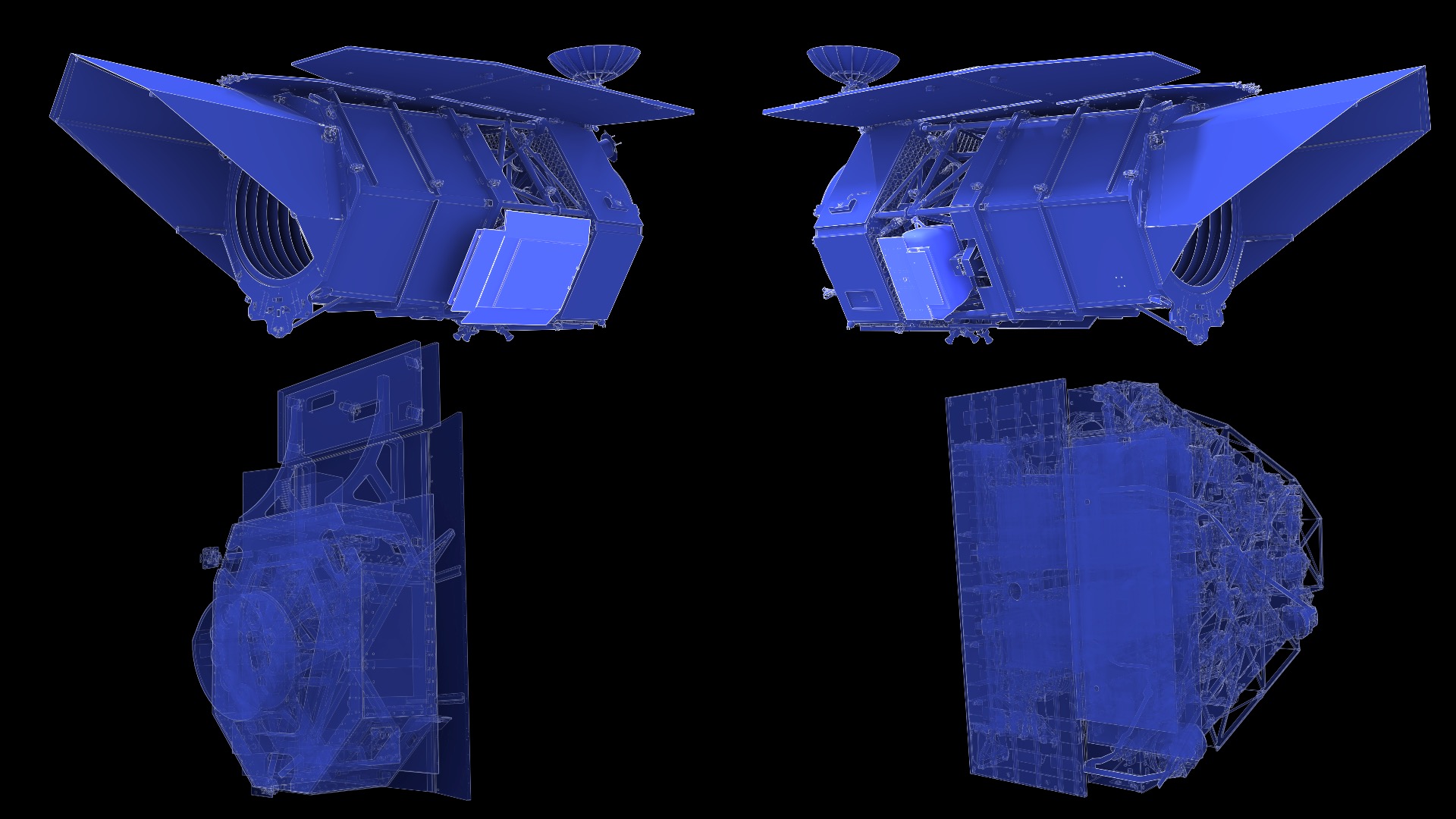
The first test image shows stars as blurry rings, exactly as expected. Sharp pictures are still months away, and science operations are set for 2027.

The 60-centimeter Austronaga minuta from southern China preserves the oldest known largely complete digestive system in a reptile, with traces of blood still in its liver.

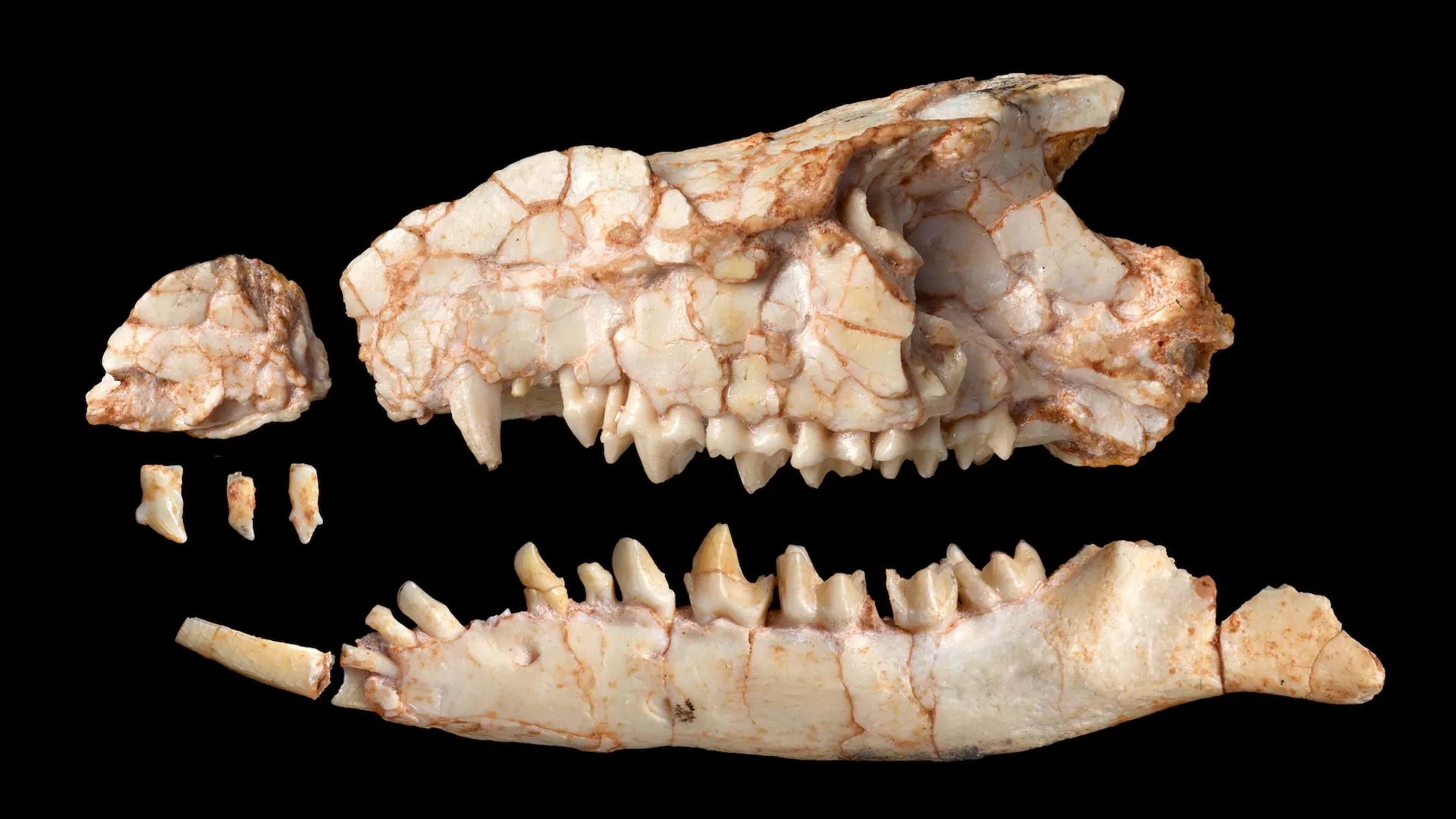
A nearly complete skeleton of Tamirkhan balcarceli shows that zhelestids, long assumed to be early hoofed-mammal relatives, belonged to an entirely different lineage.

A search with two ground telescopes rules out Jupiter-sized worlds and blames an old planet-like wobble on the stars themselves.

Zircon dating puts the impact at about 370 million years ago, not 467 million. That pulls it out of the Ordovician 'meteor shower' and next to the Late Devonian die-off.

A team rebuilt the Jebel Irhoud skull from fossil fragments using mostly open-source software. His estimated brain size falls well within the range of men alive today.
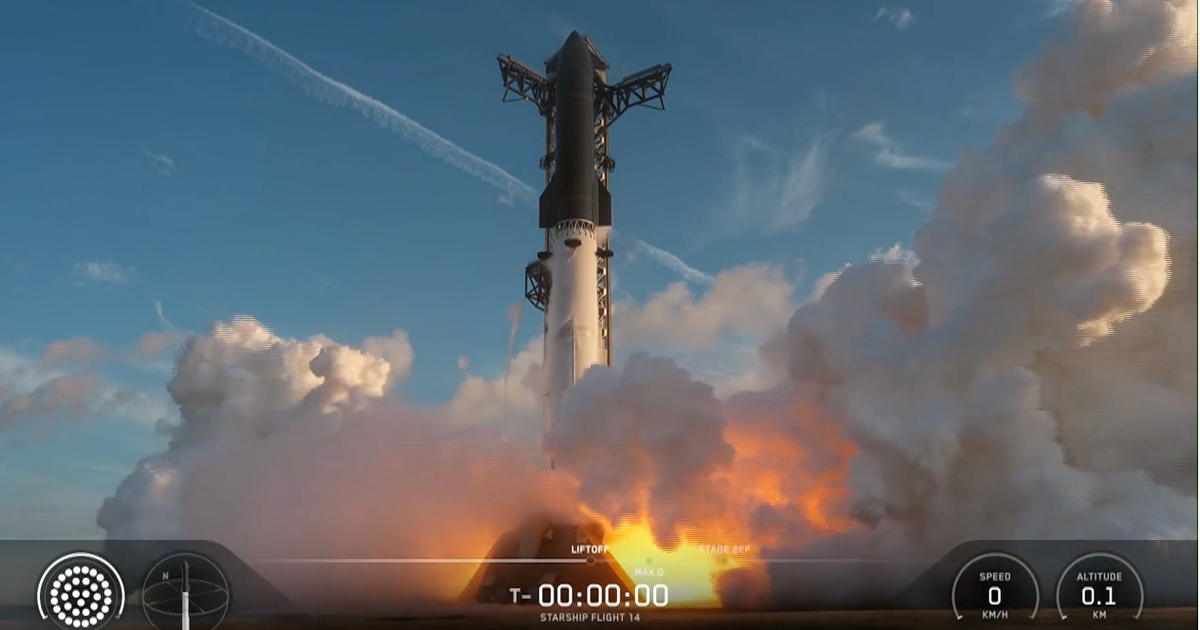
The world's most powerful rocket reached a 180-mile-high orbit Monday despite losing an engine, then splashed down north of Hawaii after a mission cut short to three hours.

Scientists found nanoscale particles of high-temperature gamma iron preserved in impact glass, locked in a stable magnetic vortex that could record the moon's ancient field.

New Zealand researchers tracked gene activity in both the insects and the Mermis worms inside them, finding a coordinated 'molecular dialogue' as the infection pushes earwigs toward a fatal plunge.

Hybrids made up 38% of a stickleback population in a tsunami-made pond in Otsuchi in 2012. By 2020 the foreign species' DNA had almost vanished, giving scientists a rare real-time look at how species boundaries hold.

Researchers who once threw out microbial DNA as contamination went back to it and rebuilt 70 bacterial genomes from Caribbean hamlet fish, most of them new to science. The most common ones carry every gene needed for chemosynthesis, which had never been documented in a fish.

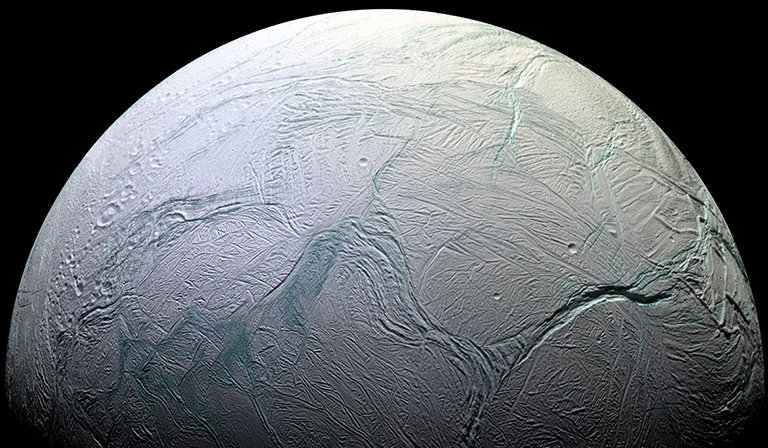
Cassini data show plume droplets freeze slowly and shatter, concentrating salts and organics into separate ice grains, and a second study found a methane-making microbe thriving in simulated Enceladus seawater.