Two New Sea Spider Species Found in Salish Sea, the First There in Nearly a Century
University of British Columbia researchers describe a red-eyed, self-grooming species and a parasite-hosting one, using anatomy and DNA to build an identification guide.
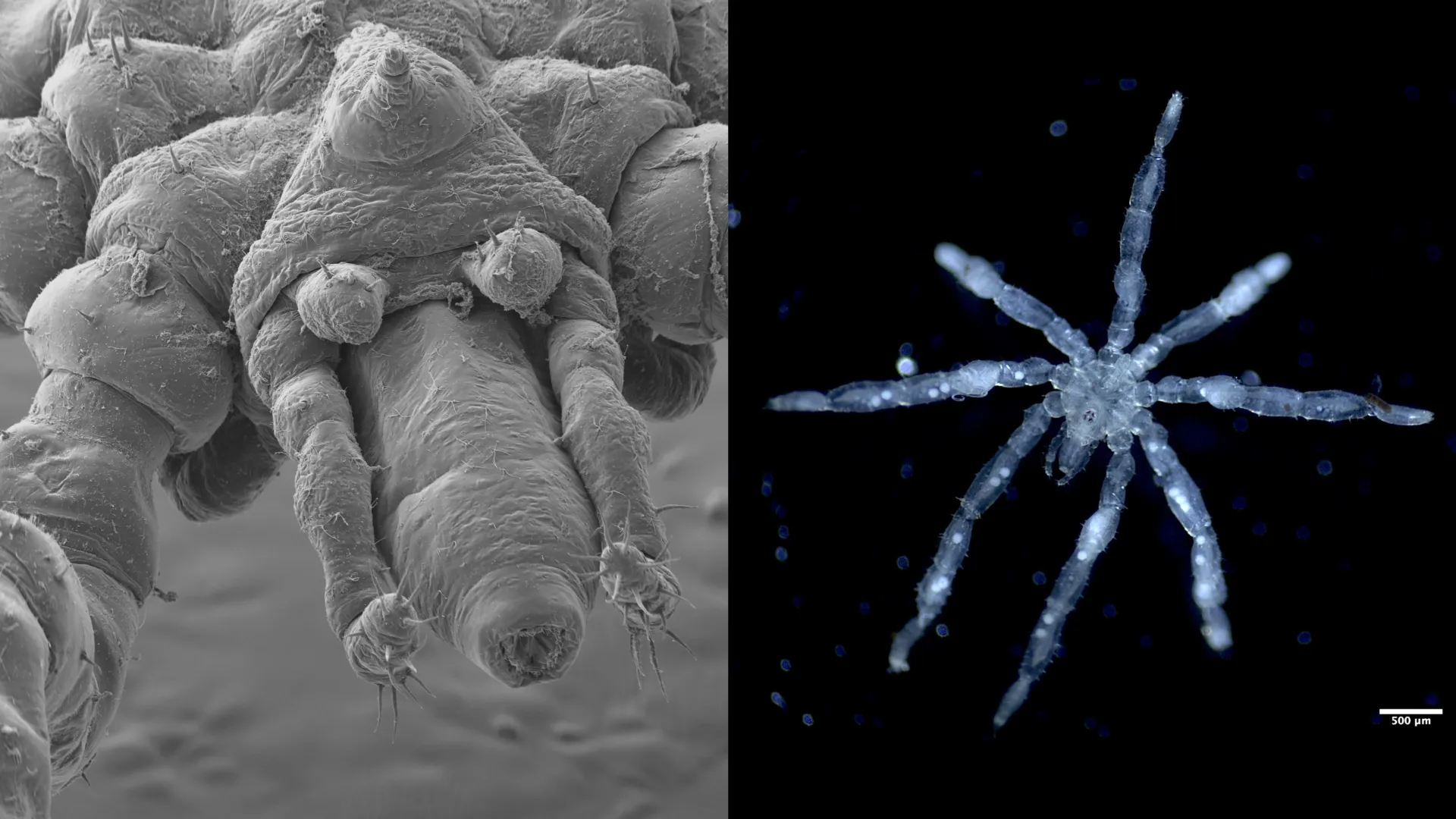
Scientists at the University of British Columbia have described two new species of sea spider from the Salish Sea, the first new sea spiders formally documented there in nearly a century.
The work, led by Cormac Toler-Scott with Eunji Park, Heather Gordon and Brian S. Leander, appeared in September in the journal Organisms Diversity & Evolution. The animals were collected at sites including waters near Quadra Island, Vancouver, Bamfield and Victoria, at depths of up to 18 meters.
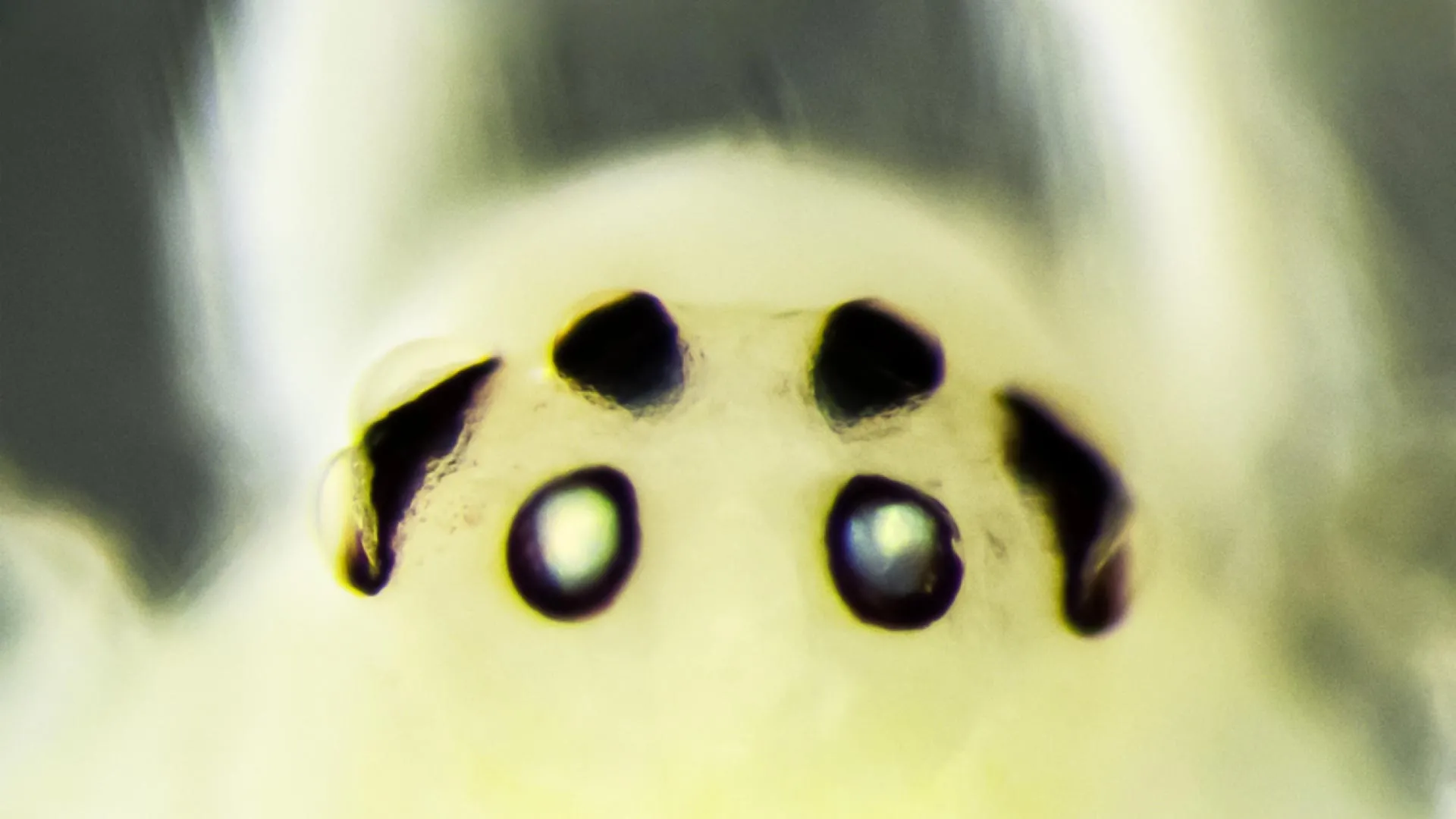
The first species, Callipallene pilosuspedes, is a small animal with red eyes and hairy spines on its legs. The researchers say it uses comb-like spines to groom and clean its own body, a behavior that stood out during observation. Its triangular mouth, they joked, resembles a tiny marine Sarlacc pit. Only a single specimen of this species was collected.
The second, Tanystylum kiixin, is a sea spider that often carries parasites and debris. Its name refers to an Indigenous village site, and the researchers say the word is pronounced in a way that sounds like waves crashing at the base of the village site.
Sea spiders are not true spiders. They belong to a separate group of marine arthropods known as pycnogonids, and many species have extremely long legs and a tiny body. They live on the seafloor, feeding on soft-bodied animals such as anemones and sponges.
To tell the new species apart from known relatives, the team combined detailed anatomical study with genetic sequencing. They used the results to build an identification guide for the sea spiders of the region, which they say gives other researchers a way to recognize the local species reliably.
That practical goal is the point, according to Toler-Scott. "In order to understand how marine invertebrates are being impacted...we have to be able to identify them," he said. Without a reliable count of what lives in an area, scientists can't tell which animals are declining or moving as waters change.
The result also shows how much of the coastal ocean is still poorly cataloged. The Salish Sea, which stretches across the waters between southwestern British Columbia and Washington state, sits beside two major cities and is heavily studied, yet two previously unknown animals were found in shallow dives. With just one specimen of the red-eyed species in hand, further collecting will be needed to learn how common it is.
The paper was published in September 2026 and carries the DOI 10.1007/s13127-026-00707-3.