ALMA Catches a Dying Star Mid-Transformation and Finds a Ring From Its Last Outburst
Radio images of IRAS 06530 reveal a vast ring, spiral arcs and a young central nebula, but none of the fast jets that theory says should have shaped them.
Section
Science news: space, biology, climate, medicine and the research changing how we live.

Radio images of IRAS 06530 reveal a vast ring, spiral arcs and a young central nebula, but none of the fast jets that theory says should have shaped them.

Sheffield researchers show Arabidopsis, a model for mustard-family crops, trades nutrients with a fungus lineage that split off 620 million years ago.

University of Bristol researchers tested 27 forecasting models on more than 50,000 daily forecasts and found select ones stayed consistent with a decade of real quakes.

A round hole in a shoulder blade from Iraq's Shanidar Cave points to a thrust through the chest, and a split tooth shows the same person had been cared for earlier.

All 52 pairs of Great Barrier Reef coral fragments fused, and the bleached partners recovered faster where the two tissues met, Australian researchers report.

A paper led by Andrea Botteon of Italy's INAF finds the clef-shaped radio structure sits inside two merging galaxy clusters hidden behind the Milky Way's plane.

Megacauda sungei, a semiaquatic relative of mammals from Inner Mongolia, carried bony palate hooks like those that support suckling and swallowing in living mammals.

UC Santa Barbara and UCLA researchers report in Science that molecules with two nitrogen-15 atoms expose microbial nitrogen loss that standard methods miss, from Texas groundwater to the Bay of Bengal.

An 11-hour James Webb observation of WISE 0855 gives the first direct confirmation of changing water clouds on another world, alongside deep gases rising from below.

A nanogap electrical sensor plus AI distinguished L- and D-forms with over 80% accuracy and worked on Murchison meteorite and Atacama soil extracts.

Using DNA that records its own history, Jonathan Weissman's and Jay Shendure's groups traced how cells commit to their fates, a feat last done for a whole animal in roundworms in 1983.

Chinese researchers wrapped photosynthetic membranes from spinach in heart-cell coatings to give failing heart muscle a light-powered energy boost. Delivery to humans remains unsolved.

A University of Vienna study in Nature Communications finds that ancient genome reshuffling pulled distant DNA together and created 'regulatory entanglement' around nervous-system genes.

A Nature Astronomy study finds the particle fingerprints point to 'interchange reconnection,' while waves and turbulence take over once the kink leaves the sun.

A Jupiter-sized world circling HS 0209+0832 carries a chemical fingerprint, including niobium at over 1,000 times solar levels, that no ordinary first-generation planet should have.

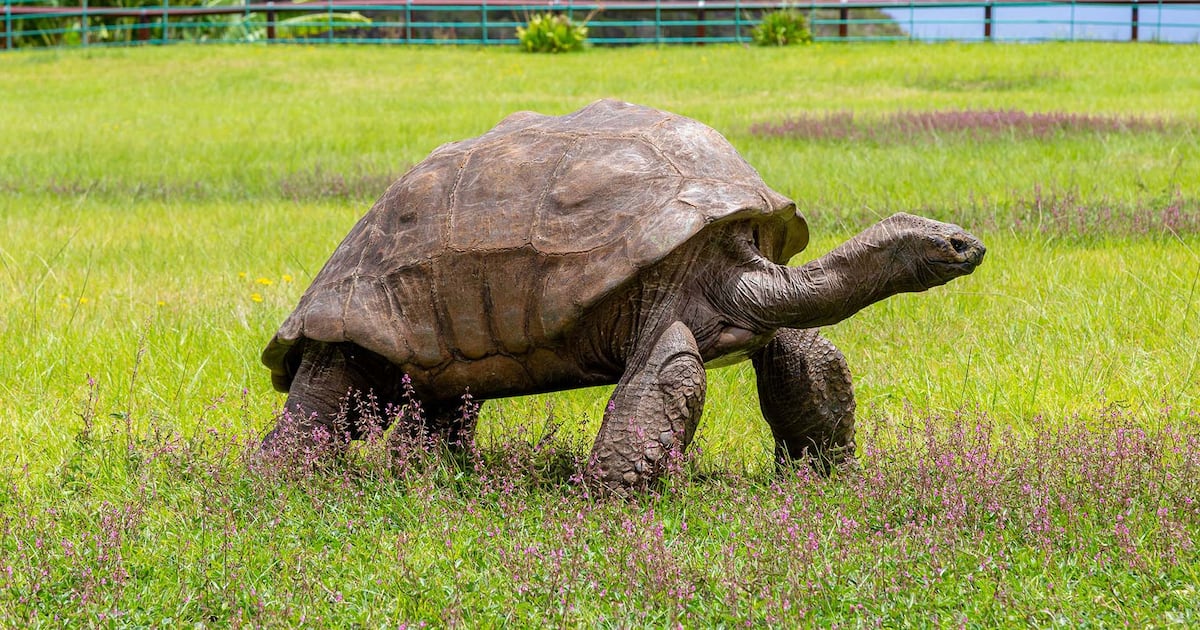
The world's oldest known land animal carries 287 unique gene variants and an epigenome that looks younger than his years, offering clues to aging, though researchers stress the study covers a single animal.

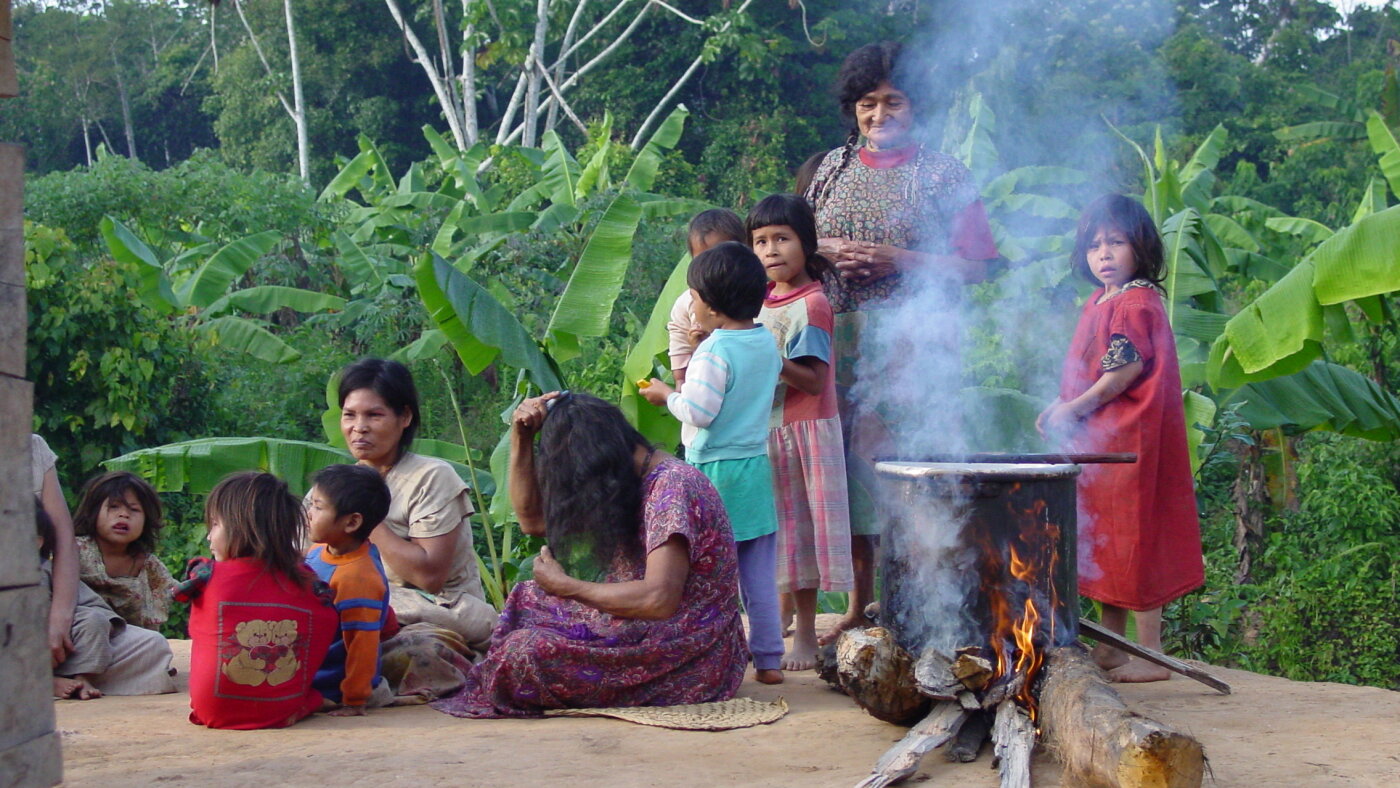
Stanford researchers say the Hadza and Tsimane microbes were likely inherited from common ancestors in Africa and carried across the Bering land bridge, while outside experts caution the health implications are unproven.

Watching nickel electrodes while they split water, researchers found the working layer is nickel dioxide, not nickel oxyhydroxide, forcing a rethink of hydrogen catalyst chemistry.

The system ZTF J0440+2325, reported in Nature Astronomy, is the first caught with one low-mass object steadily feeding on another, and it could last for billions of years.
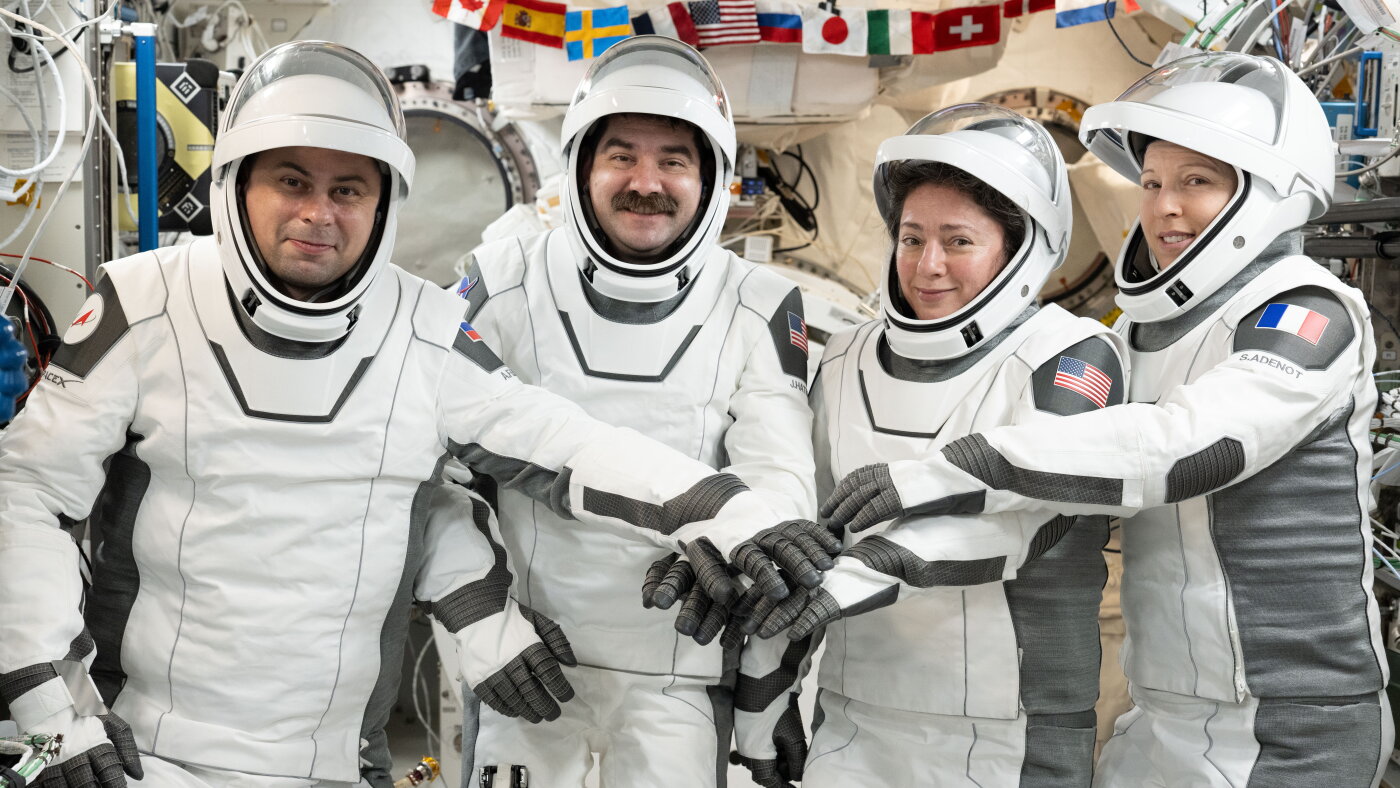
WatchNASA's Jessica Meir, Jack Hathaway, Sophie Adenot and Roscosmos' Andrey Fedyaev landed in the Pacific aboard a SpaceX Dragon on Thursday after a mission that included seven spacewalks.

The flash, FRB 20240304B, left a tiny star-forming galaxy when the universe was only about 3 billion years old, more than doubling the previous distance record.
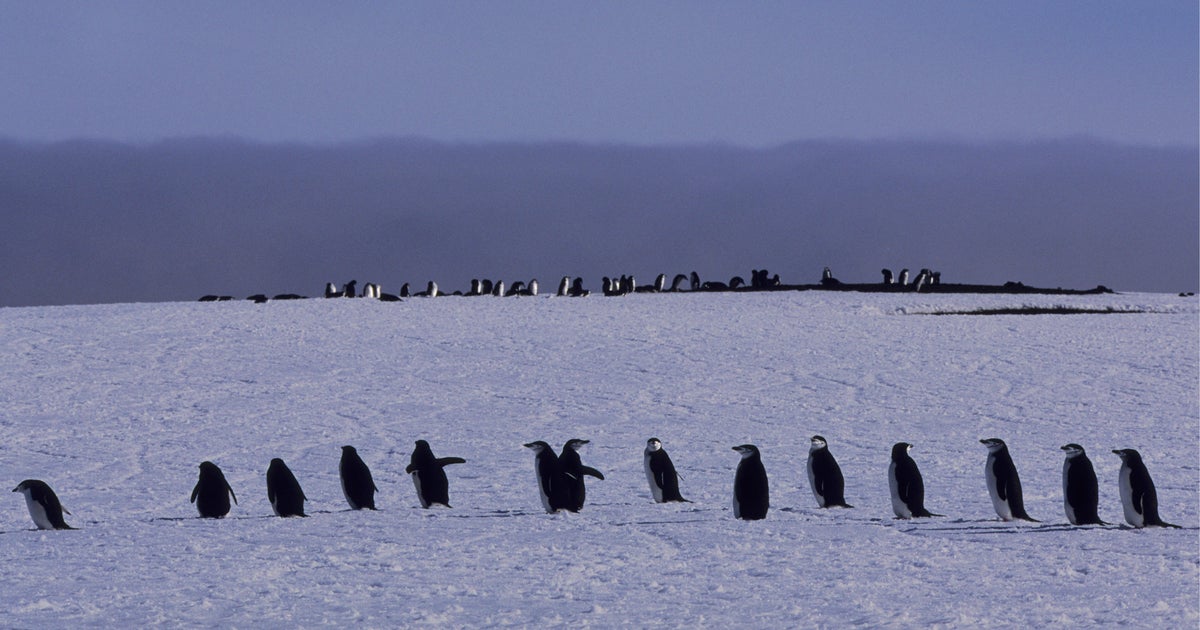
Drone and satellite counts show Zavodovski Island lost more than 680,000 breeding chinstraps since 2011. Researchers blame climate change reshaping krill supplies, not the volcano.

ALMA's COMPASS survey also found methanol masers around more than half of the young stars studied, hinting that complex organic chemistry starts earlier than thought.

A University of Washington team reworked the calculations using methods built for Earth's snow and found that earlier estimates of up to 25% dust were far too high.

The GIMLI project, led by the Planetary Science Institute's Than Putzig, will carry radar, seismic sensors, a gravimeter and cameras to a skylight in a Moon lava plain. A cavern there could shelter future astronauts.

Stimulating the nerve after training, not during it, strengthened learning on later days and produced rhythmic blood-volume swings in the cerebellum.

The trio is honored for light-gated ion channels and the technique that lets scientists switch individual brain cells on and off with flashes of light.

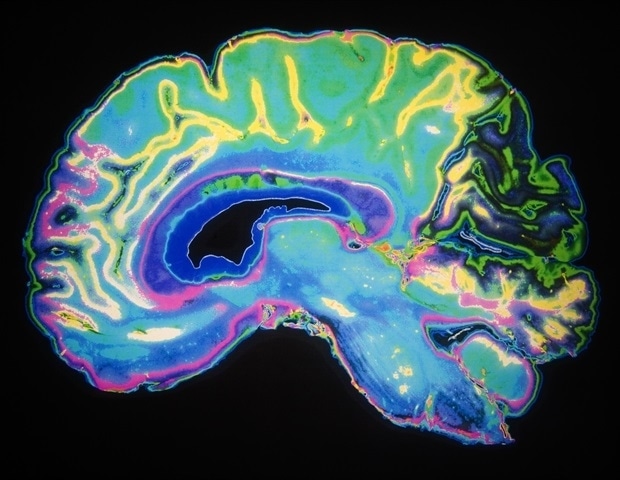
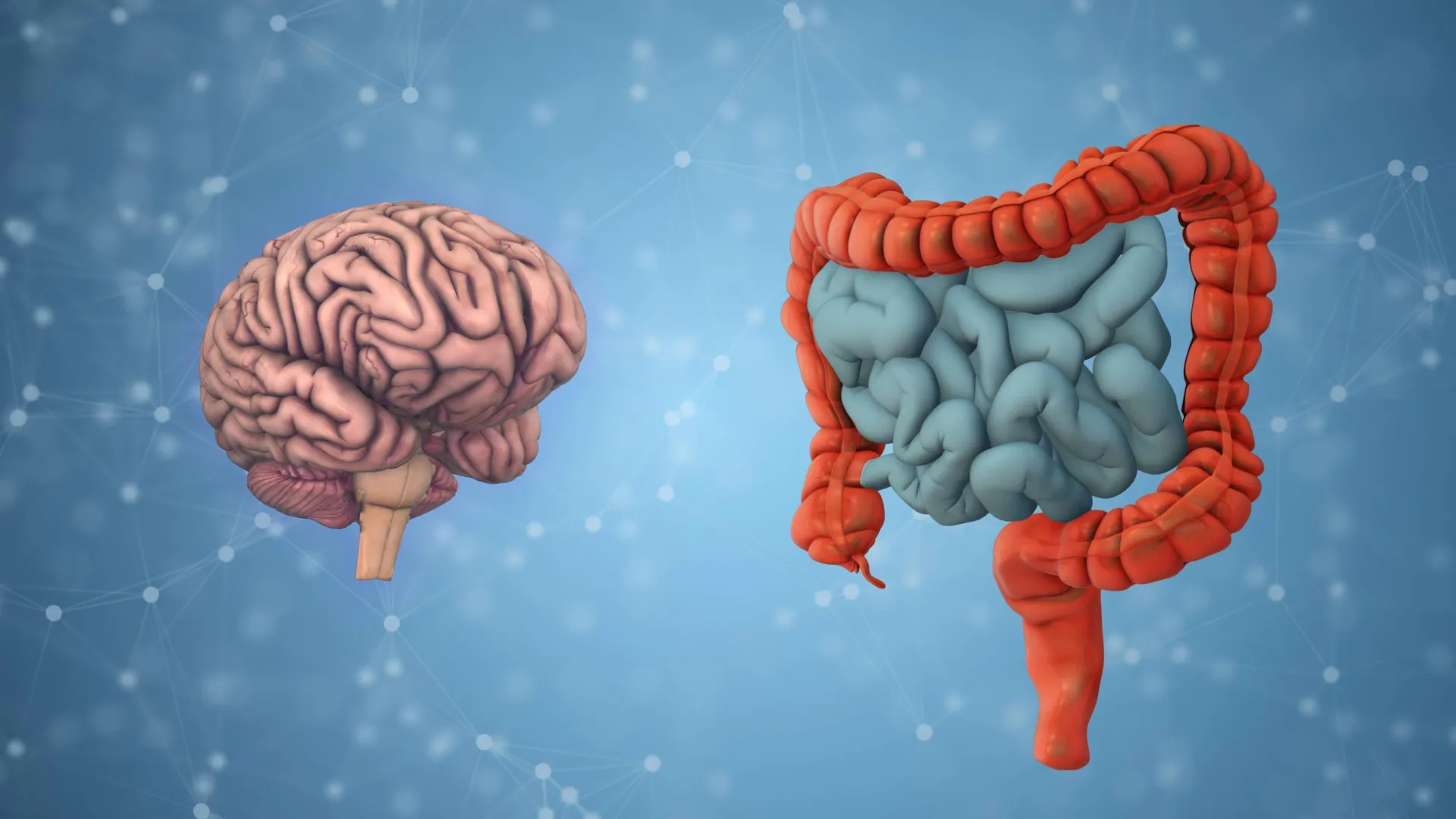
Brains that scan older than their owners' ages were tied to worse memory, more depression symptoms and a distinct gut-microbe signature, even in younger adults.

The new material, BVR-19, needs no added expensive metal catalyst and forms in water at room temperature, which could help cut the cost of green hydrogen.

The European spacecraft bent its path by 20 degrees using only one of six planned course corrections, and used the pass to calibrate its 10 instruments.