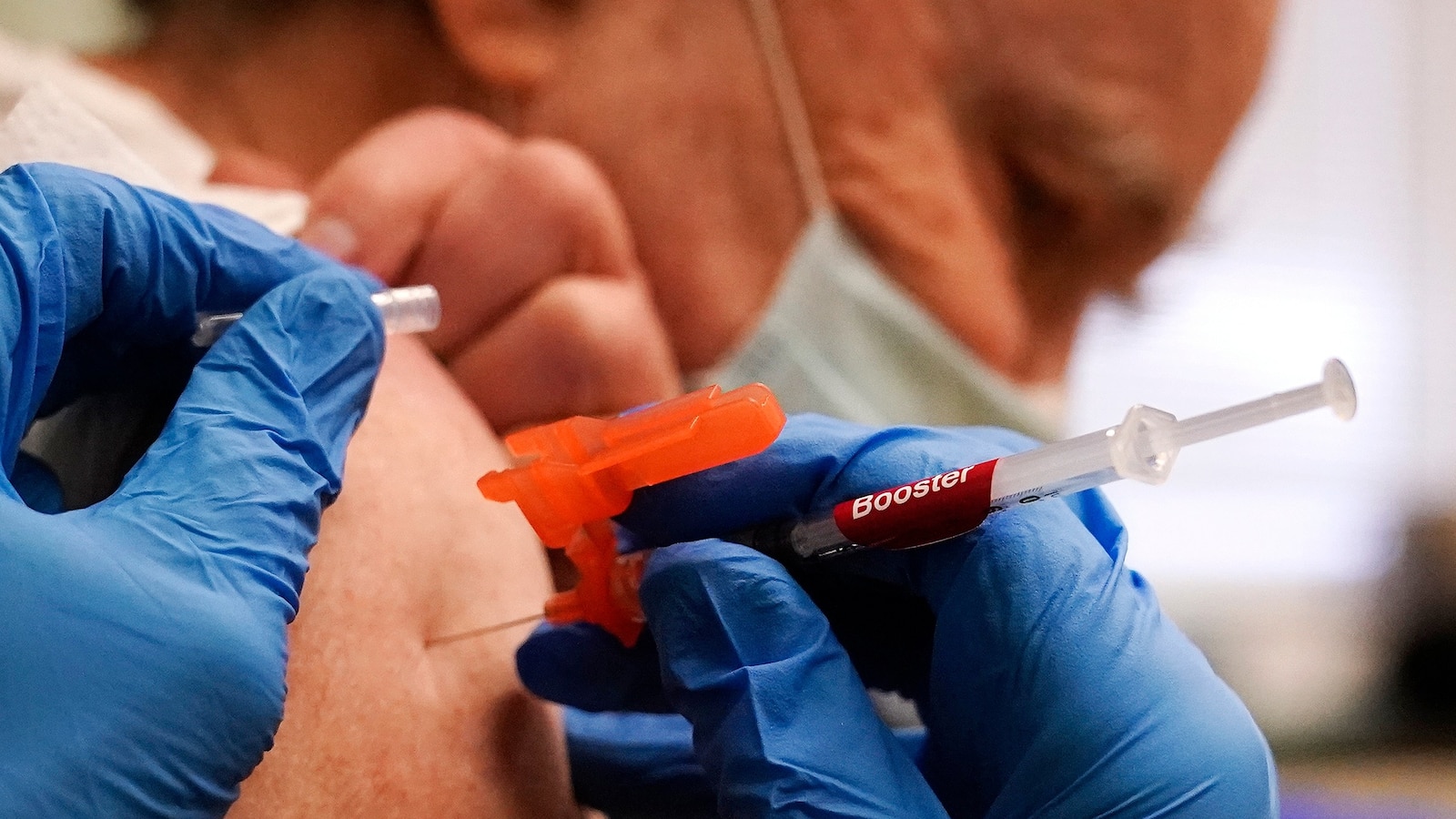
FDA Advisers Back the First Blood Test That Screens for Dozens of Cancers at Once
The panel voted 7-2 that the benefits of Grail's Galleri test outweigh its risks, but only 6-4 that it works. A top National Cancer Institute scientist warned that a broad rollout would "risk harm and waste resources."
A Food and Drug Administration advisory panel on Wednesday recommended approval of the first blood test designed to screen for many kinds of cancer at once. The recommendation moves a long-promised technology a step closer to routine use, though the vote exposed deep doubts about how well it works.
The test, called Galleri, is made by Grail. The company says a single blood draw can detect signals from up to 50 types of cancer, most of which have no routine screening today. The 10 voting members of the FDA's Molecular and Clinical Genetics Devices Panel voted 7-2, with one abstention, that Galleri's benefits outweigh its risks for adults 50 and older. They were unanimous that the test is safe but split 6-4 on whether it is effective. The FDA usually follows its advisers but is not required to, and a final decision is expected in the coming months.
The test works by looking for fragments of genetic material that tumors shed into the bloodstream. It is already sold by prescription for $949, but it has never been through a full FDA review of its safety and accuracy. Approval could change that economics quickly. Congress has approved Medicare coverage for multi-cancer detection tests once the agency clears them, and the FDA expedited its review of Galleri because it is furthest along.
The panel weighed two large Grail studies. One followed more than 140,000 people in Britain's National Health Service, and the other more than 35,000 people in North America, all over 50. Neither showed a drop in overall deaths, and the NHS trial missed its main goal of reducing the combined number of Stage III and Stage IV cancers. Later updates showed fewer Stage IV diagnoses on their own over three years. Supporters say that suggests the test is moving diagnoses to earlier, more treatable stages.
Critics pressed that point hard. Phil Castle, director of the National Cancer Institute's Division of Cancer Prevention, told the panel the tests often missed cancers, especially early ones, and could give people false reassurance. "Routine approval and broad population rollout would risk harm and waste resources," he said. The panel recommended that Galleri's marketing tell patients to keep up colonoscopies, mammograms and other standard screenings, and that it avoid describing the test as an "early" detection tool.
Michelle Tarver, who heads the FDA's device center, called the idea "a genuinely promising opportunity" but said technologies "with this kind of reach and novelty demand careful, rigorous evaluation." Cristian Tomasetti, who directs early detection research at City of Hope, said the missed trial goals were "kind of a technicality." He argued that three years is far too short to prove a drop in cancer deaths. "It's a new era for early cancer detection, and if the FDA approves it, it validates the overall concept," he said.
Hundreds of companies are chasing blood-based cancer detection, and Galleri is widely seen as a bellwether for all of them. Abbott is seeking approval for a rival test called CancerGuard. Its chief medical officer for cancer diagnostics, oncologist Tom Beer, noted that about 70% of cancer diagnoses and deaths come from cancers such as pancreatic cancer that have no screening at all.