The FDA Cleared This Winter's COVID Shots. The CDC Panel That Normally Recommends Them Has Not Met All Year
Updated vaccines from Moderna, Pfizer and Sanofi target the XFG variant behind roughly 40% of U.S. cases. Who has to pay for them is the part nobody can answer.
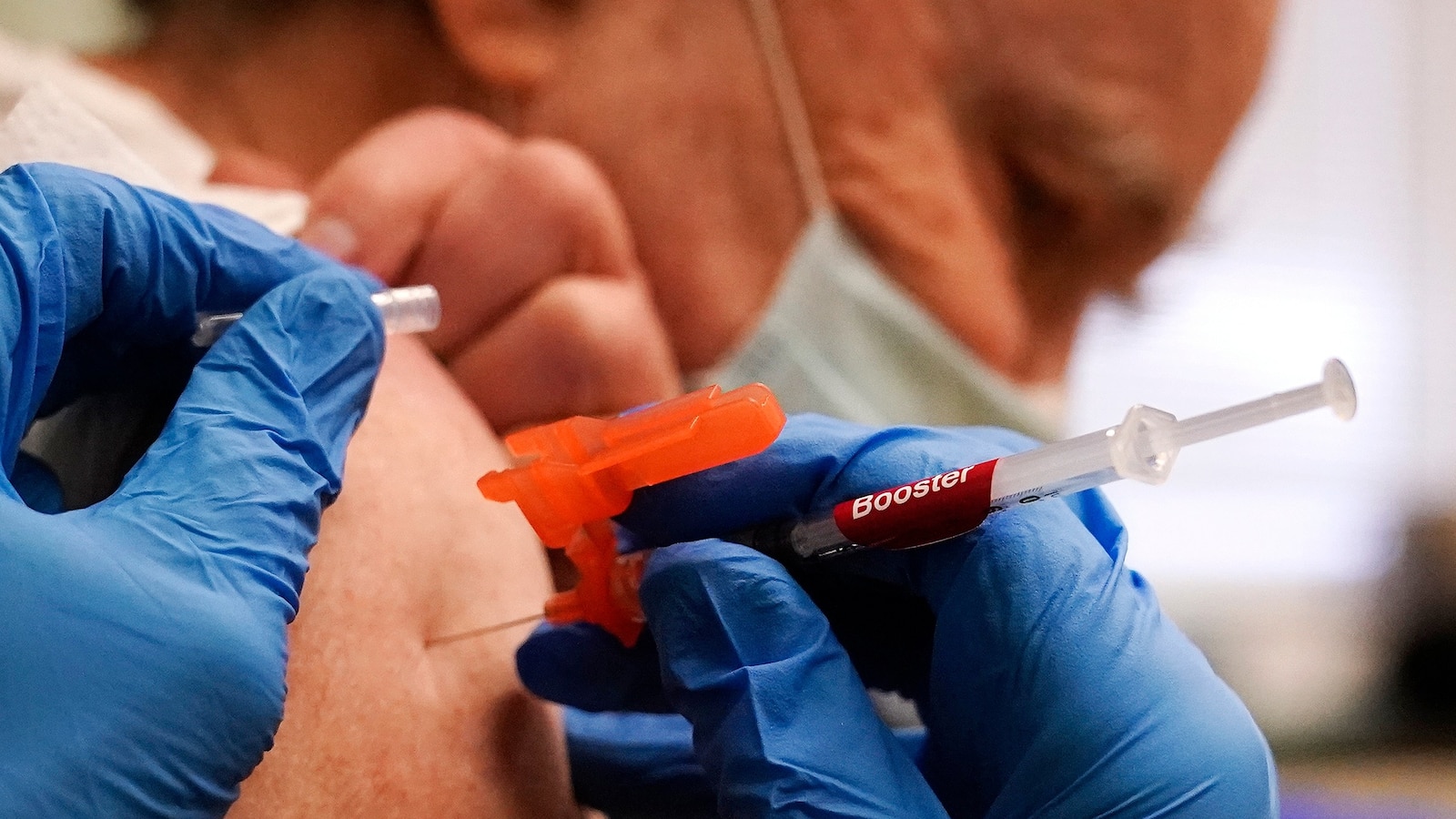
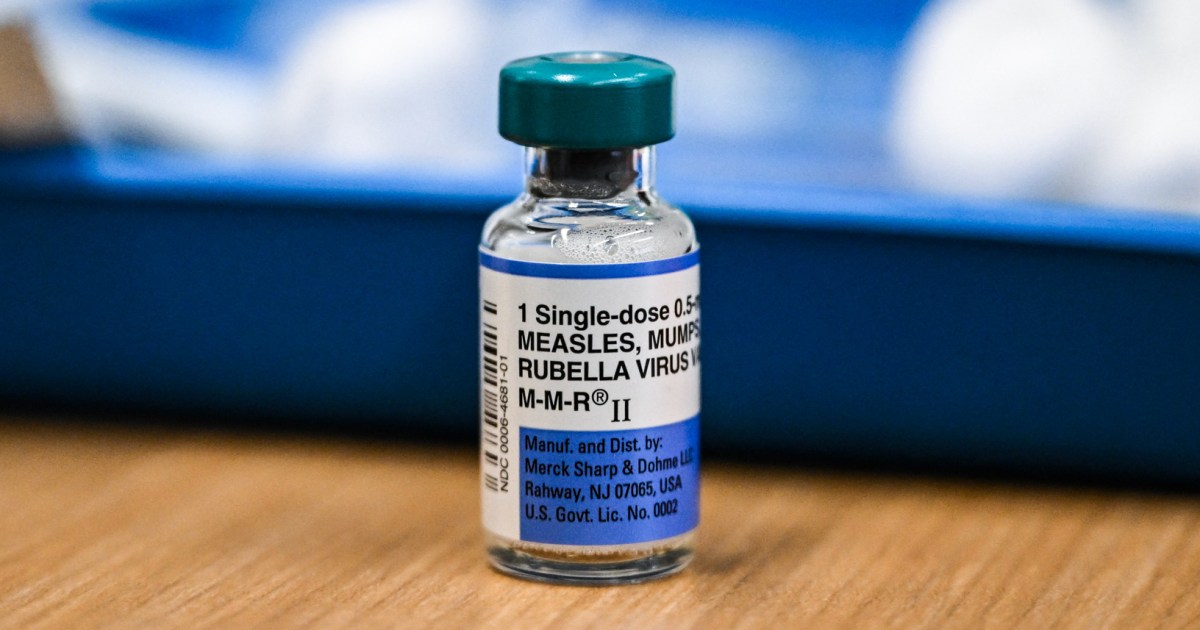
The Food and Drug Administration has approved updated COVID-19 vaccines for the 2026-27 season from Moderna, Pfizer-BioNTech and Novavax-Sanofi, reformulated to target XFG, a recombinant omicron descendant that now accounts for about 40% of sequenced cases in the United States. Doses began shipping to pharmacies, hospitals and clinics within days of the clearance, and can be given at the same visit as a flu or RSV shot.
The approvals came with narrower labels than in past years. Moderna's shot is cleared for people aged 6 months through 64 who have an underlying condition, and for all adults 65 and older. Pfizer's covers ages 5 through 64 with an underlying condition, plus everyone 65 and up. The list of qualifying conditions is broad — cancer, asthma, chronic lung disease, diabetes, heart disease and pregnancy among them — which in practice sweeps in a large share of the adult population, but it is still a prescription-style gate where there used to be a universal recommendation.
The complication sits one agency over. The Advisory Committee on Immunization Practices, the CDC panel whose votes normally convert an FDA approval into a formal federal recommendation, has not met this year amid the litigation surrounding Health Secretary Robert F. Kennedy Jr.'s overhaul of the committee. Without an ACIP recommendation, the usual mechanism that obliges private insurers to cover a vaccine at no cost to the patient does not automatically engage. Medicare Part B and Medicaid coverage is expected to hold. Commercial plans are making their own calls, and pharmacists in several states have reported turning patients away over prescription requirements that vary by jurisdiction.
There is no federal backstop left for the uninsured. The CDC's Bridge Access Program, which paid for adult COVID shots for people without coverage, shut down in August 2024 and was not replaced. A retail dose runs between roughly $140 and $200 at list price.
Cases have been climbing through the late summer, most sharply across the South and West, following the pattern of every year since 2020 in which a summer wave precedes a larger winter one. "We have to update the vaccine in our best attempt to match the strain we anticipate will be most active during the coming winter," said Dr. William Schaffner, an infectious disease specialist at Vanderbilt University Medical Center, describing the annual reformulation.
The clinical case for the shot is strongest where it has always been strongest: adults 65 and older, people who are immunocompromised, pregnant women, and infants between 6 and 23 months. Protection from a prior dose or infection erodes over months, and the argument for another shot is not that it stops transmission but that it keeps people out of the hospital. What has changed this season is that the answer to "will my insurance pay for it" now depends on which plan the patient happens to have.