New Zealand's Kakapo Population Passed 300 for the First Time in About 75 Years
Ninety chicks survived to independence this season, matching what the recovery programme managed in its first 16 years combined. The total now stands at 325 birds.
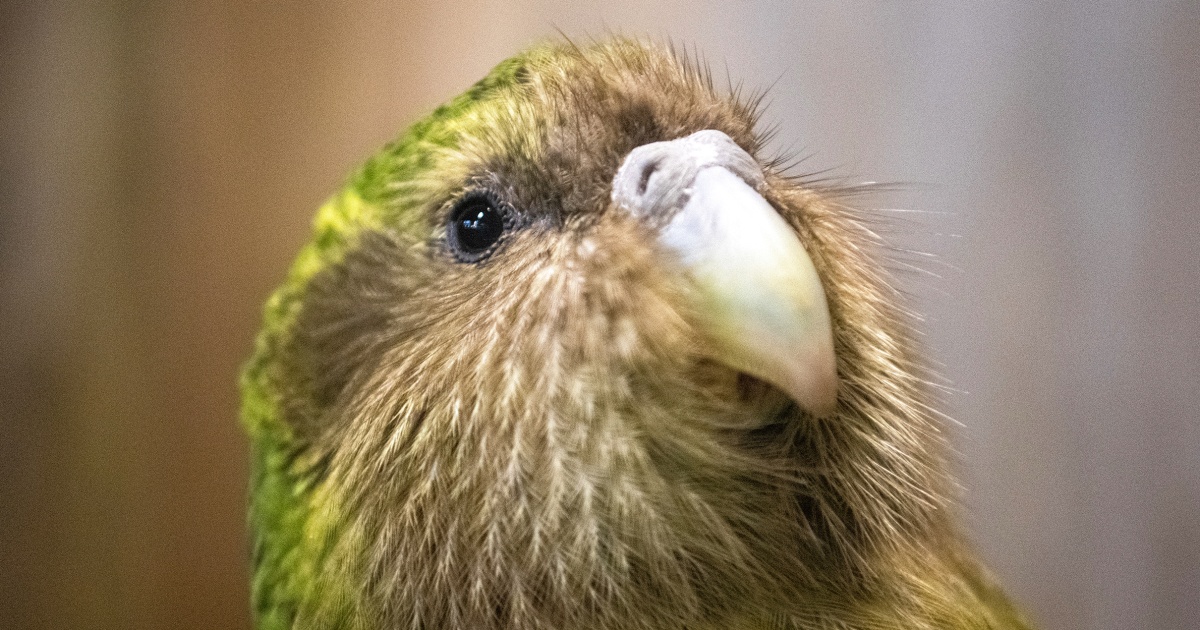
New Zealand's Department of Conservation added 90 kakapo chicks to the official population count on September 1, bringing the total number of the flightless green parrots to 325. It is the first time the species has numbered more than 300 in roughly 75 years.
The chicks were counted only after the youngest surviving one reached 150 days old, the age at which a young kakapo is considered independent enough to be entered on the register. That threshold is why a breeding season that began months ago produced a headline number in September.
"Ninety chicks in a single season is a record," said Deidre Vercoe, who manages the Conservation Department's kakapo recovery operations. "In the early years of recovery, it took 16 years to produce that many chicks." The Kakapo Recovery Programme started in 1995 with 51 known birds, of which only 20 were female — a founding population small enough that inbreeding, infertility and poor hatching success have shadowed every season since.
The kakapo is the heaviest parrot in the world. Males reach about 9 pounds, they cannot fly, they nest on the ground, and they can live 60 to 90 years. That combination worked well on islands with no mammals and disastrously once European settlement brought cats, rats and stoats. Every surviving bird now lives on predator-free offshore islands and wears a radio transmitter backpack so staff can track its movements, weight and breeding attempts.
Breeding is tied to the rimu tree, whose fruit the birds depend on to raise chicks. Rimu masts irregularly, fruiting heavily every two to four years, and kakapo largely do not breed in the intervening seasons. The 2026 boom followed an unusually heavy rimu mast across the sanctuary islands, which is the single variable that most determines whether a given year produces a handful of chicks or dozens.
Conservation models suggest the next breeding season could come as soon as 2028, shorter than the four-year gap that preceded this one. That timing matters more than it might appear: with only a few hundred birds and a narrow genetic base, each mast year is one of a small number of chances to widen the gene pool before the founding generation dies out.
Success brings its own constraint. The predator-free islands that have carried the recovery are running out of room, and the department has been working to establish birds on additional sites and on fenced mainland sanctuaries. A population of 325 is still classified as critically endangered, but it is more than six times the number the programme started with three decades ago.