Giant Sequoias Burned on Purpose Were Nearly Four Times as Likely to Survive California’s Megafires
A UC Davis analysis of 26,400 trees across 19 groves found prescribed burns cut sequoia mortality by 77% in the Castle and KNP Complex fires — and could have saved 3,900 more trees.
Giant sequoias that had been deliberately burned in the decade before California's catastrophic 2020 and 2021 fire seasons were nearly four times as likely to survive them, according to a UC Davis study published Sunday in Nature Communications — the clearest evidence yet that the best protection for the largest trees on Earth is more fire, not less.
The team examined roughly 26,400 giant sequoias across 19 groves and tracked which ones lived and died through the 2020 Castle Fire and the 2021 KNP Complex Fire. Trees in areas treated with prescribed fire in the preceding ten years had roughly 77% lower odds of dying. The researchers estimate that prescribed burning prevented about 1,900 sequoia deaths outright, and that another 3,900 trees would have survived had the treatments been applied across every affected grove.
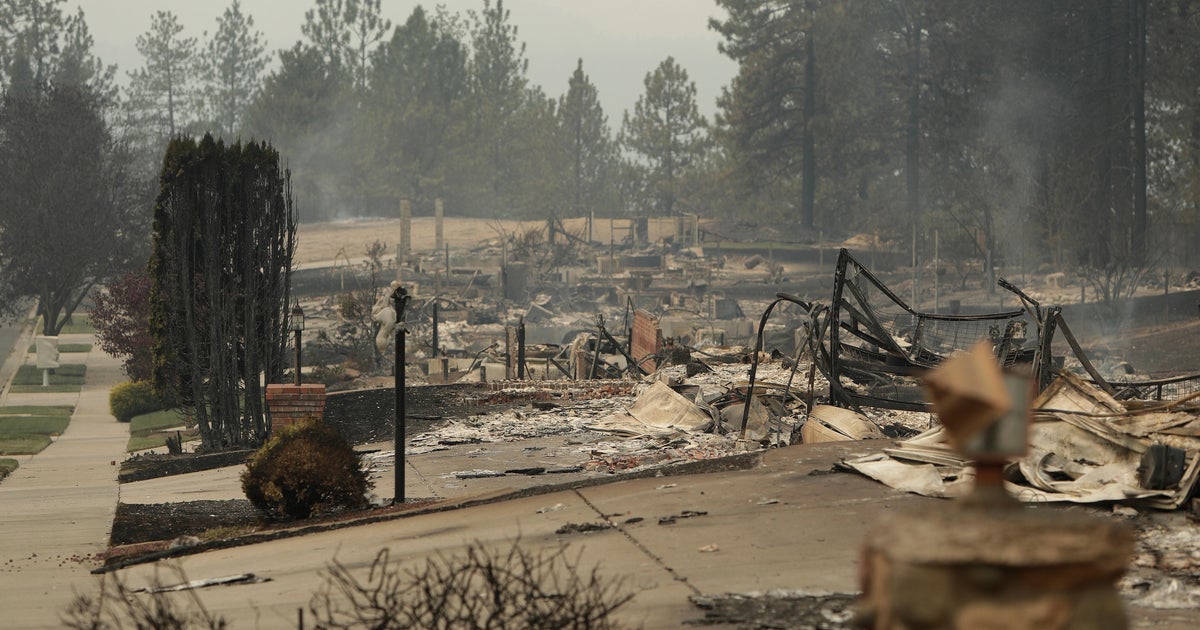
Those two fire seasons were a demographic event without precedent in the recorded history of the species. Between them, the Castle Fire and the KNP Complex are estimated to have killed something on the order of a fifth of all large giant sequoias on the planet — trees that had stood through centuries of fires without difficulty. Sequoias are not fragile in fire; they are built for it, with bark that can exceed two feet in thickness and cones that require heat to open. What changed was not the trees but the fuel around them.
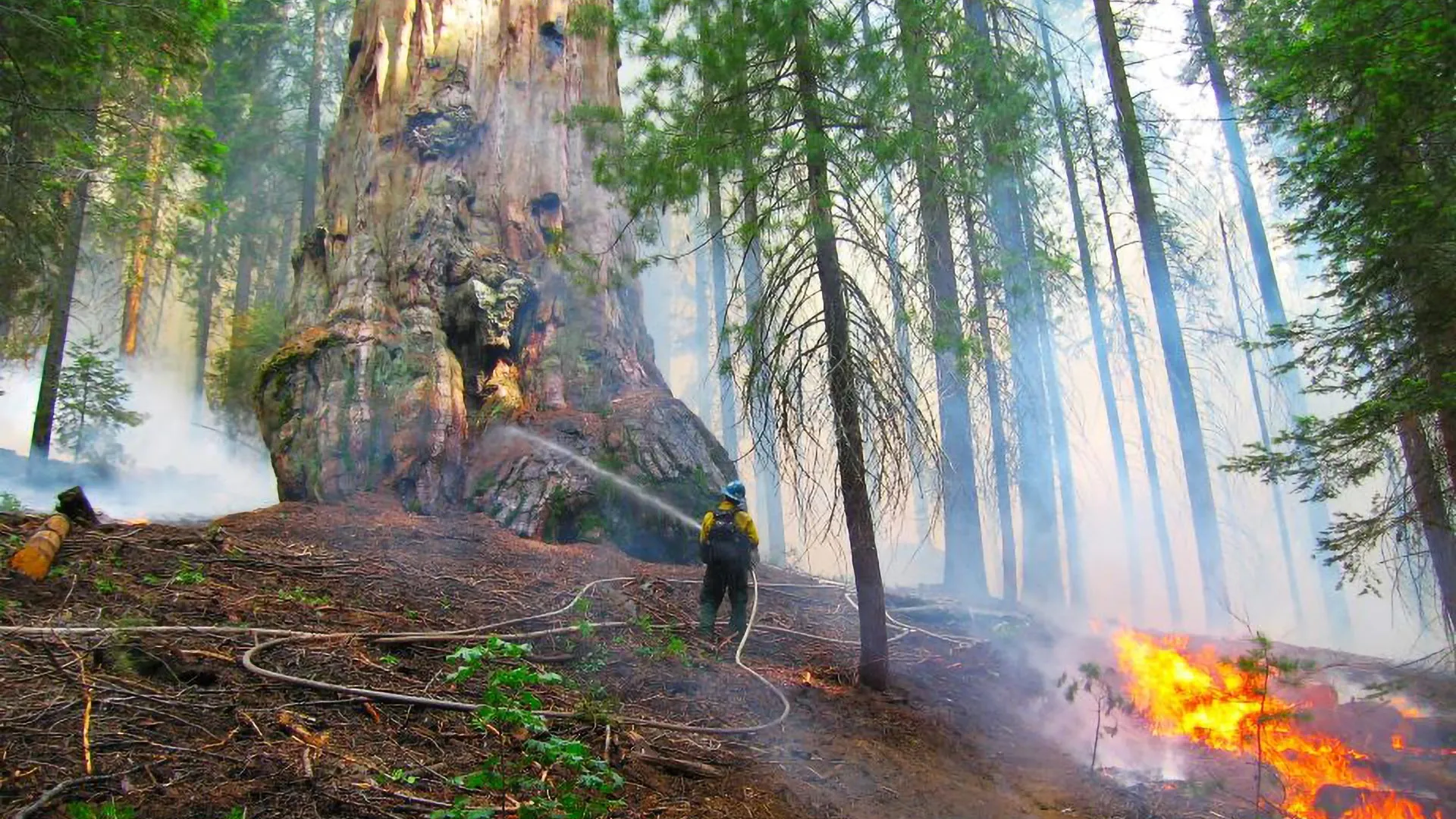
The mechanism is not complicated. A century of aggressive fire suppression let dense understories of white fir and incense cedar grow up beneath the sequoias, along with deep accumulations of needle litter and downed wood. Those thickets act as ladder fuel, carrying flame from the forest floor up into crowns 250 feet overhead — where even two feet of bark is no defense. Prescribed burning removes the ladder before a wildfire can climb it, so when fire eventually arrives it stays on the ground, where sequoias have handled it for three thousand years.
The study was led by Dan Dixon, a postdoctoral researcher at UC Davis, with Professor Yufang Jin as principal investigator. Co-authors included Xiaoli Dong and Andrew Latimer of UC Davis; Adrian Das, David Soderberg and Nathan Stephenson of the U.S. Geological Survey's Western Ecological Research Center; and Anthony Caprio of Sequoia and Kings Canyon National Parks. The work was funded by NASA's Land Cover and Land Use Change Program, the California Strategic Growth Council and the USDA National Institute of Food and Agriculture.
The finding arrives with uncomfortable timing. Prescribed burns are politically difficult, legally exposed and chronically underfunded — a controlled burn that escapes its lines generates headlines and lawsuits, while a grove that burns to the ground because nobody treated it generates neither. The 3,900-tree figure in the paper is essentially a price tag for that asymmetry, expressed in trees that were alive before the last two fire seasons and are not alive now.