Wildfire Forces 44,000 to Flee France's Cap Ferret Peninsula in Land-and-Sea Evacuation
A fast-moving blaze near Bordeaux emptied one of France's most fashionable summer retreats, with hundreds of vacationers ferried to safety by boat as Europe bakes in another heat wave.
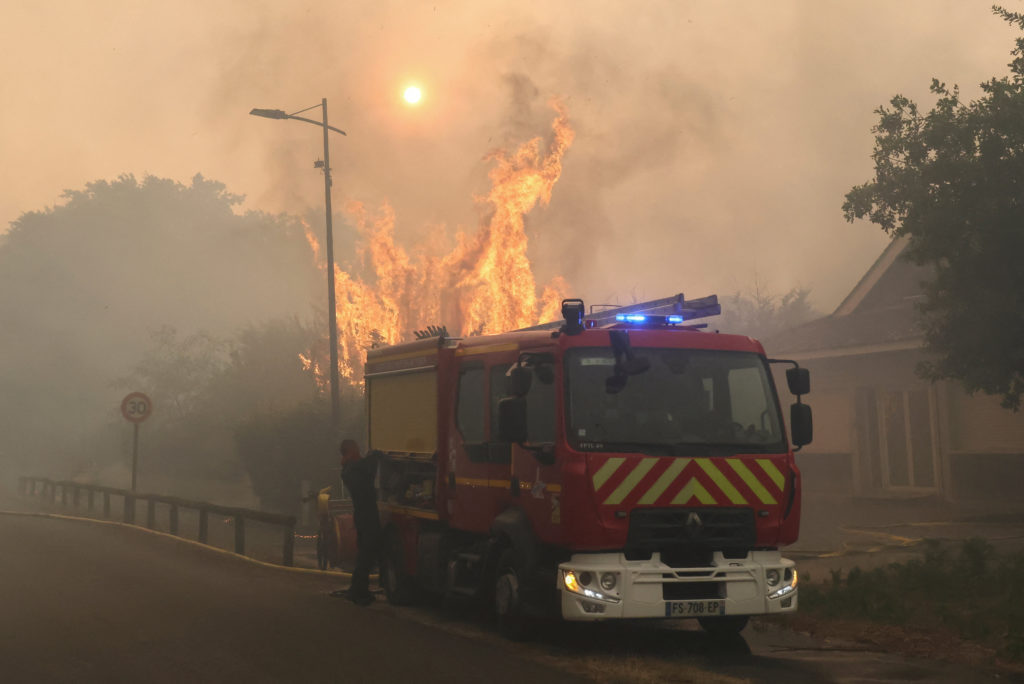
A wildfire tearing through the pine forests of southwestern France forced the evacuation of some 44,000 people over two days this week, emptying the fashionable Cap Ferret peninsula near Bordeaux at the height of the summer holiday season and prompting the first-ever activation of a mass sea rescue plan.
The fire ignited in woodland near the town of Lège-Cap-Ferret, in the Gironde region southwest of Bordeaux, and spread across more than 31 square kilometers — about 12 square miles — driven by high winds and tinder-dry conditions. Authorities said roughly 20,000 people were moved to safety on Thursday alone, adding to earlier evacuations that pushed the two-day total to about 44,000. No injuries were reported.
Sophie Brocas, the prefect of the Gironde, said around 700 firefighters had been deployed, including reinforcements dispatched from the Paris region, backed by water-bombing aircraft. In a striking scene along the Atlantic coast, hundreds of trapped residents and tourists were ferried out by boat — the first time a maritime evacuation plan drawn up after the region's devastating 2022 fires had ever been put into action.
The Cap Ferret peninsula, a slender strip of dunes and oyster ports prized for its understated glamour, is a favored getaway for French celebrities including the actors Marion Cotillard and Jean Dujardin. This week its beaches and pine-shaded villas stood eerily deserted, the usual crowds replaced by convoys of evacuees and the drone of firefighting planes overhead.
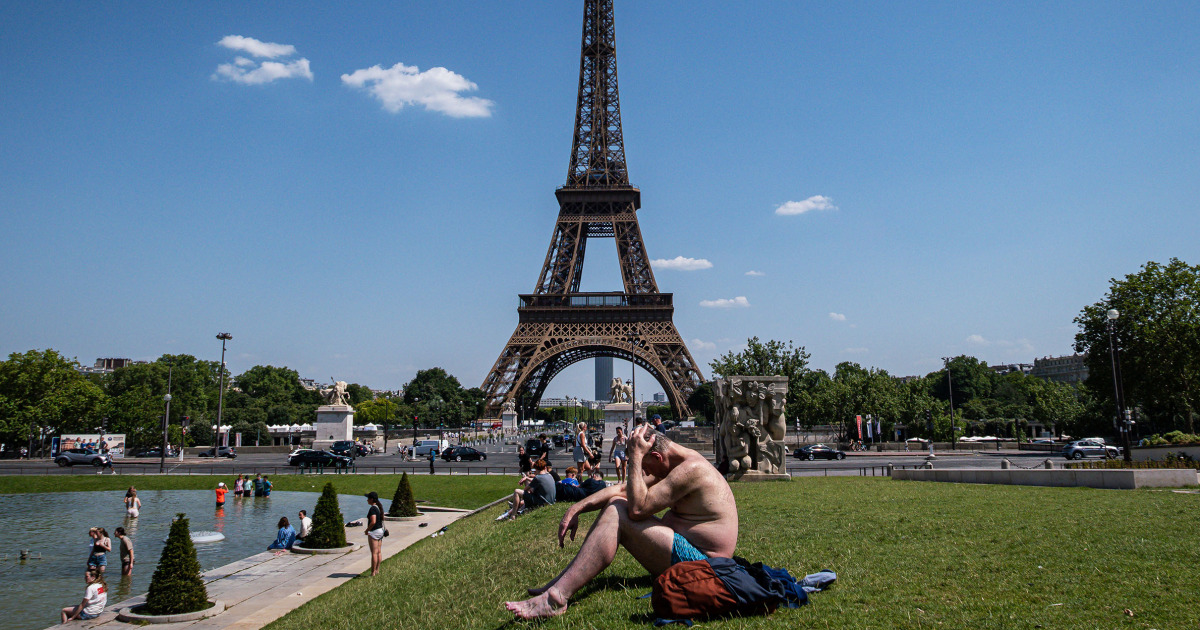
The blaze is the latest in a punishing string of wildfires scorching southern Europe as an intense heat wave grips the continent. Scientists have repeatedly linked the growing frequency and ferocity of such fires to human-caused climate change, which is lengthening fire seasons and priming forests to burn. France has endured a succession of record-hot summers, and the flammable maritime pine plantations around Bordeaux have proven especially vulnerable.
The evacuations dealt a heavy blow to the local tourism economy at the peak of the season, when the peninsula's hotels, campgrounds and oyster shacks depend on August visitors for much of their annual income. Regional officials said they would assess the damage to businesses and the surrounding protected forest once the fire was brought under control, but cautioned that the ecological scars of repeated burns were mounting year after year.
French officials warned that the danger was far from over, with forecasters predicting continued heat and gusty winds that could fan the flames or spark new ignitions. Emergency services urged holidaymakers across the southwest to heed evacuation orders promptly, noting that the speed of this week's fire had left little margin for hesitation.