A Wildfire That Was Eight Hectares on Friday Afternoon Was 9,500 by Saturday Morning
All of Summerland Had to Leave.
More than 20,000 people fled British Columbia's Okanagan Valley overnight as the Bald Range fire crossed toward Highway 97, burning homes in its path.

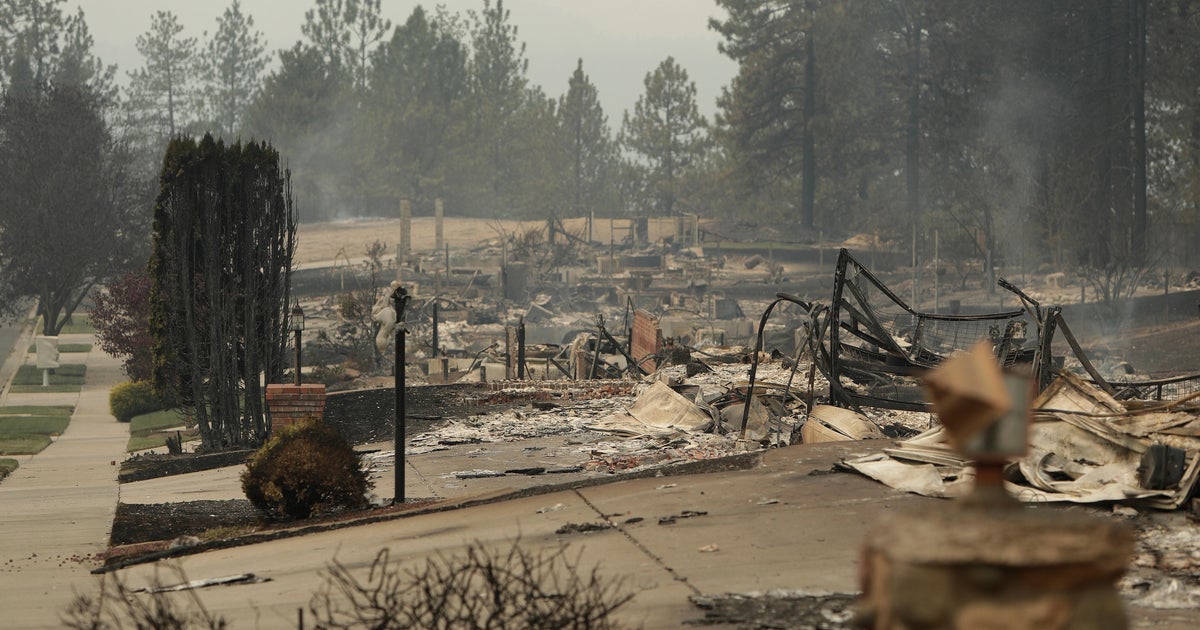
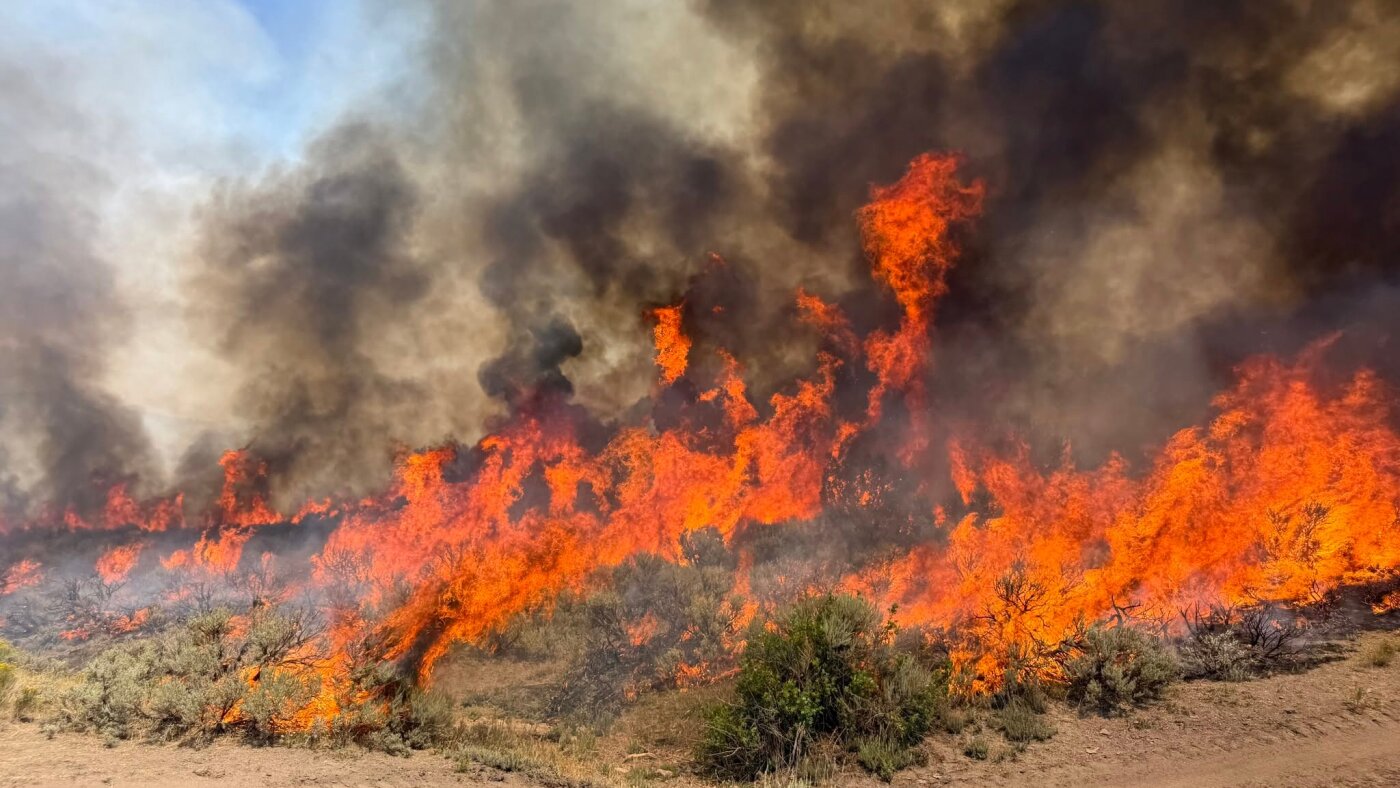
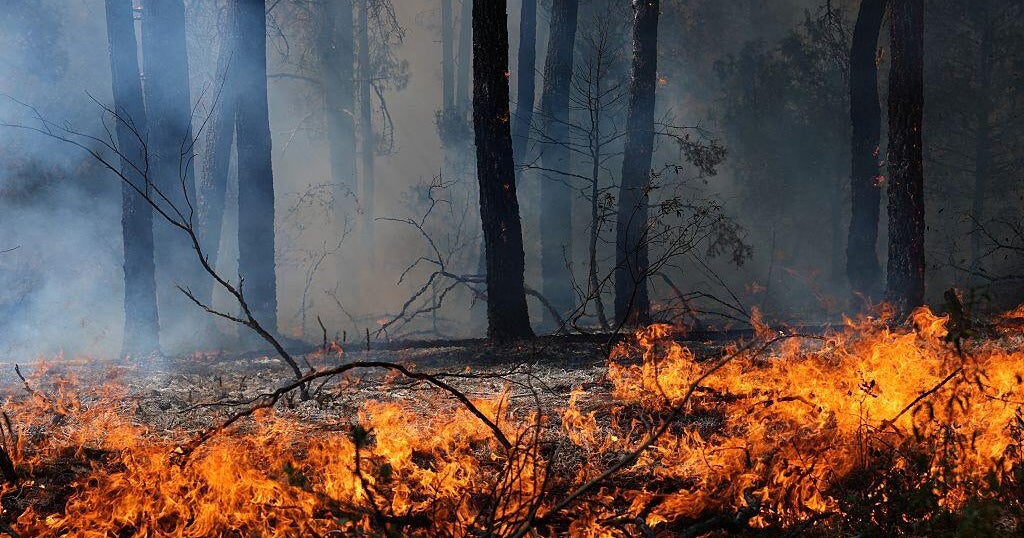
More than 20,000 residents of British Columbia's Okanagan Valley were forced from their homes overnight as the Bald Range wildfire exploded from a small afternoon blaze into a wall of flame that pushed toward Okanagan Lake and burned houses on its way.
The fire was first reported Friday afternoon near Princeton-Summerland Road, roughly 15 kilometres west of Summerland. The BC Wildfire Service watched it grow from eight hectares to 50, then to 400, in a matter of hours. By Friday evening it was estimated at 5,000 hectares. By Saturday morning the estimate had nearly doubled again, to 9,500 hectares.
Just after midnight on Saturday, the entire District of Summerland — a community of more than 12,000 people — was placed under an evacuation order. About an hour later, orders expanded into Peachland and the surrounding electoral area, covering properties on Brenda Mine Road and in the Renfrew and Upper Princeton areas, adding roughly 8,000 more people to the total. Both communities sit on the western shore of Okanagan Lake in the B.C. Interior.
The BC Wildfire Service classified the blaze as exhibiting rank 5 behaviour — an organized flame front with a fast rate of spread and moderate to long-range spotting, meaning embers are being thrown far enough ahead of the fire to start new ones. Gusty winds and very dry fuels drove the growth. Highway 97, the main north-south corridor through the valley, was closed in both directions between Peachland and the Pyramid Picnic Area at Kickininee Provincial Park just south of Summerland, cutting the most direct route between the evacuating communities and severing a major provincial artery.
Evacuation orders in the Okanagan are complicated by geography. The valley's communities are strung along a narrow shelf between steep, timbered slopes and the lake, with limited road capacity and few alternate routes — which is why an order issued after midnight for an entire municipality is such an unusual and serious step. Reception centres were opened for evacuees, and residents under alert in adjacent areas were told to be ready to leave on short notice.
The fire arrives in a province that has spent the summer under strain. Fires across western North America have run hot and fast in August, and B.C. has been fighting multiple significant blazes simultaneously, with authorities separately investigating whether some of this season's fires were deliberately set. The Okanagan has a hard institutional memory of this scenario: in 2023 the McDougall Creek fire crossed into West Kelowna and Kelowna, destroying scores of structures and forcing tens of thousands from their homes in a single night. Crews working the Bald Range fire face the same combination that made that event so destructive — extreme drought-cured fuels, wind-driven spotting, and a dense residential fringe pressed right up against the forest.