Nearly 100 Large Fires Are Burning at Once. Utah's Biggest Has Taken 118,000 Acres and Two Pilots
More than 30,000 firefighters are spread across 94 large blazes from Washington to Colorado, and three people working the fire lines have died since Friday.
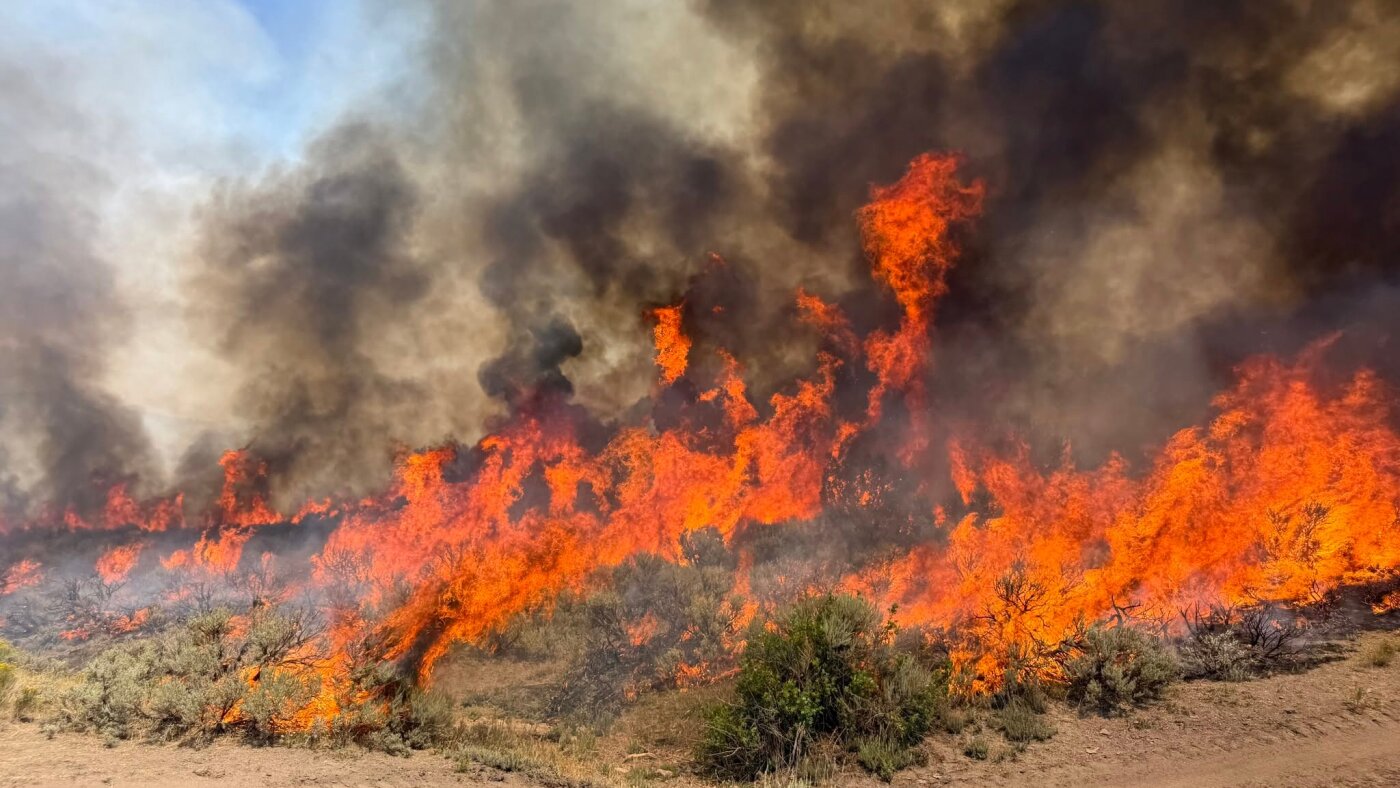
The American firefighting system is being pulled in nearly a hundred directions at once. The National Interagency Fire Center reported Sunday that crews were working more than 94 large fires across the country, with 183 new starts — eight of them large — logged since Saturday alone. More than 30,000 personnel and over 640 crews were assigned to the fires, and the agency is holding the country at national preparedness level 5, the top of its five-step scale, a designation that means federal resources are effectively committed and incident commanders are competing for the same engines, aircraft and hand crews.
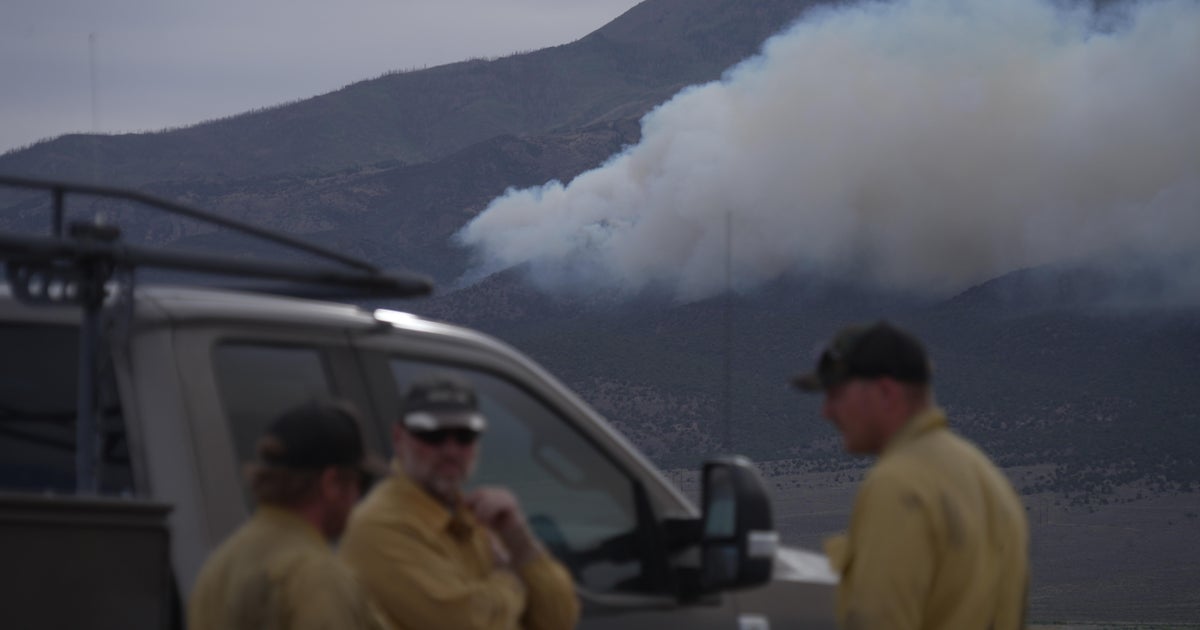
Three people working those fire lines have died since Friday. Two pilots were killed when their helicopter crashed while fighting the Widemouth 2 Fire in Utah's Fishlake National Forest, the U.S. Forest Service confirmed Sunday. Utah Gov. Spencer Cox mourned them in a social media post: "They put themselves in harm's way to protect our state and gave their lives in that service." In Oregon, a bulldozer operator identified by officials as Jason Ensign died battling the Wrights Spring Fire, which had spread across more than 33,000 acres and was 0% contained as of Sunday afternoon.
The Widemouth 2 Fire has now burned more than 118,000 acres, making it the largest fire in Utah this year — it passed the Babylon Fire, which has consumed more than 107,000 acres. Widemouth 2 was 27% contained as of Sunday morning. Statewide, close to a dozen active fires have scorched more than 300,000 acres. Closer to Salt Lake City, the Rocky Canyon Fire grew past 2,800 acres after starting Friday and was still 0% contained on Sunday, forcing evacuations in Morgan County about 30 miles northeast of the capital. The Fishlake National Forest put the season in one blunt line: "An abnormally dry and warm winter has led to an extremely difficult fire season."
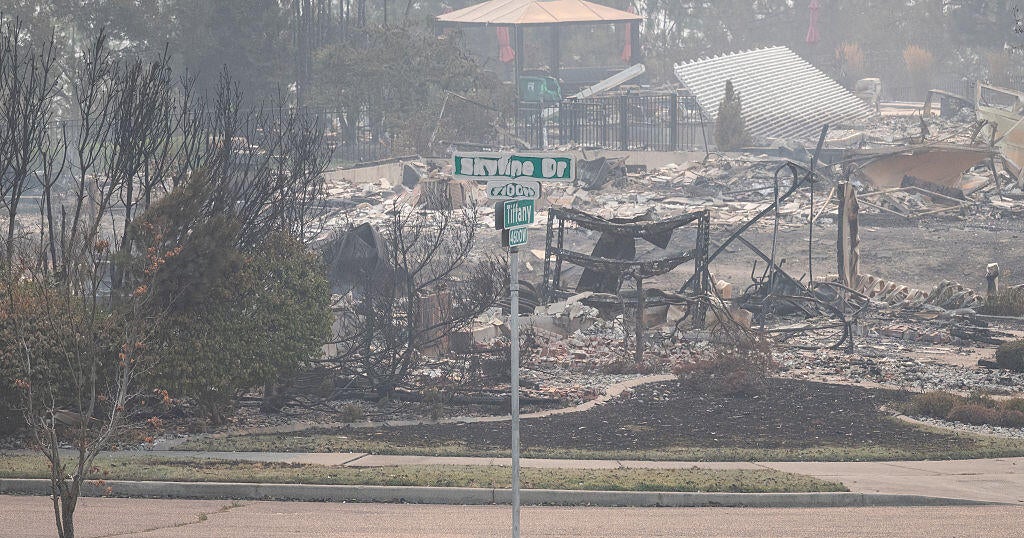
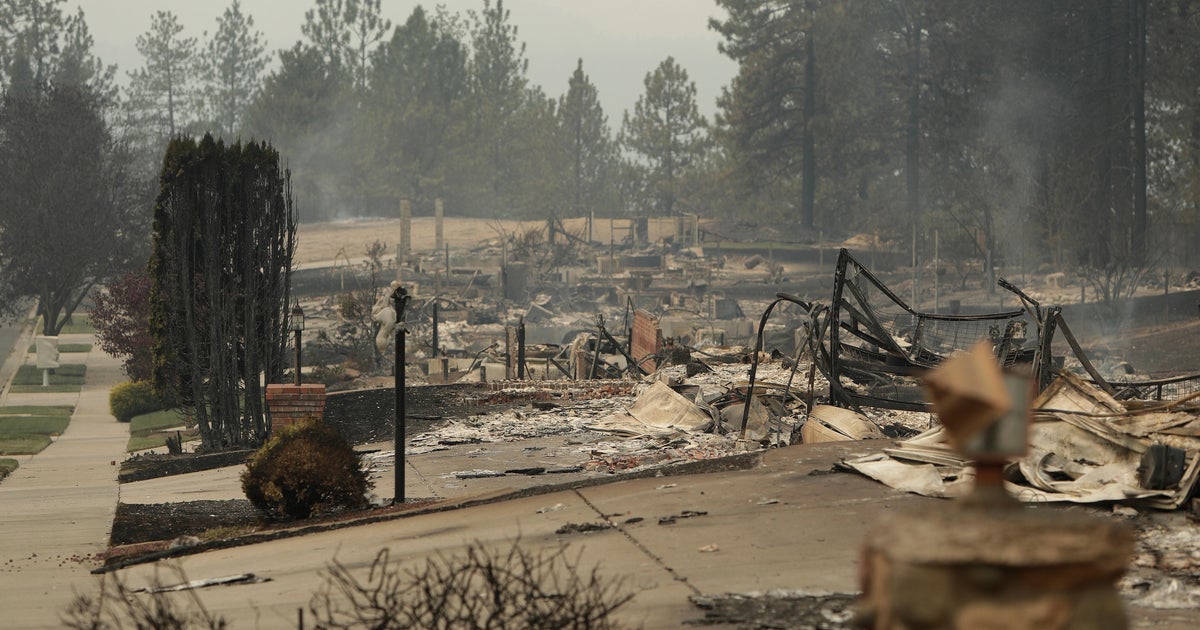
The largest evacuation is in eastern Washington. At least 60,000 people have been ordered out around Spokane, where several fires have burned more than 10,000 acres inside and around a metropolitan area. Local fire officials said Sunday that "crews made exceptional progress" and were working to ensure there are "no remaining heat sources posing threats." Large fires are also burning in Idaho, Montana and Colorado, and evacuation orders remain in effect across wide stretches of the interior West as hot, dry air keeps sitting over the region.
The emergency does not stop at the border. British Columbia has more than 100 active wildfires and has declared a provincial state of emergency, with the Bald Range fire alone pushing more than 20,000 people out of their homes. The British Columbia Wildfire Service warned Sunday that conditions were about to get worse before they got better: "We are expecting a high potential for lightning-caused wildfire starts, particularly in the central Interior and the Okanagan which are receiving limited precipitation and dry lightning. New ignitions occurring during periods of hot and dry weather can establish and spread quickly." Premier David Eby said the province was focused "on ensuring that emergency crews have the tools they need to protect people."