More Than a Million People Were Moved Before Typhoon Dolphin Landed. Wenzhou Alone Emptied 900,000 Homes
The most powerful tropical cyclone to hit China this year came ashore in Zhejiang with Category 1-equivalent winds. Shanghai grounded about 1,400 flights and forecasters warned of up to 20 inches of rain inland.
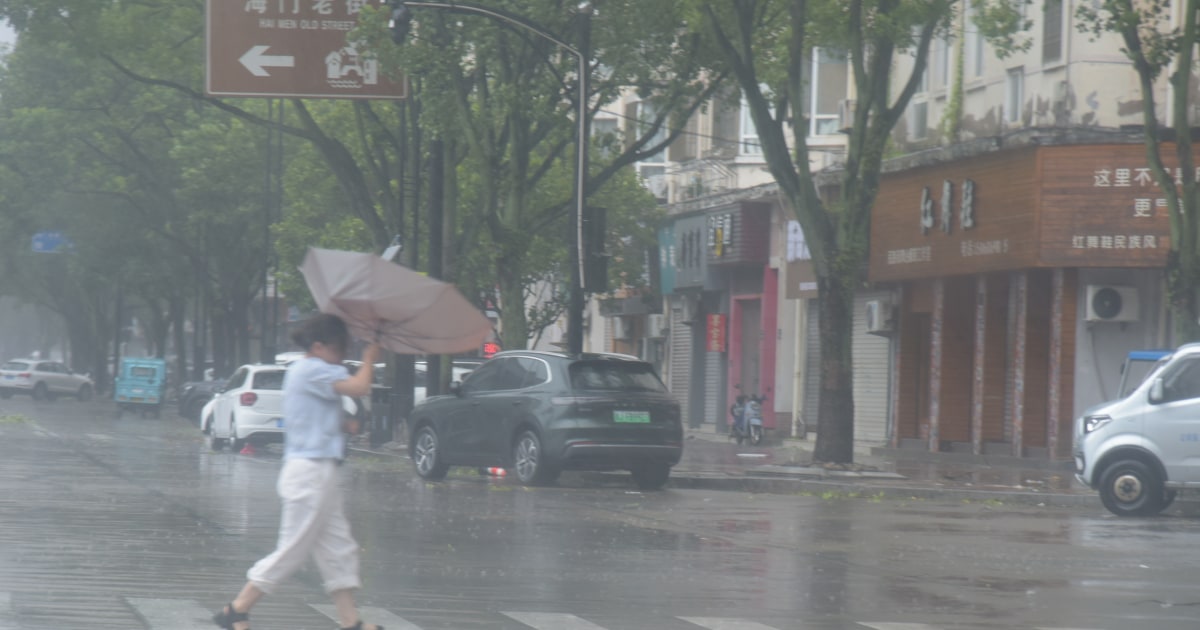
Typhoon Dolphin came ashore near Yuhuan, on the coast of eastern Zhejiang province, at about 5:30 p.m. Sunday, carrying maximum sustained winds of 42 meters per second near its center — roughly 151 kilometers per hour, or 93 miles per hour. China's meteorological authorities rated it the most powerful tropical cyclone to strike the country this year, the rough equivalent of a Category 1 hurricane at the moment of landfall.
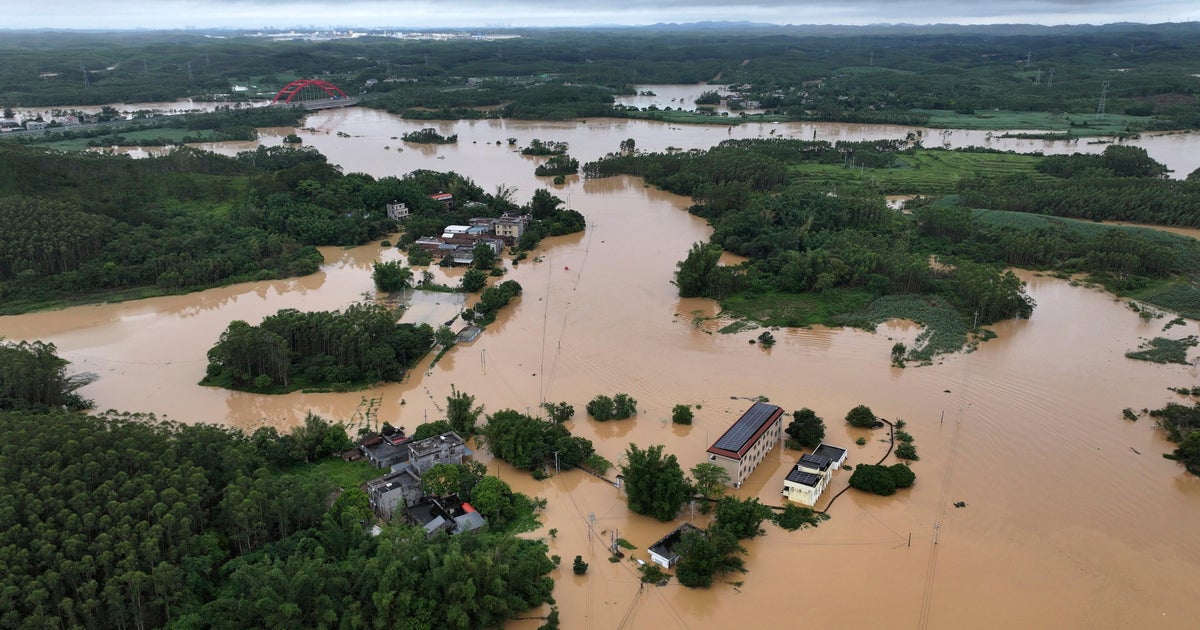
The scale of the response was measured in people rather than in property. More than one million residents were moved out of the storm's path before it arrived. In Wenzhou, the Zhejiang port city sitting almost directly in Dolphin's line, officials relocated more than 900,000 people and opened over 1,000 emergency shelters. Shanghai, further up the coast, evacuated at least 30,300 residents from low-lying districts, coastal work sites and older housing stock judged unable to take sustained wind.
Air travel stopped almost entirely. Shanghai canceled roughly 1,400 flights across its airports, and about 40 percent of the city's scheduled traffic was grounded on Monday as the storm's outer bands swept through. Rail services along the eastern corridor were suspended, ports shut their container operations, and fishing fleets were ordered back to harbor a full day before the eye reached land.
The greater danger was never the wind. Forecasters warned that parts of central and eastern Zhejiang could take 250 to 500 millimeters of rain — 10 to 20 inches — as Dolphin slowed and turned inland, a pattern that converts a survivable coastal storm into a prolonged flooding and landslide event across densely populated river valleys. Chinese authorities issued warnings for both hazards as the system tracked west, away from the coast and into interior provinces where the ground was already saturated.
Dolphin's landfall intensity understates what it did to the region. Storms in this class rarely kill through wind speed in China's eastern provinces, where building codes on the coast are written for typhoons; they kill through water, in the hours and days after the headline winds have collapsed. That is why the evacuation numbers ran so far ahead of the meteorology, and why Wenzhou's shelters were opened at a scale — more than a thousand of them — that would look excessive against a Category 1 hurricane anywhere in the Atlantic.
The storm arrived in a summer already defined by weather extremes across the Northern Hemisphere. For China, the immediate accounting will come in the interior: how much of the forecast rainfall actually fell, how many hillsides gave way, and how quickly the more than one million evacuated residents can be returned to homes that in many cases sat directly in the flood path. The evacuation itself, executed before landfall rather than after it, is the reason that accounting is likely to be shorter than it might have been.