Hawaii Dam Faces 'Imminent' Failure Risk as Catastrophic Flooding Triggers Mass Evacuation on Oahu
A second powerful Kona storm in a week dumps two months of rain on northern Oahu in 24 hours, forcing evacuations near the 1906-era Wahiawa Dam while thousands remain stranded and the National Guard is deployed.
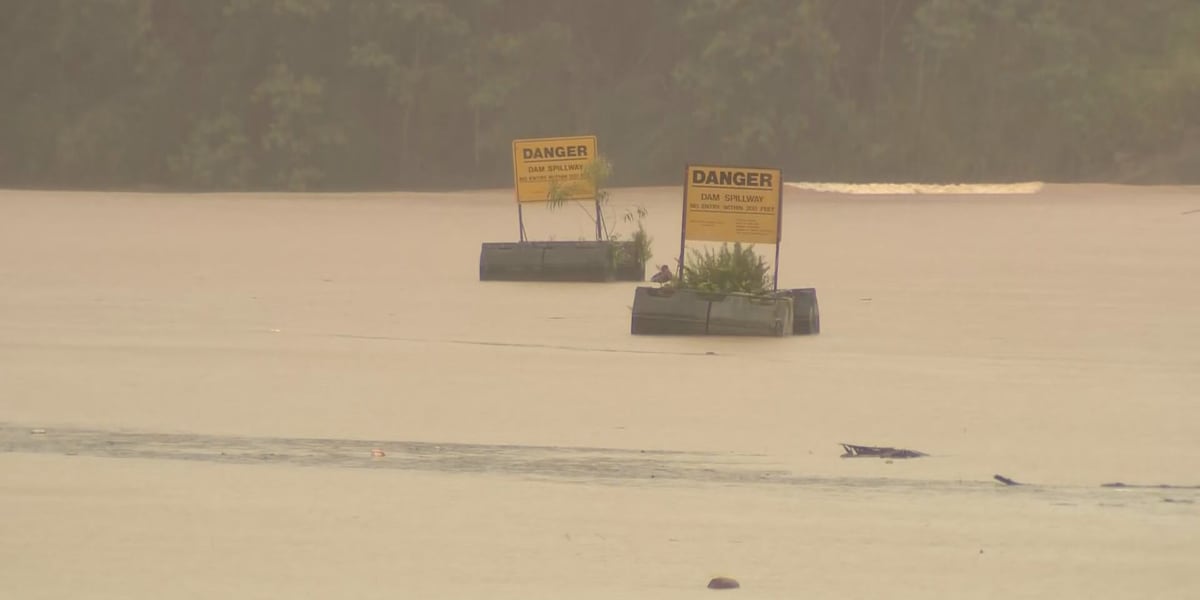
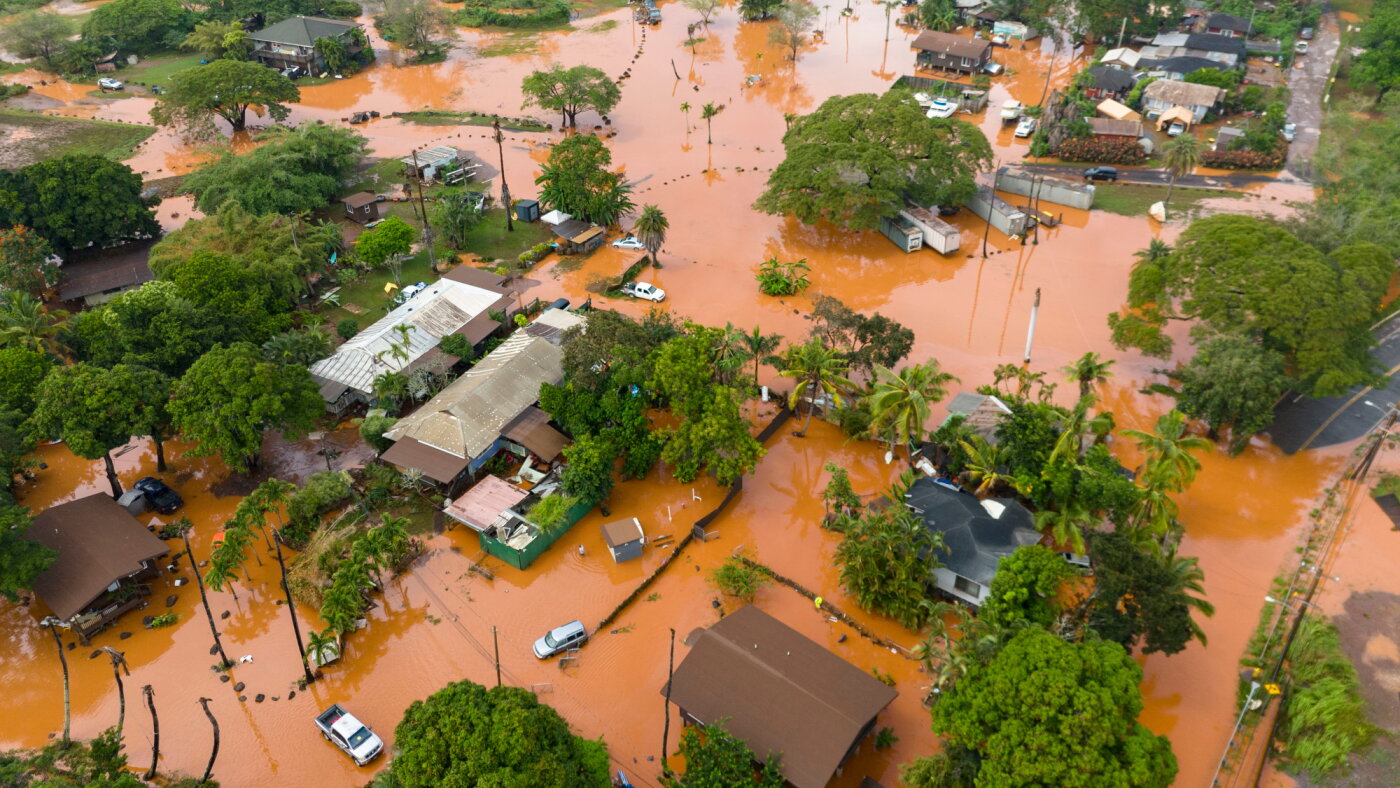
Thousands of residents on Hawaii's Oahu island were ordered to evacuate Friday after state emergency officials warned that the Wahiawa Dam "may collapse or breach at any time," as a second powerful Kona storm in a week hammered the island with rainfall totaling two to three months' worth of precipitation in a single day. The alert, issued by the Oahu Department of Emergency Management at approximately 5 a.m. local time, triggered mandatory evacuation orders for communities in the Waialua and Haleiwa areas of Oahu's North Shore, where between 4,000 and 5,000 people live in the dam's potential inundation zone.
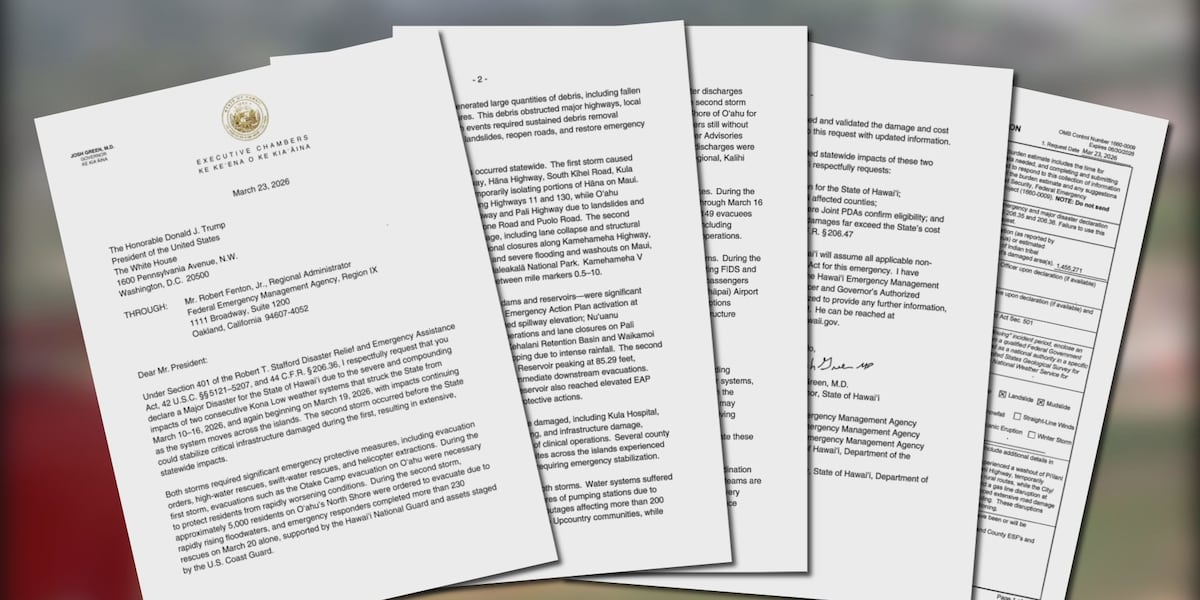
Authorities said the Wahiawa Dam, which holds water in the Kaukonahua Stream drainage basin on Oahu's central plateau, was showing signs of overtopping as upstream terrain — already saturated from the prior week's flooding — shed water faster than the earthen structure's spillway could discharge it. Emergency responders rescued 70 people who had been surrounded by rising water at a North Shore campsite, deploying helicopters and watercraft as roads washed out across the island. Governor Josh Green activated the Hawaii National Guard and issued an emergency proclamation authorizing federal disaster assistance applications for affected counties.
The storm bringing the latest chaos is a Kona low — a type of cyclonic system that forms near the Hawaiian Islands and draws unusually moist tropical air over already-elevated terrain, generating intense orographic rainfall. The first Kona low last week dumped more than 15 inches of rain across all Hawaiian islands; Maui's higher elevations recorded more than two feet in a single event, and the flooding destroyed at least one home and a condo building in Lahaina — still recovering from the catastrophic 2023 wildfire that killed 102 people and burned most of the historic town. Governor Green extended the disaster relief period from the first storm through April 13; state officials have projected damages of at least $24 million and rising from the combined events.
The Federal Emergency Management Agency dispatched urban search-and-rescue teams and pre-positioned relief supplies at Pearl Harbor Naval Station in anticipation of additional rescues as the storm tracked toward Oahu through Friday afternoon. The National Weather Service issued a Flash Flood Emergency — its highest-level warning — for northern Oahu, warning that conditions were "life-threatening and extremely dangerous" and urging anyone in low-lying areas to move to upper floors or rooftops rather than attempt to drive through floodwaters. CNN meteorologists described the rainfall totals as "astronomical," noting that some ridgeline weather stations on Oahu's Ko'olau Range recorded more than 24 inches in 24 hours — a pace that would exceed annual average rainfall in many major US cities.
Beyond the immediate danger, the flooding has exposed deep structural vulnerabilities in Hawaii's aging water infrastructure. State engineers say the Wahiawa Dam, built in 1906, was originally designed for irrigation storage and was not engineered to contemporary flood-control standards. The dam passed inspections in 2022, but critics note that the inspection criteria predate the intensification of precipitation events now being documented across the Pacific. Climate scientists at the University of Hawaii have linked the increased frequency and intensity of Kona lows to warming sea surface temperatures in the central Pacific, which provide more moisture energy for the systems as they develop. Hawaii has experienced five flood events with damages exceeding $10 million in the past three years — more than in any comparable period in the state's recorded history. As the rain continued Friday, state officials said the dam had not yet failed but remained in a "critical condition" that could change within hours.