The Supervolcano That Produced the Holocene's Biggest Eruption Is Refilling With Fresh Magma, and It's Not the Same Magma
Kobe University researchers bounced seismic waves through the seafloor beneath Japan's Kikai caldera and found a magma reservoir sitting in exactly the chamber that emptied 7,300 years ago — supplied by a new source.
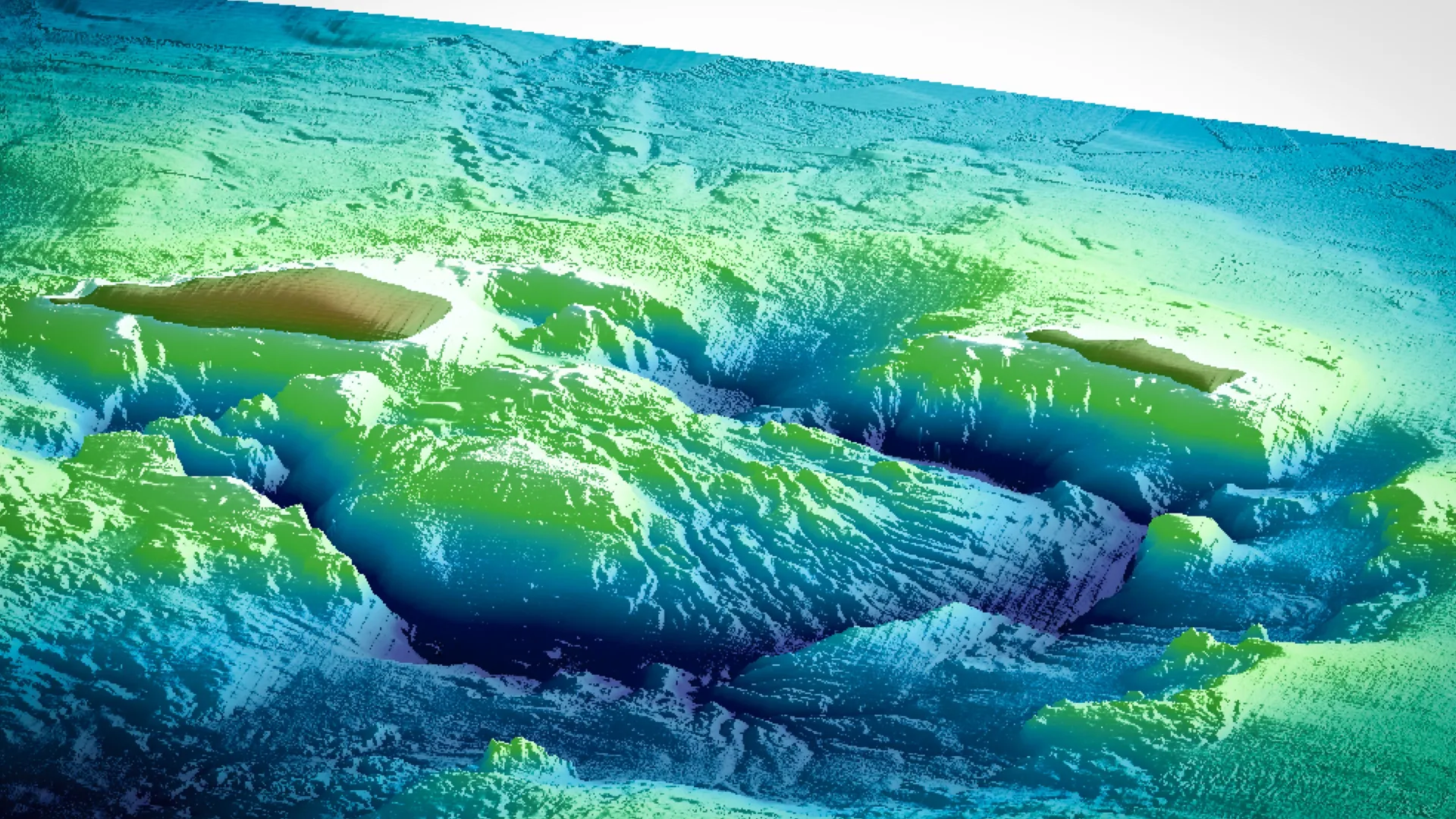
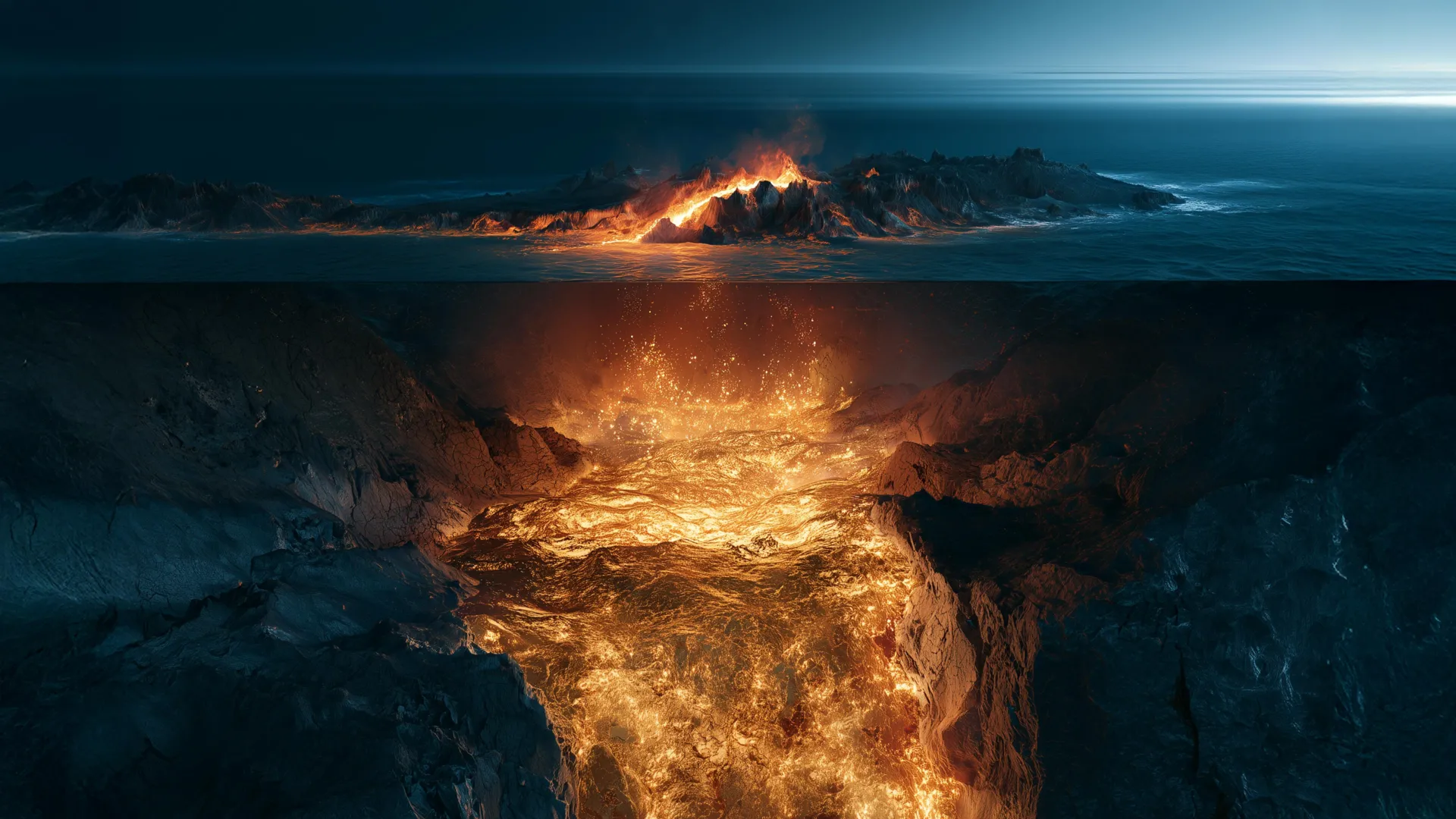
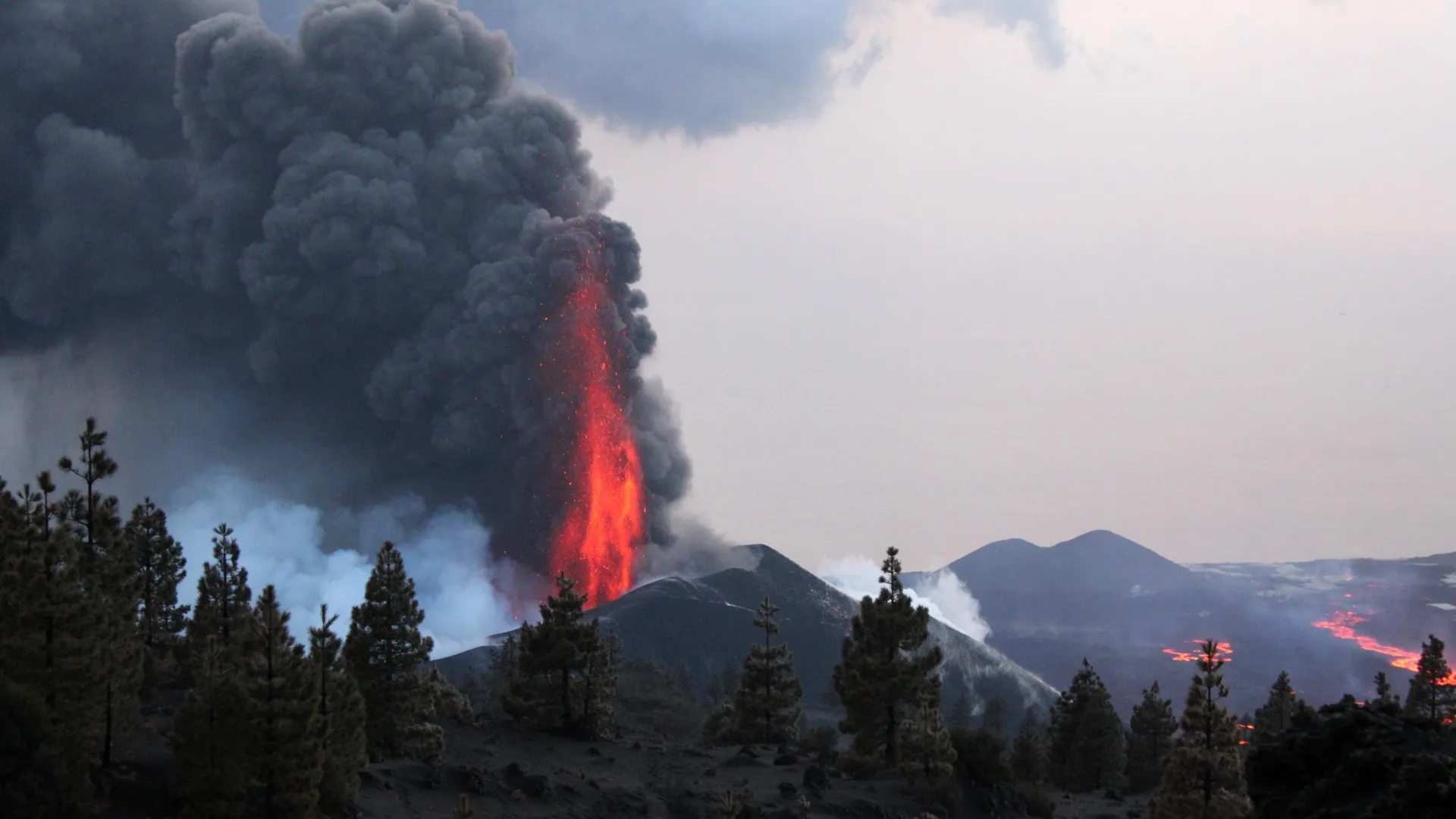
About 7,300 years ago, a mostly submerged volcano south of Japan produced the largest eruption of the Holocene — the geological epoch that began roughly 11,700 years ago and that we are still living in. Researchers at Kobe University have now imaged what lies beneath the Kikai caldera today, and they found a large body of magma sitting in the same chamber that emptied during that catastrophe.
Calderas form when an eruption drains so much magma that the ground above the reservoir collapses inward. Instead of a cone-shaped mountain, the result is a broad, shallow depression. The volumes involved are hard to picture: the magma released at Kikai would have covered all of New York's Central Park to a depth of 12 kilometers. Kikai, Yellowstone and Indonesia's Toba are the archetypal examples of these systems. Scientists know such volcanoes can erupt more than once, but the process by which they reaccumulate enough magma to do it again has remained poorly understood, which is precisely what makes forecasting their behavior so hard. "We must understand how such large quantities of magma can accumulate to understand how giant caldera eruptions occur," said Kobe University geophysicist Nobukazu Seama.
Kikai's underwater setting, which might look like an obstacle, turned out to be an advantage. "The underwater location allows us to implement systematic, large-scale surveys," Seama said. Working with the Japan Agency for Marine-Earth Science and Technology, the team used airgun arrays to generate controlled seismic pulses and laid seismometers on the ocean floor to record how those waves traveled through the crust. Seismic waves change speed and bend as they pass through different materials, so the pattern of arrivals can be inverted into an image of what lies below — including regions of partially molten rock.
The results, published in Communications Earth & Environment, revealed a substantial magma-rich region directly beneath the section of Kikai responsible for the ancient eruption. The team was able to estimate the reservoir's shape and extent, and its position left little ambiguity. "Due to its extent and location, it is clear that this is in fact the same magma reservoir as in the previous eruption," Seama said.
That does not mean the magma has simply been sitting there for seven millennia. A lava dome has been building near the center of the caldera for about 3,900 years — thick magma piling up around a vent rather than flowing away — and chemical analysis of material from that dome and from other recent activity shows it differs from what erupted 7,300 years ago. "This means that the magma that is now present in the magma reservoir under the lava dome is likely newly injected magma," Seama said. The new material appears to be arriving from deep sources in the Philippine Sea Plate subduction zone, at an average reinjection rate of roughly 8.2 cubic kilometers per millennium.
The finding supports a general model in which fresh magma gradually rebuilds reservoirs beneath giant calderas after major eruptions. That matters well beyond Japan: if recharge leaves a detectable signature at Kikai, the same signature may be readable at Yellowstone and Toba, giving scientists something concrete to watch for.