Yellowstone Wolves May Not Have Reshaped the National Park After All
New analysis challenges famous trophic cascade study, finding no evidence for dramatic park-wide surge in willow growth following wolf recovery.
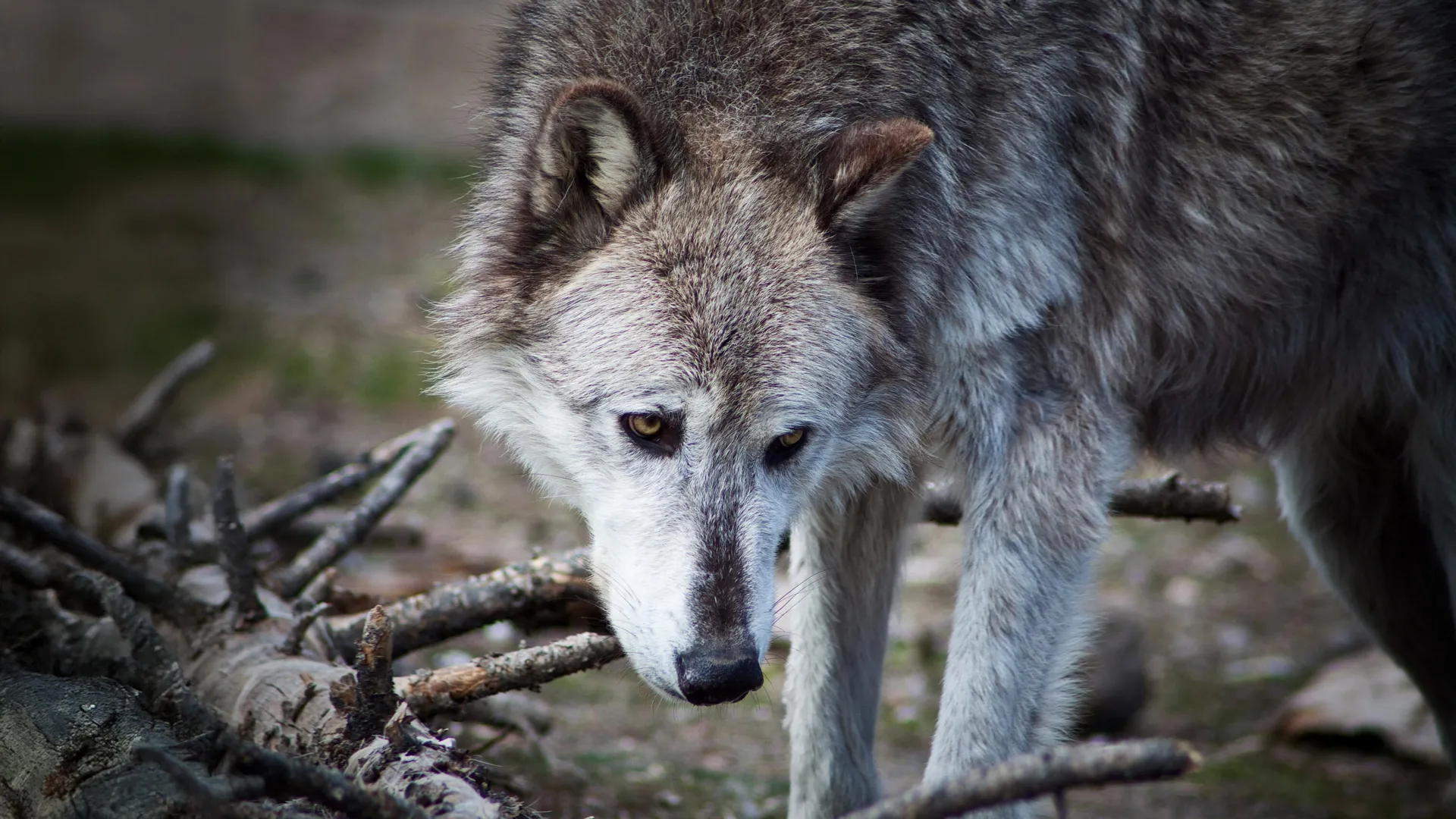
One of the most celebrated ecological stories about Yellowstone National Park is facing major scientific scrutiny, as researchers challenge claims that wolves dramatically reshaped the ecosystem following their reintroduction. A new peer-reviewed analysis published in Global Ecology and Conservation argues that a high-profile 2025 study significantly overstated the ecological impact of wolf recovery, using flawed methods that led to exaggerated conclusions about the predators' influence on the park's vegetation and wildlife.
The controversy centers on claims that willow crown volume increased by 1,500 percent following wolf recovery—a statistic that became central to narratives about trophic cascades, where predators indirectly affect plant communities by controlling herbivore populations. However, researchers from Utah State University and Colorado State University found that this dramatic figure was derived from a statistical model that used plant height to both calculate willow volume and predict it, creating what they describe as circular reasoning that could produce strong results regardless of actual biological changes.
"Because height was used both to compute and to predict volume," explained Dr. Daniel MacNulty, lead author of the new analysis and a wildlife ecologist at Utah State University, "the relationship is circular—mathematically guaranteed to look strong even if no biological change occurred." The researchers identified several other methodological concerns, including the application of height-to-volume models to heavily browsed willows with unusual growth forms, even though the models weren't designed for such distorted shapes.
The analysis also revealed that many willow plots compared between 2001 and 2020 were not the same locations, meaning apparent changes over time may partly reflect differences in sampling rather than actual ecological shifts. Additionally, the researchers argue that comparisons with trophic cascades worldwide relied on equilibrium assumptions inappropriate for Yellowstone's still-recovering, non-equilibrium ecosystem, while selective use of photographs and omission of factors like human hunting made it difficult to determine what truly drove vegetation changes.
After accounting for these methodological issues, the researchers conclude that available evidence does not support claims of dramatic, park-wide increases in willow growth following wolf recovery. "Once these problems are accounted for, there is no evidence that predator recovery caused a large or system-wide increase in willow growth," said Dr. David Cooper, co-author of the study. The findings suggest that wolf impacts, while still ecologically meaningful, appear smaller and more variable across different locations than previously claimed.