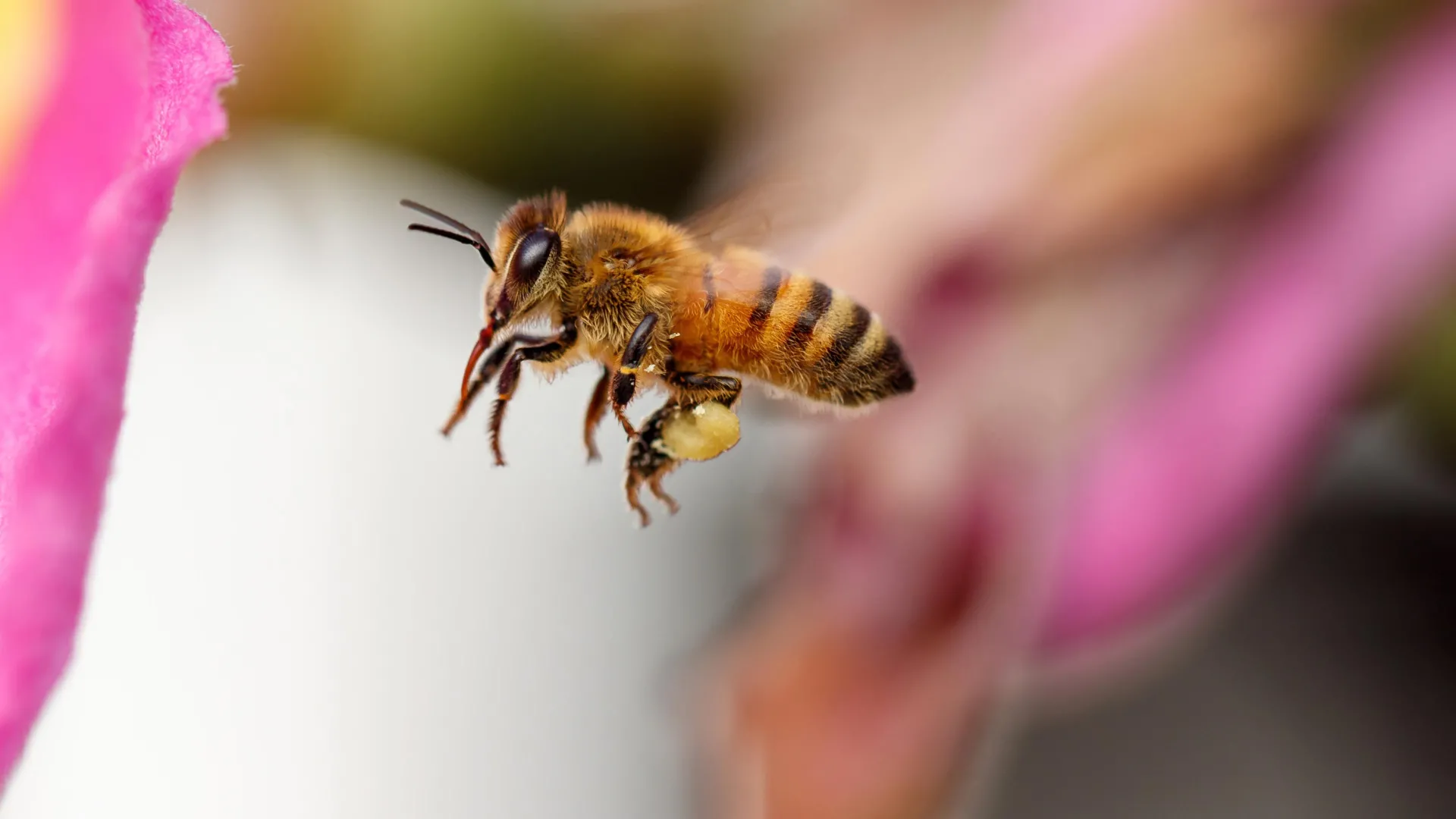
5.5 Million Bees Were Living Beneath a New York Cemetery — One of the Largest Colonies Ever Found
A Cornell researcher's walk through an Ithaca graveyard uncovered a sprawling underground 'city' of solitary mining bees that may have thrived in the sandy soil for more than a century.
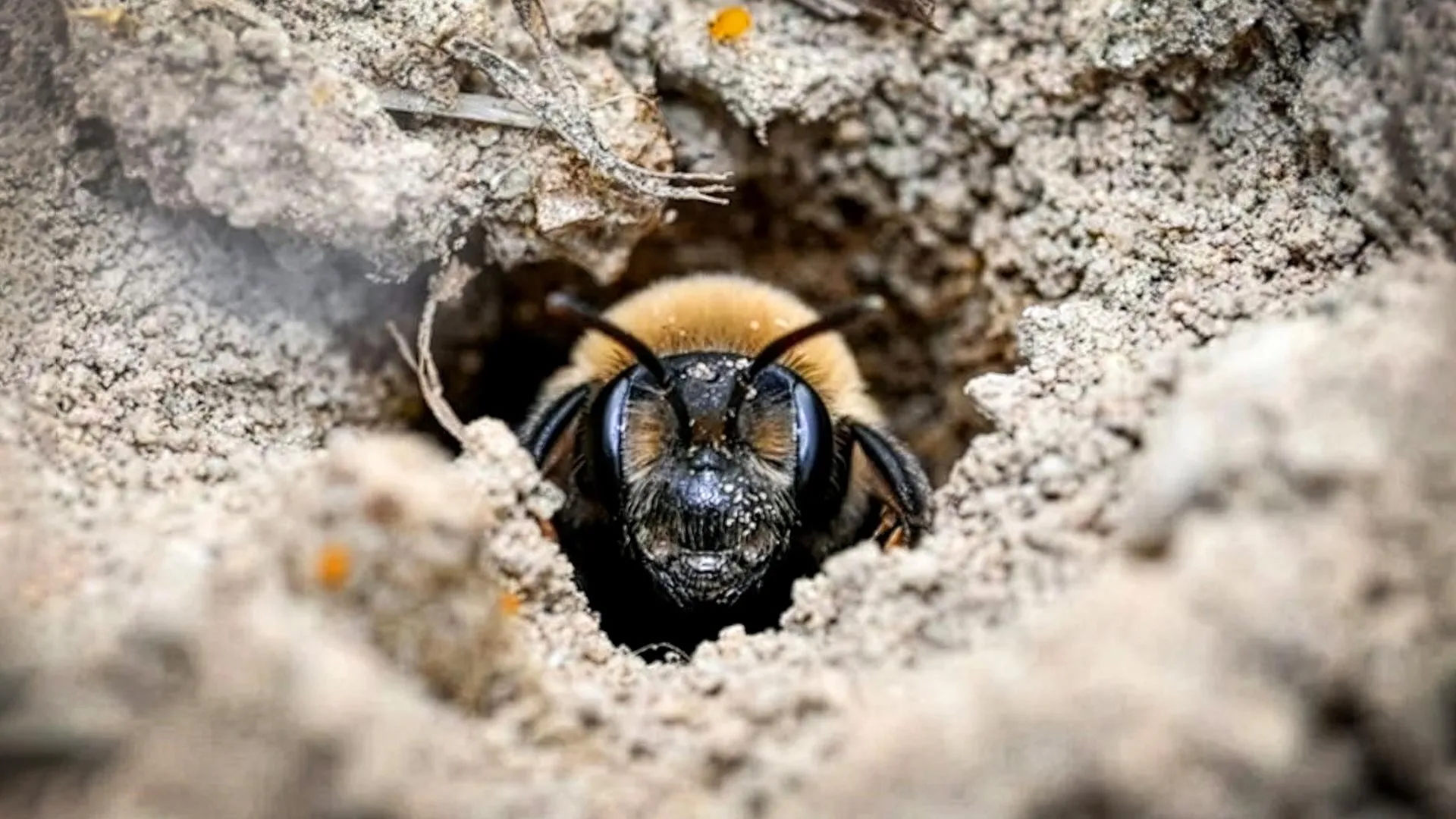
A routine walk through a cemetery in Ithaca, New York, has led scientists to one of the largest concentrations of wild bees ever documented — an estimated 5.5 million of them, nesting in the soil beneath the headstones.
The discovery began in the spring of 2022, when Rachel Fordyce, who used to cut through East Lawn Cemetery on her way to a Cornell University entomology lab, noticed bees seemingly everywhere during one walk. She scooped a few into a jar and brought them to her supervisor, Bryan Danforth, a professor of entomology at Cornell. What followed was a careful survey that revealed the astonishing scale of the colony hidden underfoot.
The insects were identified as Andrena regularis, commonly known as the regular mining bee — a wild, solitary, ground-nesting species native to the region and active for only a few weeks each spring. Despite the term "solitary," the bees aggregate in enormous numbers where conditions are right, each female digging her own burrow but clustering alongside millions of neighbors. Scientists believe this may be one of the largest such aggregations ever recorded, a finding all the more remarkable because it had gone undetected for so long in a spot that people walk past every day.
The cemetery's loose, sandy and largely undisturbed soil appears to be the key. Researchers estimate the bees have likely thrived at the site for more than a century, the graveyard's quiet ground offering ideal real estate for the burrowing insects generation after generation, undisturbed by plowing or construction. Their brief, springtime emergence is closely timed to the bloom of fruit trees, making the colony a seasonal engine of pollination for the surrounding landscape even as it goes almost entirely unnoticed by the people who pass above it.
Unlike honeybees, which live in highly social hives and are largely managed by beekeepers, the vast majority of the world's roughly 20,000 bee species are solitary, and most of those nest in the ground. That makes aggregations like the one in Ithaca easy to overlook — there is no hive, no swarm, just countless small burrows pocking the soil — even when the population numbers in the millions.
Far from a curiosity, the find underscores the ecological importance of unglamorous green spaces. Mining bees like Andrena regularis are valuable pollinators of apple orchards and other crops, and their presence in such numbers highlights how cemeteries, road verges and other overlooked patches of land can serve as crucial refuges for native pollinators at a time when many bee populations are under pressure worldwide.