Scientists Crack Why Some Frogs Survive a Killer Fungus — Armor Built in the Tadpole Stage
Frogs from populations that bounce back from the devastating chytrid fungus load up on protective skin peptides while they are still tadpoles, UCL researchers found — arming themselves before the disease strikes at metamorphosis.
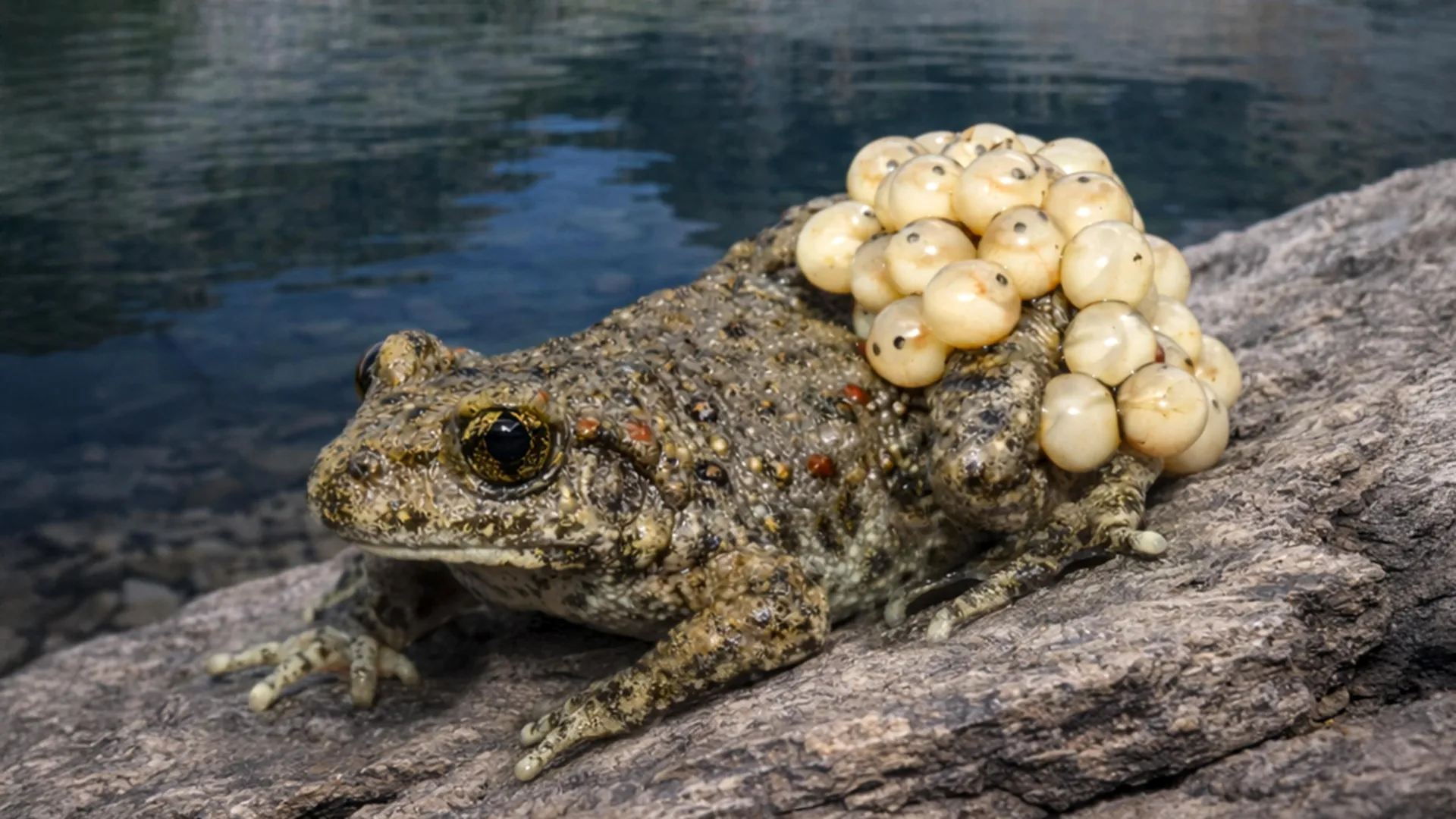
One of the deadliest wildlife diseases on the planet has driven scores of amphibian species toward extinction, but some frog populations mysteriously endure. Now scientists say they have found the secret to that resilience — and it is forged before the animals ever grow legs.
In a study led by researchers at University College London and published in Nature Chemical Biology, the team reported that frogs from recovering populations build up powerful antimicrobial defenses while they are still tadpoles. Those early defenses appear to arm the animals against chytridiomycosis, the fungal disease that strikes hardest at the vulnerable moment when a tadpole transforms into an adult frog.
'The disease kills toads and frogs as they turn from tadpoles to adults,' said Dr. Phillip Jervis, one of the study's authors, describing why that developmental window is so critical. Populations that survive, the researchers found, produced a richer arsenal of protective skin peptides during the tadpole stage, while struggling populations made far fewer.
The scale of the chemical defense surprised even the scientists studying it. Analyzing skin samples, the team catalogued 1,152 distinct peptides — small protein fragments with antimicrobial properties — where only seven had previously been documented. 'We discovered a far greater diversity of peptides than we expected,' said Professor Alethea Tabor, the senior author, underscoring how little was known about the frogs' natural pharmacy.
The work centered on common midwife toads at four lakes high in the Pyrenees, along the border of France and Spain, where the fungus has hammered amphibian communities. By comparing populations that collapsed with those that clawed their way back, the researchers were able to link survival to the diversity and abundance of those tadpole-stage peptides, rather than to luck or environmental quirks alone.
The implications for conservation are significant. If resilience is chemically encoded and detectable early in life, biologists could potentially screen populations for their defensive capacity, prioritize the hardiest stock for breeding and reintroduction, and even explore ways to bolster the peptides that seem to matter most. Chytrid fungus has been implicated in the decline of hundreds of amphibian species worldwide, and understanding why a few survive offers a rare, hopeful foothold in a crisis that has otherwise unfolded with grim predictability.