Ozempic's Key Ingredient Slowed Biological Aging in a First-of-Its-Kind Human Trial
In a randomized study of adults living with HIV, semaglutide cut the pace of biological aging by 9%, the first clinical hint the blockbuster drug may touch aging itself.

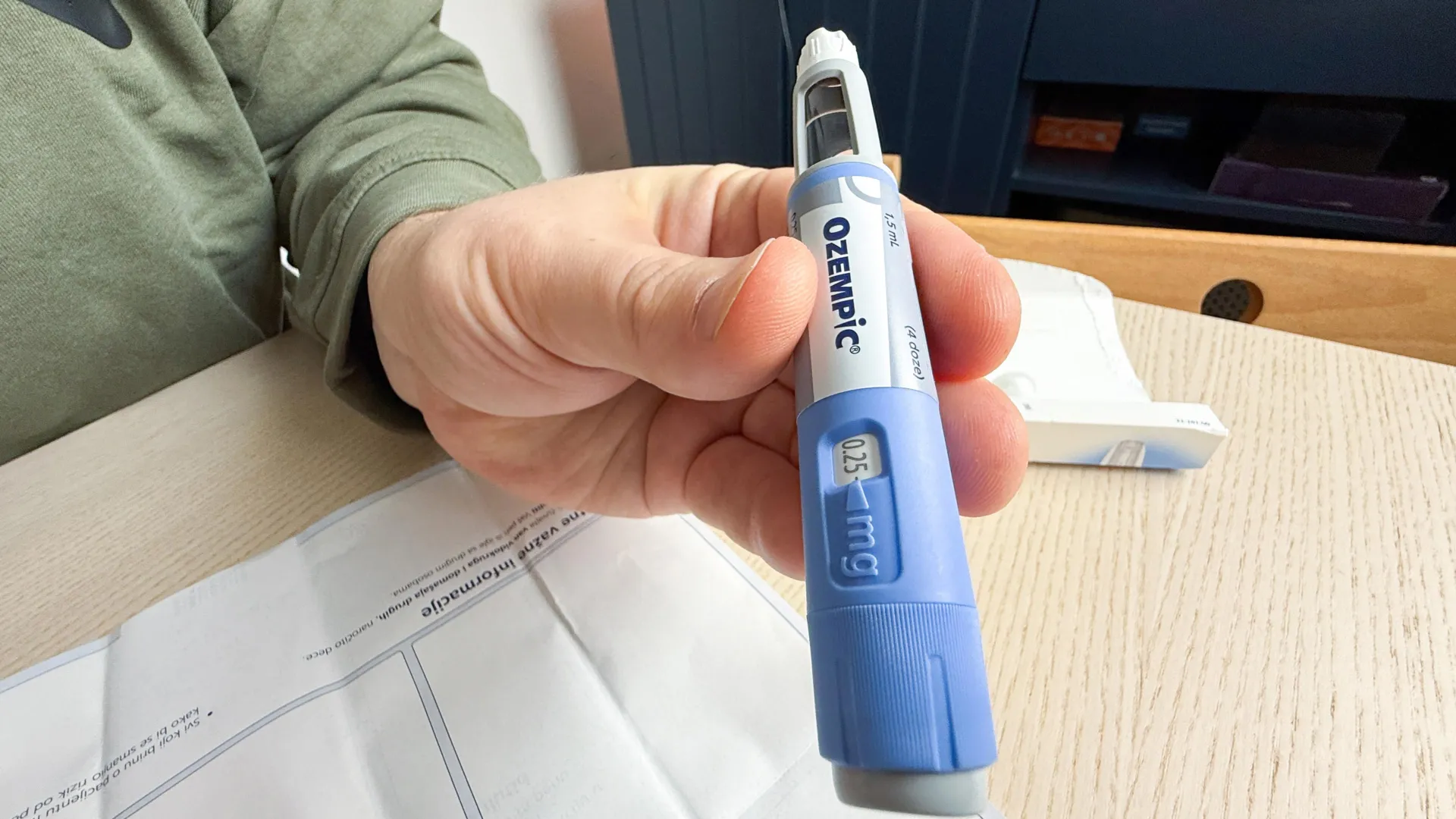
Semaglutide, the active ingredient in the blockbuster drugs Ozempic and Wegovy, slowed markers of biological aging in a randomized human trial, offering the first clinical evidence that the wildly popular medication may influence the aging process itself.
The finding emerged from a 32-week, randomized, double-blind, placebo-controlled phase 2b trial in adults living with HIV-associated lipohypertrophy, a condition marked by abnormal fat buildup. Forty-five participants received semaglutide and 39 received a placebo. The volunteers were virologically suppressed, non-diabetic, on stable antiretroviral therapy, and had a body-mass index of at least 25 along with excess abdominal fat, allowing researchers to isolate the drug's effects in a carefully defined group.
To measure aging, the team analyzed paired samples of participants' blood using several DNA-methylation "clocks" — tools that estimate biological age from chemical tags on DNA rather than the number of birthdays a person has had. On one of the most closely watched measures, called DunedinPACE, the researchers reported a 9% reduction in the speed of biological aging among those taking semaglutide compared with placebo.
The analysis also pointed to improvements in molecular markers tied to mortality risk and age-related disease, with effects showing up across measures associated with the blood, brain, heart, liver, kidneys and metabolic health. That breadth hints the drug's benefits may extend well beyond weight loss and blood-sugar control, the effects for which GLP-1 medications like semaglutide are already prescribed to tens of millions of people.
Researchers were quick to stress the limits of the results. Slowing a molecular clock is not the same as proving that people will live longer or healthier lives, and the effect has so far been demonstrated only in a specific population of adults living with HIV. Much larger and longer studies, in more diverse groups, would be needed before anyone could conclude that semaglutide meaningfully slows human aging.
Still, the study adds to mounting scientific interest in whether GLP-1 drugs might one day be repurposed as tools against the diseases of aging, not just obesity and diabetes. As prescriptions for these medications continue to soar, even a modest, well-documented effect on the biology of aging would carry enormous implications — for how the drugs are studied, who might benefit from them, and how medicine thinks about growing old. Semaglutide works by mimicking a gut hormone called GLP-1 that curbs appetite and helps regulate blood sugar, and its runaway popularity has already reshaped the pharmaceutical industry. The new results are likely to intensify research into whether those same biological pathways also shape how the body ages.