Gum Disease Bacteria May Be Quietly Hardening the Heart's Most Vital Valve, Study Finds
Scientists report that Porphyromonas gingivalis, a bacterium behind gum disease, can lodge in the aortic valve and drive the calcium buildup that causes a common and deadly heart condition.
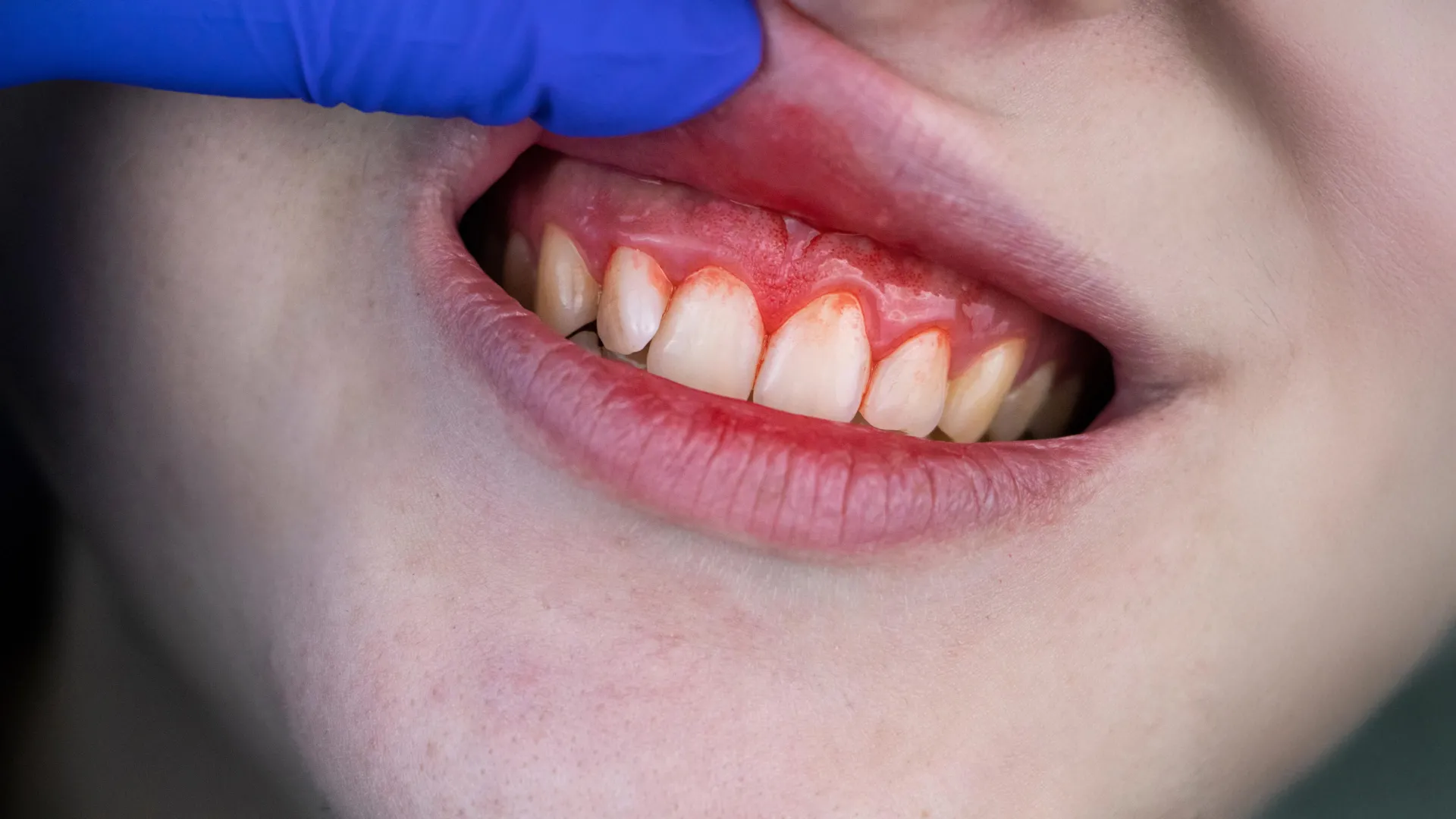
The bacteria that inflame and bleed your gums may be doing damage far beyond the mouth, quietly hardening one of the heart's most important valves, according to research presented Monday at the American Heart Association's Basic Cardiovascular Sciences Scientific Sessions in Boston.
The study focused on calcific aortic valve stenosis, or CAVS, a condition in which the aortic valve thickens and fills with calcium, restricting the flow of blood from the heart to the rest of the body. In its early stages it often causes no symptoms at all, but as it worsens it can bring fatigue, chest pain, shortness of breath, fainting, heart failure and, in some cases, premature death. It is the most common form of heart valve disease.
Working with both mouse and human cardiac tissue, the researchers tracked Porphyromonas gingivalis, a bacterium long tied to gum disease. They found that P. gingivalis accumulated in the aortic valves, increased calcification of the valve tissue and produced the hallmark signs of aortic stenosis. Crucially, when the animals were given preventive antibiotic treatment, those harmful effects were reduced — suggesting a direct causal chain running from the gums to the heart.
The implication is striking: treating gum disease and the inflammation it causes might help prevent the most common valve disease of the heart, potentially turning a routine dental problem into a cardiovascular safeguard. It adds to a broader body of research linking oral health to conditions elsewhere in the body, from cardiovascular disease to diabetes and dementia.
The authors are careful to note the limits of the work. The findings come from a research abstract, and studies presented at scientific meetings are considered preliminary until they are published in full, peer-reviewed form. Much remains unknown, including whether the same mechanism operates as strongly in humans as in mice, and whether treating gum disease in patients would actually lower their risk of valve disease. Even so, the results reinforce a deceptively simple piece of advice with fresh urgency: brushing, flossing and seeing a dentist may be doing quiet work to protect not just your smile, but your heart. Calcific aortic valve stenosis affects millions of older adults worldwide and currently has no drug treatment; the only definitive fix is surgical or catheter-based valve replacement. That is part of what makes the prospect of a preventable bacterial trigger so tantalizing to cardiologists, who have long searched for ways to slow or halt the calcification before a valve fails. If the mouth-to-heart link holds up in humans, something as ordinary as a course of periodontal treatment could one day join the toolkit for protecting the aging heart.