Battery-Free 'Artificial Leaf' Makes Fuel From Sunlight and Regulates Itself
Osaka Metropolitan University researchers built a solar device that tracks its own peak power as the sun shifts, turning carbon dioxide and water into fuel without batteries or electronics.
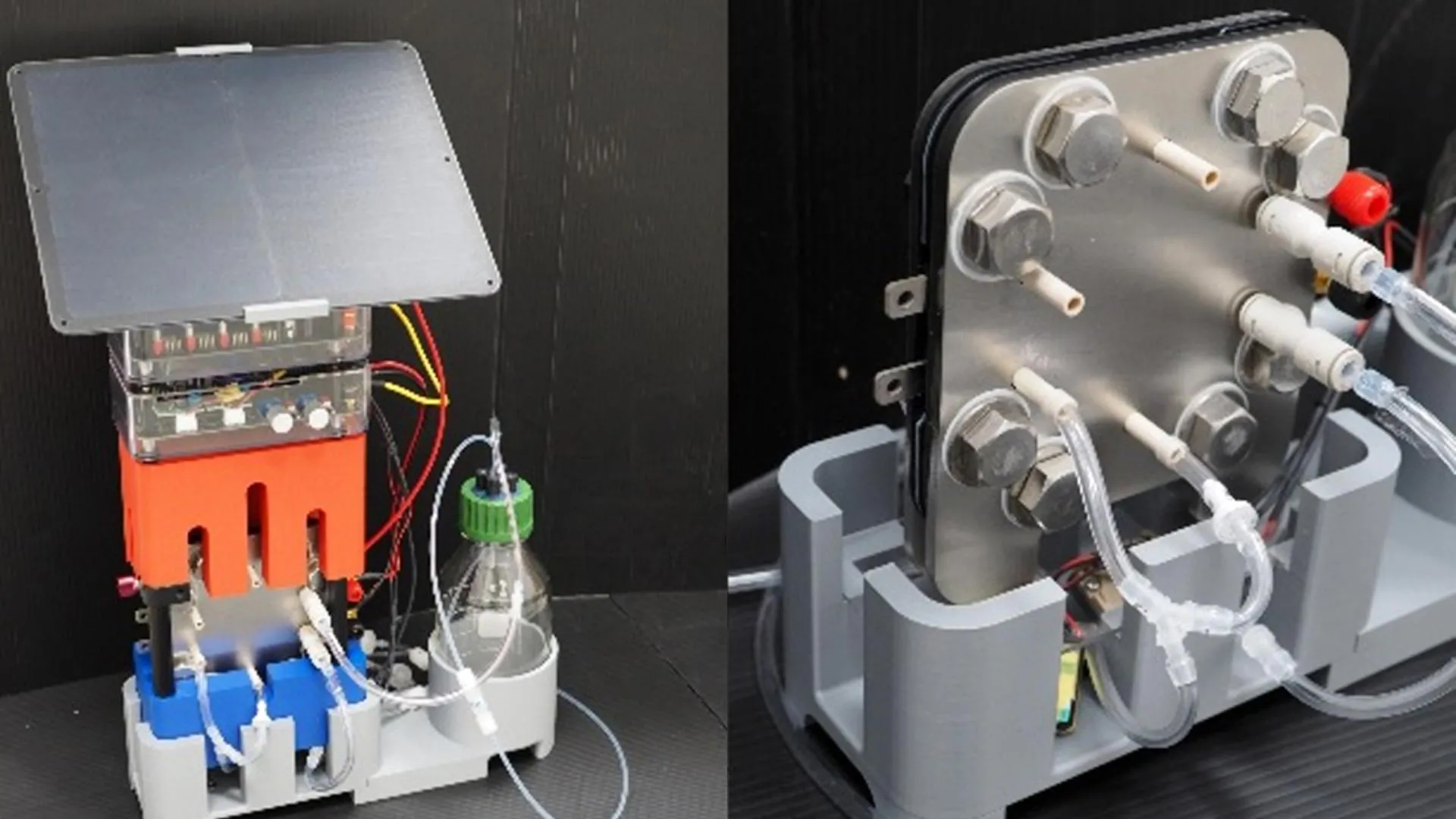
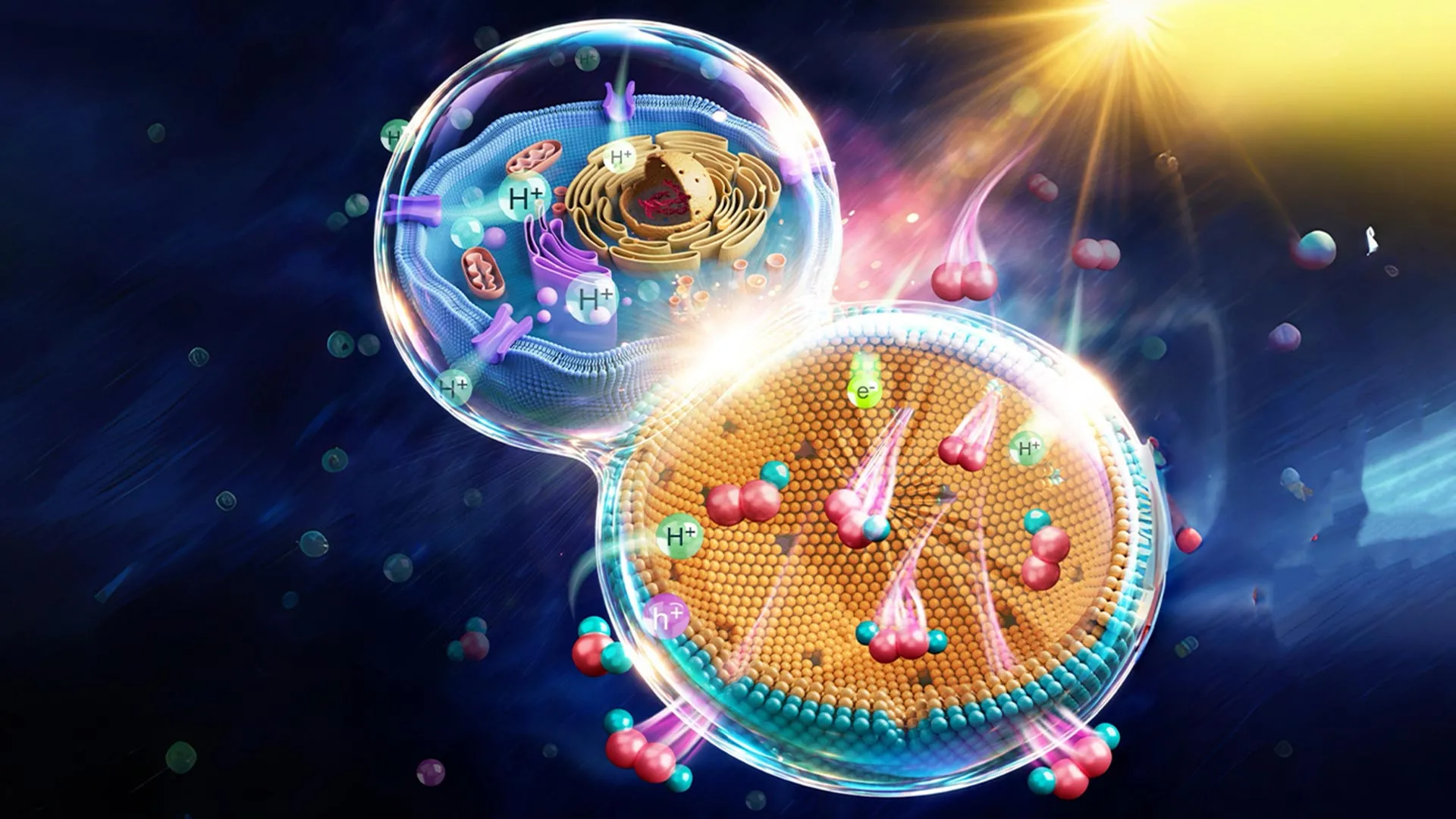
Scientists in Japan have built an artificial photosynthesis system that keeps churning out fuel even as sunlight flickers and fades — and it does so without the batteries and external electronics that have weighed down earlier designs. The advance, reported by researchers at Osaka Metropolitan University, points toward simpler, cheaper devices that mimic the way plants turn sunlight into chemical energy.
The system uses sunlight to convert carbon dioxide and water into formic acid, a liquid fuel that can be stored and transported. Its key innovation is a specially designed solid electrolyte built directly into the electrolyzer, which allows the device to perform what engineers call maximum power point tracking entirely on its own. As sunlight grows stronger, the device heats up and its electrical resistance drops, automatically nudging it toward the most efficient operating point. When clouds roll in, the process reverses.
"This self-regulating behavior helps keep fuel production more stable throughout the day and automates the system," the team explained, noting that the approach reduces reliance on batteries and the bulky control electronics that conventional solar-fuel setups require. By folding that intelligence into the chemistry itself, the researchers say they can cut both cost and complexity.
The work was led by Associate Professor Yasuo Matsubara and Professor Yutaka Amao of the university's Research Center for Artificial Photosynthesis, in collaboration with Iida Group Holdings. Their study, titled "Chemical maximum-power-point tracking system for stabilized liquid solar-fuel production," was published in the journal EES Solar. The team has already put the concept on public display, using it to power a miniature diorama at the Osaka Kansai Expo 2025.
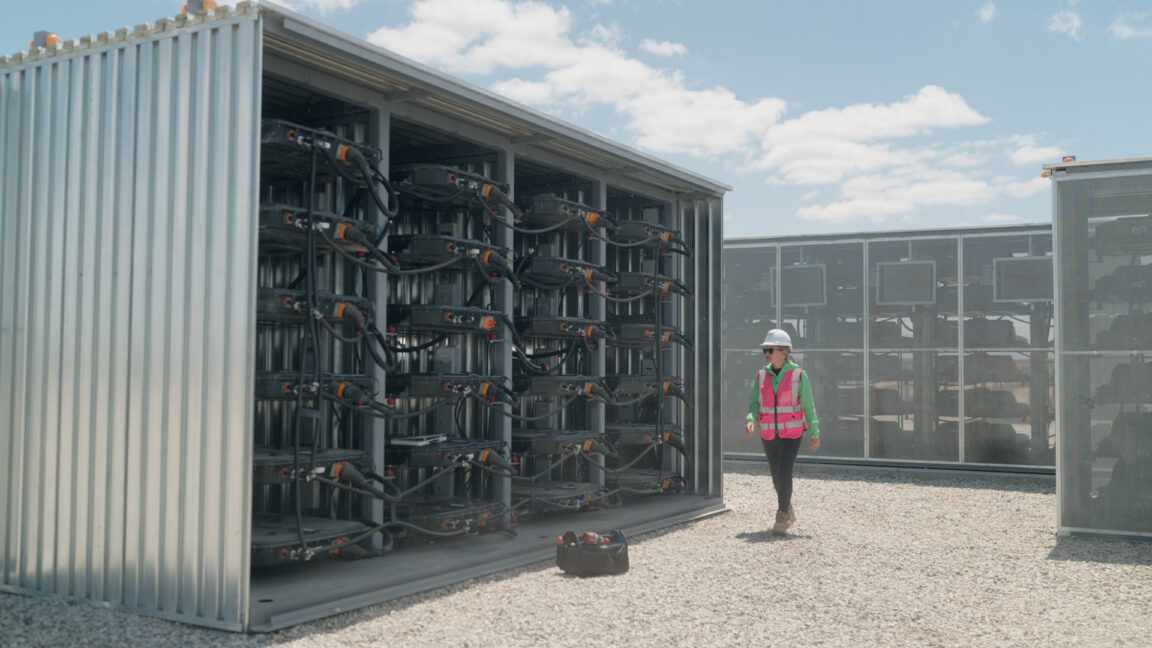
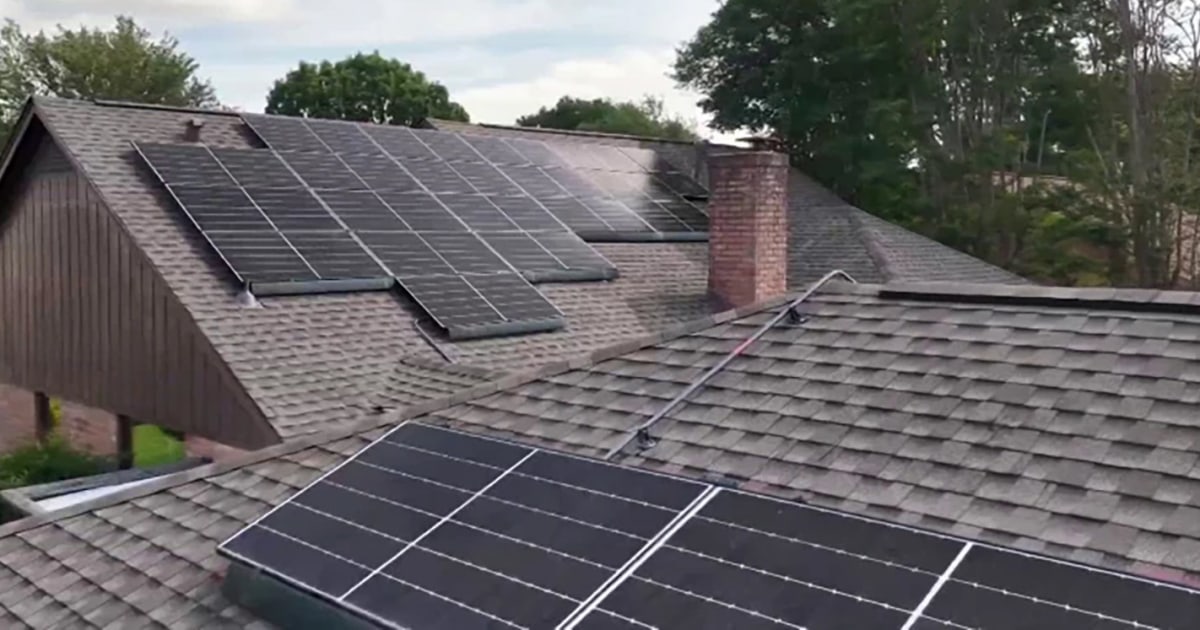
Artificial photosynthesis has long been pitched as a way to store solar energy in the form of fuels rather than electricity, sidestepping the limitations of batteries for long-term or large-scale storage. But sunlight is fickle, and keeping such systems running smoothly as conditions change has been a persistent obstacle. By letting the device manage itself, the Osaka Metropolitan team hopes to bring practical, home-scale solar fuel production a step closer — a "living" technology that breathes with the sun much as a leaf does.