Scientists Transform Rice Into Smart Material That Adapts to Impact Speed
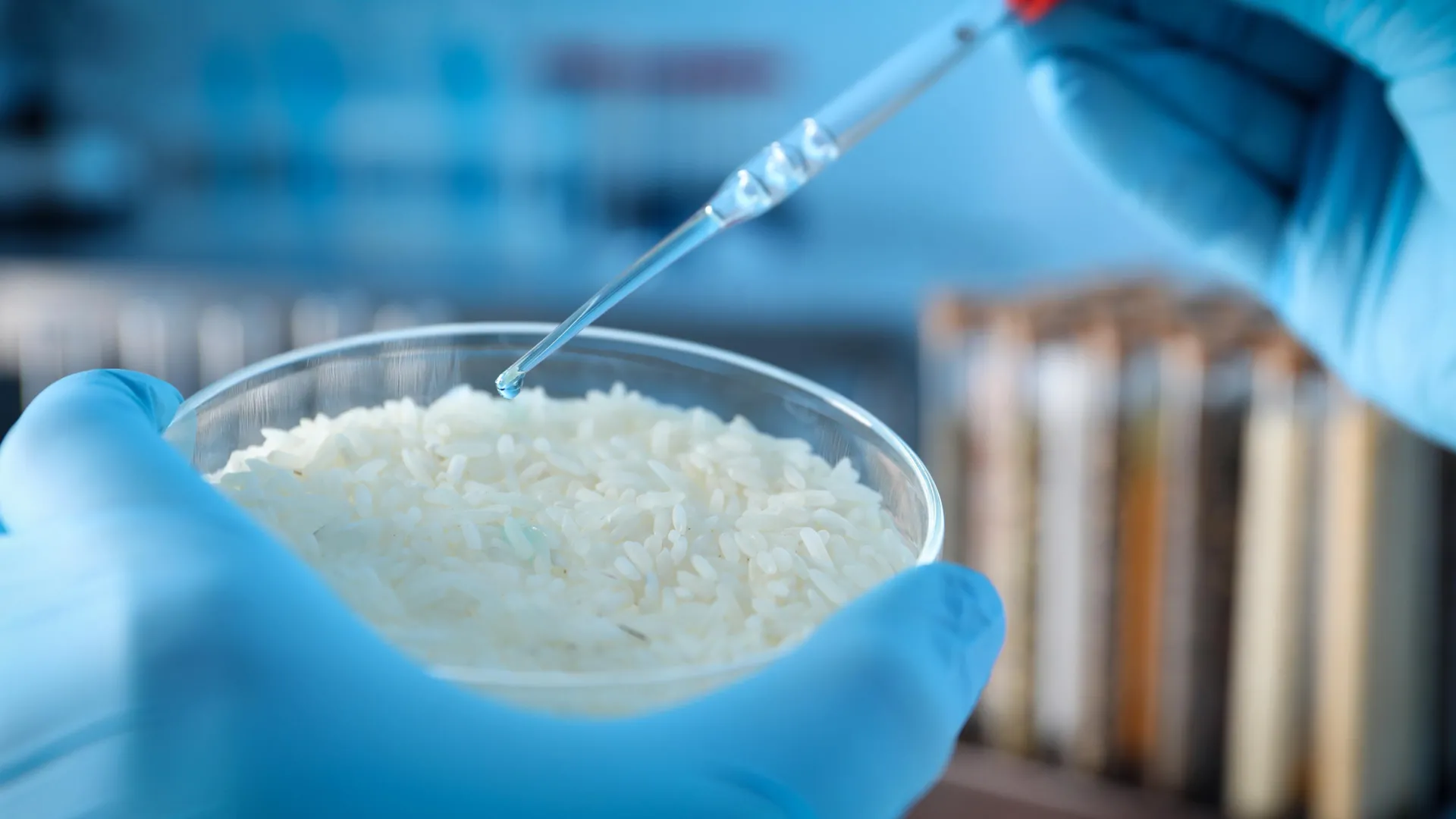
Breakthrough discovery shows rice weakens under rapid compression but stays stronger with slow pressure, leading to development of self-adjusting protective materials.
Section
Science news: space, biology, climate, medicine and the research changing how we live.

Breakthrough discovery shows rice weakens under rapid compression but stays stronger with slow pressure, leading to development of self-adjusting protective materials.

Groundbreaking connectome study shows complex behaviors emerge from distributed local circuits rather than central brain control, challenging assumptions about how nervous systems work.

Groundbreaking connectome study shows complex behaviors emerge from distributed local circuits rather than central brain control, offering new understanding of how nervous systems work.

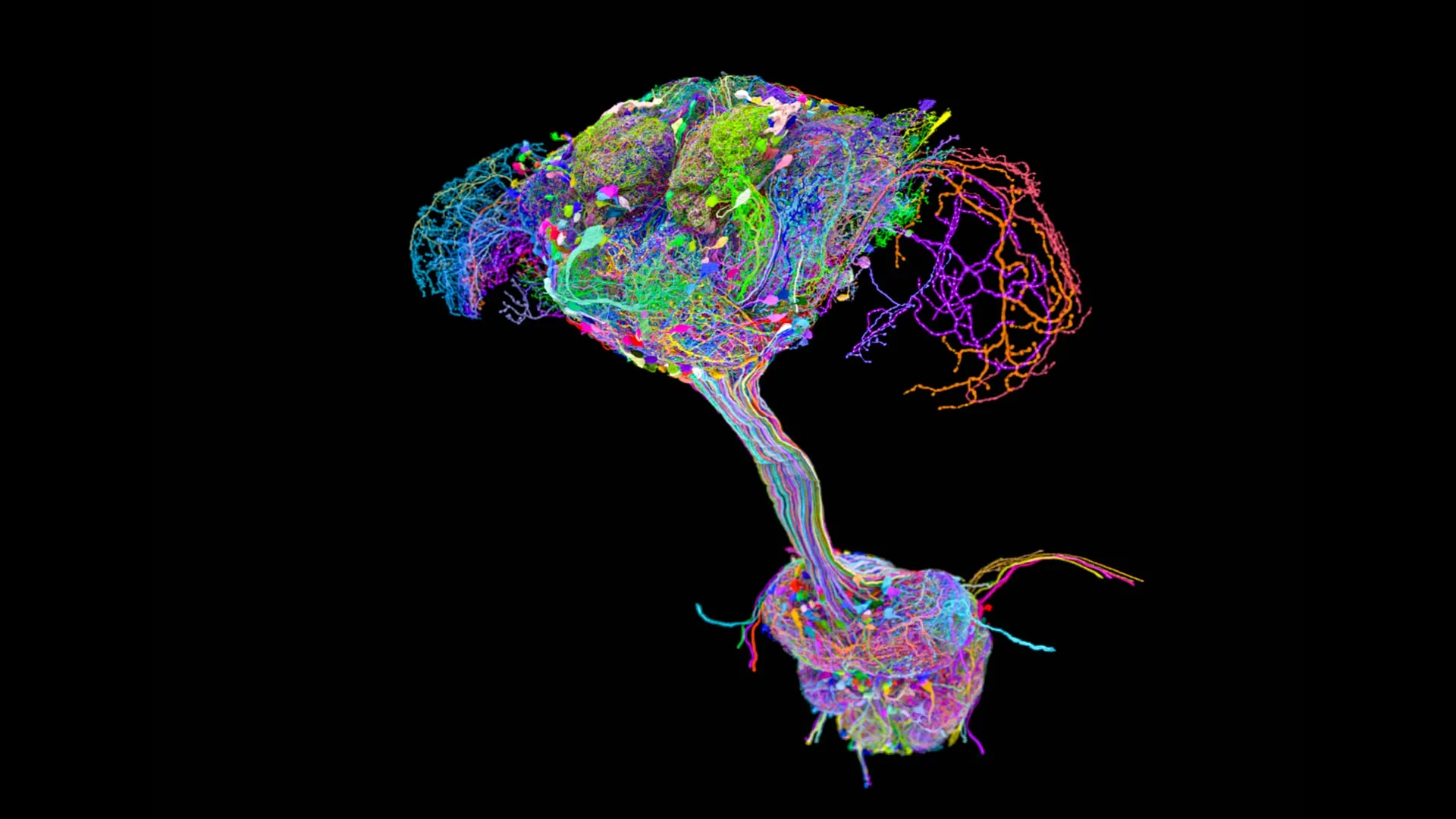
Groundbreaking connectome of 160,000 neurons suggests complex behaviors emerge from distributed local circuits rather than centralized brain control, offering new clues about how nervous systems work.
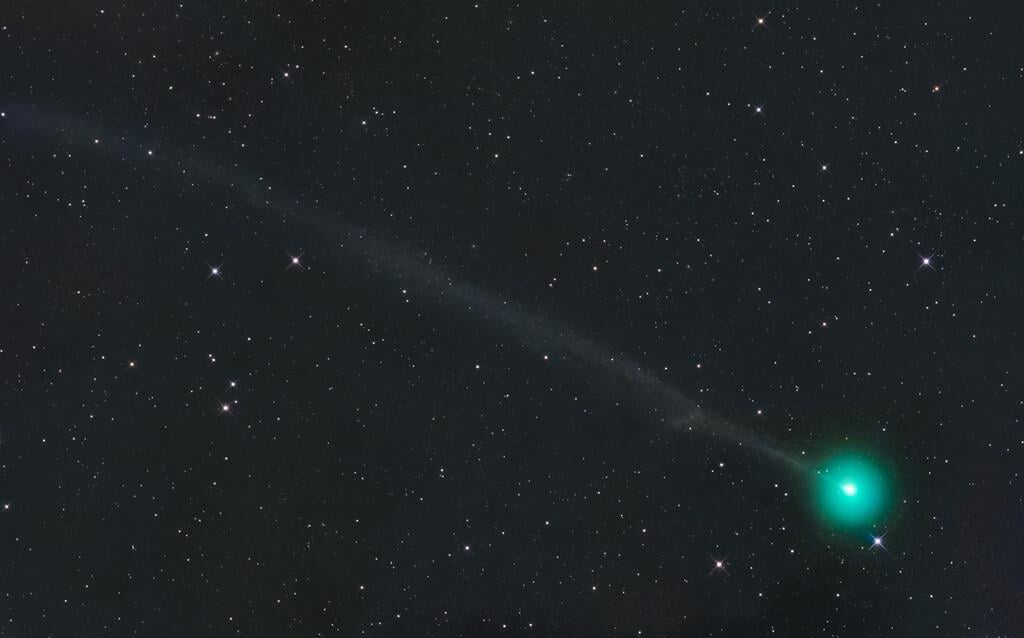
An icy visitor brightened by roughly nine magnitudes in half a day, its most dramatic flare-up since Comet Holmes stunned observers in 2007, and it is now within reach of binoculars before perihelion.

A sweeping University of Sydney analysis of dozens of conditions concludes that widely prescribed opioids deliver only small, short-lived relief, and sometimes none at all, while carrying real risks.
University of Vermont researchers discovered that H3N2 relies on a protein H1N1 doesn't need, overturning the idea that all influenza strains enter cells the same way.

A Lancaster University study estimates more than 335,000 tonnes of the persistent pollutant TFA were deposited globally from 2000 to 2022, much of it from CFC replacements.

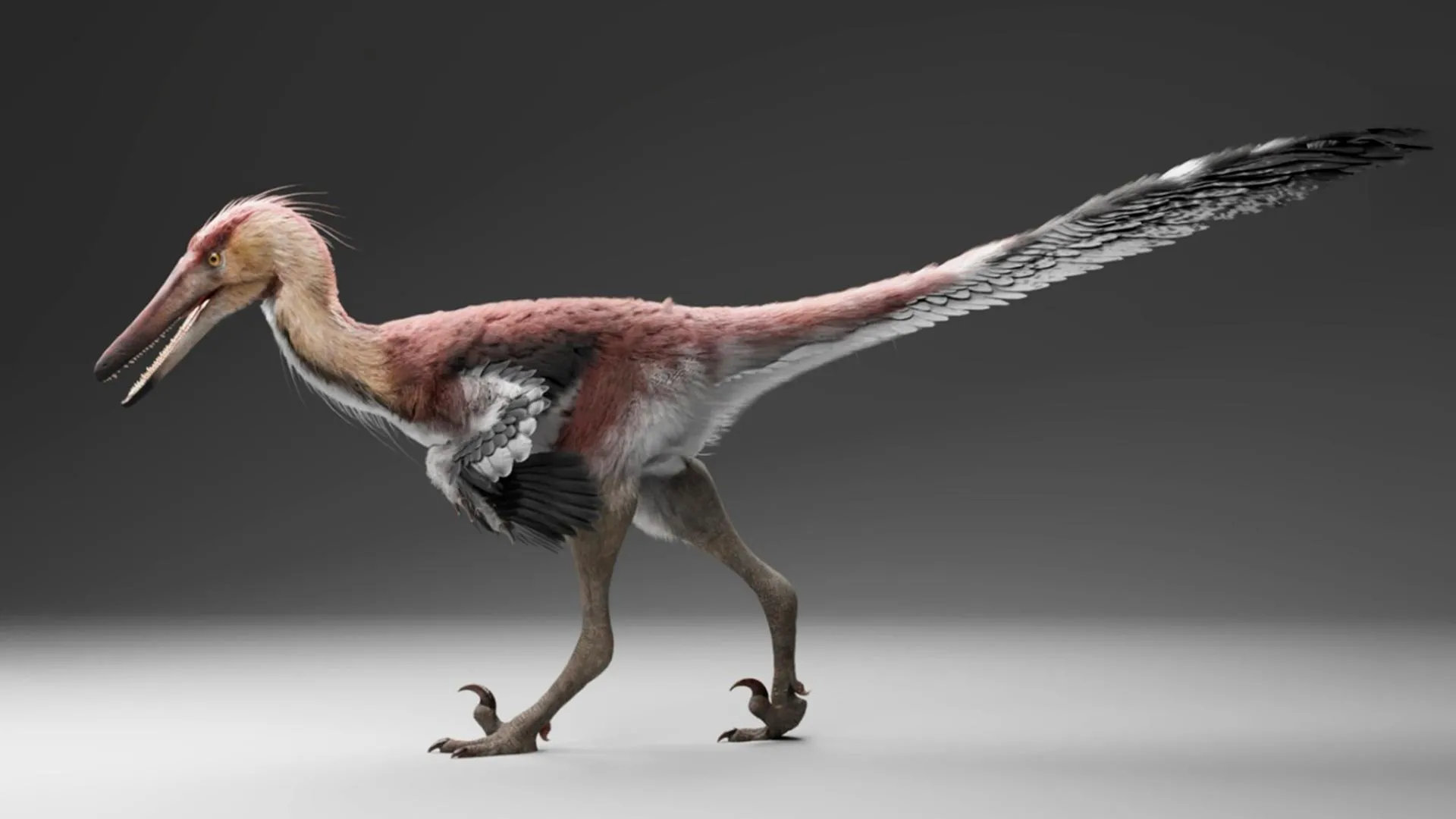
The 70-million-year-old dinosaur paired a raptor's sickle claw with a long, flexible neck, revealing a fish-eating lifestyle unusual for its family of predators.

Scientists have uncovered new evidence that the six-ton Altar Stone was deliberately transported from Scotland by ancient people, requiring extraordinary planning and teamwork.

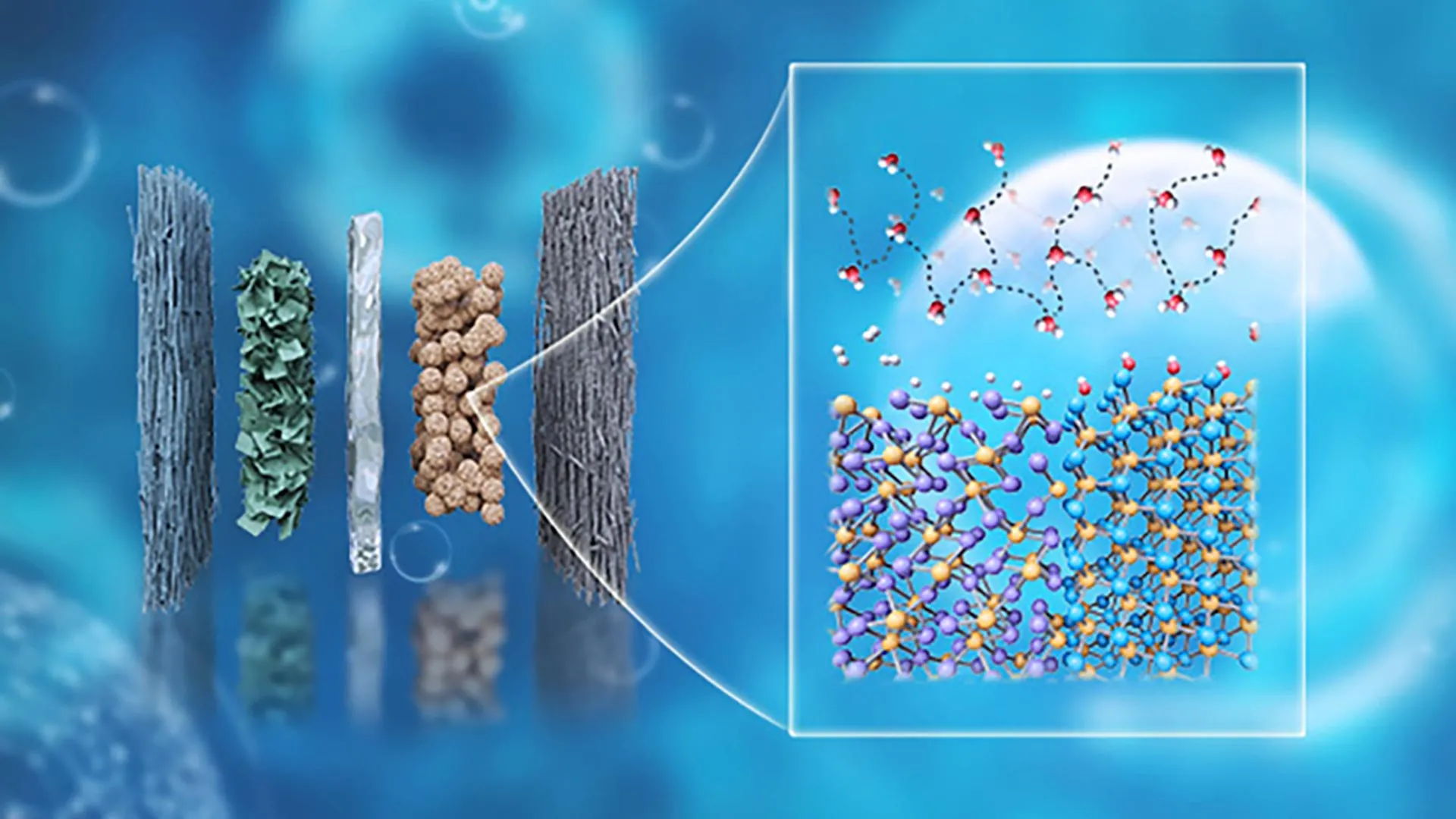
University of Birmingham researchers say their abundant, non-toxic perovskite splits water into hydrogen at 150 to 500 degrees Celsius — potentially undercutting both green and blue hydrogen on cost.

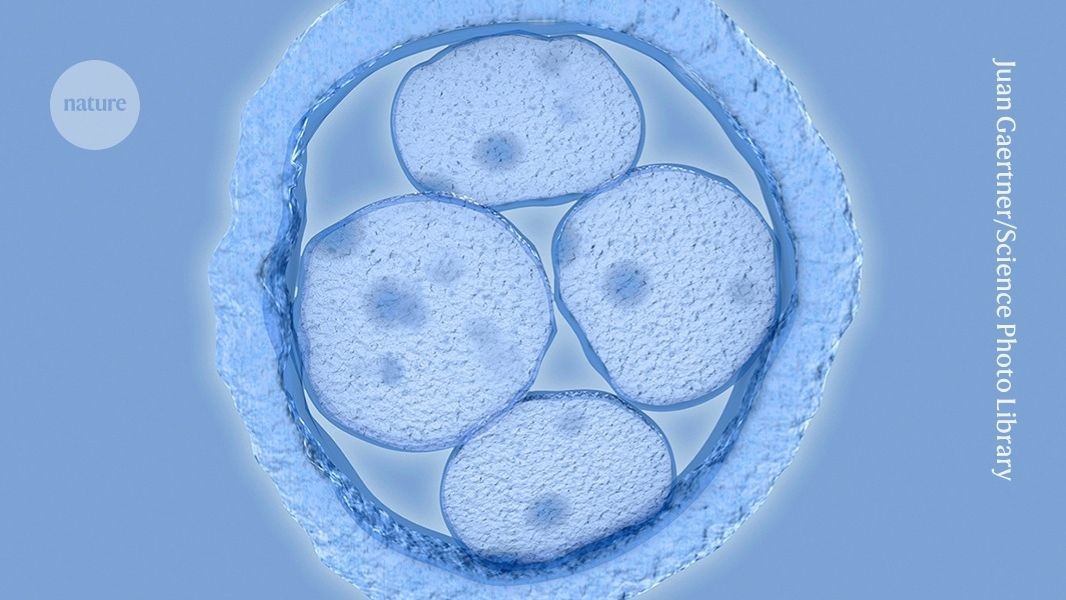
A Columbia-led team used base editing to correct disease-linked mutations in human embryos without the chromosomal damage seen in earlier CRISPR attempts — but warned of lingering off-target effects.

Veteran spacefarers Randy Bresnik, Luca Parmitano, Frank Rubio and rookie Andre Douglas will fly the mission, targeted for as soon as late 2027, that aims to land humans near the lunar south pole.

Recent observations of Kuiper Belt objects show more stable orbits than expected, forcing astronomers to reconsider whether a massive undiscovered planet lurks in the outer solar system.

Researchers discovered that acetylcholine surges when expectations aren't met, triggering more flexible decision-making in challenging situations.

The 4.2-million-year-old species, dubbed Ambystoma quetzalcoatli after the Aztec feathered-serpent god, is the first fossil salamander ever named from Mexico and the country's oldest known record of the group.

In a randomized trial, adults who added a glass of 100% juice or a smoothie to their five-a-day reported lower depression scores after four weeks. The effect was small — and the study was industry-funded.

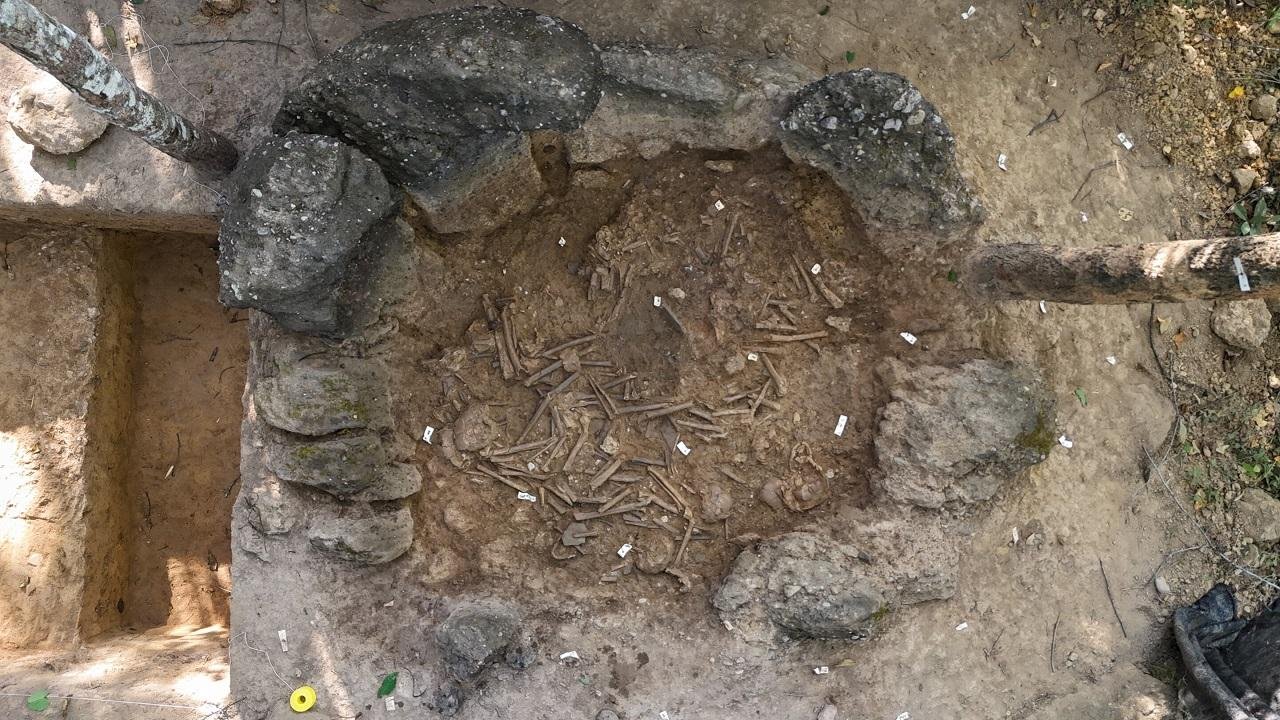
For the first time, archaeologists found undisturbed human remains sealed inside one of the giant stone vessels of the Plain of Jars, confirming the enigmatic megaliths were used for burial.

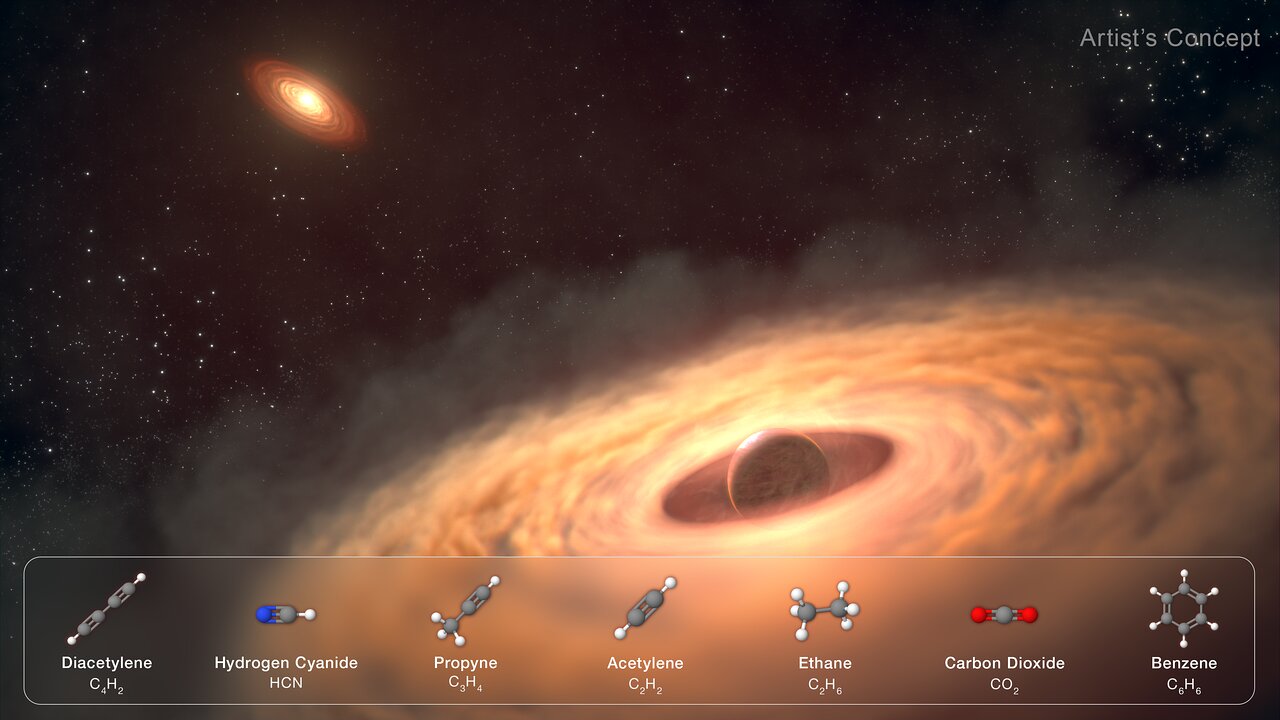
For the first time, astronomers measured the chemistry of a moon-forming disc circling the exoplanet CT Cha b, finding it rich in carbon-bearing molecules like benzene and acetylene.

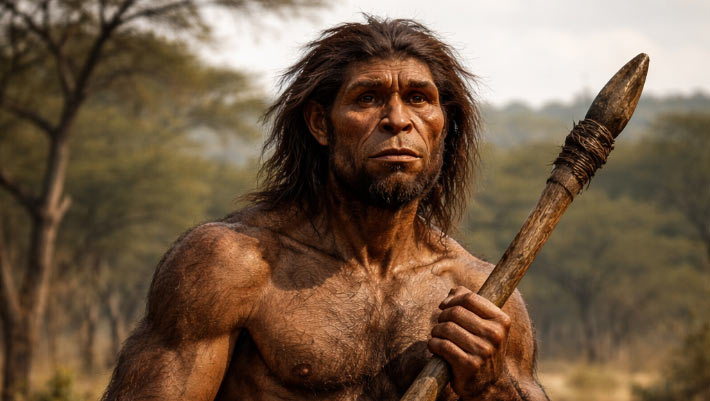
New burial-dating of three crania from the Yunxian site puts them at 1.77 million years old — the oldest securely dated human-relative fossils ever found in eastern Asia.

Recent discoveries of more stable motion among distant Kuiper Belt objects are casting doubt on the existence of a massive undiscovered planet beyond Neptune.

A University of Michigan study finds beneficial mutations are surprisingly common, then explains why they almost never take over — a one-two punch that reframes the famous Neutral Theory of Molecular Evolution.

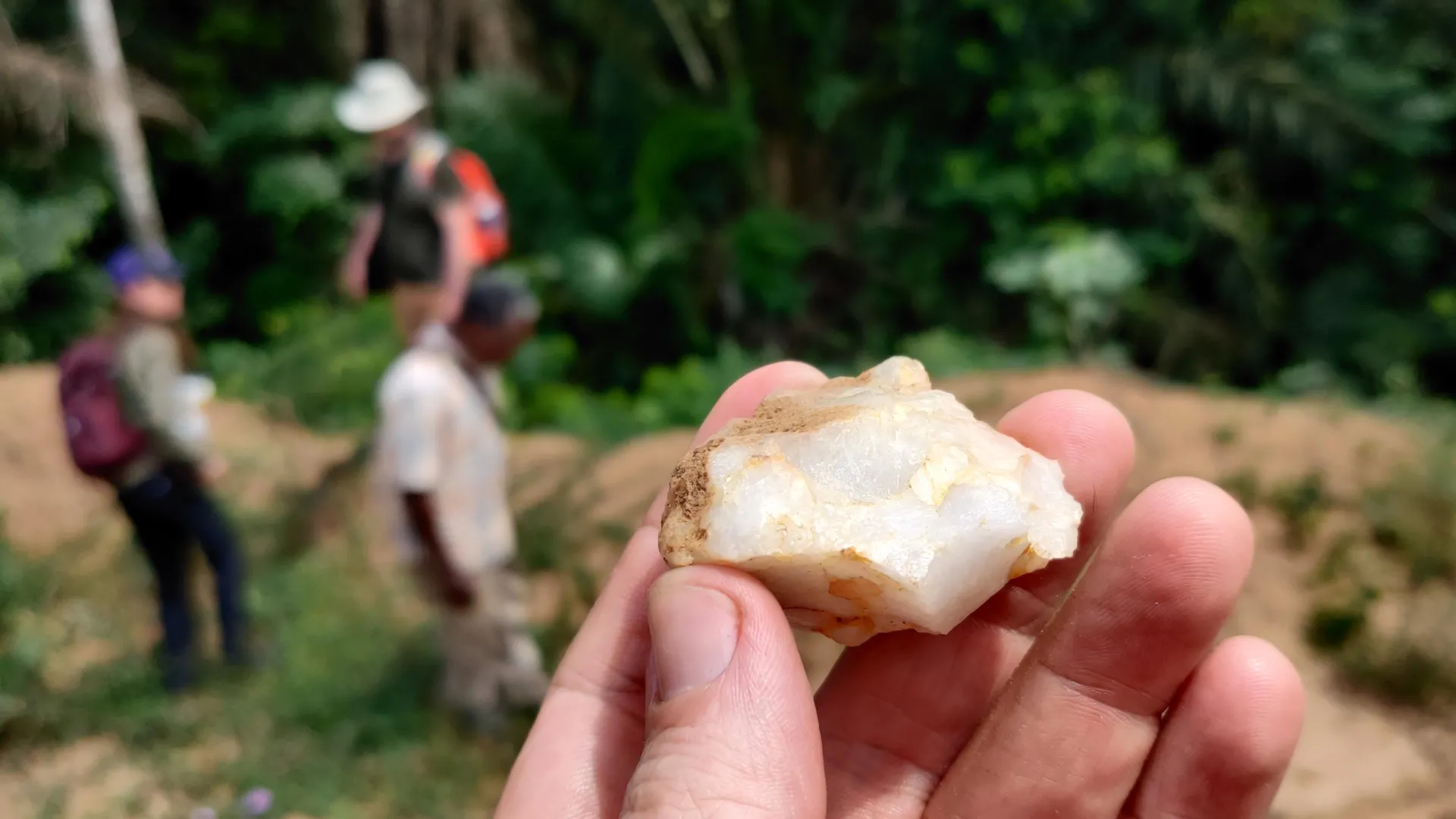
Stone tools and ancient plant traces from a now-destroyed site in Côte d'Ivoire push back the oldest known rainforest habitation by more than double — and undercut the idea that our species was born only on the savanna.

Washington University engineers built a metal-phosphide cathode that outperformed platinum-based versions in lab tests, tackling one of the biggest cost barriers to green hydrogen.

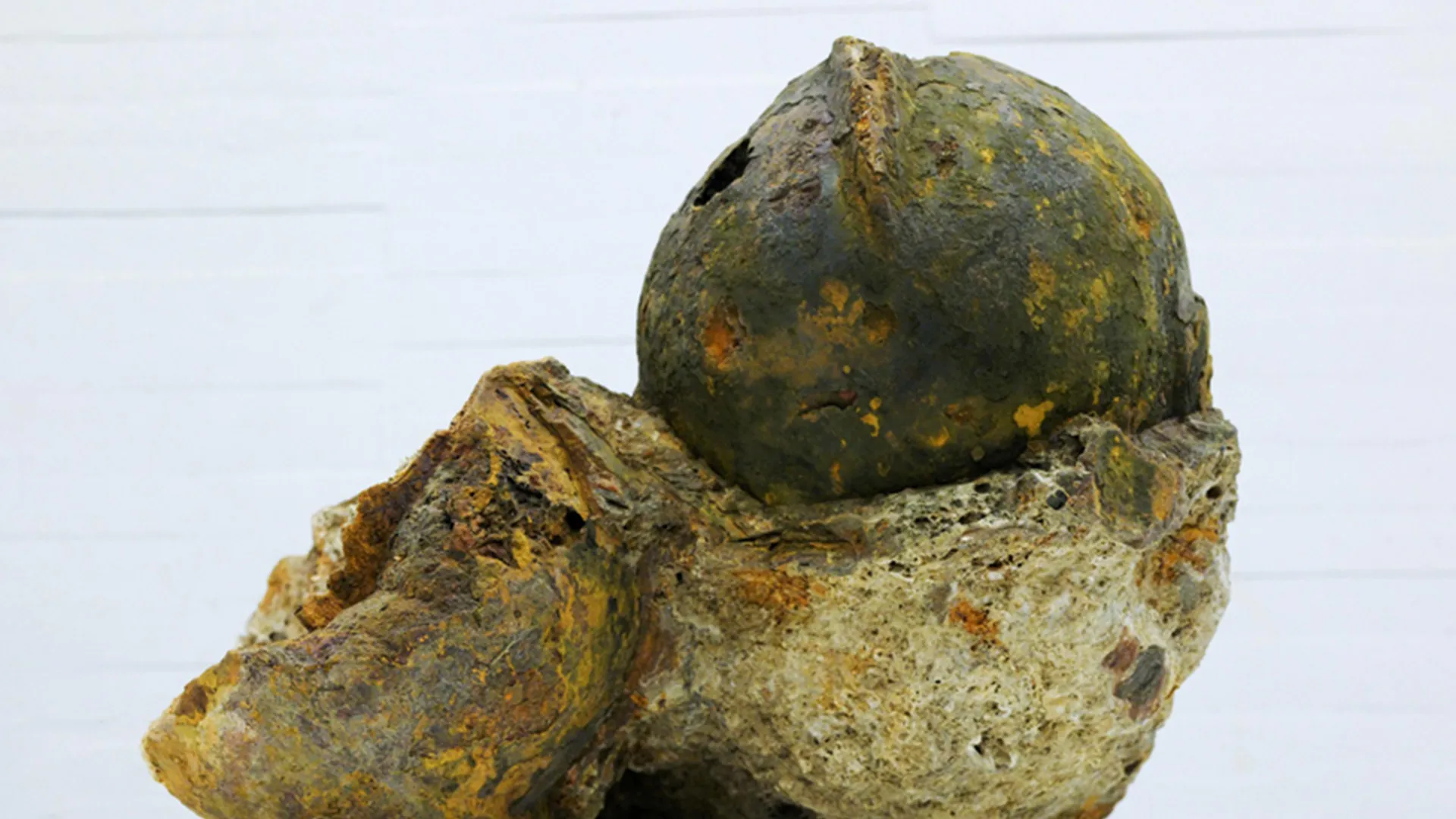
Snagged in fishermen's nets in 1990 near Benicarló, the corroded iron hoard was long filed away as ancient Roman. New radiocarbon dating places it in the late 1300s and early 1400s.

Finerenone slowed kidney decline and cut the risk of heart failure and death across a far wider group of patients than it is prescribed for today — results published simultaneously in The Lancet, NEJM and JAMA.

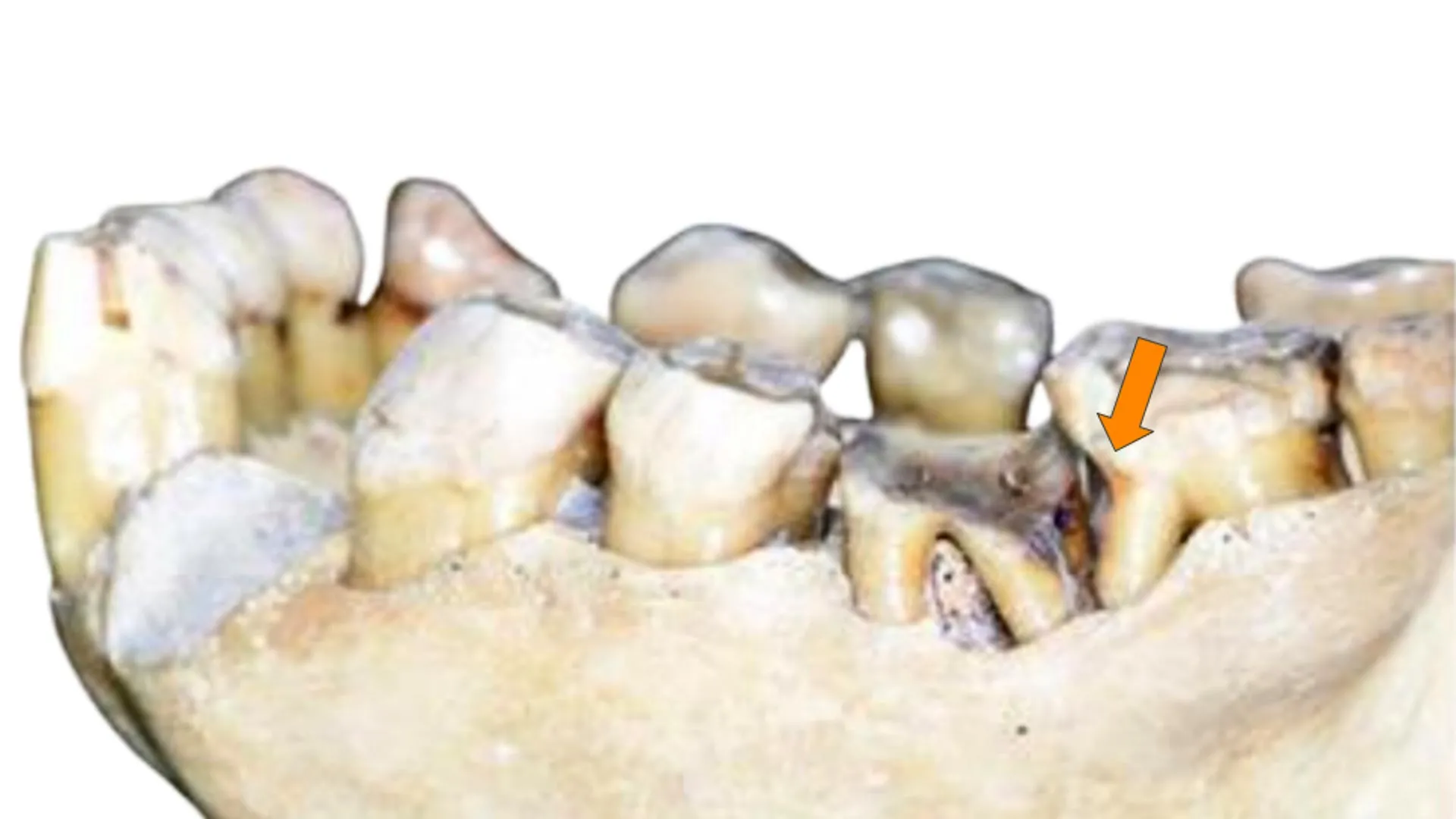
A study of more than 500 teeth from 27 wild primate species finds the same telltale grooves in apes that never use tools — undercutting a century-old assumption about early human behavior.

Researchers find that disappointment triggers acetylcholine surge, making animals more likely to try new strategies when old ones fail.

A new analysis of zircon crystals rules out ice-age transport, pointing to a deliberate, staged journey across ancient Britain some 5,000 years ago.

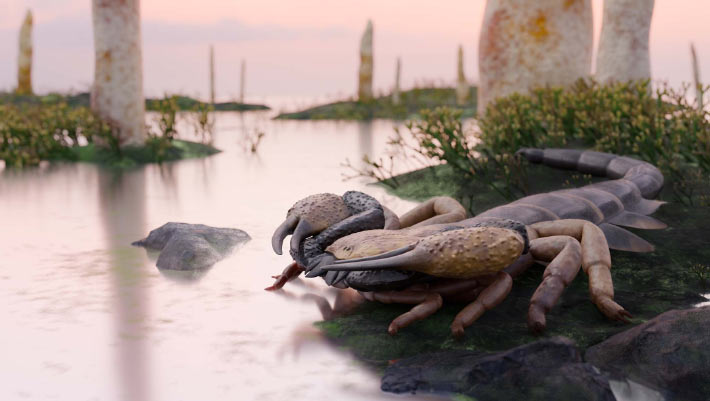
Newly identified as Praearcturus gigas, the giant was among the first large predators to stalk the land — armed with 16-centimeter pincers.