Planet Nine Mystery Deepens as New Discoveries Challenge Hidden Giant Planet Theory
Recent observations of Kuiper Belt objects show more stable orbits than expected, forcing astronomers to reconsider whether a massive undiscovered planet lurks in the outer solar system.
The search for a hypothetical ninth planet in the outer reaches of our solar system has taken an unexpected turn, with new astronomical discoveries challenging the fundamental assumptions that led scientists to propose its existence. Recent observations of distant Kuiper Belt objects are revealing more stable orbital patterns than the Planet Nine theory would predict, forcing researchers to reconsider whether a massive hidden world actually exists beyond Neptune.
The Planet Nine hypothesis emerged in 2016 when Caltech astronomers Konstantin Batygin and Mike Brown noticed unusual clustering in the orbits of several trans-Neptunian objects. These distant chunks of rock and ice appeared to be following paths that suggested the gravitational influence of a large, undiscovered planet—estimated to be several times more massive than Earth and orbiting far beyond Pluto's distant realm.
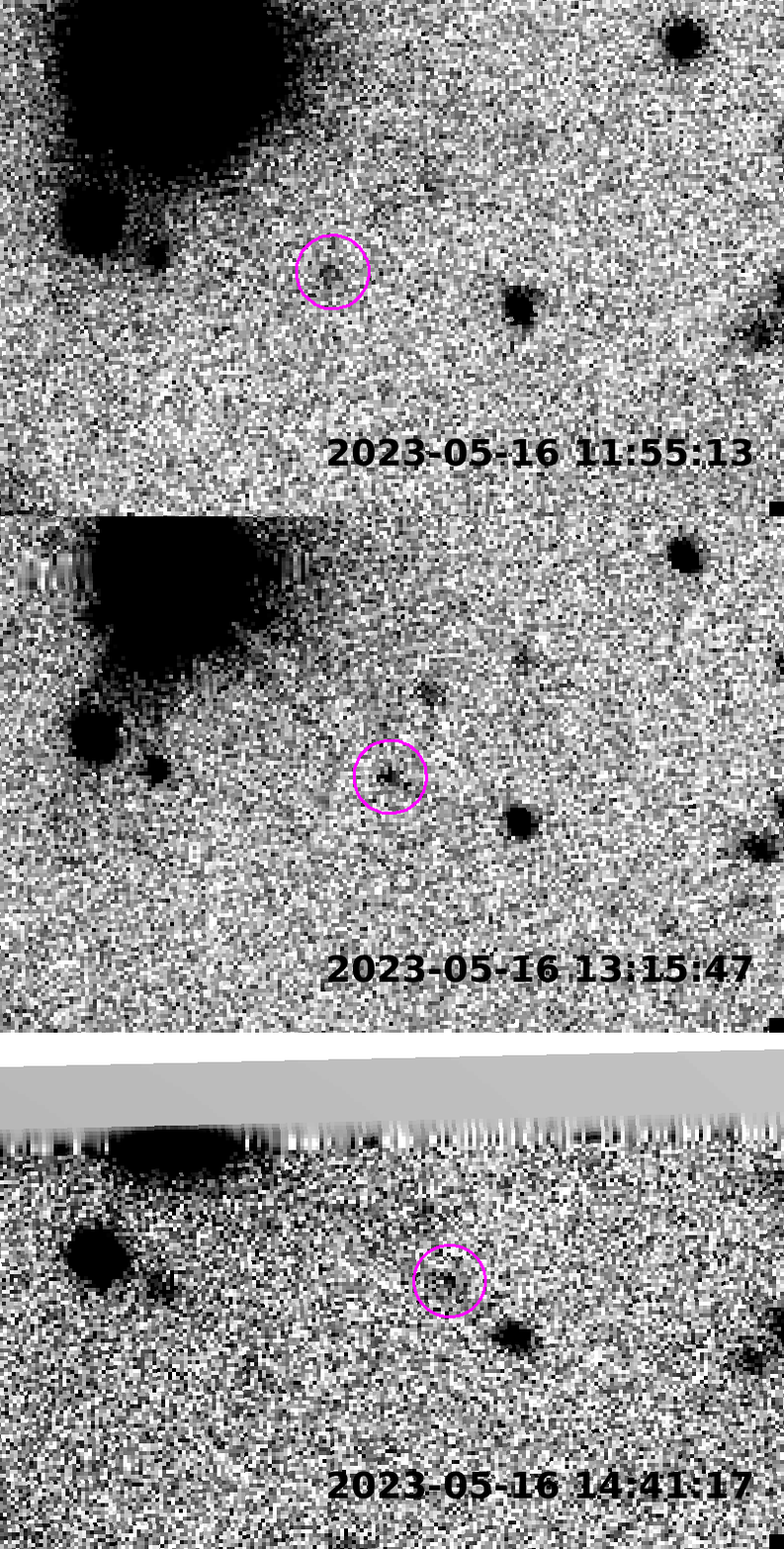
For years, the theory gained momentum as astronomers discovered additional Kuiper Belt objects with seemingly erratic orbits. Objects like the dwarf planet candidate 2017 OF201, measuring roughly 700 kilometers across, exhibited highly elliptical paths around the Sun that appeared to support the existence of a distant gravitational perturber. The accumulating evidence led many researchers to conclude that a hidden giant planet was shepherding these distant objects into their unusual orbital configurations.
However, newer observations are revealing a more complex picture. Advanced telescopic surveys are finding that many trans-Neptunian objects actually follow more predictable orbital patterns than the Planet Nine model would suggest. This stability indicates that the gravitational influence of an unknown massive planet may not be necessary to explain the observed orbital characteristics of these distant solar system residents.
The evolving evidence has prompted astronomers to explore alternative explanations for the orbital patterns originally attributed to Planet Nine. Some researchers now suggest that a ring of debris or the cumulative gravitational effects of multiple smaller objects could account for the observed phenomena. If Planet Nine does exist, the new data suggests it may be located much farther from the Sun than originally calculated, making it even more difficult to detect with current observational technology. The mystery continues to evolve as astronomers gather more precise data about the solar system's most distant known objects.