Scientists Precisely Edit Human Embryo Genes for the First Time, Igniting Praise and Alarm
A Columbia-led team used base editing to correct disease-linked mutations in human embryos without the chromosomal damage seen in earlier CRISPR attempts — but warned of lingering off-target effects.
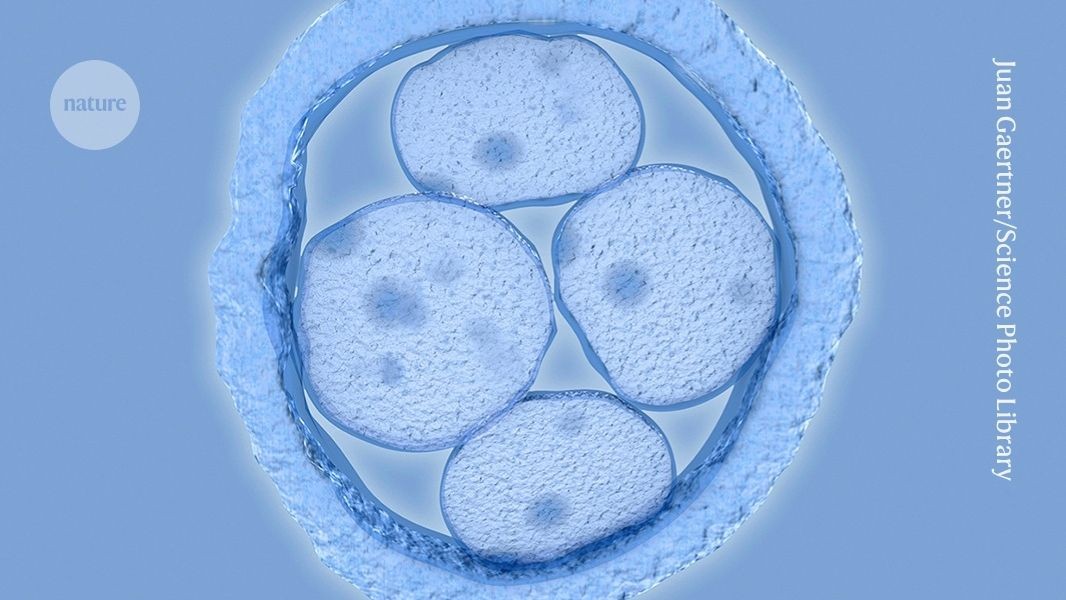
An international team of scientists has used base editing to precisely alter the genes of human embryos, a milestone that researchers are hailing as a technical advance even as it reignites fierce ethical debate over the prospect of editing the human germline.
The work, led by geneticist Dieter Egli at Columbia University, was released as a preprint on the bioRxiv server. Base editing is an evolution of CRISPR gene-editing technology that allows scientists to swap one nucleotide — a single letter of the genetic code — for another without creating the destructive double-strand breaks in DNA that conventional CRISPR relies on. That distinction matters enormously in embryos, where such breaks have previously caused unintended and potentially dangerous damage.
In their experiments, the researchers demonstrated that the technique could correct pathogenic variants of two genes, PCSK9 and HBG, with relatively high efficiency. Crucially, the base editing did not introduce aneuploidy — abnormal numbers of chromosomes — an unintended and damaging effect that earlier studies had documented when CRISPR was used to edit human embryos. Avoiding that chromosomal chaos has been one of the central technical hurdles standing between gene editing and any conceivable clinical use.
But the results came with significant caveats that the authors themselves emphasized. Even without aneuploidy, the editing still produced notable off-target effects, with changes appearing at sites in the genome other than the intended gene. The team also observed mosaic embryos, in which only some of the cells carried the intended edits while others did not — a patchwork outcome that would be unacceptable in any therapeutic setting. The researchers stressed that far more work, alongside extensive ethics discussions, would be necessary before genetically edited embryos could responsibly be considered for clinical in vitro fertilization.
The announcement has drawn both praise and alarm. Supporters see a path toward one day preventing devastating heritable diseases before birth, correcting mutations at the very start of life. Critics warn that editing the germline crosses a profound ethical line, because any changes would be passed down to future generations, and they raise the specter of a slide toward selecting or enhancing non-medical traits — the long-feared prospect of "designer babies."
The study lands against the backdrop of a global scientific community still scarred by the 2018 case of a Chinese researcher who created the first gene-edited babies, an episode widely condemned as reckless and premature. The new research is laboratory work, not a pregnancy, and its authors are explicit that clinical application remains far off and fraught. Still, by showing that precise, less-damaging edits are achievable in human embryos, the team has sharpened a debate that science and society have yet to resolve.