Scientists Target 'Undruggable' Pancreatic Cancer Protein and Nearly Double Survival
New drug daraxonrasib reduces death risk by 60% in clinical trial, offering hope for patients with one of medicine's deadliest cancers.

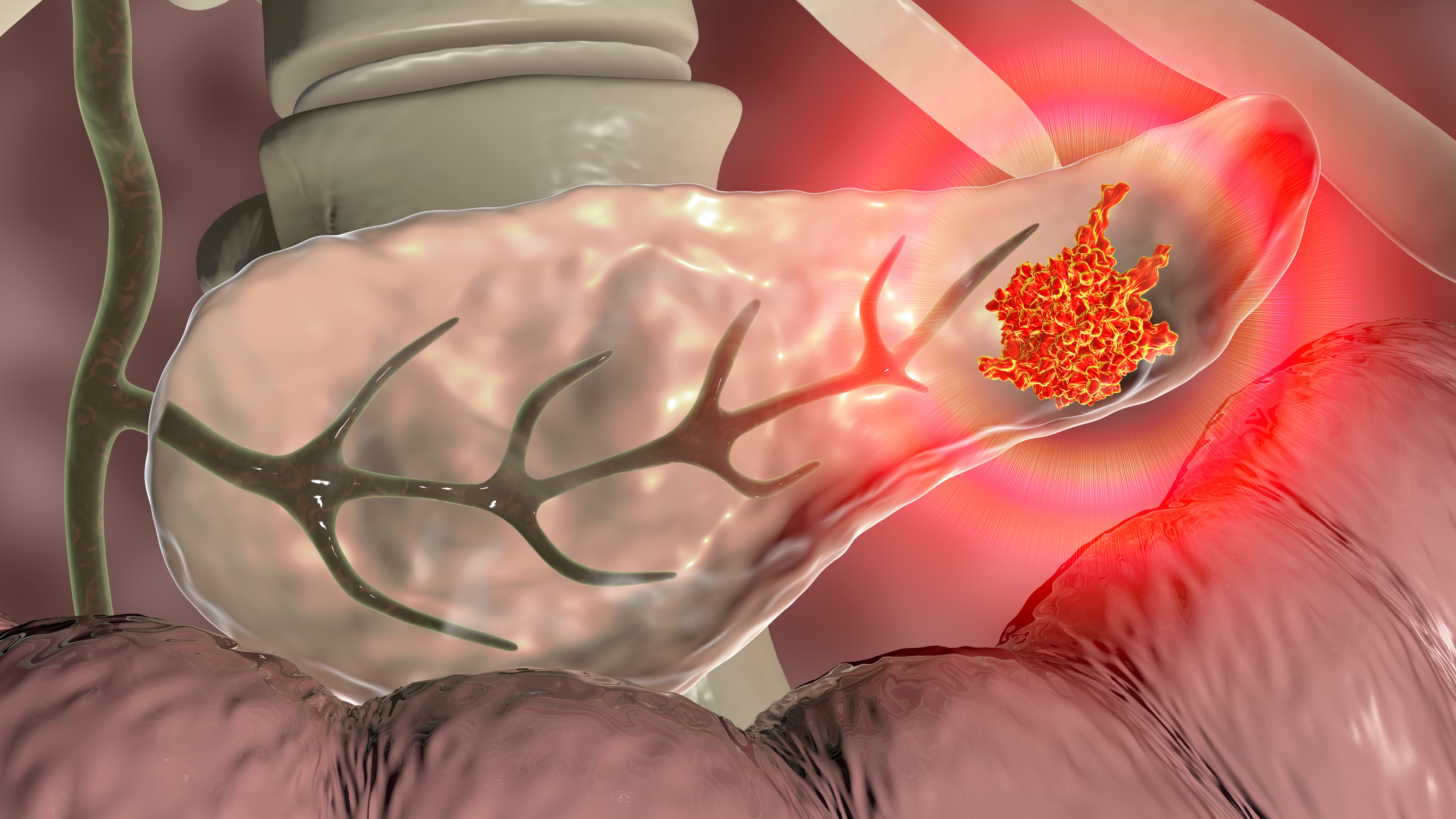
A breakthrough treatment for pancreatic cancer has achieved what many scientists once considered impossible, successfully targeting the KRAS protein that drives more than 90% of pancreatic tumors. The new drug, daraxonrasib, nearly doubled survival times for patients with advanced disease in a major clinical trial, representing a significant advance against one of medicine's most lethal cancers.
Pancreatic cancer has historically been among the most challenging cancers to treat, with a five-year survival rate of just 3% for patients diagnosed with metastatic disease between 2015 and 2021. The cancer's deadly reputation stems partly from its lack of early symptoms and effective screening tests, meaning most patients are diagnosed only after the disease has already spread to other organs. Traditional treatments have relied primarily on chemotherapy, which acts as a blunt instrument causing widespread cell damage.
The KRAS protein has long been considered "undruggable" because of its exceptionally smooth surface, which lacks the molecular pockets that conventional drugs require to bind effectively. When mutated, KRAS functions like a switch permanently stuck in the "on" position, commanding cancer cells to multiply endlessly. For decades, this protein's resistance to targeting forced oncologists to rely on toxic chemotherapy regimens that cause significant side effects while providing limited benefit.
Daraxonrasib represents a revolutionary approach to the problem. Rather than attempting to bind directly to KRAS, the oral medication targets a helper molecule called cyclophilin A, which assists in protein folding within cells. This creates a protein complex capable of binding to the active KRAS protein and shutting down its ability to signal cancer cells to proliferate. Revolution Medicines, the drug's developer, presented results from a Phase 3 trial involving 500 patients with metastatic pancreatic cancer.
The clinical trial results demonstrated that daraxonrasib reduced the risk of death by 60% compared to standard chemotherapy treatments. Patients receiving the new drug experienced nearly doubled survival times, marking one of the most significant therapeutic advances in pancreatic cancer in decades. The success of daraxonrasib offers new hope for the thousands of patients diagnosed with this devastating disease each year and may pave the way for similar approaches targeting other previously "undruggable" proteins.