Experimental Lung Cancer Drug Cuts Death Risk by 34% in Major Chinese Trial
Akeso and Summit Therapeutics report breakthrough results for ivonescimab in late-stage study, potentially offering new hope for patients with advanced lung cancer.

An experimental lung cancer treatment has demonstrated remarkable success in a late-stage clinical trial conducted in China, reducing the risk of death by 34% compared to standard treatments. The drug, known as ivonescimab and developed jointly by Akeso and Summit Therapeutics, represents a potential breakthrough in treating one of the world's deadliest forms of cancer.
The positive results from the Phase 3 HARMONI-6 trial were released Sunday at a major oncology conference, marking a significant milestone for both companies and offering new hope for patients diagnosed with advanced lung cancer. The trial's success could accelerate the drug's path toward regulatory approval and eventual availability to patients who have exhausted other treatment options.
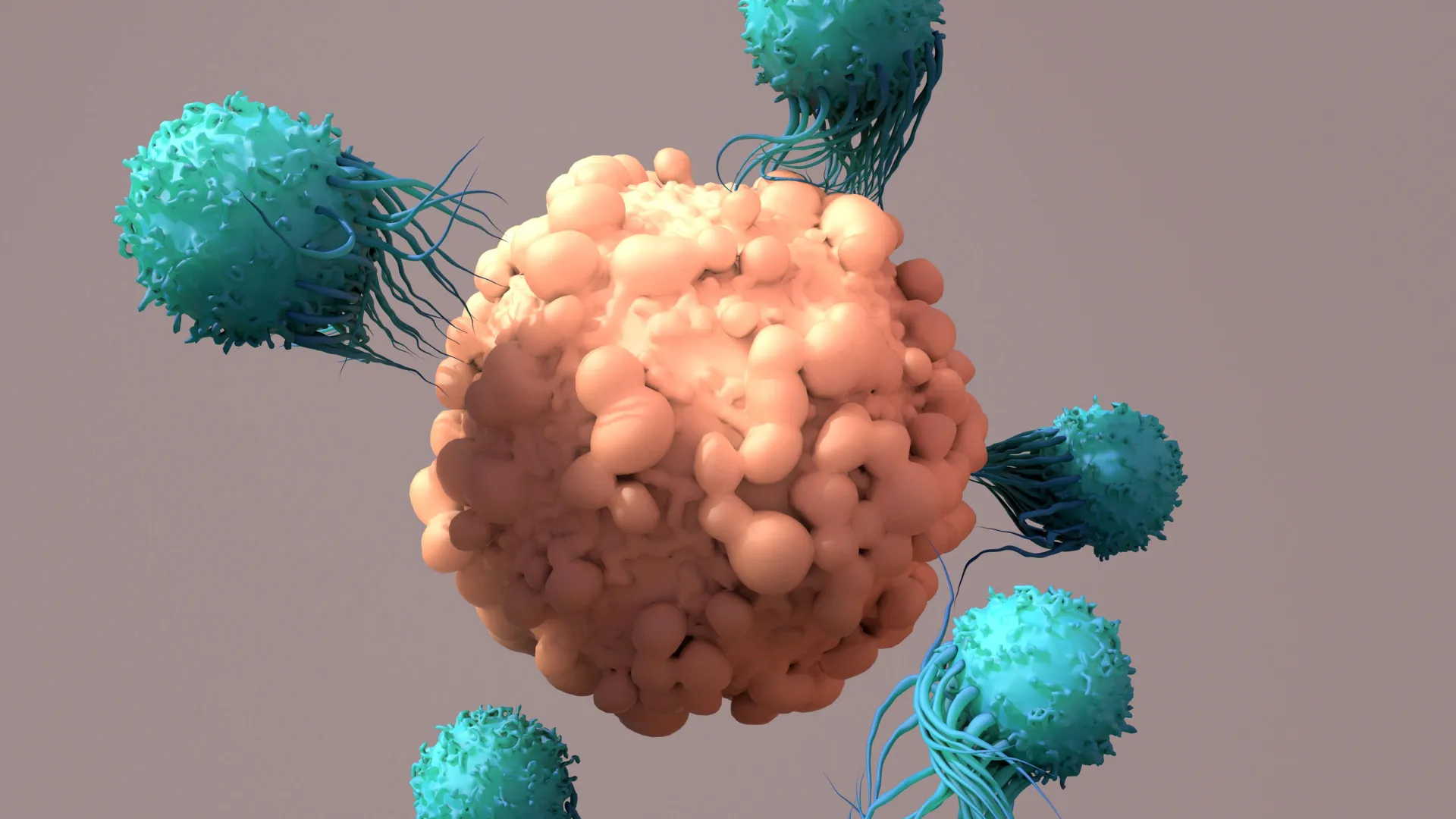
Ivonescimab belongs to a class of cancer treatments that work by enhancing the immune system's ability to recognize and attack cancer cells. The drug has been designed to target specific pathways that cancer cells use to evade immune detection, representing the latest advancement in precision oncology approaches that have transformed cancer treatment over the past decade.
The Chinese trial's results have generated significant interest from the global oncology community, as lung cancer remains one of the leading causes of cancer-related deaths worldwide. Traditional chemotherapy and radiation treatments have shown limited effectiveness against advanced stages of the disease, making immunotherapy approaches like ivonescimab increasingly important for improving patient outcomes.
Both Akeso and Summit Therapeutics are likely to see increased investor interest following the positive trial results, as successful cancer drug development can create substantial market opportunities. The companies will now focus on preparing regulatory submissions to bring the treatment to market, while also potentially expanding trials to other patient populations and geographic regions. The 34% reduction in death risk represents one of the most promising results seen in recent lung cancer drug development, potentially establishing ivonescimab as a new standard of care for patients with advanced disease.